 Post-war cinema took many forms. In Korea there was initial cause for celebration but, shortly after the end of the Japanese colonial era, Korea went back to war, with itself. While neighbouring countries and much of the world were engaged in rebuilding or reforming their societies, Korea found itself under the corrupt and authoritarian rule of Syngman Rhee who oversaw the traumatic conflict which is technically still ongoing if on an eternal hiatus. Yu Hyun-mok’s masterwork Aimless Bullet (오발탄, Obaltan) takes place eight years after the truce was signed, shortly after mass student demonstrations led to Rhee’s unseating which was followed by a short period of parliamentary democracy under Yun Posun ending with the military coup led by Park Chung-hee and a quarter century of military dictatorship. Of course, Yu could not know what would come but his vision is anything but hopeful. Aimless Bullets all, this is an entire nation left reeling with no signposts to guide the way and no possible destination to hope for. All there is here is tragedy, misery, and inevitable suffering with no possibility of respite.
Nominal head of the family Cheolho (Kim Jin-kyu) has an OK job as an accountant but still he can’t make ends meet and his small family consisting of his wife, two children, war hero younger brother Yeongho (Choi Moo-ryong), unmarried sister Myeongsuk (Seo Ae-ja), and senile mother with wartime PTSD lives in a makeshift hovel in the middle of a fetid slum. Yeongho may have distinguished himself on the battlefield, but now the war is over society can’t find a use for him and so he remains jobless and another drain on his brother’s resources. In many ways he was one of the lucky ones, returning from the war with physical and mental scars but no permanent impairments. Myeongsuk’s former fiancé was not so lucky and requires the use of crutches to get around leading him to reject the woman he loves in the belief that he will never be anything more than a burden to all around him.
Cheolho suffers with a persistent toothache which he refuses to get treatment for despite the constant urging from his colleagues because he cannot in good conscience consider spending the money on himself when he has so many people with so many different needs to take care of. His toothache is not just a toothache but a manifestation of the unending torment of life in this ruined city defined by despair, madness, and cruelty.
The film begins with broken glass – a motif which will be repeated throughout as the structural integrity of this makeshift environment is repeatedly tested and repeatedly fails. A group of former soldiers is drinking in a bar, each lamenting their sorry progress in the post-war world. Yeongho remarks that he feels like a broken bowl – something used up and ready for the scrap heap. The country he fought so hard to protect has no place for him now the fighting is done. After such a long time searching for work, Yeongho is finally offered a promising job by an old flame currently working as an actress in the fledgling film industry, but the part they’ve offered him is that of a war veteran with similar scarring to his own. The studio want realism and casually ask him to remove his shirt and show off the traces of bullet holes on his side which is a step too far for Yeongho who objects to his wartime service being “exploited” in such a mercenary way. Insulted and not wanting to dishonour the memories of his fallen comrades Yeongho storms out only to later reconsider and realise he may have been foolish to turn down such a promising opportunity despite his indignation.
It isn’t just bowls and glass which end up shattered but dreams too as love lies bleeding in a land of permanent despair. Yeongho seems like something of a ladies’ man but re-encountering a kindly nurse he met at the front he begins to feel another life is possible. This particular dream is complicated by the presence of a disturbed neighbour who has also fallen in love with the nurse and stops by late at night to read her poetry despite the fact that she has taken to waving a gun to scare him off.
Cheolho has committed himself to living honestly, even if it means his family suffers. Yeongho is beginning to wonder if his philosophy is worth suffering for, why should they have to keep living like this when they could abandon conventional morality and humanitarian concerns and become rich through immoral means. Myeongsuk, abandoned by the love of her life and unable to find work, has fallen into prostitution, another effect of the ongoing American military presence. Yeongho, having lost all hope, makes a drastic decision of his own but one which is destined to be as ill fated as each of his other dreams, hollow and unfulfillable as they are.
Experiencing a moment of selfish indulgence born of total despair, Cheolho finally gets his tooth seen to. Actually he asks the dentist to just pull all his teeth right now but medical ethics suggest that’s not a good idea. Ignoring the dentist’s advice, Cheolho roams the streets of the city before stopping into another dental clinic for more “treatment”. Dazed and bloody he steps into a taxi but confuses his drivers by changing his mind on destinations from the morgue to the hospital to the police station. The Aimless Bullet of the title, as the cabbie calls him, Cheolho can only echo the words of his senile mother, “let’s go”, even if he has no idea where. Earlier in the film another character has the same dilemma and frames it as a joke – ask a dying man where he’s going, he says, and he’ll tell you he doesn’t know. There is nowhere for Cheolho to go. His road is blocked, his meter running. Korea is directionless and lost, a desolate land of broken bowls and ruined hearts too tired to keep moving even if there were any destination available.
So relentlessly bleak, it’s little wonder that the film ran into censorship problems which eventually saw it pulled from cinema screens. Legend has it censors objected to the frequent refrains of “let’s go” from the bedridden mother which they interpreted as “let’s go to North Korea” as opposed to the “just let us die” which seems to be the much darker message implied by her later talk of sheep and green pastures. Everything here is broken, caged, ruined. There is no way out or possibility of salvation in this life or any other. Lasting only a few seconds, the film’s most shocking moment passes with little to no reaction as Yeongho, on the run from the police, dashes past the body of a woman who has hanged herself with her crying baby still tied to her back. Yeongho, and presumably the police chasing him, ignore both the body and the wailing of the child in their self obsessed propulsion forwards. A warning – but one which is heeded only too late.
Short scene from the film (English subtitles)
Aimless Bullet is available on English subtitled region free blu-ray courtesy of the Korean Film Archive but you can currently watch the HD restoration version of the film in its entirety legally and for free via the Korean Film Archive’s YouTube channel. (You may have to sign in and “confirm” you’re a grown up.)
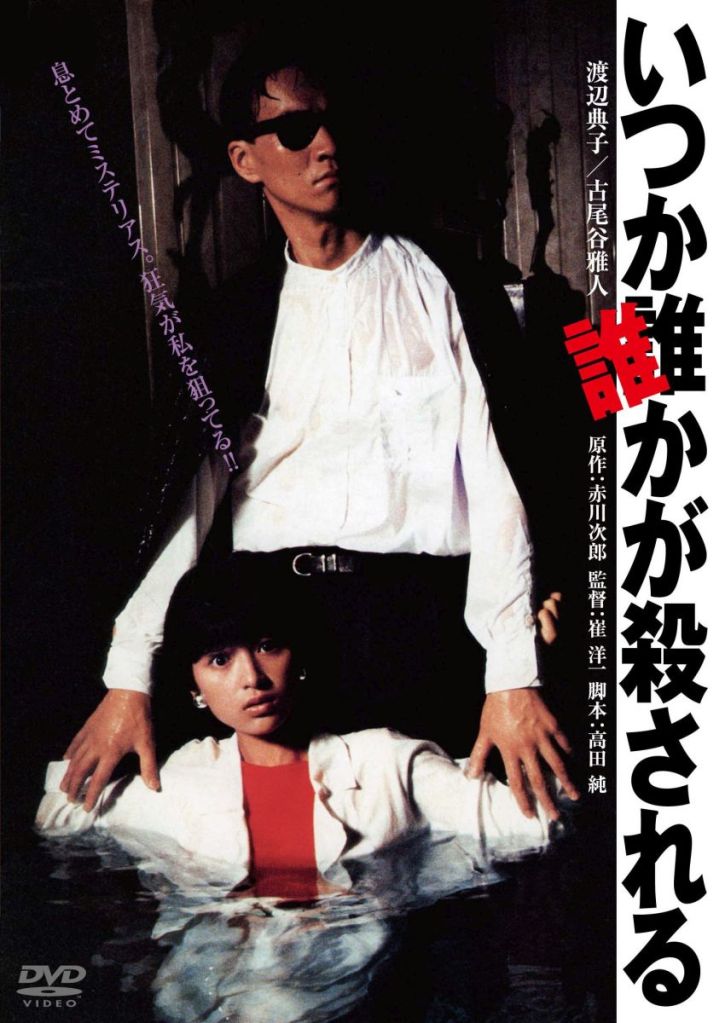 Haruki Kadokawa dominated much of mainstream 1980s cinema with his all encompassing media empire perpetuated by a constant cycle of movies, books, and songs all used to sell the other. 1984’s Someday, Someone Will be Killed (いつか誰かが殺される, Itsuka Dareka ga Korosareru) is another in this familiar pattern adapting the Kadokawa teen novel by Jiro Akagawa and starring lesser idol Noriko Watanabe in one of her rare leading performances in which she also sings the similarly titled theme song. The third film from Korean/Japanese director Yoichi Sai, Someday, Someone Will be Killed is an impressive mix of everything which makes the world Kadokawa idol movies so enticing as the heroine finds herself unexpectedly at the centre of an ongoing international conspiracy protected only by a selection of underground drop outs but faces her adversity with typical perkiness and determination safe in the knowledge that nothing really all that bad is going to happen.
 Raymond Yip Wai-man’s Cook up a Storm (决战食神, Juézhàn Shíshén) was scheduled to open at Chinese New Year but eventually found itself delayed and awkwardly repositioned as a Valentine’s Day date movie. Something of a rarity, there is no real romance in Cook up a Storm though it may inspire a post-movie visit to the nearest Chinese restaurant with its deeply felt tribute to classic Chinese cuisine and the raucous social gathering that often goes with it. Yip does his best to throw in as many themes as possible from the familiar tradition vs modernity to fathers and sons and the undue influence to China’s new ruling class who possess extreme wealth but (apparently) no taste. Most of these get somewhat lost in the meandering script which eventually falls into a conventional tournament narrative as two very different chefs face off in the kitchen before realising they have more in common than not.
 There are two kinds of people in the world, those who swing and those who…don’t – a metaphor which works just as well for baseball and, by implication, facing life’s challenges as it does for music. Shinobu Yaguchi returns after 2001’s
  Japan has really taken the underdog triumphs genre of sports comedy to its heart but there can be few better examples than Shinobu Yaguchi’s 2001 teenage boys x synchronised swimming drama Waterboys (ウォーターボーイズ). Where the conventional sports movie may rely on the idea of individual triumph(s), Waterboys, like many similarly themed Japanese movies, has group unity at its core as our group of disparate and previously downtrodden high school boys must find their common rhythm in order to truly be themselves. Setting high school antics to one side and attempting to subvert the normal formula as much as possible, Yaguchi presents a celebration of acceptance and assimilation as difference is never elided but allowed to add to a growing harmony as the boys discover all new sides of themselves in their quest for water borne success.
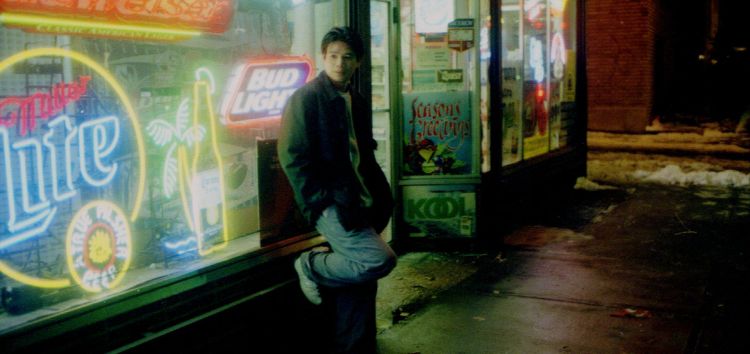 Lav Diaz’s auteurist break through, Batang West Side is among his more accessible efforts despite its daunting (if “concise” by later standards) five hour running time. Ostensibly moving away from the director’s beloved Philippines, this noir inflected tale apes a police procedural as New Jersey based Filipino cop Mijares (Joel Torre) investigates the murder of a young countryman but is forced to face his own darkness in the process. Diaspora, homeland and nationhood fight it out among those who’ve sought brighter futures overseas but for this collection of young Filipinos abroad all they’ve found is more of home, pursued by ghosts which can never be outrun. These young people muse on ways to save the Philippines even as they’ve seemingly abandoned it but for the central pair of lost souls at its centre, a young one and an old one, abandonment is the wound which can never be healed.
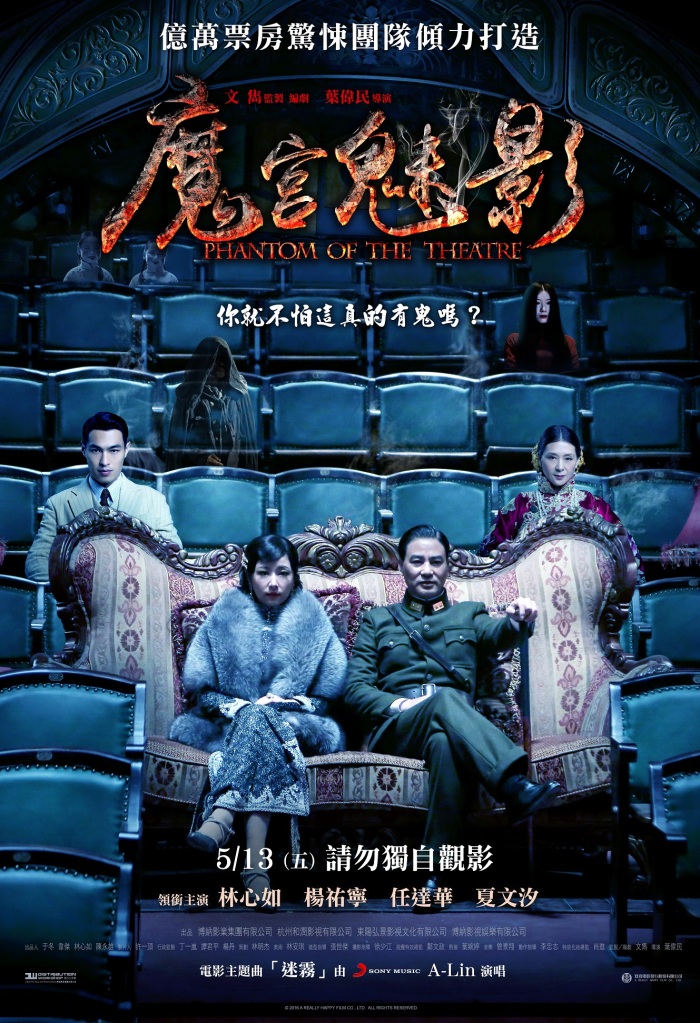 No ghosts! That’s one of the big rules when it comes to the Chinese censors, but then these “ghosts” are not quite what they seem and belong to the pre-communist era when the people were far less enlightened than they are now. One of the few directors brave enough to tackle horror in China, Raymond Yip Wai-man goes for the gothic in this Phantom of the Opera inspired tale of love and the supernatural set in bohemian ‘30s Shanghai, Phantom of the Theatre (魔宫魅影, Mó Gōng Mèi Yǐng). As expected, the thrills and chills remain mild as the ghostly threat edges closer to its true role as metaphor in a revenge tale that is in perfect keeping with the melodrama inherent in the genre, but the full force of its tragic inevitability gets lost in the miasma of awkward CGI and theatrical artifice.
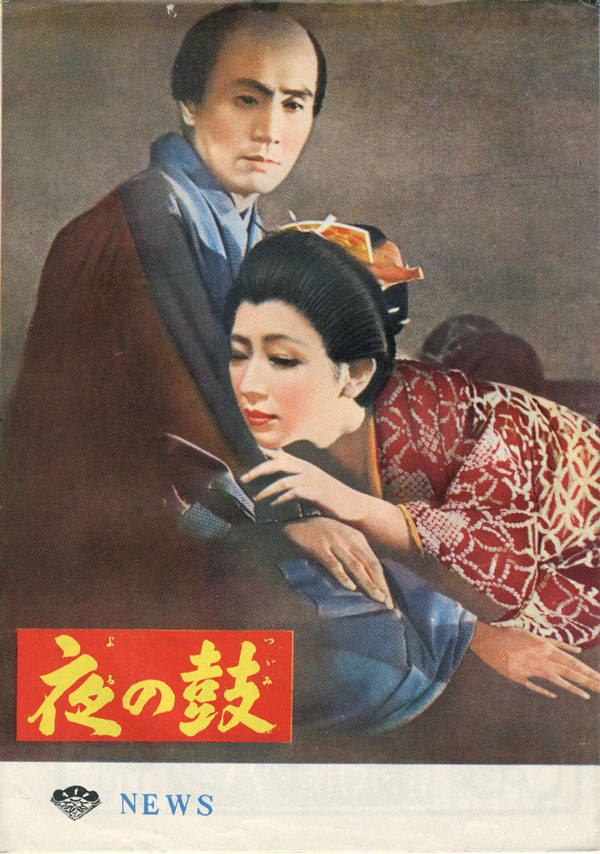
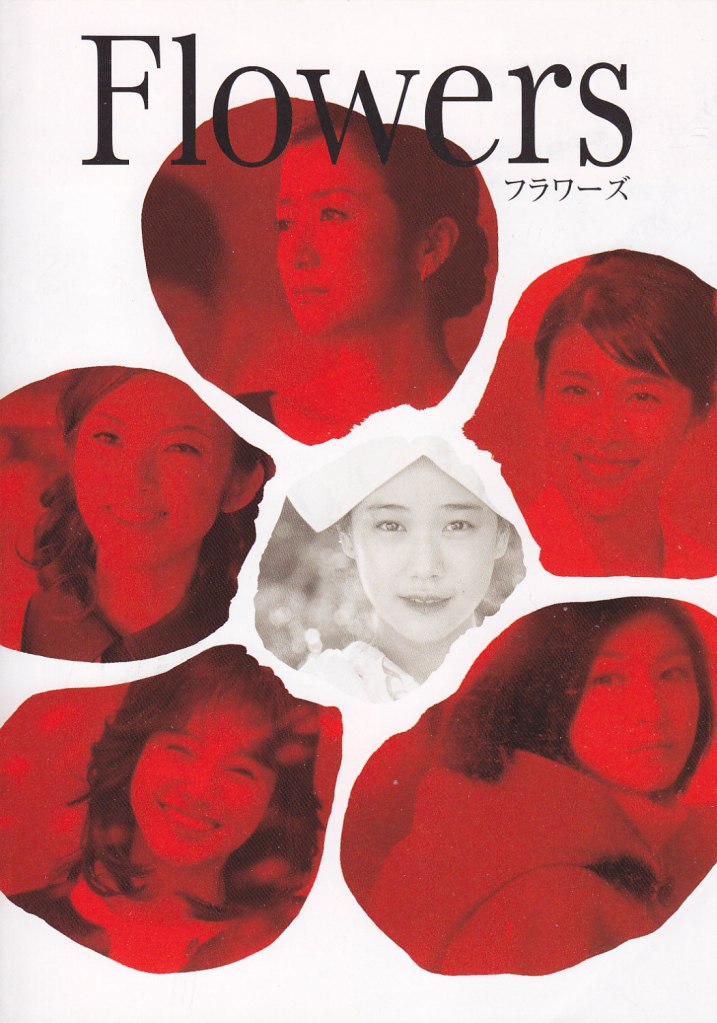 The rate of social change in the second half of the twentieth century was extreme throughout much of the world, but given that Japan had only emerged from centuries of isolation a hundred years before it’s almost as if they were riding their own bullet train into the future. Norihiro Koizumi’s Flowers (フラワーズ) attempts to chart these momentous times through examining the lives of three generations of women, from 1936 to 2009, or through Showa to Heisei, as the choices and responsibilities open to each of them grow and change with new freedoms offered in the post-war world. Or, at least, up to a point.
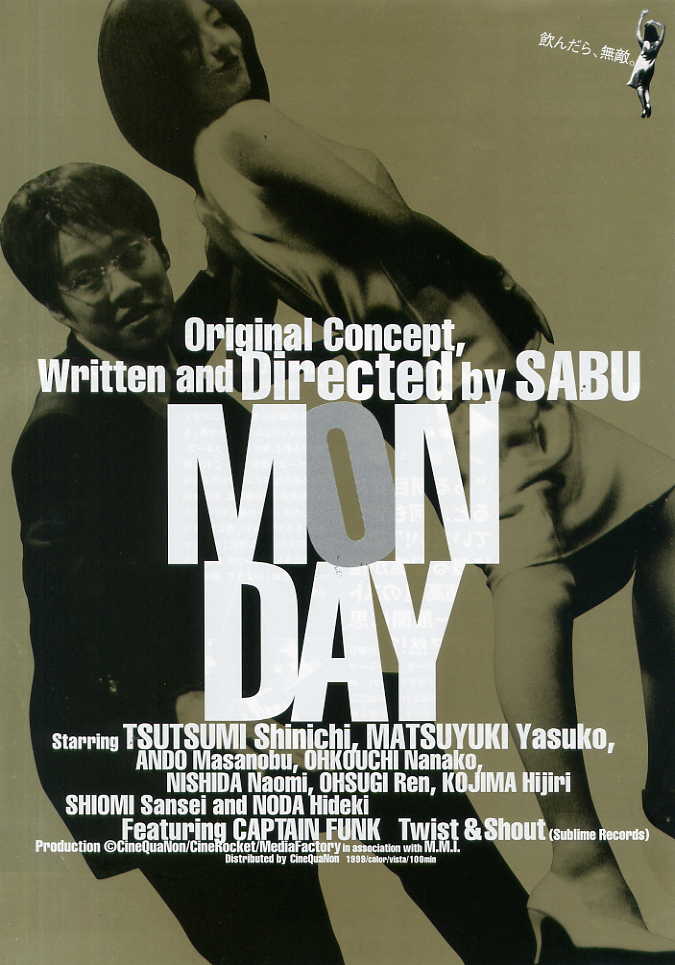 Waking up in an unfamiliar hotel room can be a traumatic and confusing experience. The hero of SABU’s madcap amnesia sit in odyssey finds himself in just this position though he is, at least, fully clothed even if trying to think through the fog of a particularly opaque booze cloud. Monday (マンデイ) is film about Saturday night, not just literally but mentally – about a man meeting his internal Saturday night in which he suddenly lets loose with all that built up tension in an unexpected, and very unwelcome, way.
 Windows on Worlds