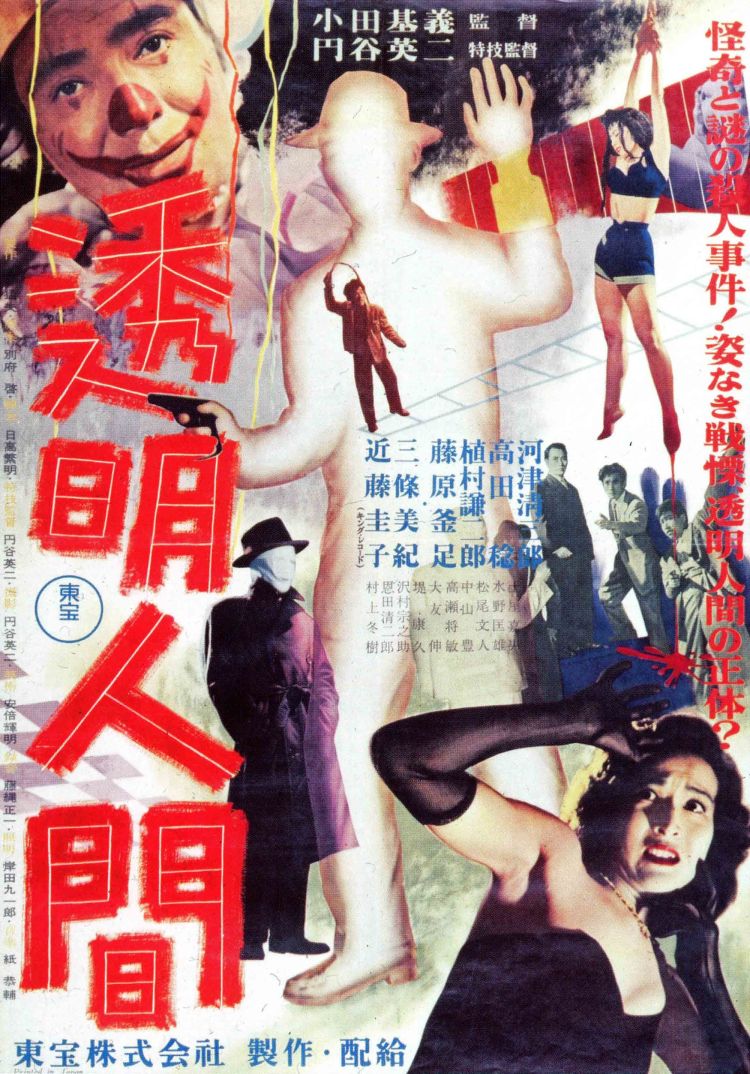
 The Invisible Man is a frightening presence precisely because he isn’t there. The living manifestation of the fear of the unknown, he stalks and spies, lurking in our imaginations instilling terror of evil deeds we are powerless to stop. Daiei made Japan’s first Invisible Man movie back in 1949 – a fun crime romp with the underlying message that scientific research is important but not as important as ensuring knowledge is placed in the right hands. Toho brought Eiji Tsuburaya back for another go at the same material in 1954 as part of their burgeoning tokusaku industry fathered by Godzilla. The 1954 Invisible Man (透明人間, Toumei Ningen), directed by Motoyoshi Oda, is once again a criticism of Japan’s wartime past but also perhaps of its future. This Invisible Man is an invisible hero but one whose heroism is only recognised once the mask is removed.
Opening in grand style, the film gets off to a mysterious start when a speeding car hits “something” in the road. The “something” turns out to be a previously invisible man whose appearance is returned to him as blood leaks out from under the now stopped car. In his pocket, the man has a suicide note explaining that living life invisible is just too depressing and he can’t go on. Seeing as the note is addressed to a “friend” who is also apparently an Invisible Man that means there are more out there. Despite there being no real threat involved in any of this, the newscasters are alarmed and the public frightened.
This is quite useful for some – a shady gang quickly starts putting on Invisible Man suits including wrapping their heads in bandages just like in the movies, and robbing banks. Admittedly this makes no practical sense but adds to the ongoing fear of an “invisible” threat. An intrepid reporter, Komatsu (Yoshio Tsuchiya), links the crimes to a nightclub where the head of the gang is also trying to pressure the headline star, Michiyo (Miki Sanjo), into a career as a drug mule. Besides violence, their leverage is the little girl who lives across from Michiyo and is blind – the money they would be paying her could also be used to pay for the girl’s eye surgery. Mariko is waiting patiently for her grandfather to make the money, unaware that he has also fallen under the spell of the criminal gang.
The real “Invisible Man” is doing a good job of hiding in plain sight by proudly standing out in a traditional clown outfit complete with makeup and a fluffy nose. Nanjo (Seizaburo Kawazu) works as a promoter for the club and is also good friends with little Mariko who is unable to see him either with or without his clown suit. Unlike other Invisible Men, Nanjo is good and kind – the curse of his condition has not ruined soul.
He is, however, afraid of being exposed. Aside from social ostracism (perhaps someone who wears a clown suit 24/7 isn’t particularly bothered about that), Nanjo fears what his government would do to him if they discovered he was still alive. Like his friend who later committed suicide, Nanjo was a member of an experimental army squad recruited towards the end of the war as Japan sought to create the ultimate warriors to turn the tide in the battle against the Americans. The Invisible Men were born but the war lost, and it was assumed that they had all fallen. Nanjo, surviving, has been abandoned by the land that he fought for. His existence is a secret, an embarrassing relic of Japan’s attempt at scientific warfare, and something which no one wants to deal with. Nando’s friend could no longer cope with his non-existence. Unable to return home, unable to work, unable to marry, there was no “visible” future which presented itself to him.
In this sense, Nanjo represents a point of view many might have identified with in 1954. These men fought and risked their lives for a god they now say is only a man, to come home to a land ruled by the “enemy” in which they can neither criticise the occupation or the former authorities. These men may well feel “invisible” in the new post-war order in which the younger generation are beginning to break free while they suffer the continuing effects of their wartime service even if not quite as literally as Nanjo.
Yet there’s a kind of internalised resentment within Nanjo who describes himself as a “monster created by militarism”. Disguising himself as a clown he attempts to live a “normal” life though one segregated from mainstream society. A half-hearted romance with club girl Michiyo and a well meaning paternalism for the orphaned little blind girl point to Nanjo’s altruistic heroism but also to a reluctance to fully engage with either of them due to a lingering sense of guilt and shame.
The Invisible Man is the hero here while the bad guys subvert and misuse his name to do their evil deeds, terrorising women and threatening to burn the city down rather than surrender to authority. Even more than others in Toho’s expanding universe of tokusatsu heroes, Invisible Man is a defence of the other as not only valid but morally good even in the face of extreme prejudice and violence. It is, however, also one of their less well considered efforts and Tsuburaya’s effects remain few and far between, rarely moving beyond his work on Daiei’s Invisible Man five years previously. Bulked out with musical numbers and dance sequences, Toho’s Invisible Man is a less satisfying affair than Daei’s puply sci-fi adventure but is nevertheless interesting in its defence of the sad clown who all alone has decided to shoulder the burdens of his world.
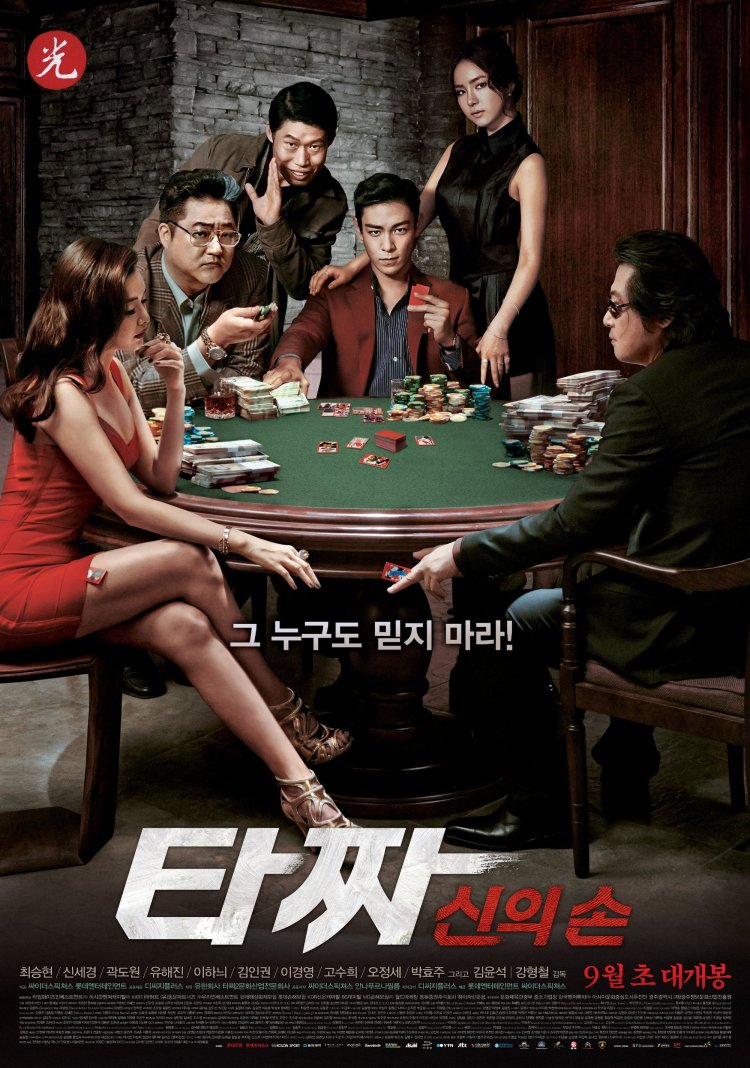 You gotta know how to hold ‘em, know when to fold ‘em, know when to walk away and know when to run. Apparently these rules of the table are just as important in the cutthroat world of the Korean card game Hwatu as they are in the rootinest tootinest saloon bar. Like most card games, having the winning hand is less important than the ability to play your opponent and so it’s more a question of who can cheat the best (without actually breaking the rules, or at least being caught doing so) than it is of skill or luck. A second generation sequel to 2006’s Tazza: The High Rollers, The Hidden Card (타짜-신의 손, Tajja: Shinui Son) is a slick, if overlong, journey into the dark, underground world of gambling addicted card players which turns out to be much more shady than the shiny suits and cheesy grins would suggest.
 Japan Foundation London is back with another early summer series of free film screenings and this time the focus is very much on food! Summer Explorers 3 takes place over two Saturdays – 15th and 22nd July, 2017, at the Prince Charles Cinema and BAFTA respectively. Tickets are free but you can only reserve seats at one film on each day (if you apply for more than one film you’ll be placed on the waiting list for your second choice). Full details on how to apply can be found on the
  Kazuhiro Soda’s documentary The Oyster Factory which examines a local oyster fishing community as it welcomes two workers from China.
 Co-written by Masahiro Shinoda, Masaki Hamamoto’s Akanezora – Beyond the Crimson Sky stars Masaaki Uchino as a tofu maker who travels from Kyoto to Edo, sets up a shop and marries a local girl.
 Inspired by Hiromu Arakawa’s popular manga, Silver Spoon is the story of city boy Yugo who enrols in an agricultural college in Hokkaido to get away from his overbearing parents.
 Yukiko Mishima’s Drop of the Grapevine is the second in the director’s Hokkaido series and stars Yo Oizumi and Shota Sometani as two farming brothers one of whom operates a vineyard while the other grows wheat to make bread.
 Despite the potential raciness of the title, The Liar and his Lover (カノジョは嘘を愛しすぎてる, Kanojo wa Uso wo Aishisugiteru) is another innocent tale of youthful romance adapted from a shojo manga by Kotomi Aoki. As is customary in the genre, the heroine is cute yet earnest, emotionally honest and fiercely clear cut whereas the hero is a broken hearted artist much in the need of the love of a good woman. Innocent and chaste as it all is, Liar also imports the worst aspects of shojo in its unseemly age gap romance between a 25 year old musician and the 16 year old high school girl he picks up on a whim and then apparently falls for precisely because of her uncomplicated goodness.
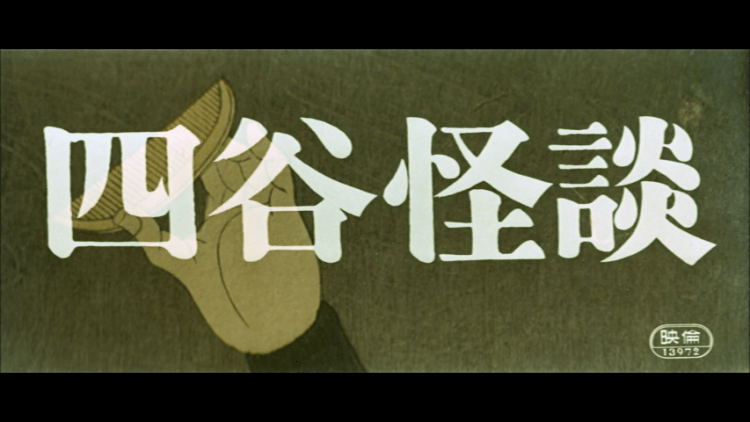 Shiro Toyoda, despite being among the most successful directors of Japan’s golden age, is also among the most neglected when it comes to overseas exposure. Best known for literary adaptations, Toyoda’s laid back lensing and elegant restraint have perhaps attracted less attention than some of his flashier contemporaries but he was often at his best in allowing his material to take centre stage. Though his trademark style might not necessarily lend itself well to horror, Toyoda had made other successful forays into the genre before being tasked with directing yet another take on the classic ghost story Yotsuya Kaidan (四谷怪談) but, hampered by poor production values and an overly simplistic script, Toyoda never succeeds in capturing the deep-seated dread which defines the tale of maddening ambition followed by ruinous guilt.
 Fresh from its Cannes premiere, Jung Byung-gil’s action thriller The Villainess will get its first UK screening at FrightFest 2017. The horror-centric film festival takes place at Cineworld Leicester Square and the Prince Charles Cinema in Central London across the August bank holiday from 24th to 28th August, 2017.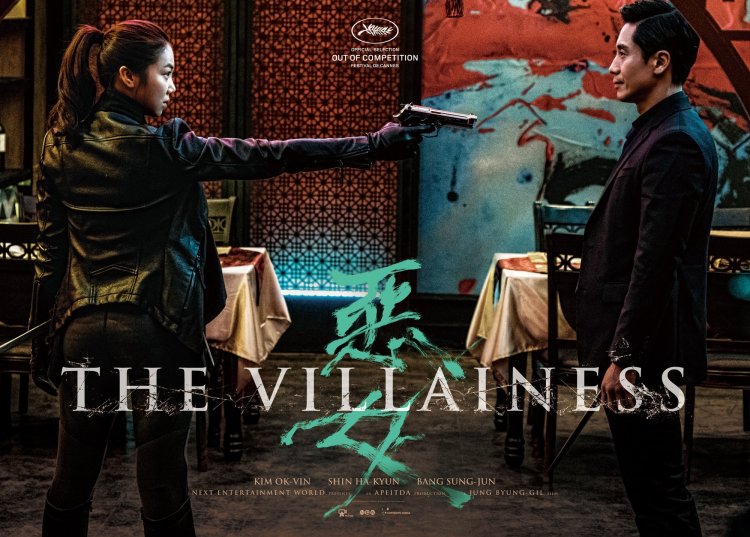
 Other East Asian offerings include a preview of the Japan produced TV series which originally ran on streaming service Hulu,
 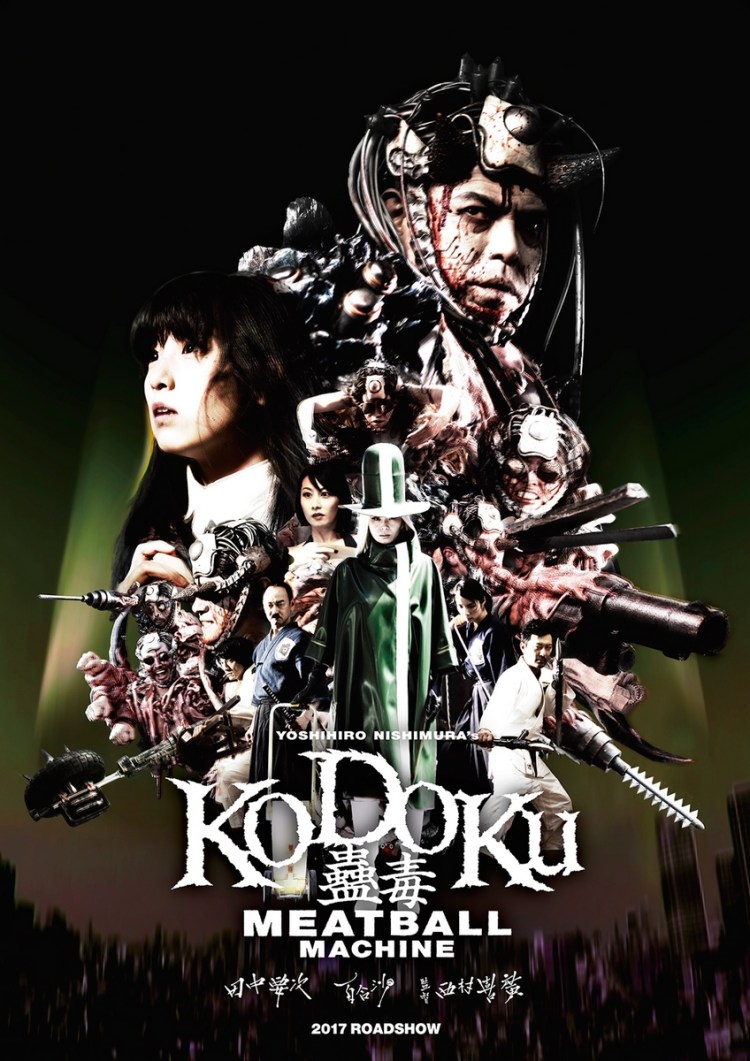 The final film on offer,
  When you spent your youth screaming phrases like “no future” and “fumigate the human race”, how are you supposed to go about being 50-something? A&R girl Kanna is about to find out in Kankuro Kudo’s generation gap comedy The Shonen Merikensack (少年メリケンサック) as she accidentally finds herself needing to sign a gang of ageing never were rockers. A nostalgia trip in more ways than one, Kudo is on a journey to find the true spirit of punk in a still conservative world.
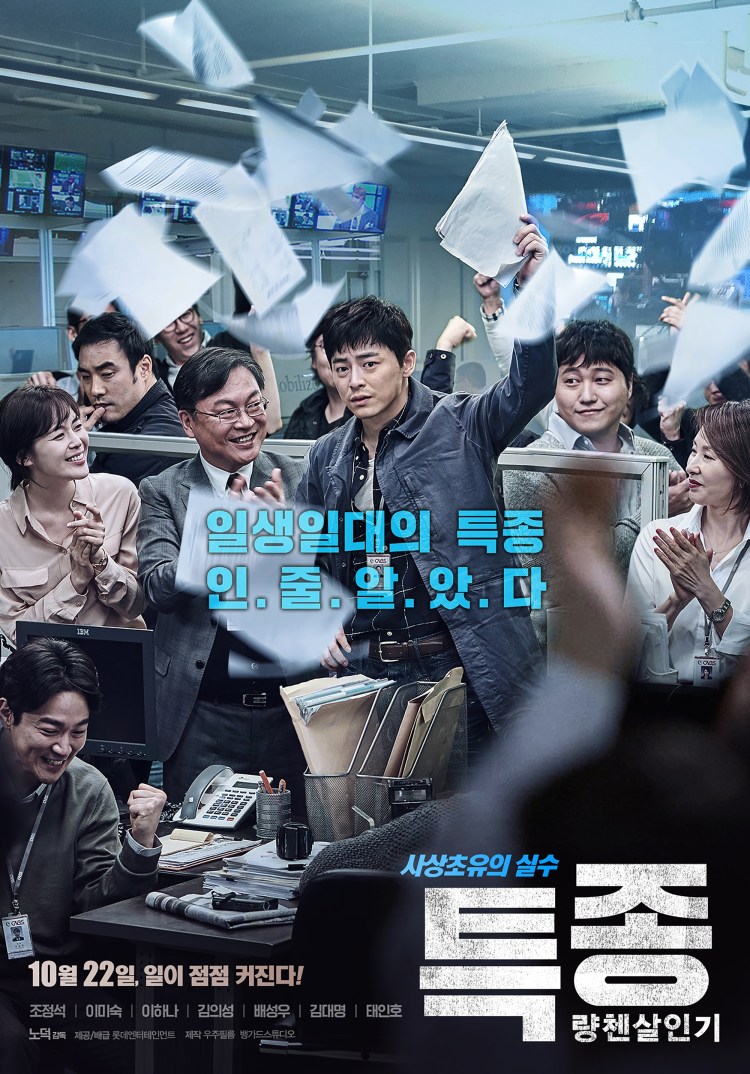 Some people just can’t keep themselves out of trouble. The down on his luck reporter at the centre of Roh Deok’s The Exclusive: Beat the Devil’s Tattoo (특종: 량첸살인기, Teukjong: Ryangchensalingi) is something of a trouble magnet as he makes mistake after mistake, requiring lie after lie to try and put him back on the straight and narrow. Unfortunately for him the deeper he gets the closer he turns out to be to the “real” truth. Only by that stage everyone has lost interest in “the truth” anyway – who cares about little things like facts against the overwhelming power of a constructed narrative.
 Japan’s political climate had become difficult by 1938 with militarism in full swing. Young men were disappearing from their villages and being shipped off to war, and growing economic strife also saw young women sold into prostitution by their families. Cinema needed to be escapist and aspirational but it also needed to reflect the values of the ruling regime. Adapted from a novel by Katsutaro Kawaguchi, Aizen Katsura (愛染かつら) is an attempt to marry both of these aims whilst staying within the realm of the traditional romantic melodrama. The values are modern and even progressive, to a point, but most importantly they imply that there is always room for hope and that happy endings are always possible.
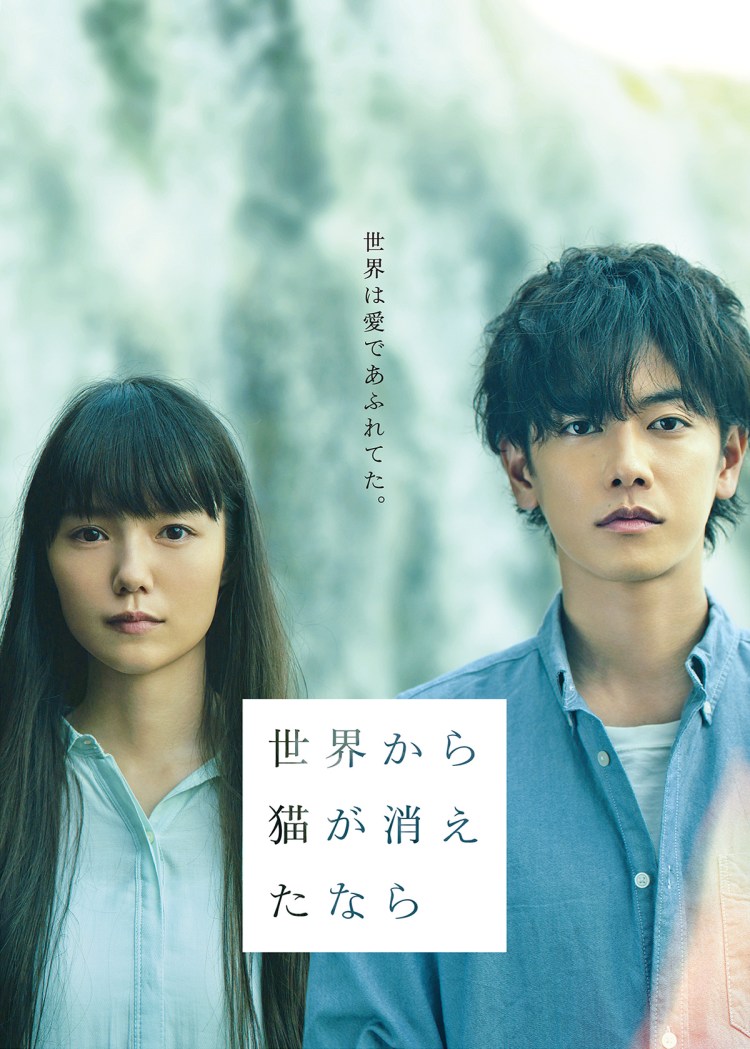 What would you give to live another day? What did you give to live this day? What did you take? Adapting the novel by Genki Kawamura, Akira Nagai takes a step back from the broad comedy of
