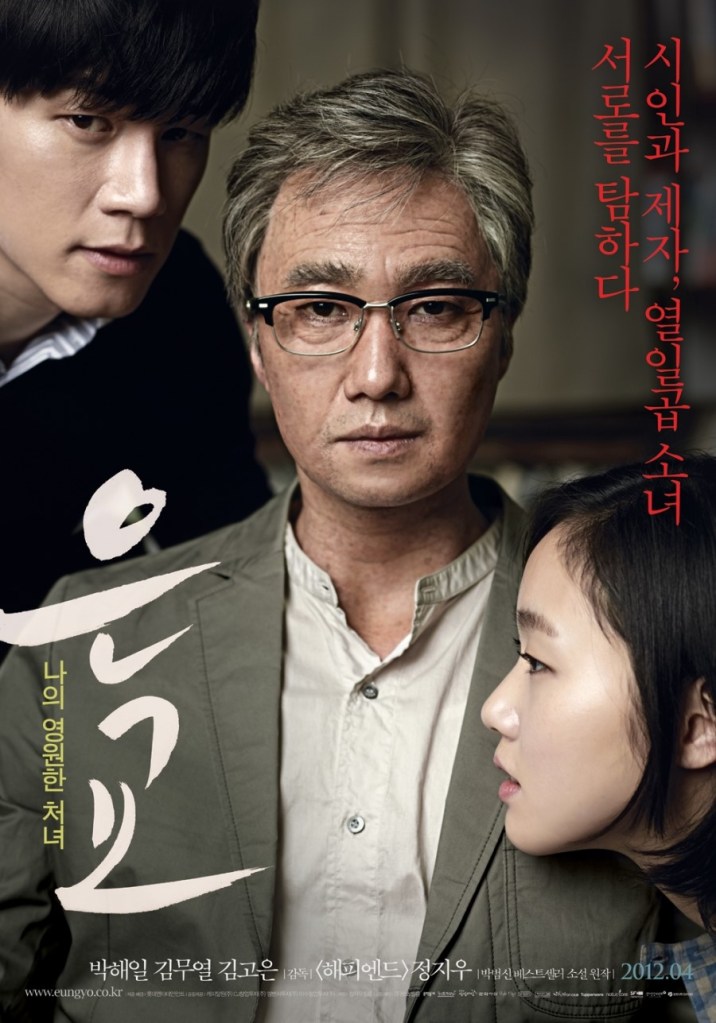
 Stories of old men trying to recapture their lost youth through projecting their fantasies onto pretty young women are not exactly rare and the protagonist of Jung Ji-woo’s Eungyo ( AKA A Muse, 은교) is just as aware as most that his dreams of youthful romance border on the ridiculous. A tale of loss, nostalgia, and jealousy both professional and personal, Eungyo is a poetic exploration of the burdens and benefits of age which are often invisible to those who can only look forwards.
At 70, Lee Jeok-yo (Park Hae-il) is a respected professor and literary giant who lives a quiet and solitary life in an out of the way villa. His only companion is his apprentice-cum-assistant, Seo Ji-woo (Kim Moo-yul), who is currently experiencing a period of success as his genre crossing novel Heart is topping the best seller list. When the pair return home one day to find pretty teenager Eungyo (Kim Go-eun) asleep in their garden chair, it sparks off a three way relationship which sees her working as part-time housekeeper for Jeok-yo.
Eungyo is a lively young girl and brings a little light and laughter into the otherwise stuffy villa but when she runs away from home one stormy night and stays over, the situation changes. Catching sight of Eungyo emerging from Jeok-yo’s bed, Seo jumps to the obvious conclusion and is filled with moral outrage in thinking his aged boss is conducting an inappropriate relationship with a schoolgirl. Or, perhaps, Seo himself is attracted to the girl and is angry that Jeok-yo has once again “beaten” him and proved himself superior on the fields of both literature and romance. Eungyo’s presence deepens the divide between master and pupil, threatening to change both of their lives forever.
Jeok-yo is under no illusions and never contemplates the idea of real relationship with Eungyo. His life had been a quiet and solitary one, though there’s little indication exactly how he felt about that. What is clear is that Jeok-yo dislikes his ageing body and the loss of his youth. In his fantasy romance, Jeok-yo is young, running and playing like a naive teenager in love but as soon as he wakes up the spell is broken, he’s old again and the idyllic world he’d conjured for himself no longer exists.
Even if he dreams another world for himself, Jeok-yo is perfectly aware of how things are in this one. Ji-woo, by contrast, attempts to solve all his problems by deluding himself into believing his future is brighter than it really is. His professional relationship with Jeok-yo turns out to have an unexpected dimension and Ji-woo’s literary success is a hollow pillow for his self esteem. Insecure about his talent, especially in comparison to his mentor, Ji-woo sets about casting himself as morally superior through his objection to Eungyo’s new role in their lives but this too is a thinly veiled way of trying to eclipse his master. All Ji-woo has to offer is his youth but even this cannot heal his loneliness and lack of self worth.
Eungyo becomes a symbol of something else for both men but she is also a young woman with a number of problems of her own. Faced with an apparently difficult home environment, Eungyo is seeking a connection from these two men but her borderline status as an adolescent girl means that the water is always coloured with both men viewing her as a potential lover rather than a child in need of shelter. Coming to admire Jeok-yo for his poetic soul and literary talent and siding with him against Ji-woo, Eungyo later makes a self destructive decision which ends her relationship with both men.
There are no happy endings here, even if the idea of a “happy ending” is not quite as ironic as in Jung’s previous film centring on marital infidelity, Happy End. Nobody gets what they wanted or what the audience wanted for them and each end up unable to come back from the whirlwind of self destruction which they’ve each helped to generate. A nuanced character piece in which age competes with youth, loss competes with gain, success competes with personal fulfilment, and true feeling is sacrificed for a relief from loneliness, Eungyo is deceptively named not for the young woman at its centre but for the collection of hopes, dreams and aspects of self which each of the men have imbued her with, eclipsing the real woman with an imagined prize and losing her in the process.
International trailer (English subtitles)
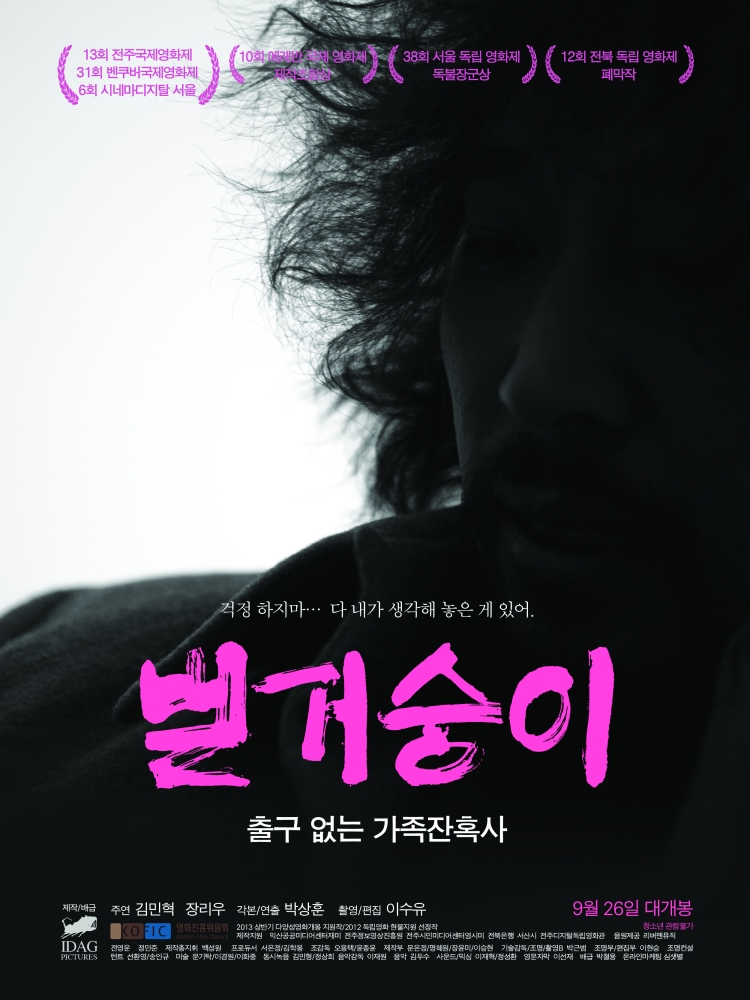 Anyone who follows Korean cinema will have noticed that Korean films often have a much bleaker point of view than those of other countries. Nevertheless it would be difficult to find one quite as unrelentingly dismal as A Mere Life (벌거숭이, Beolgeosungi). Encompassing all of human misery from the false support of family, marital discord, money worries, and the heartlessness of con men, A Mere Life throws just about everything it can at its everyman protagonist who finds himself trapped in a well of despair that not even death can save him from.
 Review of Byun Young-joo’s Helpless (화차, Hwacha) first published by
 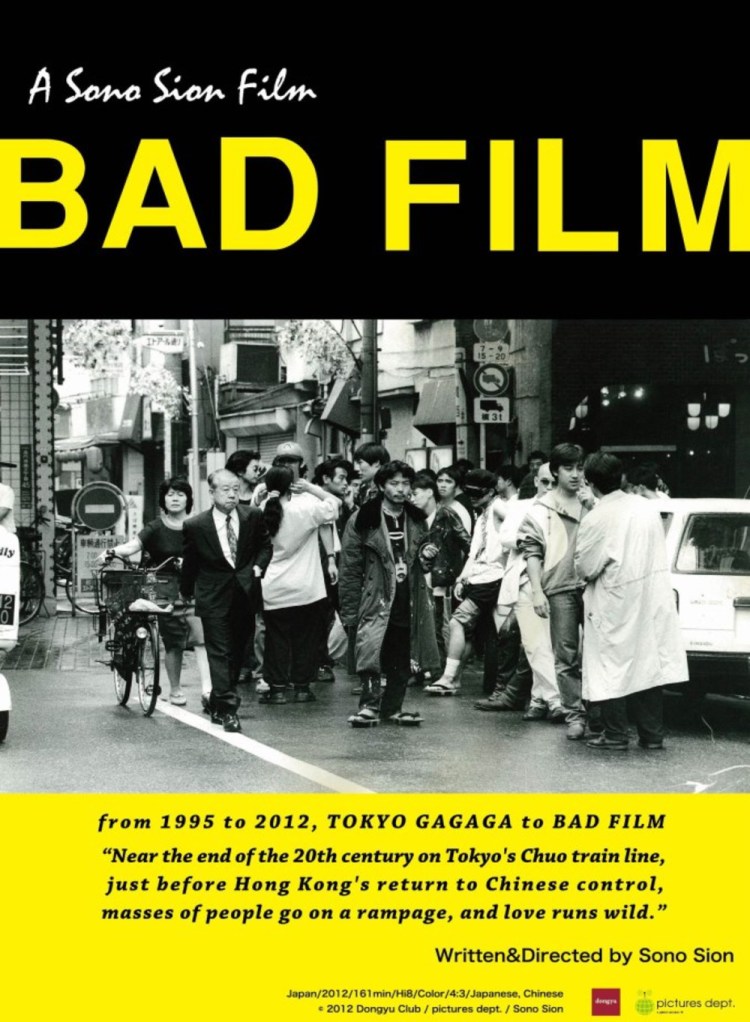 The recently prolific Sion Sono actually has a more sporadic film career dating back to the early 1980s though most would judge his real breakthrough to 2001’s Suicide Club. Back in the ‘90s Sono was most active as the leader of anarchic performance art troupe Tokyo Gagaga. Taking inspiration from the avant-garde theatre scene of the 1960s, Tokyo Gagaga took to the streets for flag waving protests and impressive, guerrilla stunts. Bad Film is the result of one of their projects – shot intermittently over a year using the then newly accessible Hi8 video rather the traditionally underground 8 or 16mm, Bad Film is near future set street story centring on gang warfare between the Chinese community and xenophobic Japanese petty gangsters with a side line in shifiting sexual politics.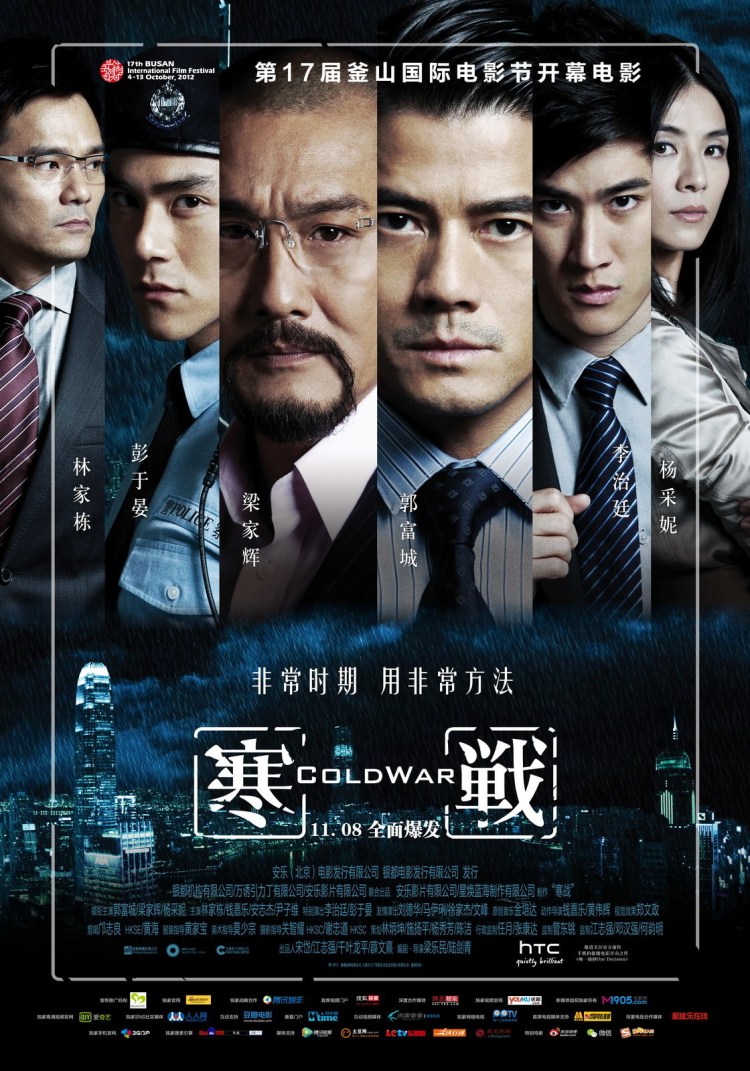
 Yusuke Iseya is a rather unusual presence in the Japanese movie scene. After studying filmmaking in New York and finishing a Master’s in Fine Arts in Tokyo, he first worked as model before breaking into the acting world with several high profile roles for internationally renowned auteur Hirokazu Koreeda. Since then he’s gone on to work with many of Japan’s most prominent directors before making his own directorial debut with 2002’s Kakuto. Fish on Land (セイジ -陸の魚-, Seiji – Riku no Sakana), his second feature, is a more wistful effort which belongs to the cinema of memory as an older man looks back on a youthful summer which he claimed to have forgotten yet obviously left quite a deep mark on his still adolescent soul.
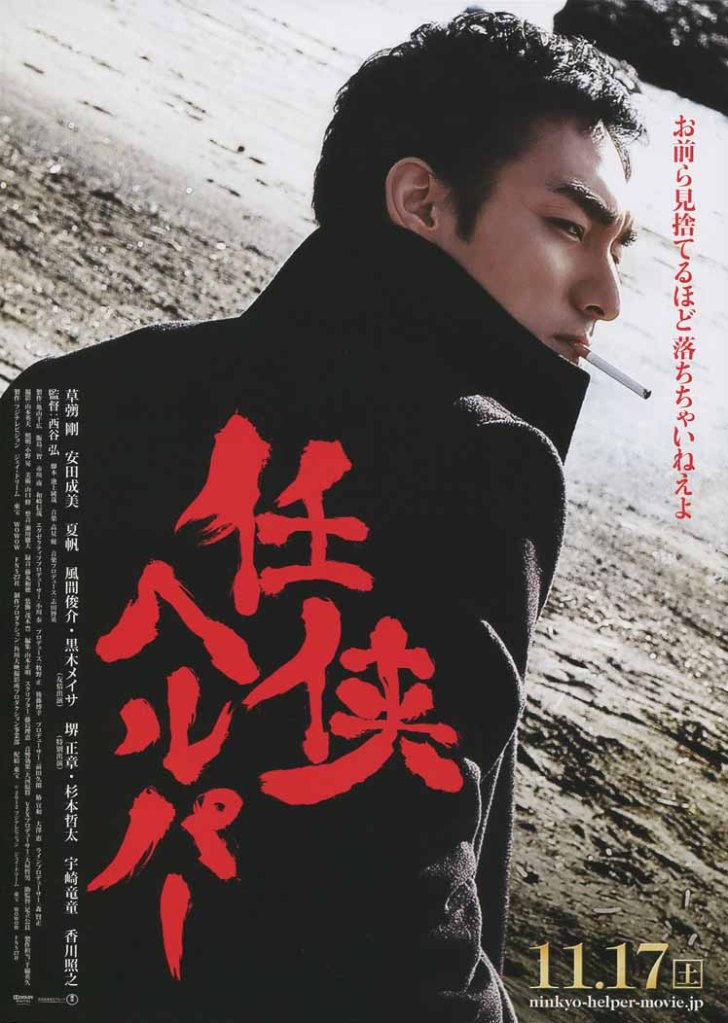 In old yakuza lore, the “ninkyo” way, the outlaw stands as guardian to the people. Defend the weak, crush the strong. Of course, these are just words and in truth most yakuza’s aims are focussed in quite a different direction and no longer extend to protecting the peasantry from bandits or overbearing feudal lords (quite the reverse, in fact). However, some idealistic young men nevertheless end up joining the yakuza ranks in the mistaken belief that they’re somehow going to be able to help people, however wrongheaded and naive that might be.
 As you read the words “adapted from the novel by Kanae Minato” you know that however cute and cuddly the blurb on the back may make it sound, there will be pain and suffering at its foundation. So it is with A Chorus of Angels (北のカナリアたち, Kita no Kanariatachi) which sells itself as a kind of mini-take on Twenty-Four Eyes (“Twelve Eyes” – if you will) as a middle aged former school mistress meets up with her six former charges only to discover that her own actions have cast an irrevocable shadow over the very sunlight she was determined to shine on their otherwise troubled young lives.
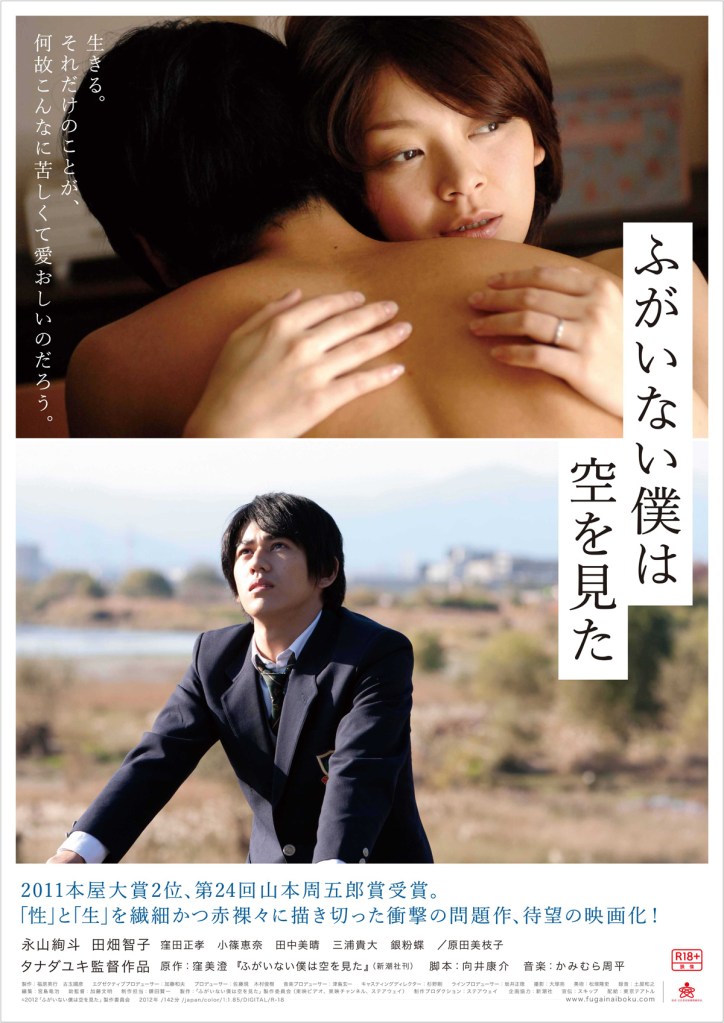 The work of director Yuki Tanada has had a predominant focus on the stories of independent young women but The Cowards Who Looked to the Sky sees her shift focus slightly as the troubled relationship between a middle aged housewife who escapes her humdrum life through cosplay and an ordinary high school boy takes centre stage. Based on the novel of the same name by Misumi Kubo, The Cowards Who Looked to the Sky (ふがいない僕は空を見た, Fugainai Boku wa Sora wo Mita) also tackles the difficult themes of social stigma, the power of rumour, teenage poverty, elder care, childbirth and even pedophilia which is, to be frank, a little too much to be going on with.
