A Bad Summer (悪い夏, Hideo Jojo, 2025)

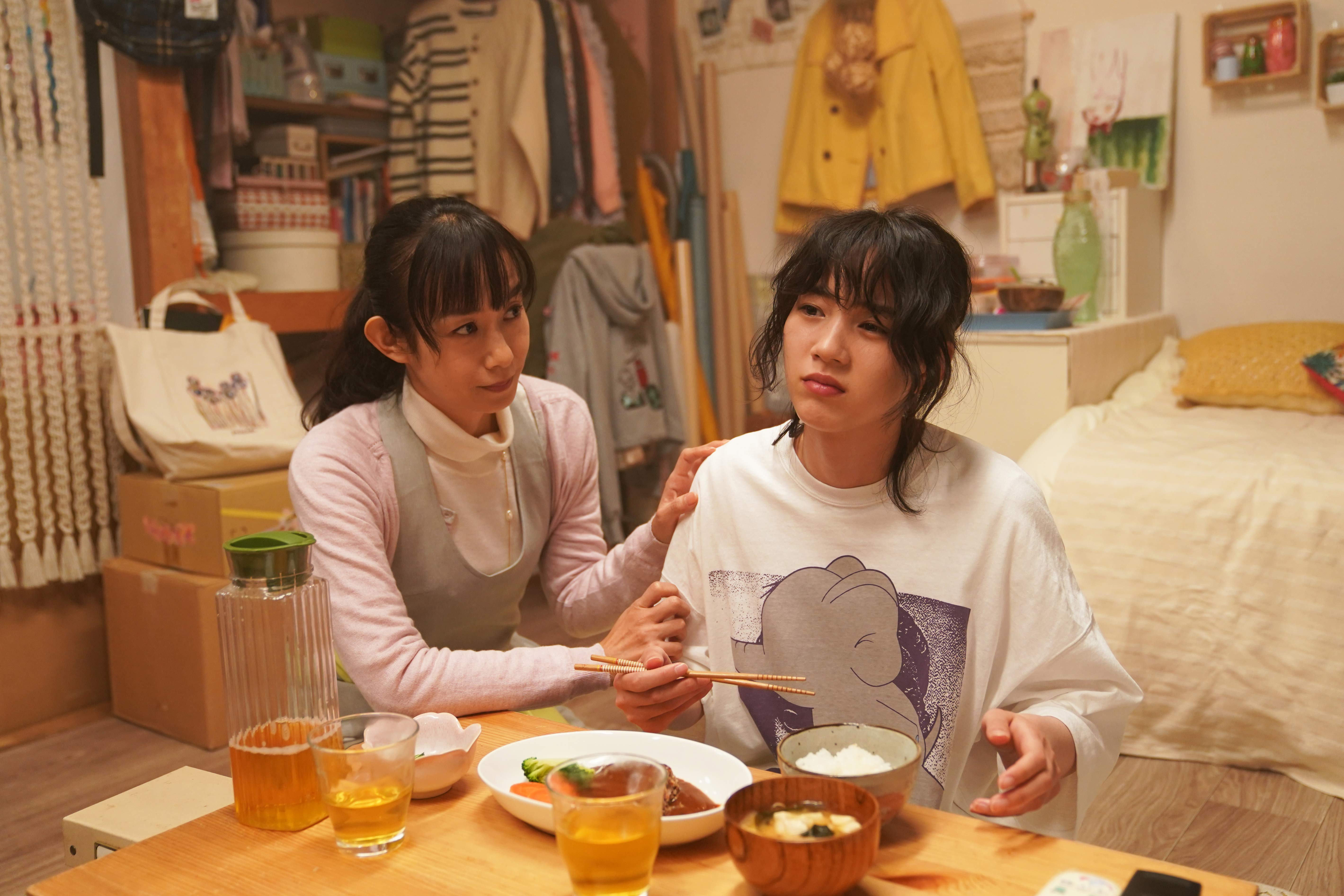
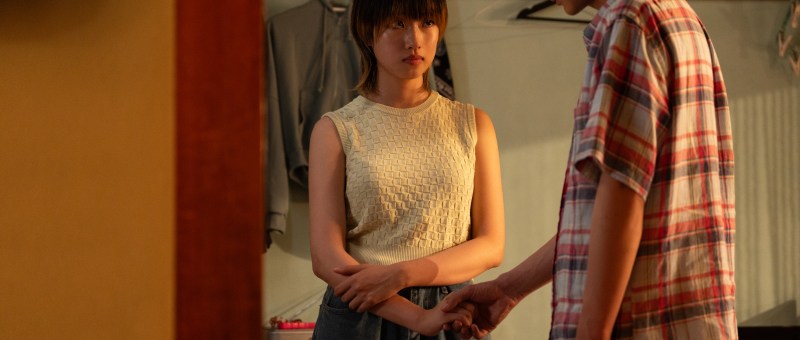
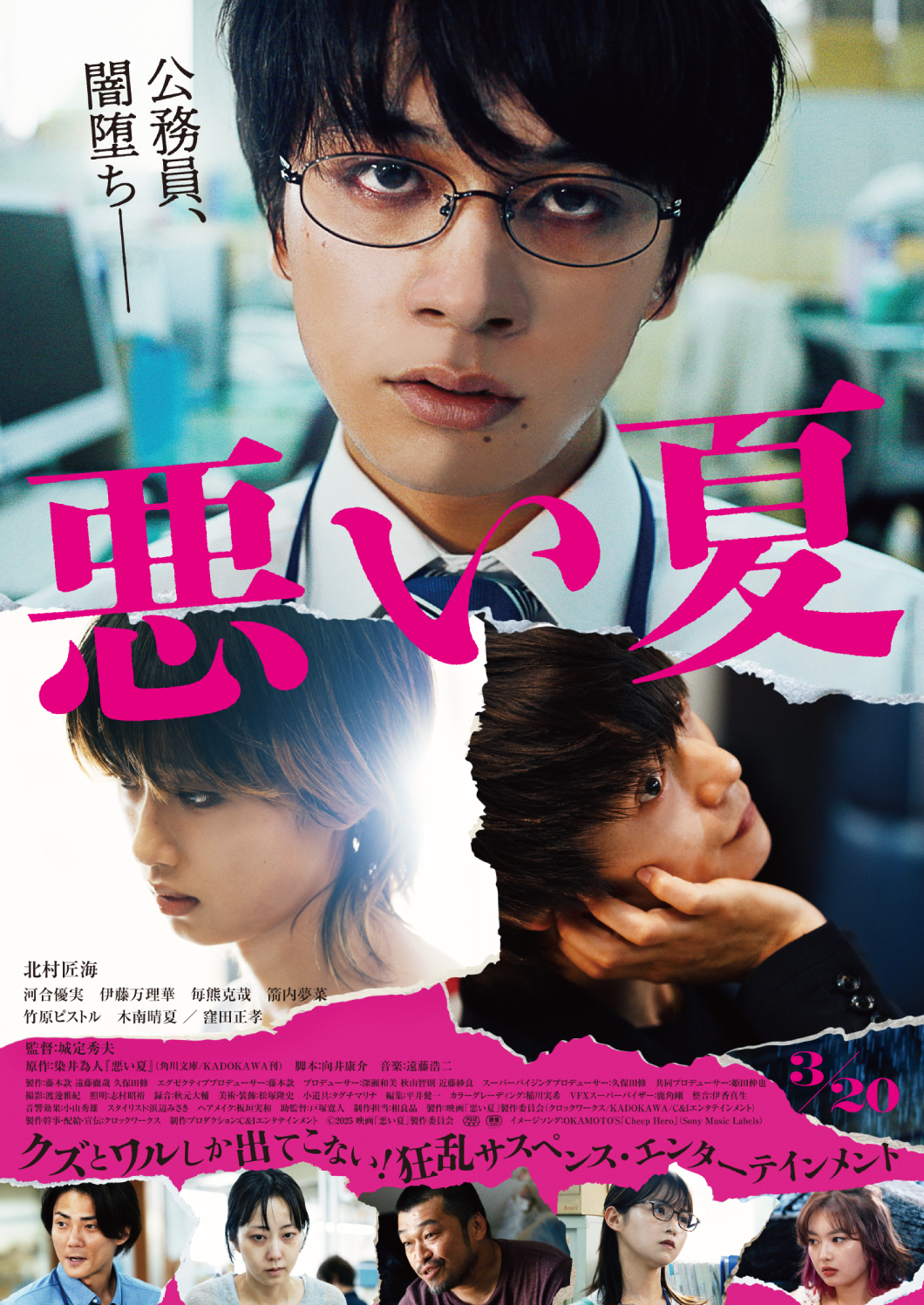
A well-meaning social worker finds himself dragged into an exploitative yakuza scam after trying to expose a colleague’s misconduct in Hideo Jojo’s adaptation of the novel by Somei Tamehito, A Bad Summer (悪い夏, Warui Natsu). Sasaki’s (Takumi Kitamura) colleagues are beginning to doubt he has what it takes for the job primarily because he is “too nice” and has trouble dealing with those who, to his superiors at least, are obviously misusing the system to claim benefits they aren’t entitled to. According to his hard-nosed colleague Miyata (Marika Ito), social welfare exists for those who find themselves “unavoidably” thrown into dire living conditions, which necessarily implies a degree of moral judgement on her part, while Sasaki is it seems keener to give people the benefit of the doubt and wants to try to help them even if it turns out they have been defrauding him.

“We must survive as bulwarks against moral decay,” Miyata intones, somewhat ironically, while pointing out that people who misuse the system make everything more difficult for “honest” clients. Sasaki later asks what exactly her morality is, but all she says is that the rules are the rules and any breach of them should be punished. The real world, however, is rarely so black and white. The truth is that it’s become too difficult to survive in this capitalistic society and a regular job alone no longer pays enough to support a single person let alone a family. 

While Sasaki falls deeper into an abyss of exploitation, a widowed single mother struggles to find a job while caring for her son that will keep them fed and a roof over their head. A woman at the factory where she eventually finds employment tells her about the welfare system, but she says she feels bad about taking other people’s money. That she later succumbs to shoplifting out of desperation suggests it was more the shame, humiliation, and stigma that kept her from applying. When she does eventually ask for help, she finds Sasaki in a downward spiral shouting at her for being an irresponsible mother and emphasising that benefits are only for those who’ve exhausted all other options, which she of course has, but is still made to feel like criminal just for reaching out. Though she is a prime example of the people they exist to help, Sasaki turns his back on her with potentially tragic consequences.

Other people had suggested to the widow that she simply remarry, laying bare to the extent to which women are still expected to remain economically dependent on men even in the 21st century. Another single mother, 22-year-old Aimi (Yumi Kawai), was convinced to apply for benefits by her friend Rika (Yumena Yanai), a bar hostess in a similar situation, but is sexually exploited by her case worker Takano (Katsuya Maiguma) who threatens to expose that she’s been working more ours than permitted meaning her benefits would stop. It’s also Rika who convinces her to get her yakuza boyfriend Ryu (Masataka Kubota) involved to sort out Takano, but he has another clever plan to use Takano as part of a popular yakuza scam in which they round up homeless people who may not know the benefits system exists and get them to apply so they can take most of their money while housing them in shelters they own. The plan is foiled when Miyata claims to have received a tip-off about Tanako exploiting his clients and enlists Sasaki to help investigate.

Sasaki seems genuinely interested in Aimi’s welfare along with that of her five-year-old daughter Misora which makes him the target of a side scam being run by Yamada (Pistol Takehara), one of his own clients who’s been fraudulently claiming on the grounds of an old back injury. The tragic thing is that Aimi, who seems to have had a disordered childhood herself, positively responds to the compassionate care offered by Sasaki who drifts into a relationship with her that is romantic and borderline inappropriate, though he is not her social worker and hasn’t done anything wrong. Aimi begins to see a more settled, ordinary life for herself which is eventually disrupted by destructive force of yakuza violence as Ryu forces Sasaki to process claims for the homeless people he’s exploiting. 

The wretchedness of his situation begins to destroy Sasaki’s integrity, which was according to Miyata their only real weapon against those who cheat the system. Unable to tell whether Aimi’s feelings for him were ever genuine, something she isn’t entirely sure of either, he sinks into a moral abyss having become all too aware of the chain of exploitation which exists in the contemporary society. The farcical, expressionist conclusion may signify that even when you fight back, nothing really changes and the only people who lose out are the most vulnerable, but there does at least seem to be a better life in sight for Aimi and Misora having escaped at least of the forces which were constraining them.


A Bad Summer screens as part of this year’s Japan Foundation Touring Film Programme.
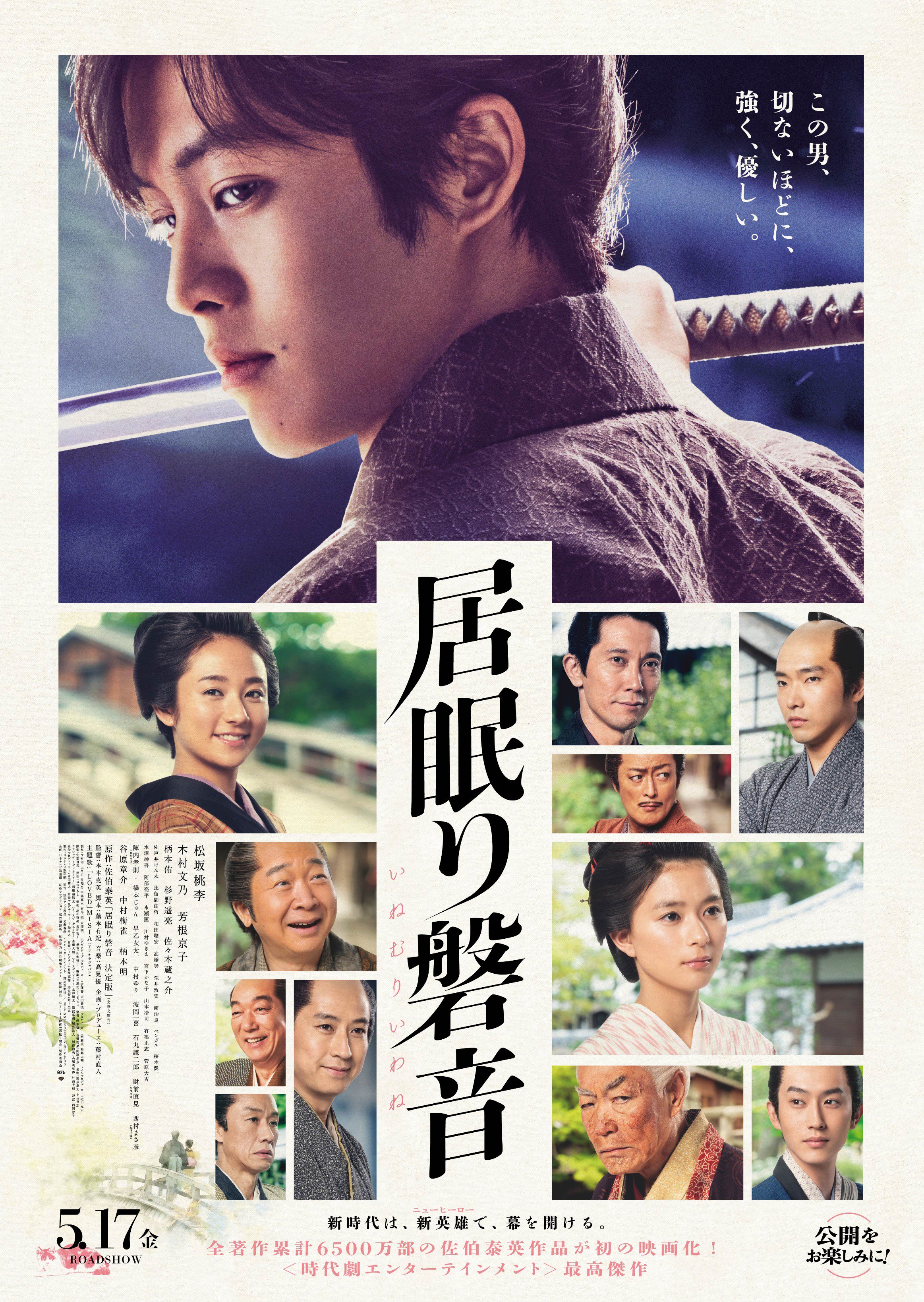
Iwane: Sword of Serenity (居眠り磐音, Katsuhide Motoki, 2019)

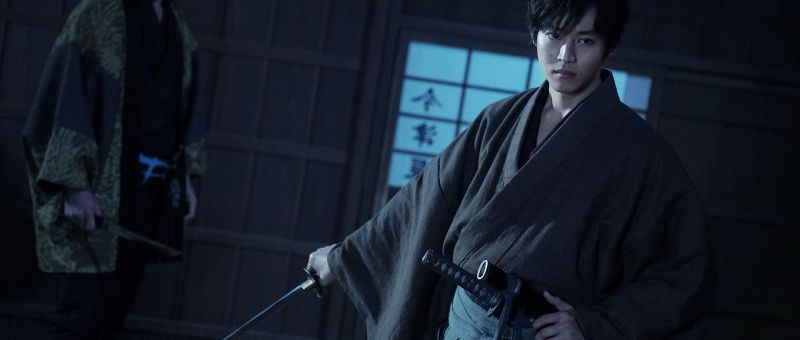
The contradictions of the samurai code conspire against one noble-hearted young man in Katsuhide Motoki’s adaptation of the long running series of historical novels by Saeki Yasuhide, Iwane: Sword of Serenity (居眠り磐音, Inemuri Iwane). Yet this truly serene samurai is a stoical sort, learning to bear his pain with fortitude while standing up for justice in an increasingly corrupt Edo where money rules all while an ascendent merchant class continues to challenge the fiercely hierarchical social order. 

Beginning in 1772 which turned out to be a disastrous year, the tale opens as hero Iwane (Tori Matsuzaka) prepares to return home after completing his three year rotation in Edo in the company of childhood friends Kinpei (Tasuku Emoto) and Shinnosuke (Yosuke Sugino). Shinnosuke is in fact married to Kinpei’s sister Mai, while Iwane will himself be married to Kinpei’s other sister Nao immediately on his return so close are they. As Iwane’s father tells him, there are great hopes for these young men that they can “turn our outdated clan around”, but events will conspire against them. Spoiling the happy homecoming, Shinnosuke is accosted by a drunken uncle who convinces him Mai has been unfaithful in his absence with the consequence that he kills her immediately on his return home. Unable to understand this turn of events, Kinpei confronts his friend but eventually kills him, while Iwane is then forced to kill Kinpei after he goes on murderous rampage in revenge for the wrong done to his sister. 

In trying to mediate the case, the argument is put forward that Shinnosuke acted rashly and should have brought his suspicion to the authorities rather than opting for summary execution. The lord however disagrees, condoning Shinnosuke’s actions under the rationale that to do so would have been considered “weak minded” while as Shinnosuke himself had claimed he acted in accordance with the samurai code in which female adultery is illegal and punishable by death. By contrast, he finds Kinpei’s rashness offensive, insisting that he also should have recognised the legitimacy of his sister’s murder and simply left quietly with her body. Having learned the truth in which his childhood friends became victims of clan intrigue, romantic jealousy, and tragic misunderstandings in this Othello-like plot, Shinnosuke and childhood sweetheart Nao are also consumed by the rashness of samurai law each exiled from their clan and cast adrift in Edo-era society. 

Edo-era society is however also itself corrupt. Some months later, Iwane has returned to Edo as a lowly ronin lodging with a kindly old man, Kinbei, who helps him find a job firstly gutting eel then as a bodyguard at a money exchange which has been receiving anonymous threats they assume are from rival broker Awaya who has hatched a nefarious plan to manipulate the currency market to stop the current Shogun introducing a new unit which can be used in both Edo and Kyoto which would understandably cut into his already corrupt business model. Luckily, Imazuya is an honourable man who backs the new currency plan and wants to do the right thing which makes him a perfect fit for Iwane’s innate sense of justice. “You don’t know the way of the merchant” Awaya snaps at him, suggesting both that the samurai are already on their way down as the merchants rise and that his unwillingness to play dirty will be his downfall. Nevertheless, Iwane is the type to adapt quickly, instantly coming up with a way to play Awaya at his own game and kick his destructive amoral capitalism to the curb. 

Meanwhile, he continues to pine for Nao while drawing closer to Kinbei’s earnest daughter Okon (Fumino Kimura). As we discover Nao is also a victim of an intensely patriarchal social order but through the tragedy that befalls them also finds strength and agency making a life changing decision that allows her to become independent while looking after her family if in the knowledge that the childhood romance she shared with Iwane is a thing of the past. Iwane too agrees that he is trapped in a living hell of guilt and grief, yet choosing to go on living anyway as calm and cheerful as he’d ever been while standing up to Edo-era corruption though uncomfortably enough this time against the destabilising influence of the rising merchant class and therefore in contrast to most jidaigeki reinforcing the legitimacy of the samurai order which has paradoxically also ruined his life with its rigid and implacable social codes. In any case, Motoki’s classic chanbara melodrama has a serenity of its own as the cheerfully laidback hero resolves to live his life by a code of his own free of samurai constraint. 


Trailer (no subtitles)

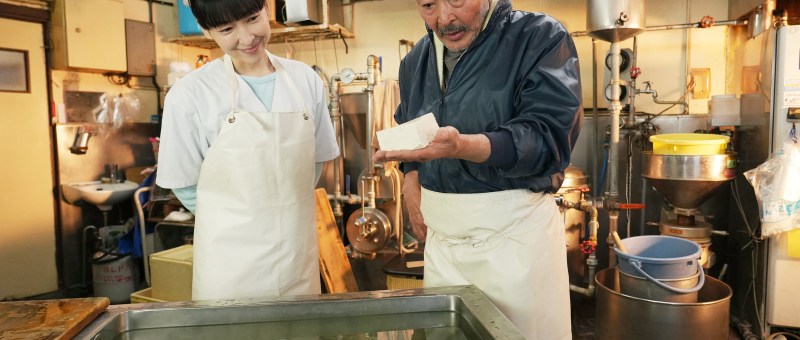
Takano Tofu (高野豆腐店の春, Mitsuhiro Mihara, 2023)

There’s an untranslated title card at the beginning of Mitushiro Mihara’s poignant dramedy Takano Tofu (高野豆腐店の春, Takano Tofu-ten no Haru) that describes the film as a story about the end of Heisei and it is in many ways about the end of an era, or perhaps of eras, but equally new beginnings and the eternal wellspring of life. With subtle hints of Ozu playing out as a kind of mashup of Late Autumn and Late Spring, it suggests that it’s never really too late to find happiness or to start something new even while preserving the best of the old. 

Harbingers of change are, however, lingering on the horizon as a customer to Takano Tofu remarks agreeing with daughter Haru (Kumiko Aso) that they need to innovate to stay in the game when the big new supermarket opens a few streets away. But change is not something father Tatsuo (Tatsuya Fuji) is keen on and especially when it comes to his tofu which is why he’s cancelled Haru’s popular new product of fried tofu and cheese despite its popularity and is also dead against her idea of expanding their network to sell in Tokyo.

There is something inherently comforting about the peacefulness of this quiet corner of Onomichi as Mihara captures it even if it also seems like a place out of time more Showa even than Heisei with its family businesses and old-fashioned shopping arcade. But equally there’s an underlying loneliness and answered longing along with a sense of lives disrupted by historical circumstance. Ironically enough, Tatsuo receives news from the hospital that one of the arteries to his heart is blocked requiring an operation to get everything working again and then immediately bumps into an old woman about his own age with whom he eventually bonds over the shared traumas of living in post-war Japan along with the lingering social stigma towards those affected by the dropping of the atomic bomb. We later learn that the failure of Haru’s marriage was in part caused by her father-in-law’s prejudice fearing her irradiated genes would contaminate his bloodline.

Then again, perhaps the pity expressed towards Fumie (Kumi Nakamura) as a woman who never married plays into outdated and sexist social attitudes that also lead Tatsuo and his friends to decide to find a mate for Haru given his sudden mortality crisis and fear that like Fumie she will be left alone when he eventually passes away. Of course, what it amounts to is a bunch of old men trying to decide who a middle-aged woman should marry while deliberately avoiding asking her if that’s even something she’s interested in. Having experienced marriage already perhaps she’s no desire to do so again and is perfectly happy the way things are. In any case she’s infinitely capable of finding a husband for herself if she wanted one. The prospective match they come up with for her is perfect on paper, youngish, handsome, wealthy and cultured, yet as it turns out what Haru might prefer is someone more ordinary, down to earth, and straightforward ironically enough just like tofu. 

As she later says, Tatsuo’s tofu has the flavour he gives it. Nicely textured, surprisingly soft on the inside, with a slight hint of astringency. There may be a minor pun involved in the Japanese title in that it can be read either as “Haru of Takano Tofu”, or as the meaning of her name implies “Spring at Takano Tofu” hinting both at a sense of transience and resurgence as Tatsuo takes in the cherry blossoms with Fumie and reflects on all they’ve experienced throughout the long years, the hardship and heartbreak of the post-war era. Yet as he says life is for living and it’s as much as you can hope for to look back and laugh at a life well lived. Maybe some things don’t need to change all that much, like carefully produced artisanal tofu as rich in soul as those who make it, but there’s always room for a little innovation and tiny chances for new happiness that could easily pass you by if you aren’t willing to take a risk or two and place a bet on change.


Takano Tofu screened as part of the 18th Season of Asian Pop-Up Cinema.

Original trailer (no subtitles)

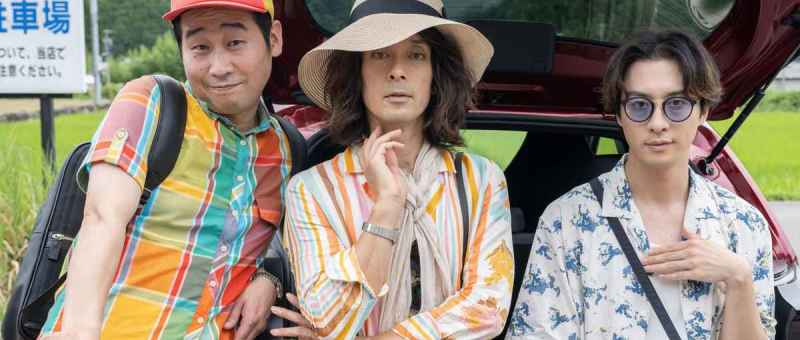
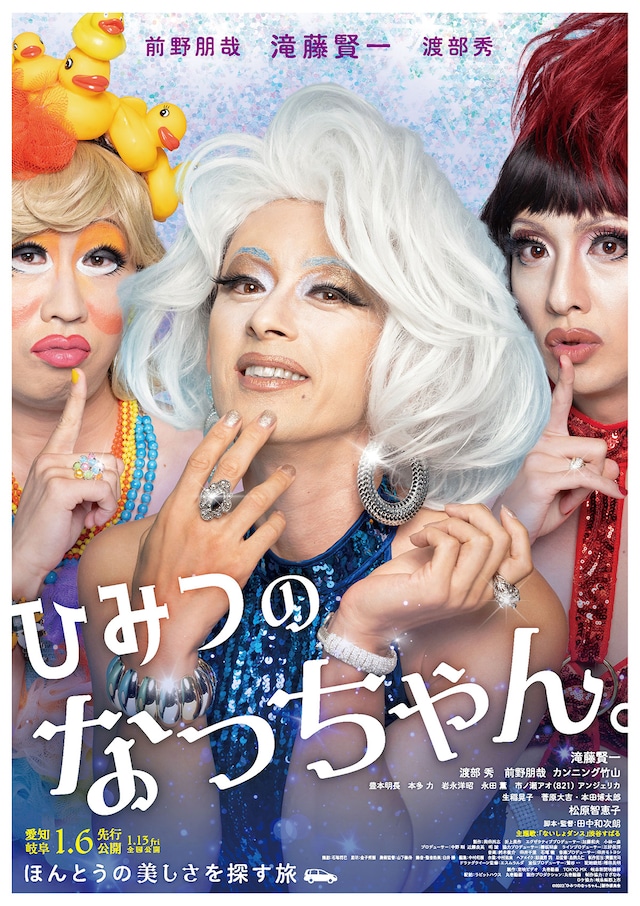
Natchan’s Little Secret (ひみつのなっちゃん。, Yasujiro Tanaka, 2023)

On learning that their friend and mentor has died, a trio of drag queens vows to do whatever it takes to fulfil her wishes and ensure her family never know about her sexuality in Yasujiro Tanaka’s road trip comedy Natchan’s Little Secret (ひみつのなっちゃん。, Himitsu no Natchan). In some ways it may seem old-fashioned, that rather than ensuring her family knew who she really was they decide to honour Natchan’s desire for secrecy but nevertheless meditate on the nature family while finally landing on a poignant sense of loss for all that secrecy entails.

Virgin (Kenichi Takito), an accountant by day and former drag queen who’s lost the taste for dancing, and Morilyn (Shu Watanabe) who works at the bar Natchan owned, are forced to confront the fact that in many ways they didn’t even know Natchan at all. They don’t know her address or hometown and have only the vague idea that she was estranged from her family. Virgin reflects that she was “secretive”, but in the end none of them really know what to do now that she’s gone. Another drag queen turned TV celebratory, Zubuko (Tomoya Maeno), laments that some take their secret to their grave realising that’s exactly what Natchan has done. That’s one reason why the trio become obsessed with the idea of cleaning out Natchan’s flat to make sure that her family don’t find anything they weren’t expecting. 

But then again, the trio frequently refer to the gay community as their family while claiming Natchan as their own. Without really thinking about it, Morilyn allowed hospital staff to assume he was family in a more legal sense and started making funeral arrangements. He also packs up some of Natchan’s property without realising he could be accused of theft while trying to tidy up her life. They may feel that the birth family are in a sense intruding, reasserting ownership over someone they never accepted in life and preventing those who truly loved them to honour their wishes. Yet Natchan’s mother (Chieko Matsubara) turns out to be sweet old lady who is in her way hurt that she and her son became estranged wishing that they could have been closer while he was alive.

It’s she who eventually invites them to Natchan’s rural hometown which is famous for a particular kind of festival dance. None of them are sure they want to go, partly because they fear accidentally blowing Natchan’s cover but also the social attitudes of what they imagine to be a more conservative, traditional area. Only it appears quite the reverse is true. Residents at the inn where they stay actually have a fierce curiosity about drag and enthusiastically enjoy a risqué routine performed by Morilyn and Zubuko while even a manly man later shrugs his shoulders and claims it’s not so different from Gujo Odori which also makes people sparkle. 

Maybe Natchan’s little secret is that she was a person who had learned to see the beautiful things in life and wanted others to see that they were beautiful too even if some told them that weren’t or they didn’t feel that they were. Virgin describes Morilyn’s straightforward living as a beautiful thing, especially as he recounts being made to do karate by conservative parents afraid of what the neighbours would think of their effeminate son, an experience he describes as emotionally destabilising and has led to a degree of repression as an adult. Virgin is out at work and well liked by a collection of female colleagues but now only dances alone at home and keeps it as her own kind of secret. Yet through their various adventures on the road the trio begin to come to new acceptances of themselves as they prepare to say goodbye to Natchan while comically affecting the tropes of conventional masculinity in an attempt not to give the game away. They wander through queer spaces in search of her and rediscover their own sense of family realising that they did know Natchan after all or at least all that was important to know as did others even if they pretended not to because that seemed to be how she wanted it. Finding liberation amid the Gujo Odori, the trio finally say goodbye but also discover a new sense of solidarity and self-acceptance joining the dance at which all truly are welcome. 


Natchan’s Little Secret screened as part of this year’s Camera Japan.

Original trailer (no subtitles)

Shrieking in the Rain (雨に叫べば, Eiji Uchida, 2021)

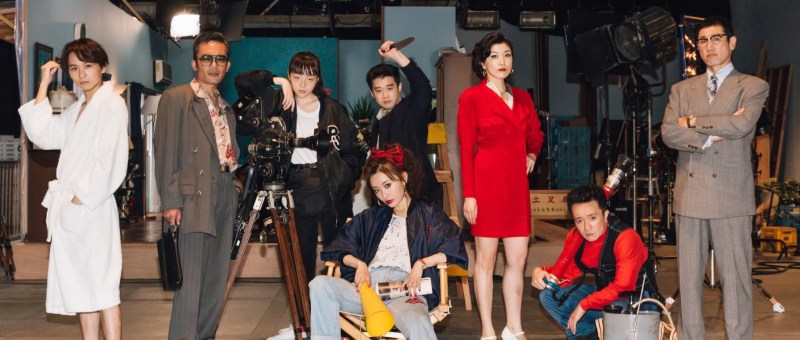
“Let’s change Japanese film” a duplicitous distributor tries to convince a diffident director though his “creators first” stance predictably turns out to be somewhat disingenuous. Inhabiting the same territory as Netflix’s Naked Director, Eiji Uchida’s meta dramedy Shrieking in the Rain (雨に叫べば, Ame ni Sakebeba) finds a young woman struggling to take charge of her artistic vision while plagued by workplace sexism, commercial concerns, and absurd censorship regulations but finally claiming her space and along with it her right to make art even if not quite everyone understands it, 

Set entirely on a Toei lot in the summer of 1988, the film opens with rookie director Hanako (Marika Matsumoto) locking herself inside a car with her hands clamped over her ears, fed up with the chaos that seems to surround her. How Hanako got the job in the first place is anyone’s guess, but it later becomes clear that she is in a sense being exploited by the producer, Tachibana (Kazuya Takahashi), who thinks a pretty young girl directing a softcore porno is a selling point in itself. Meanwhile, he’s teamed up with an US-based production company and its Japanese producer, Inoue (Kiyohiko Shibukawa), who seems fairly exasperated by the Japanese-style shoot and despite his pretty words is all about the business. For him, the main selling points are the actors, one a young idol star intending to boost his profile by getting into films and the other a veteran actress stripping off for the first time in an attempt to revitalise her fading career. 

Surrounded by male industry veterans, Hanako struggles to get her voice heard and feels under confident on set as they encircle her and bark orders she doesn’t quite understand. Her decisions are continually overruled by the male AD, cameraman, and finally Tachibana who always has his mind on the bottom line while Hanako’s inability to express herself to the crew results in endless takes of scenes that others tell her are “pointless” and should be cut despite her protestations that they are essential to the piece. A forthright female makeup artist (Chika Uchida) asks if filmmaking should really be this heartless as she watches Hanako humiliated by the chauvinistic cameraman who forces her to get on her knees and beg for help, while a more sympathetic grip (Gaku Hamada) later tells her that becoming a successful director has little to do with talent and a lot to do with the art of compromise. 

Nevertheless, Hanako tries to hold on to her artistic vision even while some roll their eyes considering the project is a softcore romantic melodrama revolving around a love triangle involving two brothers in love with same woman. Inoue claps back that film is a business, admitting that when he said creators first he just meant the ones that make money. According to him, anyone could direct the film because all anyone’s interested in is the actress’ bared breasts and the teenybopper appeal of top idol Shinji. Or in other words, it doesn’t really need to be good, it’s going to sell anyway. In any case, it seems incongruous to cast a squeaky clean idol in an edgy erotic drama especially considering that if they want to market it to his fans then they need to secure a rating which allows them to see it without adult supervision. Business concerns and censorship eventually collide when the rather befuddled censor puts a red line through some of their kink and explains that the actress’ third hip thrust has just earned them an X rating. 

Unlike Hanako and her similarly troubled junior camerawoman Yoshie (Serena Motola), veteran actress Kaede at least knows how to advocate for herself and get what she wants on set so that she can do her best work. Only in this case doing her best work means she wants to go for real with arrogant idol star Shinji who refuses to wear a modesty sock or trim his pubic hair to fit in with the arcane regulations of the censors board. Shinji is brought to task by aspiring actor Kazuto who is pissed off by his unprofessional behaviour while struggling to get a foothold in a difficult industry and apparently finding one through a romantic relationship with the producer which otherwise seems to be a secret from cast and crew. 

In any case a final confrontation prompts a rebellion against Inoue’s production line metaphor as the crew reaffirm that they are a team working together on an artistic endeavour not mere cogs in his machine. Reemerging in bright red lipstick, Hanako returns to retake what’s hers boldly claiming her artistic vision and taking charge on set before descending into an unexpected musical number. With a retro sensibility, the film neatly echoes late 80s production style with a cutesy background score often heard in movies of the era while posters for top Toei movies from the 70s and 80s such as Yukihiro Sawada’s No Grave for Us line the walls. A meta rebuke against the constraints placed on filmmakers by those who shout “creators first” to bolster their image but never follow through Shrieking in the Rain, is at once a homage to the classic days of low budget Toei erotica and an inspirational tale of an artist finding her voice in a sometimes repressive industry.


Shrieking in the Rain screened as part of this year’s Camera Japan.

Original trailer (no subtitles)

Ribbon (Non, 2022)

What is the place of art amid a global crisis? A young student finds herself wrestling with her sense of purpose uncertain if art is more necessary than ever before or a completely worthless waste of time that could be better used dealing with the situation on a more practical level. Written, directed, and edited by actress/singer Non, Ribbon is a response to pandemic anxiety but also a meta drama about an artist reclaiming a sense of confidence in their work along with their right to make it even if not widely understood. 

As the film opens, art student Itsuka (Non) is lugging a series of paintings and art equipment back to her university for the upcoming graduation exhibition, only the exhibition has just been cancelled because the university will be closing its doors the following day due to the COVID-19 pandemic. Itsuka has to cart all her stuff home again, but she’s luckier than some she witnesses who are left with no choice other than to destroy the precious works of art into which they’ve poured four years of their lives because they can’t store them and neither can the university. 

Watching her fellow students in tears as they crush, tear, and bludgeon their projects Itsuka can’t help but wonder what separates her painting from “trash”, seeing these precious pieces dismembered and left out for the binmen. The feeling is compounded when her mother (Misayo Haruki) pays her a visit, clad in a homemade hazmat suit, and throws the painting out justifying herself that as it had stuff stuck on it she thought it was just something she’d made messing around, more like a child’s collage than a serious piece of “art”. Unable to accept her mistake, Itsuka’s mother defensively doubles down leading to a climactic argument and the visits of other family members including her father (Daikichi Sugawara) who arrives with a social distancing pole and her sister (Karin Ono) who now dresses like an assassin each armed with passive aggressive peace offerings but ultimately seeking validations that her mother was right to dismiss her incomprehensible art. 

While her friend Hirai (Rio Yamashita) is later caught sneaking into uni to work on her much more conventional piece, a large canvas painting featuring a young girl in a forest with giraffes and leopards, Itsuka has been unable to find the desire to paint. The painting, a mixed media portrait of a young woman surrounded by ribbons, sits looking down on her taped to the wall but she can’t get away from the idea that perhaps her work really is “trash” and she’s just been wasting her time on something meaningless that other people don’t understand or care about. The feeling is compounded when she’s informed that the job offer she had from a design firm for after graduation has been rescinded due to COVID uncertainty. Only when she accidentally reconnects with a middle-school classmate (Daichi Watanabe) who had praised her work does she begin to rediscover its value not least in allowing her to vent her frustrations not only with the pandemic-era society and its isolating anxieties, but the conservative ideas embodied by her mother’s constant complaints about her “attitude” reminding her she’ll never get married if she carries on as she is.  

“This is what our frustration looks like” she explains incorporating her friend’s fractured painting to turn her formerly chaotic apartment into an installation covered in the ribbons which had previously swarmed around her. Opening with scenes of the deserted university peopled with broken statues, headless mannequins, and crude drawings on walls, Non captures a sense of the lonely despair of the early days of the pandemic allowing these now empty places to seem almost haunted by an eerie sense of absence. There is an unavoidable absurdity in the constant masking, obsession with social distance, and spraying anything and everything with sanitiser but also a care beneath the anxiety in the concern for others’ safety as well as one’s own. “Heavy” is how Itsuka frequently describes her situation not only the physical weight of her work but its spiritual burden along with her despair and anxiety for her uncertain future, but learning to bear it allows her to rediscover a purpose and value in art not despite but because of the times in which she lives. Quirky and heartwarming, Non’s accomplished directorial debut is not only a snapshot of ordinary life in a pandemic, but a meta tale of a young woman reclaiming her right to create and vent her frustrations towards a sometimes restrictive society. 


Ribbon screened as part of this year’s New York Asian Film Festival.

Original trailer (English subtitles)

Images: ©︎”Ribbon” Film Partners

Princess Mononoke (もののけ姫, Hayao Miyazaki, 1997)

“So you say you’re under a curse? So what? So’s the whole damn world.” The world is indeed cursed in Hayao Miyazaki’s landmark 1997 animation Princess Mononoke (もののけ姫, Mononoke-hime). As the greedy monk insists, “there are angry ghosts all around us. Dead from wars, sickness, starvation. And no one cares”. Yet as an impassioned parable as it is about the destructive forces of industrialisation, Miyazaki’s mystical drama is really about balance and duality along with the necessity of harmony and co-existence with nature red in tooth and claw. 

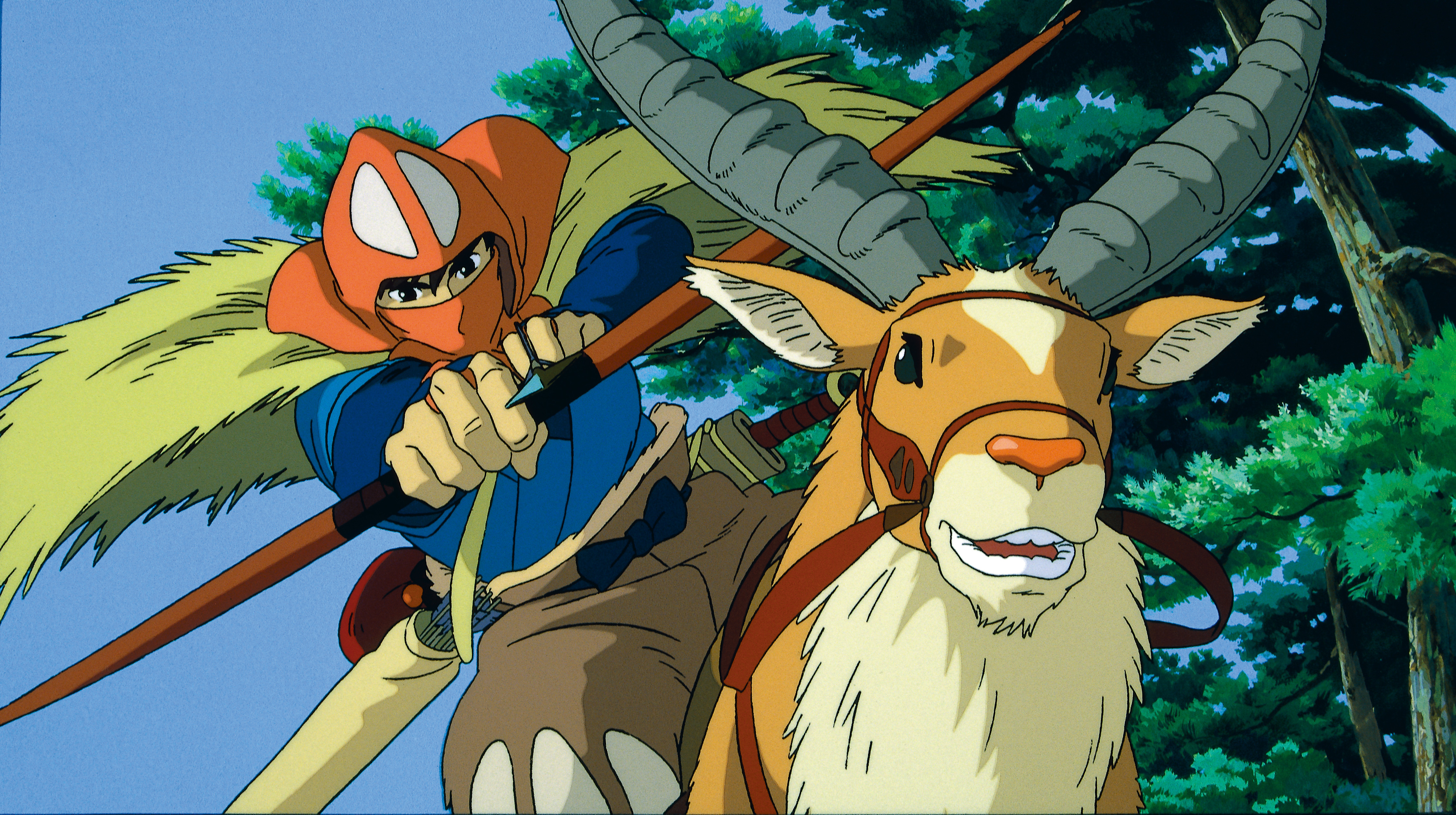
Young prince Ashitaka (Yoji Matsuda) already lives in what seems to be perfect harmony with the natural world, but his idyllic existence in an ancient clan long exiled by the emperor is disturbed one day by a marauding giant boar chased out of the forest having been turned into a demon consumed with hate and resentment. Ashitaka first tries reasoning with the beast, but is finally forced to put it out of its misery to protect the village and is infected himself in the process. Now unable to stay lest he endanger his community, Ashitaka ventures West in search of the corruption which sent the boar hurtling towards his home. 

What he eventually comes to is an industrial settlement, Irontown, ruled by Lady Eboshi (Yuko Tanaka) who ought by all rights to be a villain in her casual disregard of or active hostility towards unruly nature which her industrialisation pollutes. But then as we can see Lady Eboshi is a good and compassionate leader who has erected a community of the marginalised buying out the contracts of indentured sex workers and freeing them to labour in her ironworks while taking in lepers to manufacture her futuristic firearms. Uncharitably, one could also say that she’s chosen these people because they have little power and will be more likely to put up with hardship and exploitation without complaint because it’s better than the lives they lived before, but it does it does seem that she has her heart in the right place as far as her people are concerned determined to build a community of mutual solidarity between workers. 

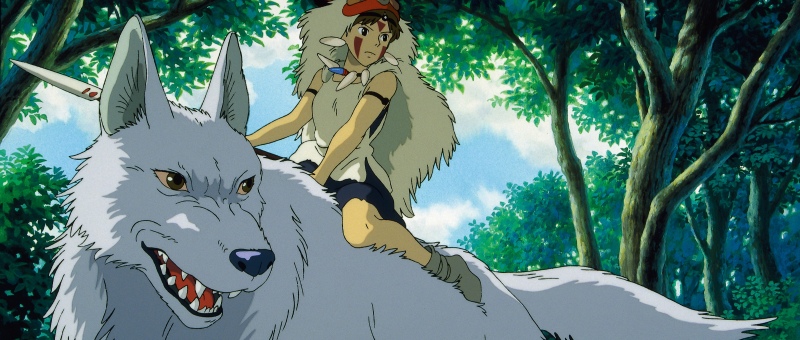
Conversely, the titular Princess Mononoke, San (Yuriko Ishida), ought by rights to be the heroine but she and the wolf deities she lives with are also violent and unforgiving in their hatred of humans as determined to wipe out the threat presented by Lady Eboshi as she is them. Ashitaka was dispatched to be a peacemaker, to see with eyes unclouded by hate, in an attempt to find common ground and a way that the forest and humanity can live together because in reality one cannot survive without the other. He is by turns disappointed with each of them but holds compassion for both while a tertiary political threat lingers on the horizon in the machinations of shady priest Jigo (Kaoru Kobayashi) and the emperor who wants the head the of the Forest Spirit because he believes it will confer immortality. Lady Eboshi, who otherwise appears to reject the feudal order, intends to give the emperor the head in order to gain protection from overreaching lord Asano who hopes to capture the capitalistic potential of Irontown for himself. 

Jigo is an embodiment of humanity’s greed and its destructive potential, not caring that severing the Forest Spirit’s head will cause untold destruction in which any financial gain he might make would be all but irrelevant. His role is even more ironic given that he is a priest who has supposedly rejected material desire describing himself as a monk just trying to get by while seemingly willing to manipulate and betray almost anyone in his quest for gold. Lady Eboshi wants to improve conditions for her community while San essentially wants the same but Jigo just wants to improve things for Jigo and no one else. 

What Ashitaka wants is to cure his curse by restoring the balance between the human world and the natural in the creation of a society in which neither need be a threat to the other. Thus he pledges to help rebuild Irontown along less destructive lines while entrusting the forest to San to protect though she finds herself unable to forgive humanity for the destruction it has already wrought and may do again. Even so, as Ashitaka says, “it’s time for us both to live” hinting at a kind of rebirth and a new beginning free from the old authority be it the Forest Spirit or the emperor and the feudal order in a new world of freedom and equality. 


Princess Mononoke screens on 35mm at Japan Society New York on July 22.

Trailer (english subtitles)

Happy Flight (ハッピーフライト, Shinobu Yaguchi, 2008)

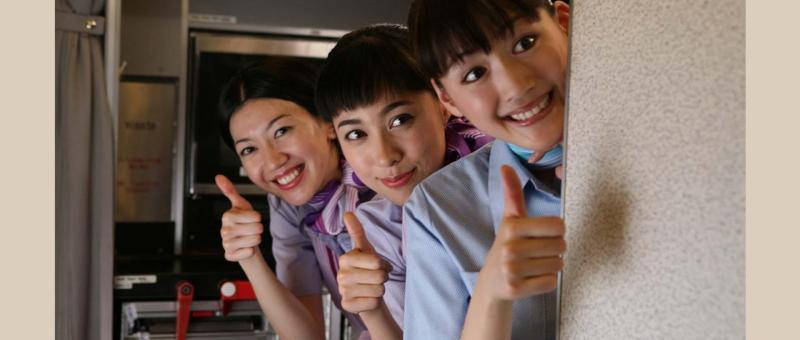
“We’re part of a whole system” the chief mechanic insists with exasperation, irritated with an employee being too thorough, “what if this delays departure?”. Best known for ensemble comedies, of which Happy Flight (ハッピーフライト) is one, Shinobu Yaguchi had originally envisaged a disaster movie only to change tack realising that aircraft accidents really are (thankfully) extremely rare and the backstage workings of an airport might well lead themselves to comedy. Even so, it’s perhaps surprising that sponsor airline ANA who were apparently heavily involved in the project allowed themselves to be seen in a less than perfect light even if their pilots and ground staff do indeed save the day when potential disaster strikes. 

Like any good farce, Yaguchi throws just about every potential problem into one basket beginning with the fact that this flight to Honolulu is the final exam for co-pilot Suzuki (Seiichi Tanabe) who is hoping to earn a promotion to captain though a disastrous performance in the simulator may have dimmed his expectations. It’s also the first flight for chirpy air hostess Etsuko (Haruka Ayase) still harbouring some delusions about the glamour of the flight attendant life while the plane itself is late in and technically speaking needs a couple of repairs though the airline is already a little jumpy about the number of delays impacting their services recently and the chief mechanic thinks some of them can wait. A junior engineer takes it on himself to change a part and incurs the wrath of his boss for taking to long, but is perhaps privately worried he didn’t do it properly and later alarmed when the plane runs into trouble worried that his missing wrench might be the cause. Aside from the pressing typhoon, the other problem is a flock of annoying seagulls normally taken care of by an old man nicknamed “bird guy” who warns them off with a shotgun only today he’s been accosted by the “bird lovers alliance”, while the airport is also surrounded by a bunch of obsessive aviation enthusiasts recording every detail and uploading them online. 

If something can go wrong then it will, as it does when the backup sensors stop working leaving the pilots flying blind, but even before that consumer aviation is first and foremost a customer facing business with the airline concentrating on ensuring that passengers have a good experience so they don’t lose their business to a rival. That’s one reason they’re so paranoid about avoiding delays, but also find themselves dealing with aggressive passengers each intent on receiving individual attention forgetting for a moment that the plane is full of other people who also have needs and demands. Still learning the ropes, Etsuko struggles to understand her place in the machine only to redeem herself later through a little lateral thinking following a culinary disaster while becoming quietly disillusioned with the unexpectedly stressful side of her otherwise glamorous profession. Meanwhile stern purser Reiko (Shinobu Terajima) gives them all a masterclass in deescalating an entitled customer’s rage by stroking his ego with some well-placed psychology. 

This being a comedy it all turns out alright in the end even if Suzuki has undergone something of a baptism of fire and Etsuko has had her eyes opened to the reality of the flight attendant life. Despite everything going wrong at the same time, it goes right when it needs to thanks to the teamwork and dedication of the disparate team from the guys in the air control weather department to the scrambling ground staff arranging meals and accommodation for passengers unable to reach their destination. There’s even the hint of a happy ending for check in supervisor Natsumi (Tomoko Tabata) who was dead set on quitting her job because it doesn’t afford her any opportunities to meet nice guys, while what it does seem to largely contain is fending off the three teenage aeroplane enthusiasts who hang out in arrivals and dealing with various passenger crises. They are indeed all part of whole system, and that’s good and bad in that they all feel under pressure to get planes in the air on time which perhaps encourages them to overvalue efficiency at the cost of safety, but also makes it easier to spring into action in order to fend off a crisis should one occur so that everyone can have a “happy flight” blissfully ignorant of the minor panic under the bonnet of this not so well oiled machine. 


Happy Flight streams until 27th February in several territories as part of Japanese Film Festival Online 2022.

International trailer (English subtitles)

The New Morning of Billy the Kid (ビリィ★ザ★キッドの新しい夜明け, Naoto Yamakawa, 1986)

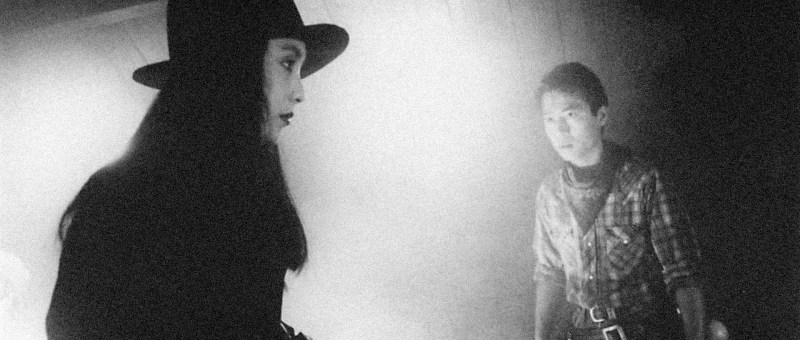
“Isn’t this style called surrealism?” a little girl asks, watching a WWII GI giving John Ford’s Monument Valley a post-modern makeover depicting John Lennon and a Martian in preparation for a live concert by hip girlband ZELDA. Arriving at the beginning of the Bubble era, Naoto Yamakawa’s 35mm commercial feature debut The New Morning of Billy the Kid (ビリィ★ザ★キッドの新しい夜明け, Billy the Kid no Atarashii Yoake) was the first film to be produced by the entertainment arm of department store chain Parco (along with record label Vap) which also distributed and draws inspiration from several stories by genre pioneer Genichiro Takahashi who at one point appears on screen proclaiming singer-songwriter Miyuki Nakajima, a version of whom appears as a character, as one of the three greatest Japanese poets of the age. What transpires is largely surreal, but also a kind of post-modern allegory in which the world is beset by the “anxiety and destruction” of salaryman society. 

Yamakawa opens in black and white and in Monument Valley in which only the figure of a young man in a cowboy outfit is in vivid colour while a voiceover from the American President warns that a savage band of gangsters is currently holding the world to ransom. Yet “Monument Valley” turns out to be only an image filling the wall of Bar Slaughterhouse, the cowboy, Billy the Kid (Hiroshi Mikami) stepping out of the painting having lost his horse and apparently in search of a job. The barman (Renji Ishibashi) is reluctant to give him one, after all he has six bodyguards already ranging from the legendary samurai Miyamoto Musashi to an anthropomorphism of Directory Enquiries, 104 (LaSalle Ishii). Nevertheless, after threatening to leave (through the front door) Billy asks for a job as a waiter instead in return for food and board while collecting the bounty for any gangsters he kills in the course of his duties. 

The bar is in some senses an imaginary place, or at least a space of the imagination, the sanctuary of “construction and creation” where half-remembered pop culture references mingle freely. In that sense it stands in direct opposition to the salaryman reality of Bubble-era Japan where everyone works all the time and the only interests which matter are corporate. Billy takes a liking to a young office lady, “Charlotte Rampling” (Kimie Shingyoji), who complains that she’s overcome with a sense of anxiety in the crushing sameness of her life, often woken by the sound of herself grinding her teeth that is when she’s not too tired to fall asleep. The “gangsters” which eventually crash in (literally) are businessmen and authority figures, one revealing as he raids the till that he’s a dissatisfied civil servant who determined that in order to become the best of the salarymen you need an “interesting” hobby so his is being in a gang. Another later gives a speech remarking again on this sense of inner anxiety that in their soulless desk jobs they’re moving further and further away from this world of “creation and construction”, and that the sacrifice of their individuality has provoked the kind of violent madness which enables this nihilistic “terrorist” enforcement of the corporatist society against which Miyuki (Shigeru Muroi), another of the bodyguards dressed as a retro 50s-style roller diner waitress, rebels through her poetry. 

Envisioned as a single set drama (save the bookending Monument Valley scenes apparently filmed on location in Arizona) Yamanaka’s drama is infinitely meta, in part a minor parody of Seven Samurai featuring a Miyamoto Musashi inspired by Kurosawa’s Kyuzo who was himself inspired by Miyamoto Musashi as the seven pop culture bodyguards stand guard over a saloon-style cafe bar beset by the forces of “order” turned modern-day bandits intent on crushing the artistic spirit in order to facilitate the rise of a boring salaryman corporate drone society. Yet for all of its absurdist humour, Harry Callahan (Yoshio Harada) telling a strange story about being a race horse, there is something quietly moving in Yamakawa’s ethereal transitions, the camera gently pulling back as a little girl who wanted to travel is suddenly surrounded by snow or the face of anxious young office lady fading into that of a prairie woman telling a bizarre tale of her life with a venomous snake. Equally a vehicle for girlband ZELDA whose music recurs throughout, the first stage number a hippyish affair set in a summer garden and the second an emo goth aesthetic more suited to what’s about to happen, Yamakawa’s zeitgeisty, post-modern drama is an advocation for the importance of the creative spirit if in another meta touch itself a rebellion against the corporate and consumerist emptiness of Bubble-era Japan. 


The New Morning of Billy the Kid streams worldwide 3rd to 5th December with newly prepared English subtitles alongside two of Yamakawa’s earlier shorts courtesy of Matchbox Cine.

Original trailer (English subtitles available via CC button)

Miyuki Nakajima’s debut single, Azami-jo no Lullaby (1975)

ZELDA’s Ogon no Jikan

The Wind in Your Heart (心に吹く風, Yoon Seok-ho, 2017)

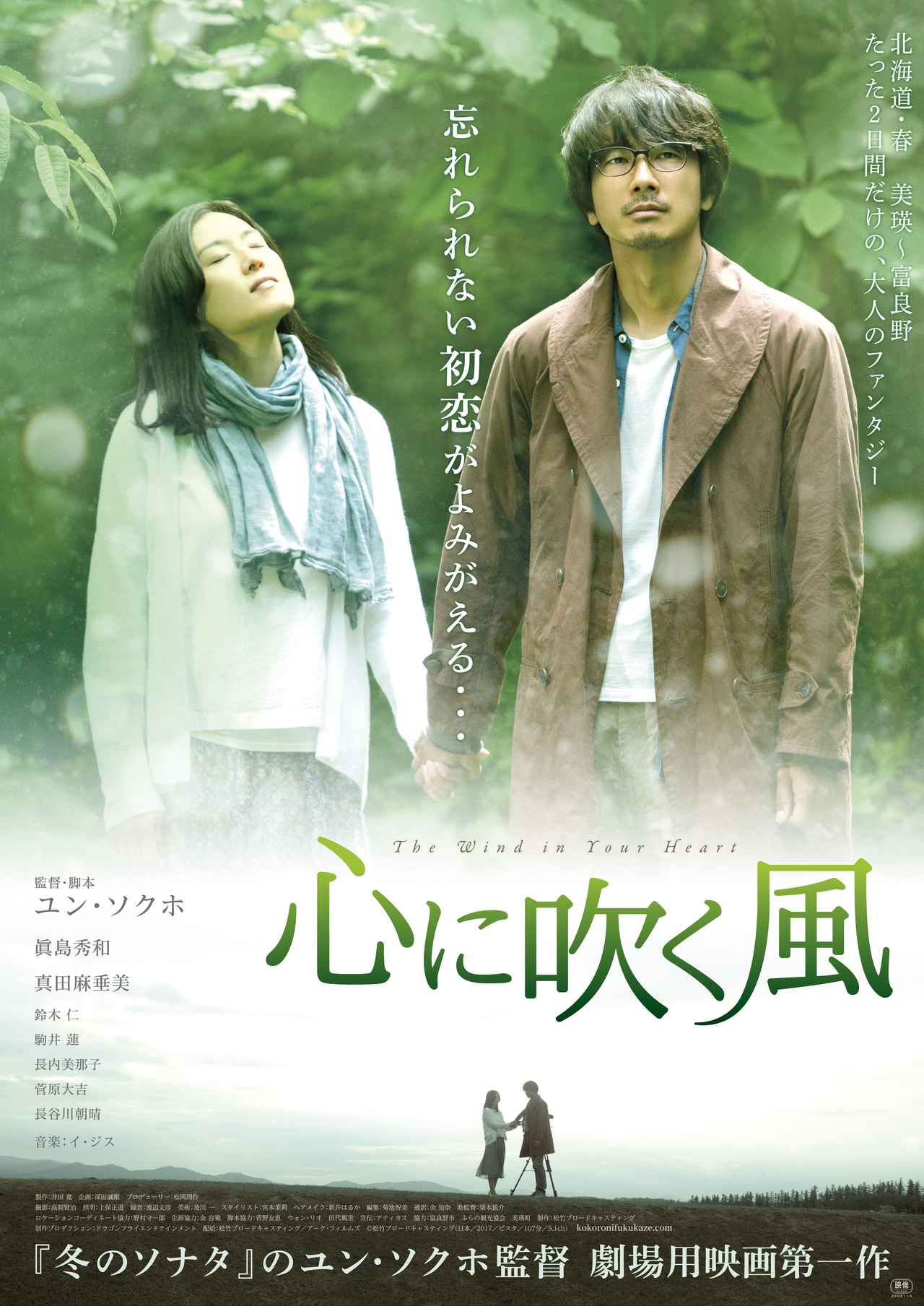
the wind in your heart posterYoon Seok-ho is best known for his work in Korean television drama which included several of the series thought of as kickstarting the “Hallyu” wave. Chief among these is Winter Sonata which proved extremely popular in Japan and is also cited as a major inspiration for the short-lived boom of “junai” or “pure love” movies in the early 2000s. The Wind in Your Heart (心に吹く風, Kokoro ni Fuku Kaze) brings things full circle – making his feature debut, Yoon brings his brand of romantic melodrama to Hokkaido for a re-evaluation of first love, middle-aged regrets, and an escape from real world cynicism to a world of beauty and innocence.

Video artist Ryosuke (Hidekazu Mashima) has been in living in London for many years but is currently staying with a friend in Hokkaido on a working holiday. When his pick up truck breaks down in the middle of nowhere he chances in to a nearby cottage in the hope of using the phone, only to find a ghost from the past standing in the doorway – Haruka (Masumi Sanada), his high school sweetheart whom he has not seen in 23 years. Obviously a lot has happened – Haruka is married with a grown-up daughter, but seems sad and lonely. Ryosuke is only in town for a couple more days, but the pair make the most of their time to reconnect and think about what might have been and why it wasn’t, as well as what might still be if someone finds the courage to boldly pursue their desires.

Well, that might be a little strong – this is a story of innocent, chaste love, rather than a hot and passionate affair. The Wind in Your Heart does indeed share much in common with the classic “junai” in its nostalgic look back to innocent teenage romance and yearning to return to a time when everything seemed so simple and love was all that mattered. It is, however, sadder – we’re not told exactly what made Haruka decide to forget Ryosuke after he left for university in Tokyo, only that she went through some tough times. Likewise we don’t really know why Ryosuke didn’t try harder to find out, save that perhaps he thought that was what she wanted and respected her decision. Nevertheless, Ryosuke has remained unmarried and apparently still carries a torch 23 years later. All the pair have are mutual regrets and a shared sense of nostalgia for a future they feel they lost because of things that happened to them in their youths.

Now, things might be different. Haruka is obviously miserable in her marriage. Her daughter has left for university, her husband is working away in Taiwan, and she’s left at home all alone with her horrible mother-in-law. Ryosuke asks her if she’s happy and she can’t answer. She doesn’t want to talk about her husband whom she doesn’t seem to like very much. When we eventually meet him he is drunk, bossy, and insensitive. It’s no wonder Haruka might dream of running off with her idealised first love but when all is said and done she lacks the conviction to do it. She is simply too conventional, too bound by social obligation, to consider throwing caution to the wind and embracing her own happiness.

It might be patronising to suggest that Haruka is a stand-in for the expected audience – unhappy, under appreciated middle-aged women who perhaps feel trapped by a conservative society and long for escape from their humdrum lives through an innocent romance, but then that does very much seem to be the screenwriter’s intention. Haruka hesitates – her hand always hovering over door handles as if they were triggers, unsure which door to open and which direction to choose, ultimately making her decisions far too late. Unlike the more positive resolutions of a junai romance which allow the left behind to come to terms with their loss and resolve to live on with happy memories rather than sorrow, Haruka is left only with the crushing realisation that it really might be too late and she’s made a lifetime’s worth of poor choices though she does at least begin to find a degree of fulfilment in re-embracing her youthful dreams previously crushed by the unforgiving attitudes of her family.

Filming in Hokkaido, Yoon maintains a notably Korean sensibility in his static camera and straightforward composition which prioritises simple conversation between two people, only occasionally wandering off into poetic reveries in which the sun embraces the wind in a bracing Hokkaido spring. Reaching for something deeper than it manages to grasp, The Wind in Your Heart lands in standard melodrama territory, never quite managing to lend its central romance the weight it seems to want, but nevertheless doing its best to strain the heart with a tale of inescapable middle-aged misery in lives lived through the power of what might have been.


Original trailer (no subtitles)