
 Fears of changeling children and their propensity to become cuckoos in the nest is a mainstay of folklore horror, but in recent times the creepy kid has crept his way in from the cold as the current monster of choice. The Mimic (장산범, Jangsanbum), though apparently completed some time earlier, has a few superficial similarities to Na’s The Wailing in its use of powerful, ancient myths and shamanic lore to conjure its particular brand of evil. If Na’s film was sometimes criticised for its obtuse ambiguity Huh has the opposite problem in failing to properly support his internal mythology with an appropriate level of consistency.
Hee-yeon (Yum Jung-ah) packs up her life including husband (Park Hyuk-kwon), mother-in-law (Heo Jin) suffering with dementia, little girl Jun-hee (Jang Liu) and a box of painful memories and moves to Mount Jang – her mother-in-law’s hometown. The move is intended to help the family put the past behind them and move on after Hee-yeon’s son disappeared without trace five years previously, but it’s not long before Hee-yeon is catching sight of small boys in ragged clothes on the streets around Mount Jang and convincing herself she’s seen her little boy despite the distance from the place where he disappeared and that he’d now be five years older than the version she has stored in her memory.
With Hee-yeon’s mental state already strained, she runs into trouble when a pair of earnest children arrive hoping one of the dogs in the kennel facility the family are running might be their missing puppy. It isn’t but their search leads them to a creepy walled up cave where they’re attacked by a malevolent entity. While her husband is helping the children and investigating the cave, Hee-yeon comes across a strange little girl (Shin Rin-ah), apparently lost, and dressed in an old fashioned velvet dress with a lace collar. The girl disappears while the Hee-yeon and her husband are busy with the police but later turns up at the couple’s home and worms her way inside, eventually claiming that her name is Jun-hee too, just like Hee-yeon’s daughter.
The central conceit is that the malevolent entity existing around Mount Jang mimics the voices of (usually dead) loved ones in order to convince its victims to surrender themselves voluntarily. Huh sets up Hee-yeon’s mental instability early on as she nervously guzzles pills to help her regain her grip on reality, but there after abandons it, never questioning the real existence of threat or Hee-yong’s relationship to the little girl whom she at times strangely believes to be her son. The little girl remains a typically creepy kid, originally mute and then mimicking Jun-hee but apparently unthreatening in and of herself. The cuts and bruises across the little girl’s back might explain her silence with her immediate adoption of a Jun-hee persona a kind of rejection of her original personality, but the film has already lost interest in rational explanations.
Hee-yeon, despite a degree of distance towards her daughter, immediately takes to the little girl, bringing her into the house with an intention to keep her despite her husband’s reservations. The desire to save this lost little girl is, of course, a kind of reaction to the loss of her son whom she seems to see in the little girl even without her supernatural gift of mimicry. Hee-yeon blames herself for the unknown fate of her little boy who disappeared after she left him with her mother-in-law (already suffering with dementia) in a busy foodcourt. Granny may have more clues, but if she has they’re irretrievably locked inside her fracturing mind. Having grown up in the surrounding area and being aware of the legends since childhood, granny is also a good person to ask about the strange goings on – only no one does because they assume she is not mentally stable. Hence when she alone knows to cover up mirrors and is suspicious of the little girl, everyone thinks it’s the dementia talking.
Symbolically the choice which is presented is between past and future, life and death, in the knowledge that the two are mutually exclusive. The liminal space of the cave becomes its own purgatorial courtroom in which Hee-yeon, and the other victims, must decide for themselves who or what they believe and which sort of existence they wish to embrace. For Hee-yeon her trial involves the abandonment of another child as a final goodbye to her long absent son, pulling at her fragile maternity and testing each and every aspect of it (though not, perhaps, that related to her remaining daughter who seems to have been temporarily forgotten). Huh makes fantastic use of soundscapes and intriguing use of mirrors, but even the high quality photography and committed performances can’t quite overcome the hollowness of his mythology, robbing his dark fairytale of its essential power.
Screened at London Korean Film Festival 2017. Also screening at Showroom Cinema, Sheffield, 15 November 2017, 8.30 pm
International trailer (English subtitles)
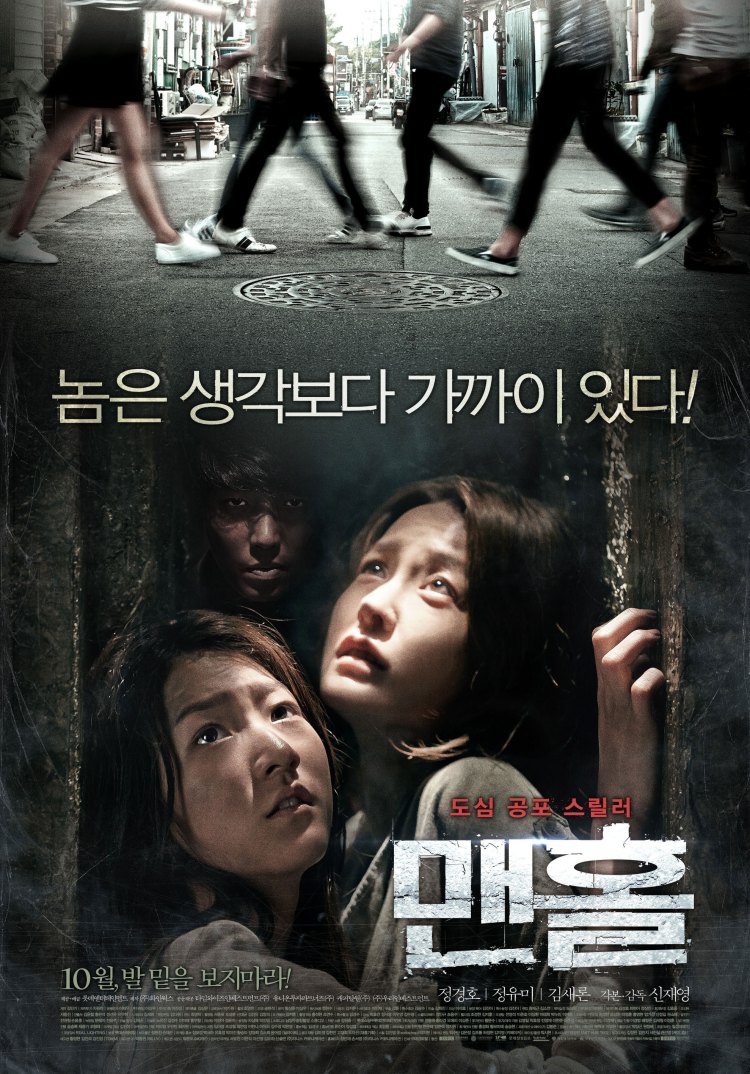 Finding the sinister in the commonplace is the key to creating a chilling horror experience, but “finding” it is the key. Attempting to graft something untoward onto a place it can’t take hold is more likely to raise eyebrows than hair or goosebumps. The creators of Korean horror exercise Manhole (맨홀) have decided to make those ubiquitous round discs the subject of their enquiries. They are kind of worrying really aren’t they? Where do they go, what are they for? Only the municipal authorities really know. In this case they go to the lair of a weird serial killer who lives in the shadows and occasionally pulls in pretty girls from above like one of those itazura bank cats after your loose change.
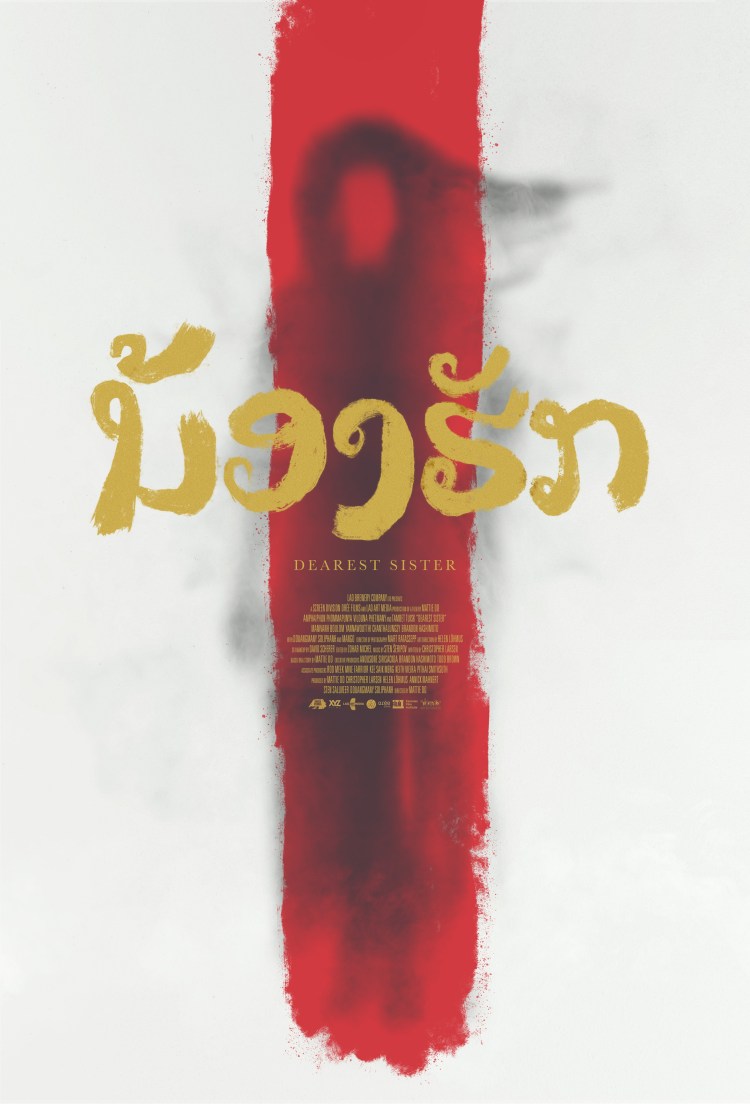 Marxist countries and horror movies often do not mix. Laos has only a fledgling cinema industry and Mattie Do, returning with her second film Dearest Sister (ນ້ອງຮັກ, Nong hak), is its only female filmmaker even if she finds herself a member of an extremely small group. Set in Laos it may be, but Dearest Sister also has something of the European gothic in its instantly recognisable tale of a good country girl fetching up in the city only to be treated like a poor relation and eventually corrupted by its dubious charms. Dearest Sister is a horror movie but one which places very real fears, albeit ones imbued with superstition, at the forefront of its tragedy.
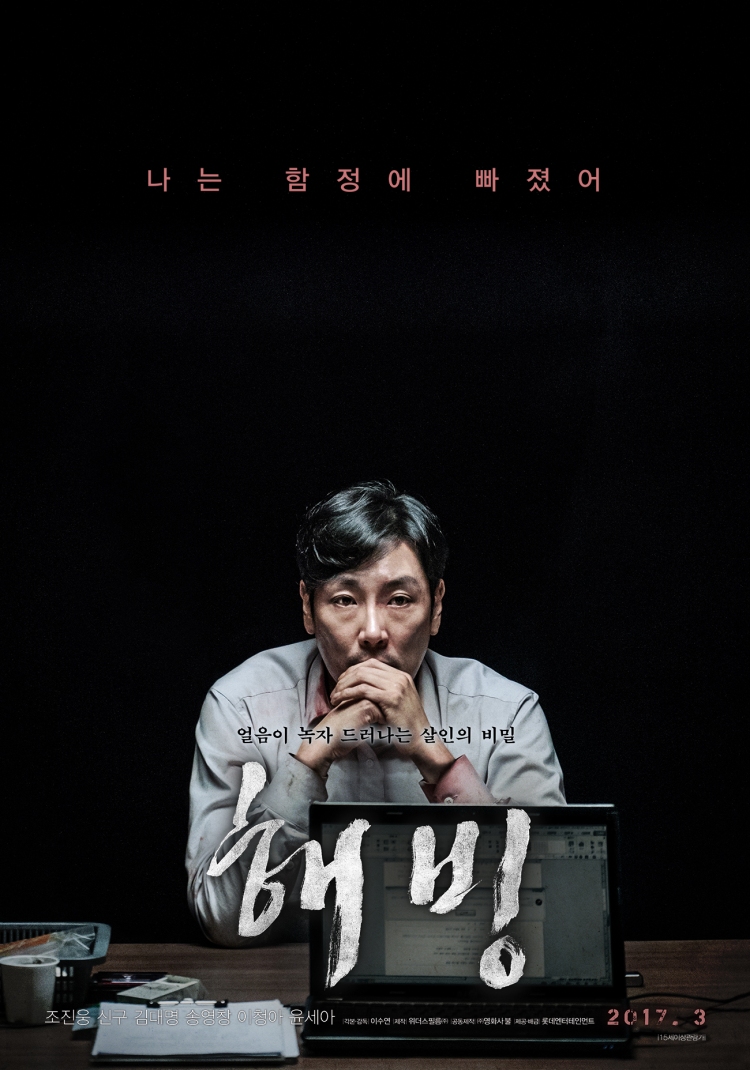 If you think you might have moved in above a modern-day Sweeney Todd, what should you do? Lee Soo-youn’s follow-up to 2003’s The Uninvited, Bluebeard (해빙, Haebing), provides a few easy lessons in the wrong way to cope with such an extreme situation as its increasingly confused and incriminated hero becomes convinced that his butcher landlord’s senile father is responsible for a still unsolved spate of serial killings. Rather than move, go to the police, or pretend not to have noticed, self-absorbed doctor Seung-hoon (Cho Jin-woong) drives himself half mad with fear and worry, certain that the strange father and son duo from downstairs have begun to suspect that he suspects.
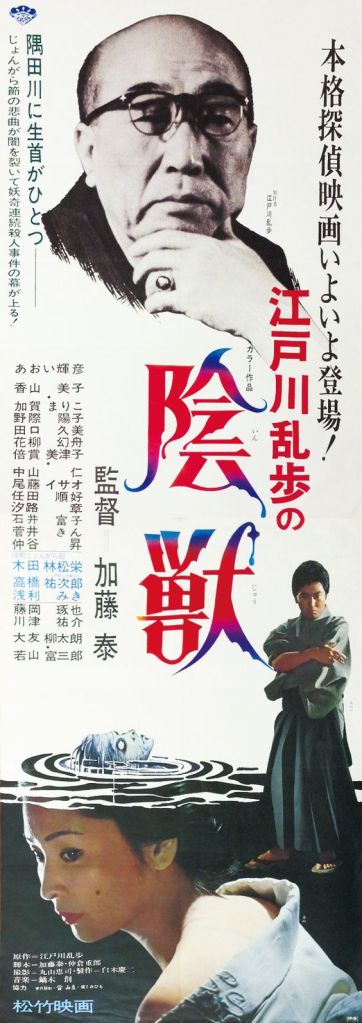 Edogawa Rampo (a clever allusion to master of the gothic and detective story pioneer Edgar Allan Poe) has provided ample inspiration for many Japanese films from
 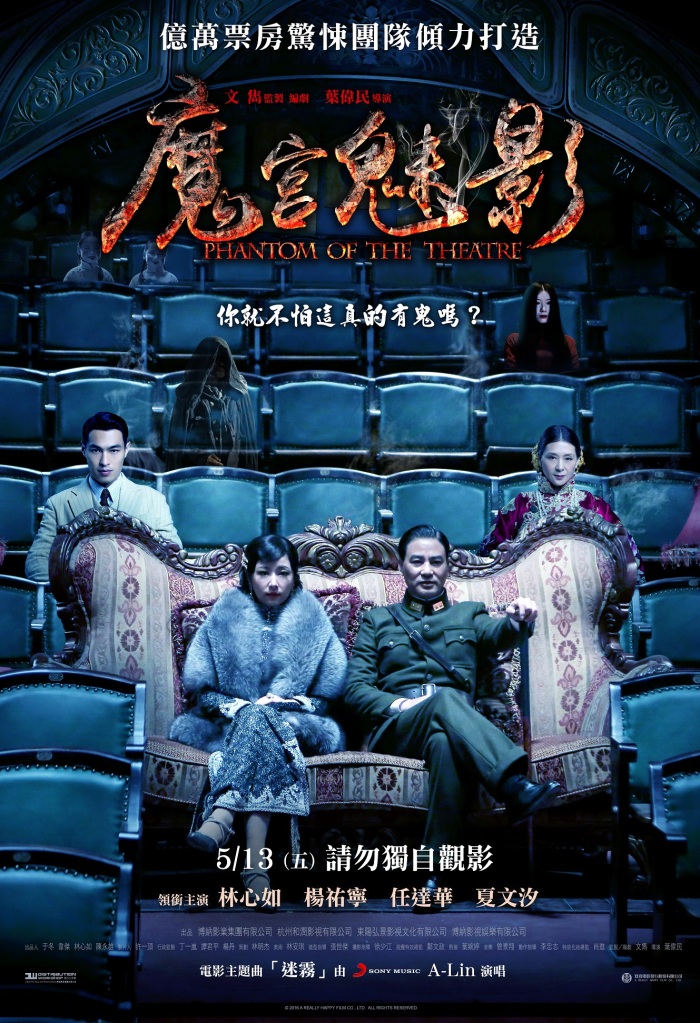 No ghosts! That’s one of the big rules when it comes to the Chinese censors, but then these “ghosts” are not quite what they seem and belong to the pre-communist era when the people were far less enlightened than they are now. One of the few directors brave enough to tackle horror in China, Raymond Yip Wai-man goes for the gothic in this Phantom of the Opera inspired tale of love and the supernatural set in bohemian ‘30s Shanghai, Phantom of the Theatre (魔宫魅影, Mó Gōng Mèi Yǐng). As expected, the thrills and chills remain mild as the ghostly threat edges closer to its true role as metaphor in a revenge tale that is in perfect keeping with the melodrama inherent in the genre, but the full force of its tragic inevitability gets lost in the miasma of awkward CGI and theatrical artifice.
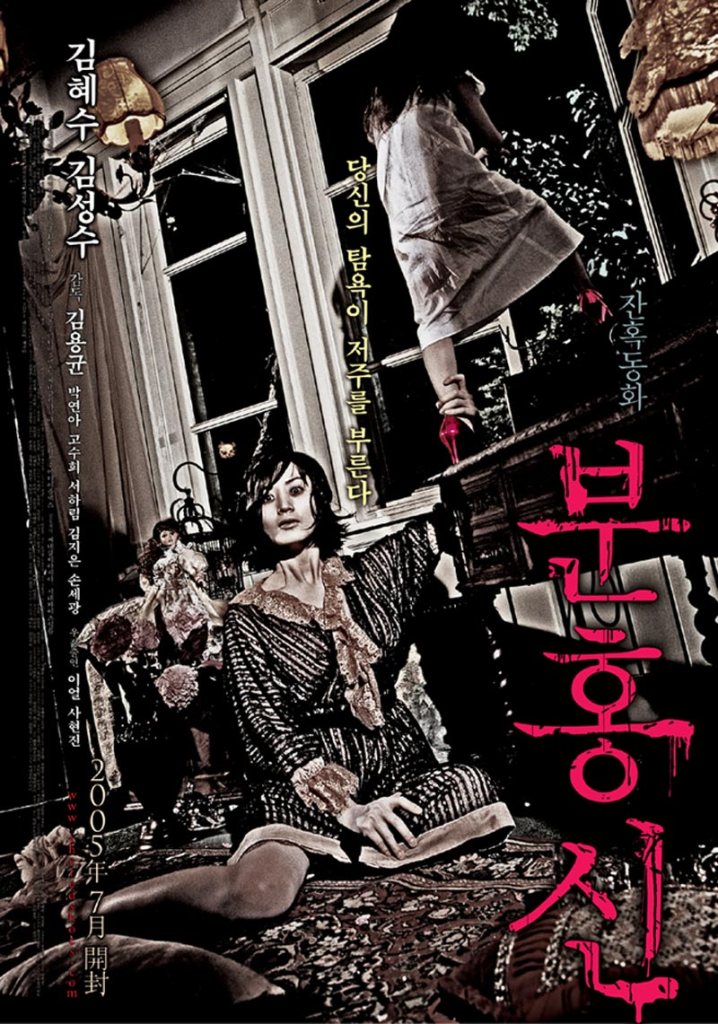 Walk a mile in a man’s shoes, they say, if you really want to understand him. If Kim Yong-gyun’s The Red Shoes (분홍신, Bunhongsin, 2005) is anything to go by, you’d better make sure you ask first and return them to their rightful owner afterwards without fear or covetousness. Loosely based on the classic Hans Christian Andersen tale this Korean take replaces dancing with murder and also mixes in elements from other popular Asian horror movies of the day, most notably
 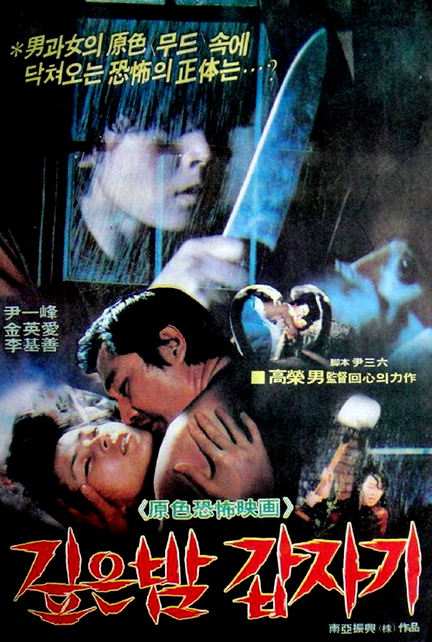 Everybody ought to have a maid, goes the old adage, but finding one you can trust can be a tall order. Kim Ki-young’s The Housemaid clearly sounds a warning call to husbands everywhere not to be tempted by the enticements of pretty young girls or conniving social climbers with designs on upending the domestic order by supplanting the legitimate wife from within her own home. The Housemaid is melodrama rewritten as horror in which a parasitical force colonises the domestic environment hell bent on taking it over through a subversion of its binding yet taboo foundation – sexual desire. Twenty years later, Suddenly in the Dark (깊은밤 갑자기, Gipeun Bam, Gapjagi) returns to the same theme but from a different angle. A once harmonious household is suddenly turned upside down following the introduction of a second female, provoking a series of crises within the already strained mind of its wife and mother.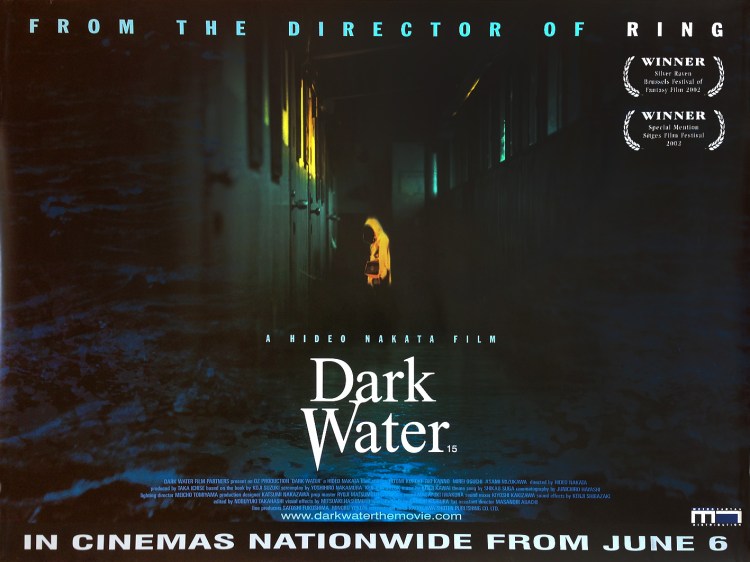
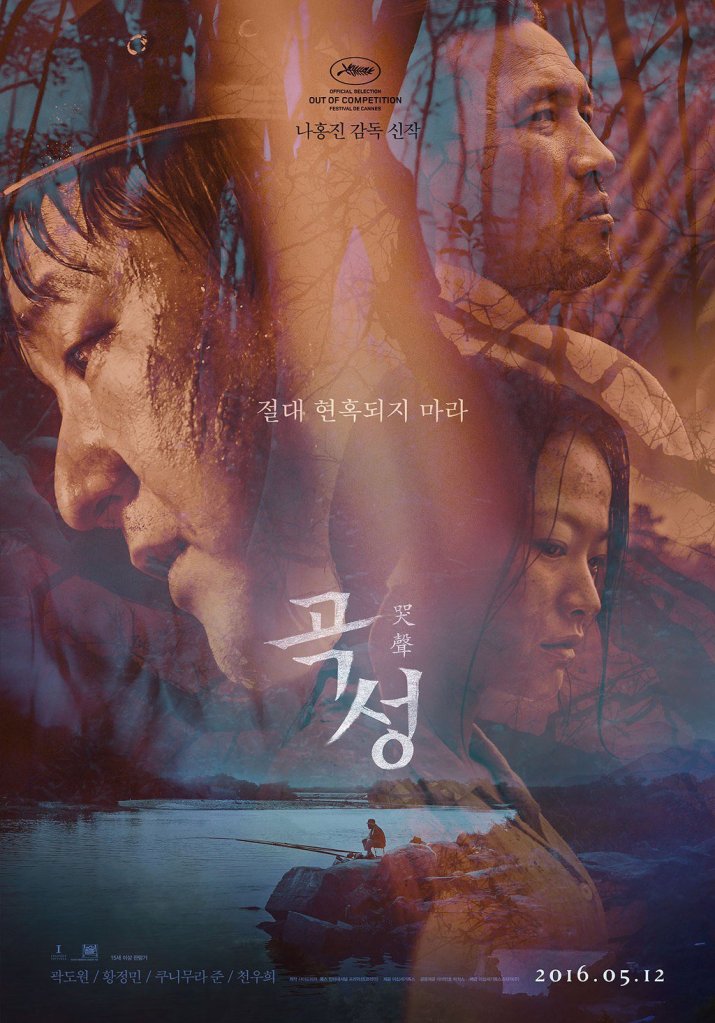 For the world’s more full of weeping than you can understand – the residents of Goksung, the setting for Na Hong-jin’s nihilistic horror movie The Wailing (곡성, Goksung), might be inclined to agree with Yeats if only because the name of their town is also a homonym for the “sound of weeping”. There is plenty to weep over, and in places Na’s film begins to feel like one long plaintive cry reaching far back to the dawn of time but the main wounds are comparatively more recent – colonisation, not only of a landscape but of a soul. When it comes to gods, should you trust one over another simply because of its country of origin or is your faith to be bestowed in something with more universal application?
