 Hibari Misora was one of the leading lights of the post-war entertainment world. Largely active as a chart topping ballad singer, she also made frequent forays into the movies notably starring with fellow musical stars Izumi Yukimura and Chiemi Eri in the Sannin Musume series. This solo effort from 1955 is directed by the Sannin Musume director Toshio Sugie and follows a similar approach with the 18 year old Hibari starring as a teenage girl who looks really like Hibari Misora (but unfortunately cannot sing).
Hibari is playing a teenager here but she’s left school and is working as a bus conductoress. Bright and cheerful in her work, she takes some ribbing from the other employees because of her resemblance to the singing star (she has a large beauty mark drawn on her right cheek to make sure we know she’s not the “real” Hibari) and is a little embarrassed when they ask her to sing something because unlike her doppelganger, she’s tone deaf. Hibari lives at home with her mother and younger brother who’s still in school but their father seems to have left the household and there’s a degree of discord between the couple. Hibari tries to get her parents back together so they can live as a family whilst also maintaining her bus job, beginning a tentative romance with a former passenger, and even getting a few singing lessons from the real Hibari Misora herself!
Unlike the Sannin Musume movies, Harikiri Musume is shot in regular black and white though has pretty good production values for the time with some location shooting and outdoor scenes. Hibari is only 18 here but she’s already working at the bus company which seems like a pretty good gig all things considered (though her money is going to pay for her brother’s school fees, such is life). Her biggest problems are her no good father and her singing star doppleganger which continues to cause her embarrassment.
Harikiri Musume is a pop star vehicle but oddly Hibari doesn’t get to perform that much. Early on she laments not being able to sing as she listens to one of her bus company colleagues singing the song Rendezvous (also featured in one of the Sannin Musume movies) which is then followed by a more operatic track from a male colleague (of course, these two end up becoming a couple, united in their musical talents). She watches “herself” on TV and later mimes to a recording of the famous Hibari at home but the main subplot of the film takes hold once the two Hibaris meet in a neat cinematic doubling trick. Famous Hibari teaches ordinary Hibari how to sing properly using Misora’s famous song Ringo Oiwake. She then turns up in the finale at the wedding celebration of two employees with a new song just for the bus company as a special gift.
As well as Rendezvous, there are even a few callbacks to Jankenbon which also appears in So Young, So Bright which was released the same year. Hibari is mostly acting with herself here and it’s altogether a more modest affair than the Sannin Musume pictures with no real production numbers or complicated staging but somehow all the more charming for it. In keeping with other similarly themed movies, Hibari has the disrupted family subplot and a very slight romance which never really gets started until near the end but the film cleverly avoids any kind of heaviness in favour of a light and breezy youthful tone. First rate fluff, but nevertheless an interesting look at the “ordinary” people of movie land in the mid fifties and an entertaining musical comedy in its own right.
No trailer but here’s a clip of Hibari Misora singing Ringo no Oiwake almost 25 years later:
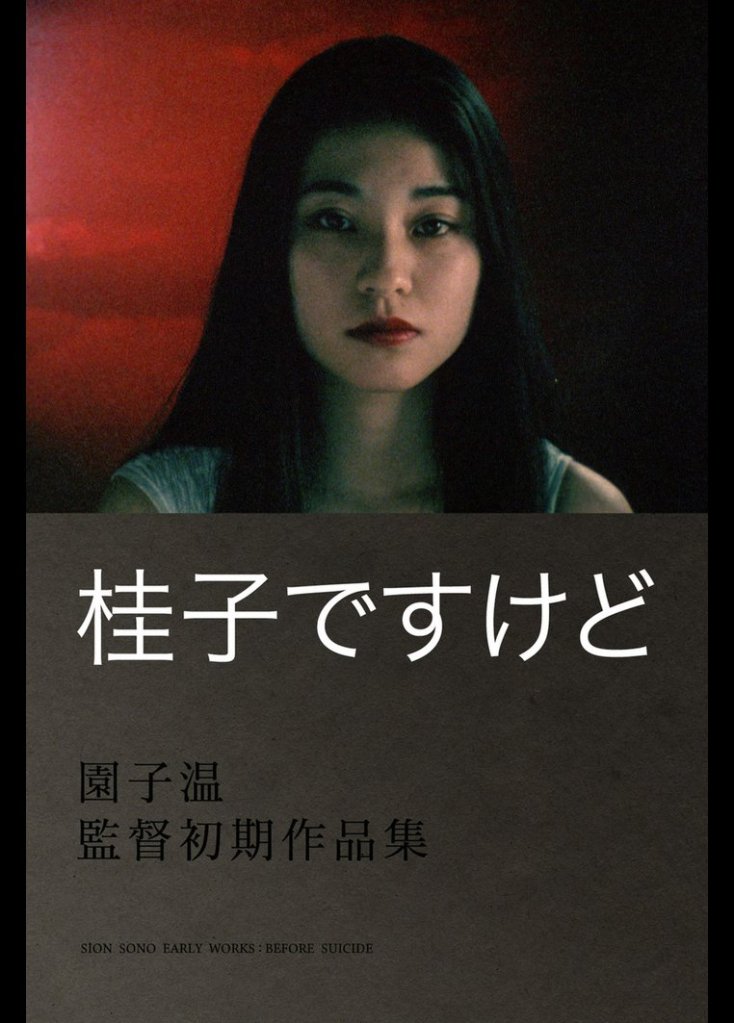 I was 21 years when I wrote this song, I’m 22 now but I won’t be for long…the leaves that are green are turning to brown for the heroine of Keiko Desu Kedo (桂子ですけど, “I am Keiko”). Approaching her 22nd birthday and with the recent death of her father ever present in her mind, she’s begun to feel the passage of time even more keenly. She doesn’t want to miss out on or forget anything so she’s going to share with us the last three weeks of her 21st year on Earth.
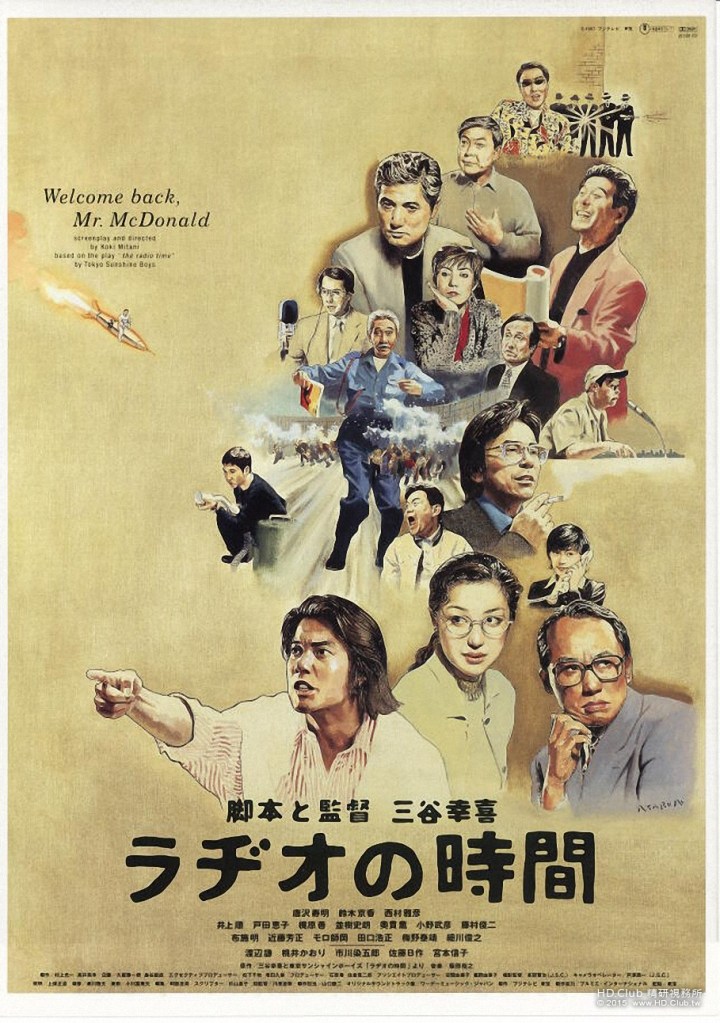 Koki Mitani is one of the most bankable mainstream directors in Japan though his work has rarely travelled outside of his native land. Beginning his career in the theatre, Mitani is the master of modern comedic farce and has the rare talent of being able to ground often absurd scenarios in the humour that is very much a part of everyday life. Welcome Back, Mr. McDonald (ラヂオの時間, Radio no Jikan) is Mitani’s debut feature in the director’s chair though he previously adapted his own stage plays as screenplays for other directors. This time he sets his scene in the high pressure environment of the production booth of a live radio drama broadcast as the debut script of a shy competition winner is about to get torn to bits by egotistical actors and marred by technical hitches.
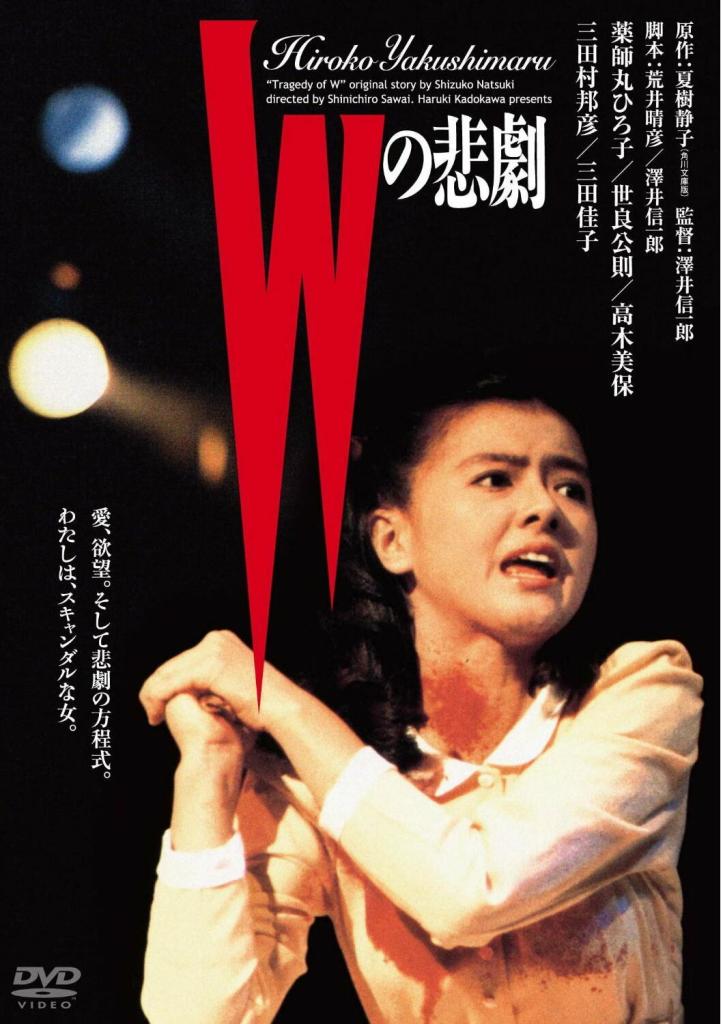 Hiroko Yakushimaru was one of the biggest idols of the 1980s. After starring in Shinji Somai’s
 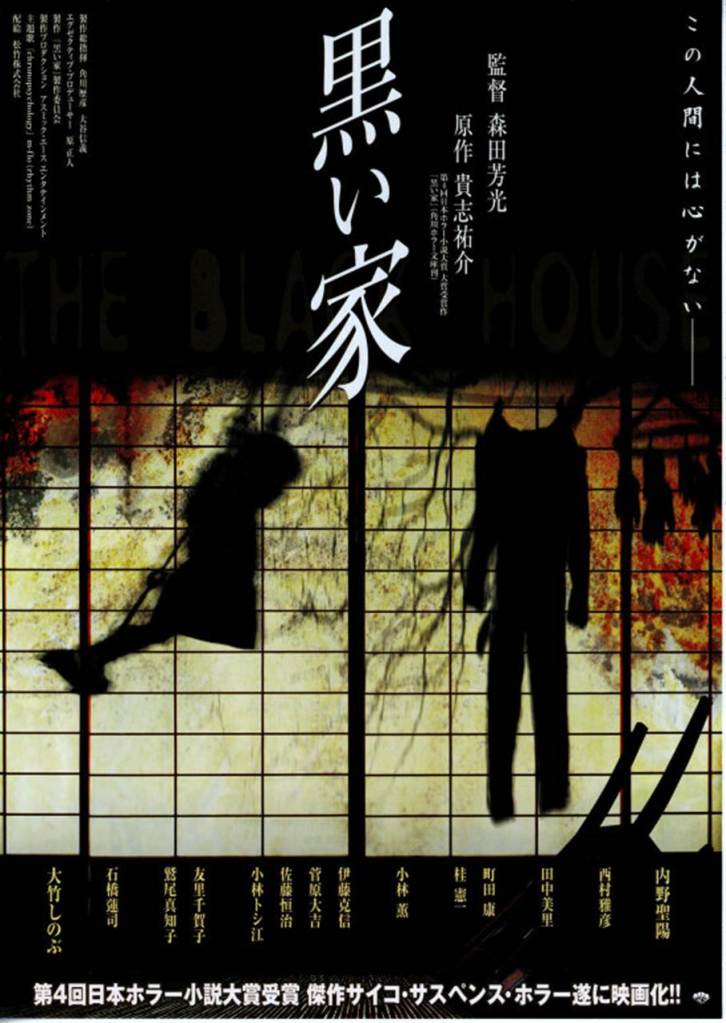 Yoshimitsu Morita, though committed to commercial filmmaking, also enjoyed trying on different kinds of directorial hats from from purveyor of smart social satires to teen idol movies, high art literary adaptations and just about everything else in-between. It’s no surprise then that at the height of the J-horror boom, he too got in on the action with an adaptation of Yusuke Kishi’s novel of the same name, The Black House (黒い家, Kuroi Ie). Though tagged as “J-horror” you’ll find no long haired ghosts here and, in fact, barely anything supernatural as the true horror on show is the slow descent into madness taking place inside the protagonist’s mind.
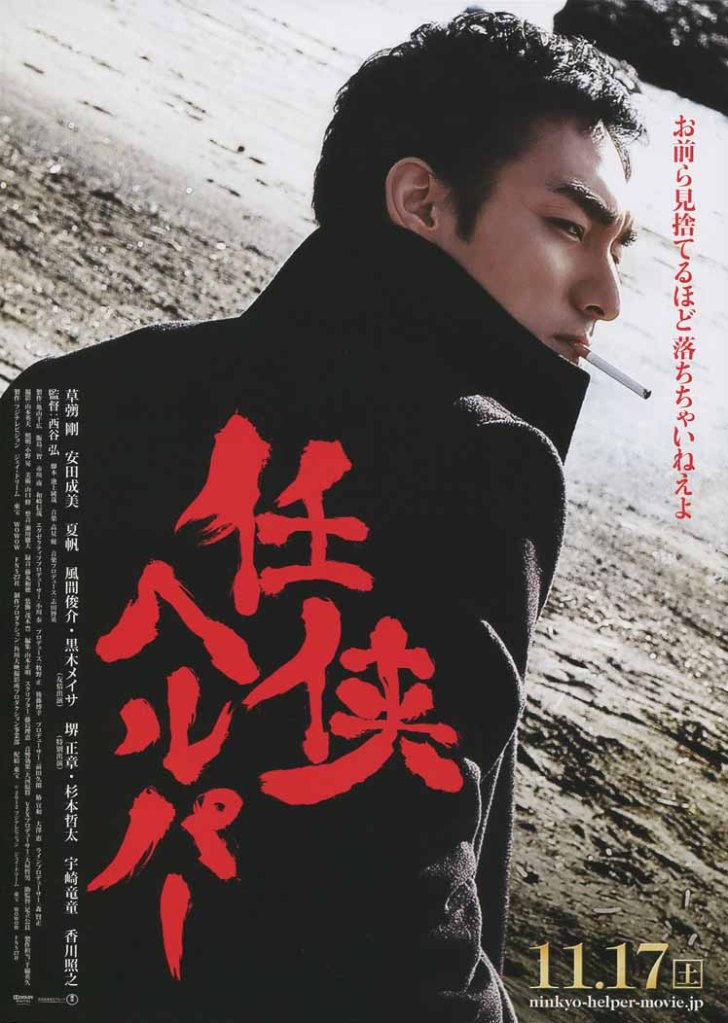 In old yakuza lore, the “ninkyo” way, the outlaw stands as guardian to the people. Defend the weak, crush the strong. Of course, these are just words and in truth most yakuza’s aims are focussed in quite a different direction and no longer extend to protecting the peasantry from bandits or overbearing feudal lords (quite the reverse, in fact). However, some idealistic young men nevertheless end up joining the yakuza ranks in the mistaken belief that they’re somehow going to be able to help people, however wrongheaded and naive that might be.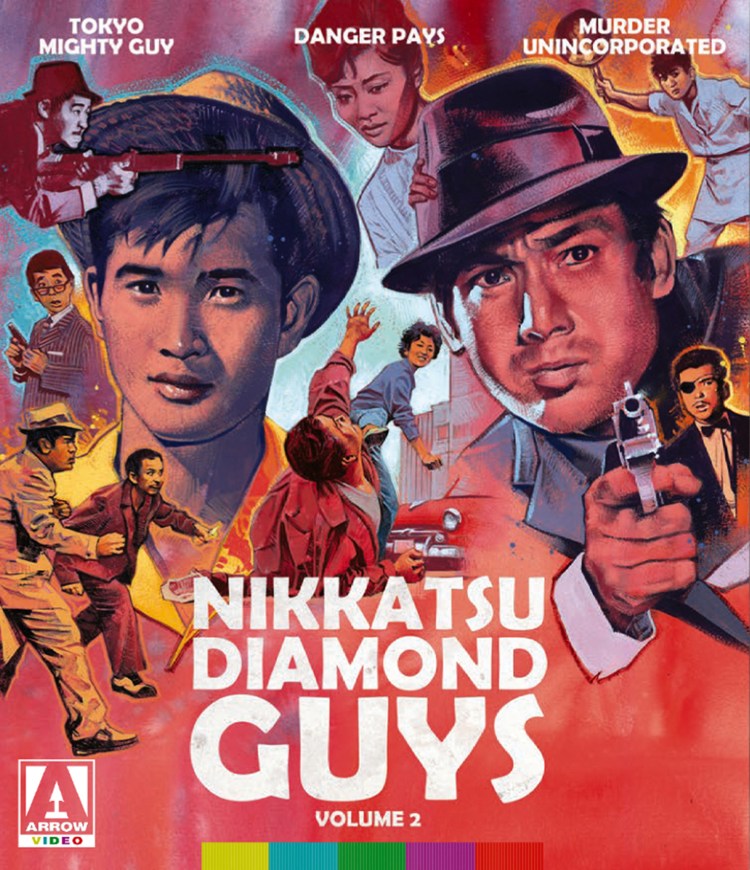
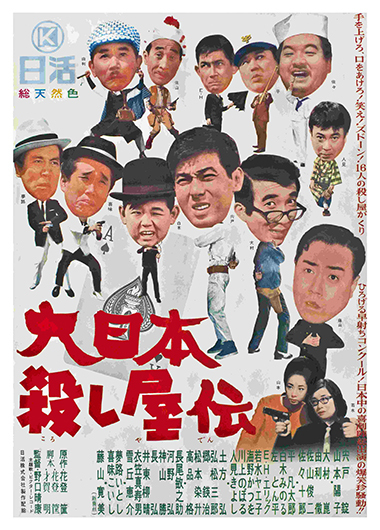 “If you don’t laugh when you see this movie, I’m going to execute you” abacus wielding hitman Komatsu warns us at the beginning of Haryasu Noguchi’s Murder Unincorporated (大日本殺し屋伝, Dai Nihon Koroshiya-den). Luckily for us, it’s unlikely he’ll be forced to perform any “calculations”, and the only risk we currently run is that of accidentally laughing ourselves to death as we witness the absurd slapstick adventures of Japan’s craziest hitman convention when the nation’s “best” (for best read “most unusual”) contract killers descend on a small town looking for “Joe of Spades” – a mysterious assassin known only by the mole on the sole of his foot.
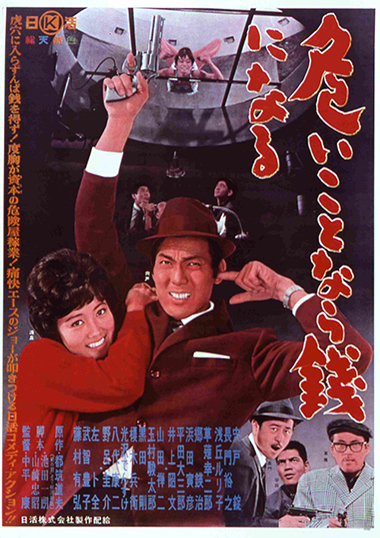 Where there’s danger, there’s money! Or, maybe just danger, who knows but whatever it is, it certainly doesn’t lack for excitement. Ko Nakahira is best known for his first feature, Crazed Fruit, the youthful romantic drama ending in speed boat murder which ushered in the Sun Tribe era. Though he later tried to make a return to more artistic efforts, it’s Nakahira’s freewheeling Nikkatsu crime movies that have continued to capture the hearts of audience members. Danger Pays (AKA Danger Paws, 危いことなら銭になる, Yabai Koto Nara Zeni ni Naru) is among the best of them with its cartoon-like, absurd crime caper world filled with bumbling crooks and ridiculous setups.
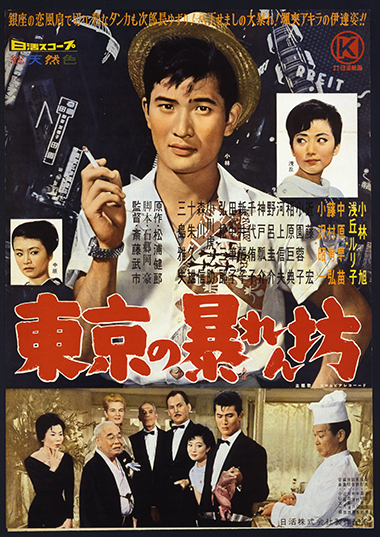 The bright and shining post-war world – it’s a grand place to be young and fancy free! Or so movies like Tokyo Mighty Guy (東京の暴れん坊, Tokyo no Abarembo) would have you believe. Casting one of Nikkatsu’s tentpole stars, Akira Kobayshi, in the lead, Buichi Saito’s Tokyo Mighty Guy is, like previous Kobayashi/Saito collaboration
  Windows on Worlds