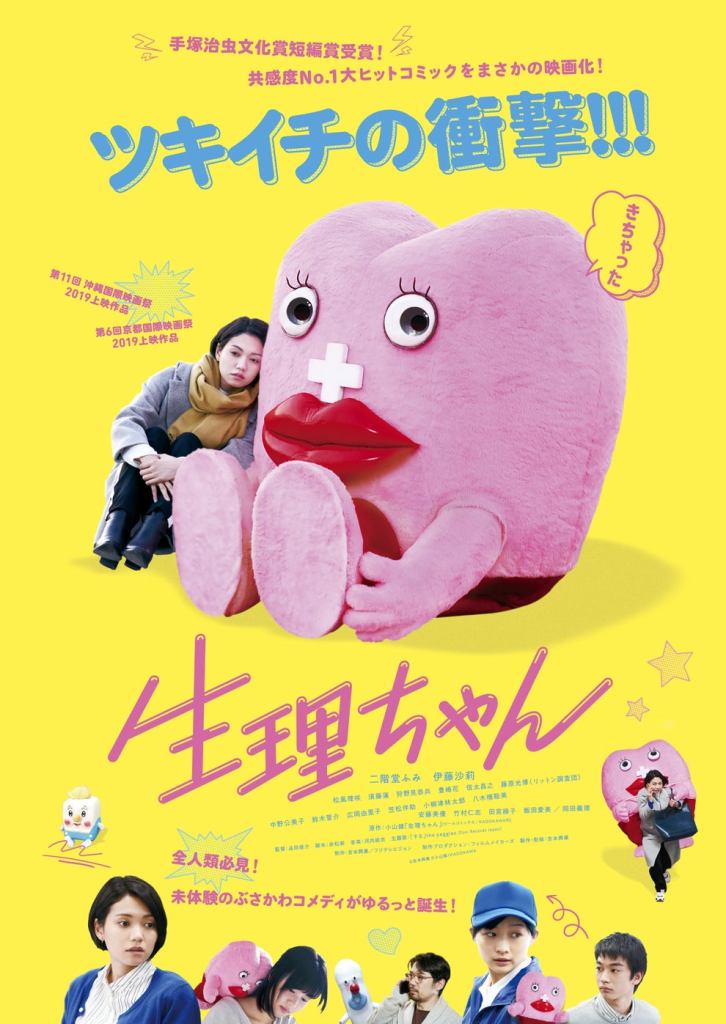
Little Miss Period (生理ちゃん, Shunsuke Shinada, 2019)

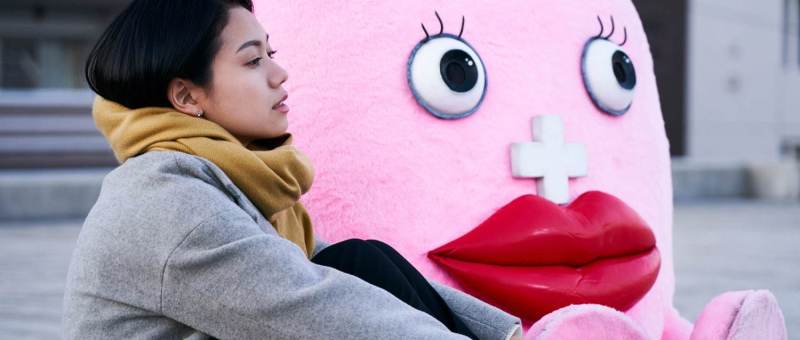
Perhaps surprisingly, Japanese cinema has never been afraid to tackle the sometimes taboo issue of menstruation but Little Miss Period (生理ちゃん, Seiri-chan) is certainly the first time it’s been turned into an accidental protagonist. Inspired by a popular web manga by Ken Koyama, who is male as is the director Shunsuke Shinada, the film revolves around the titular Little Miss P who arrives every month in the form of a giant pink fuzzy monster and generally causes havoc in women’s lives, but for all the trouble, pain, and inconvenience she causes Little Miss P also becomes a symbol of female solidarity and an accidental confidant whose presence can also be a comfort in regrettably patriarchal society. 

The first victim is Aoko (Fumi Nikaido), a young woman working in a busy publishing office who receives an inconvenient visit from Little Miss P while trying to sort out a problem with an uncommunicative writer which eventually leads to more trouble after the author begins bad mouthing them on social media and Aoko is given a public telling off by her sexist boss for failing to appreciate artistic temperament. Aoko’s boss is an unreconstructed chauvinist who makes deliberately inappropriate comments in the workplace and then jokes that he hopes he won’t be accused of harassment. He complains about Aoko looking tired and exclaims that these are the reasons he doesn’t like working with women, but running into a colleague in the ladies’ room, Aoko gets some practical though unhelpful advice coming from another woman to the effect that they can’t ever use Little Miss P as an “excuse” because it will just be seen as another reason to deny women the same rights and privileges as men. 

Aoko wishes that men could experience what it’s like to host Little Miss P if only once year and then perhaps they’d understand, though they also have problems of their own as manifested in the large white Mr. Sex Drive who appears out of nowhere to bother the boyfriend (Kyohei Kanomi) of Aoko’s younger sister Hikaru (Risaki Matsukaze). While Aoko laments the sexist atmosphere in the workplace that leaves her feeling as if she has to make a choice to be seen actively prioritising her career, being more present, more productive than the men just to be seen as equal, the office cleaner, Riho (Sairi Ito), resents her invisibility as a faceless service worker many regard as little more than a bot or real world NPC with no identity or interior life. She makes caustic comments about the vacuous lives of the office workers around her but has fully internalised this view of herself as worthless and undesireable. She resents Little Miss P in part because she doesn’t understand what the point of her visit is when it seems so unlikely that she would ever bear a child. 

Riho is so invested in her inferiority complex that she cannot comprehend that Aoko’s company want to hire her for writing gig after figuring out her secret blogger identity, believing it must be some kind of trick. In one sense, she might be right in that Aoko’s colleague Uchiyama (Ren Sudo) has an obvious crush on her, but still she finds it impossible to accept that she has a right to expect recognition as a human being and indeed as woman. Each of the women find themselves in dialogue with Little Miss P who often provides a quite literal shoulder to cry on as well a reassuring sense of “you got this” security. Aoko apologises to Little Miss P as she bids her goodbye for another month, admitting that it can’t be nice that in general no one is glad to see her (though there are of course cases in which they might be rather more than glad), but Little Miss P takes it all in her stride as part of the job and as much as she often causes trouble and inconvenience is also a warm and reassuring presence which unites women not so much in shared struggle but gentle camaraderie. 

It’s Little Miss P who helps Aoko bond with her prospective step-daughter Karin (Hana Toyoshima), while she perhaps remains ambivalent on the idea of marriage with its consequent loss of independence and the responsibility of suddenly becoming a mother for the first time to an adolescent girl. Female solidarity trumps family or romance, or at least so it seems as Aoko looks back on getting her own first visit from Little Miss P which threw her recently widowed single-father into an ambulance-calling panic but also resulted in a comforting dish of rice with red beans, traditionally eaten at moments of celebration. “Not everything about it is bad” Aoko tells a troubled Karin, “there’s nothing good about it. Not one thing” she replies, but Little Miss P has at least brought them together in female solidarity as they return to their respective, disappointingly patriarchal, worlds. 


Little Miss Period is available to stream online (Worldwide except Japan, Mainland China, Taiwan, Hong Kong, Macau, Thailand, Laos, Cambodia, & Myanmar) from 9th to 14th June as part of this year’s Nippon Connection Film Festival.

Original trailer (English subtitles)
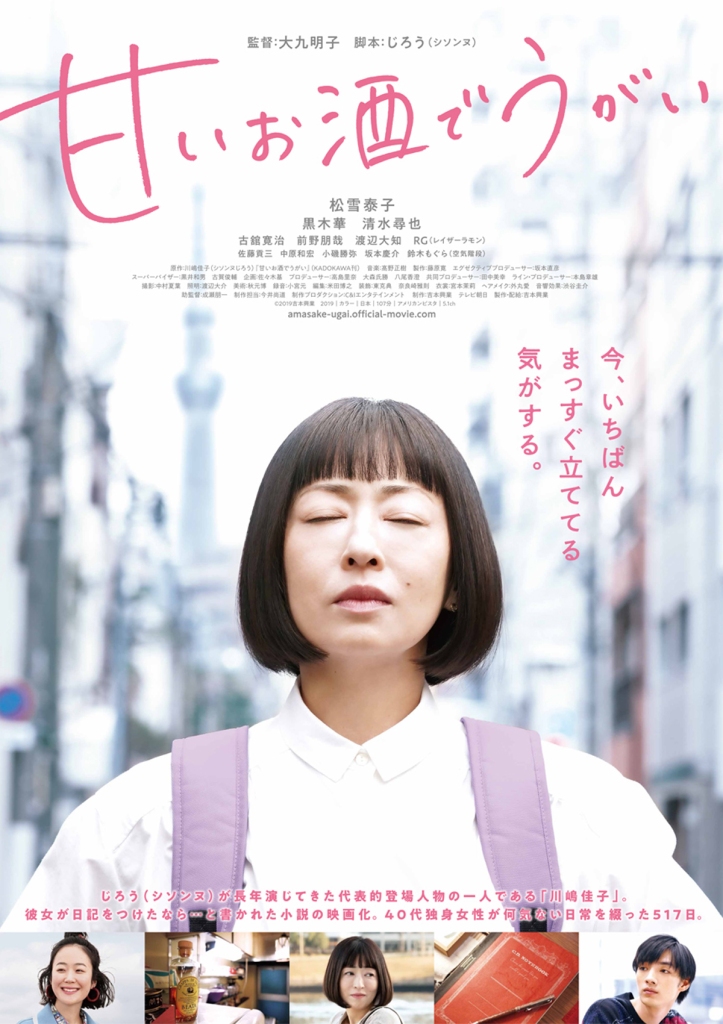
My Sweet Grappa Remedies (甘いお酒でうがい, Akiko Ohku, 2019)

In Tremble All You Want, Akiko Ohku showed us a painfully shy woman’s path towards seizing control of her romantic destiny while Marriage Hunting Beauty told us that there are no short cuts to love. My Sweet Grappa Remedies (甘いお酒でうがい, Amai Osake de Ugai) takes things one step further as a lonely middle-aged woman gradually finds the desire to make a change in her otherwise unchanging existence, coming to like herself as seen in the eyes of others and trusting in happiness however temporary it might turn out to be. 

40-something Yoshiko (Yasuko Matsuyuki) is an unmarried woman working at a publishing company. She tells us that she keeps a diary that she never expects any one to read, not even herself, and mostly spends her free time drinking alone at home or in elegant bars. From the sometimes lengthy gaps between entries, we can see that Yoshiko’s life is generally uneventful and essentially unchanging, that she has few friends, and though she gets by well enough on her own she often dwells on what might have been, disappointed that she was never able to become a mother. 

She is, however, a deeply caring person, sublimating her need for human attachment into anthropomorphising objects, gently patting her bicycle saddle as she parks it for the day and becoming alarmed that it has ended up “in prison” after being impounded. If she’d had children, she muses, she might never have let them leave the apartment. Yet when she discovers one of her favourite earrings is missing, she decides not to look for it because she accepts its decision, later welcoming it home when it makes an unexpected return. 

Overhearing the conversation of the women next to her at a bar, she wonders if their idle complaints that half the year is gone already are excessively negative but accepts that she too is living life in retrograde and needs to learn how to look forward with positivity, which might be why she starts making a series of small but active changes. She observes the world around her from a new angle in crossing a footbridge she has never crossed before, swaps her comfortable red loafers for grey high heels, and her futon for a bed. 

Some of these changes at least are down to an unexpected friendship with a young woman in her office, Wakabayashi (Haru Kuroki), who invites her out on paydays and brightens up the office atmosphere with her goofy antics. Yoshiko herself might be classically quirky, but she mainly keeps her quirks to herself, quietly getting on with her work, while Wakabayashi is the opposite, cheerfully outgoing yet perhaps just as lonely if in a less obvious way. It’s Wakabayashi who sets her on off another path by introducing her to a friend from university, Okamoto (Hiroya Shimizu), who has recently joined their company and to whom Yoshiko had already taken a liking in passing though he is more than 20 years her junior.  

Too shy to shout bingo, Yoshiko is a lifelong believer in love, observing a young couple at festival and hoping they enjoy a night of passion in the fullness of their youth. She still remembers old anniversaries with long gone exes and wonders if they still remember her, but resents the universe’s attempts to test her with texts from past lovers every time she becomes interested in another man. The fact that Okamoto is so much younger is never really an issue, though Yoshiko admits that she likes the fact he seems to favour older, lived in homes over sparkling new builds while she helps him look for a new apartment. 

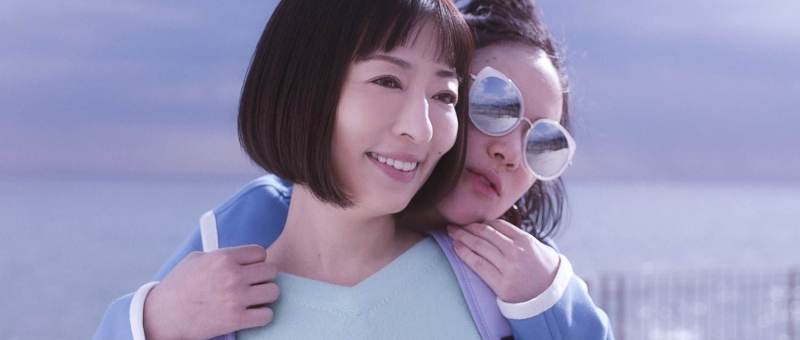
Yoshiko celebrates the fact that colour seems to be returning to her black and white days, her desire to see the dark sea where she feels closest to death in order to reaffirm her connection to life seemingly receding. From her childhood, Yoshiko had wondered if the woman she sees in the mirror is the same one everyone else sees, but later realises that the vision of herself reflected is “somewhat nice”, catching sight of herself in Wakabayashi’s mirrored sunshades and noticing that she is in fact smiling. Reinvigorated by her younger friends, Yoshiko steps into an acceptance of herself, looking forward rather than back and willing to take on new challenges rather than merely dropping into a defensive position of protecting the irreplaceable. No longer dark and foreboding, the sea is now sunny and calm, a scene of peace and positivity with nary a cloud on the horizon.


My Sweet Grappa Remedies is available to stream online (worldwide excl. Japan, Mainland China, Taiwan, USA, & Italy) from 9th to 14th June as part of this year’s Nippon Connection Film Festival.

Original trailer (no subtitles)

20th Nippon Connection ONLINE Film Festival Confirms Full Program

Not even a global pandemic can stop our love for Japanese cinema! The world’s largest showcase for Japanese film, Nippon Connection is going online for the first time ever to deliver some of the best recent hits from Japan to homes around the world. The festival will be partnering with streaming service Vimeo from 9th to 14th June. Each film is €5 to rent and is valid for 24 hours after purchase. Of course, not everything is available everywhere and though most films are streaming with English subtitles exceptions have been noted below.

Nippon Cinema

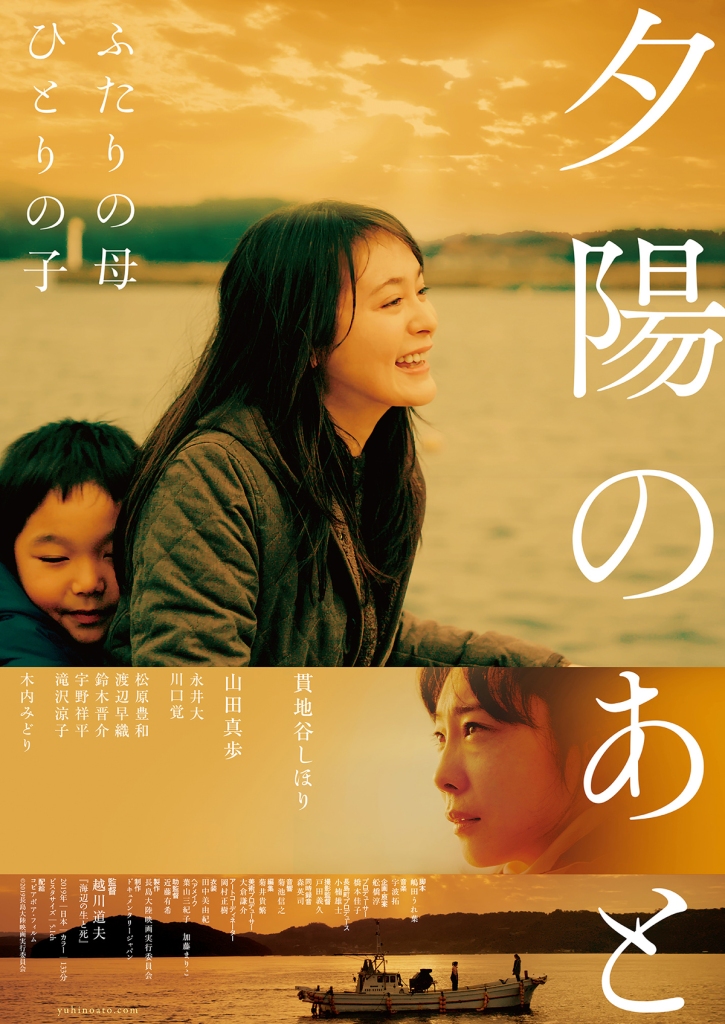
  • After The Sunset – family drama in which a couple try to do what’s best for an abandoned child. English subtitles. Germany only.
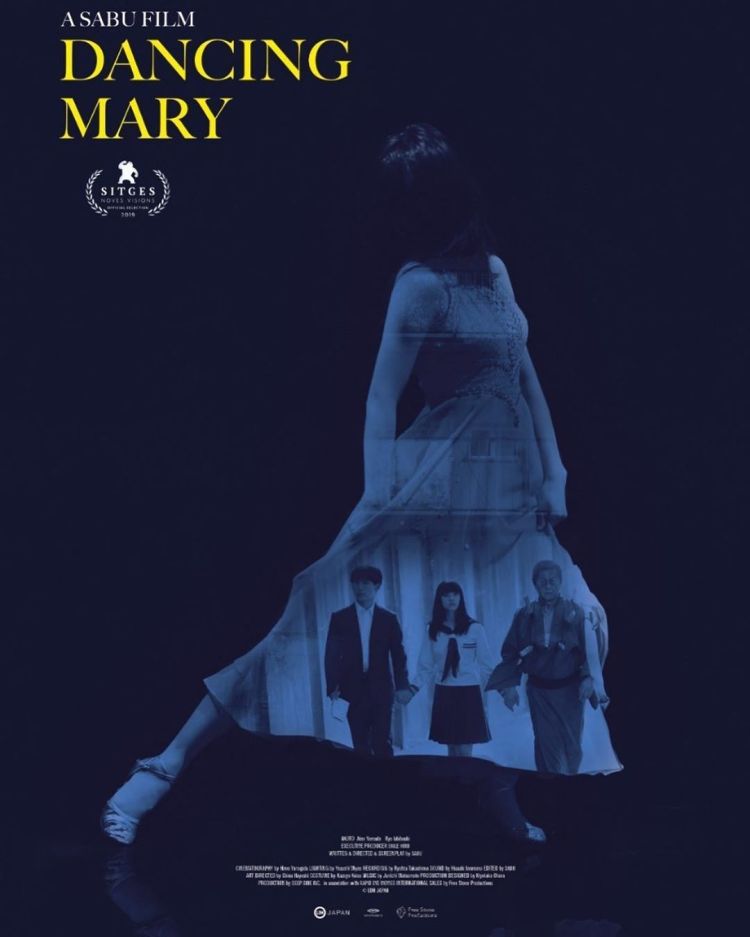
  • Dancing Mary – latest from SABU in which a civil servant is charged with organising the demolition of a disused disco which turns out to be haunted. English subtitles. Germany only.
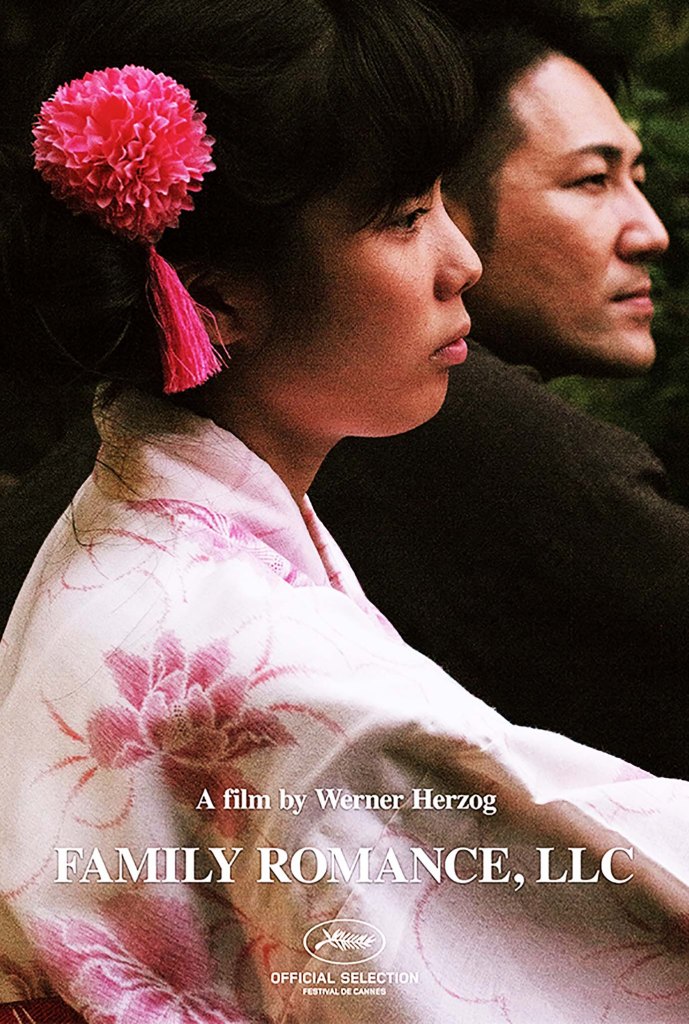
  • Family Romance, LLC – Werner Herzog’s fake family drama. English subtitles. Germany only.
  • Labyrinth of Cinema – final film from Nobuhiko Obayashi in which three youngsters find themselves lost in the movies. English subtitles. Germany only.
  • Little Miss Period – adaptation of the popular manga in which a harried publisher is joined by a monthly visitor in the form a giant pink fluffy monster. English subtitles. Worldwide except Japan, Mainland China, Taiwan, Hong Kong, Macau, Thailand, Laos, Cambodia, & Myanmar
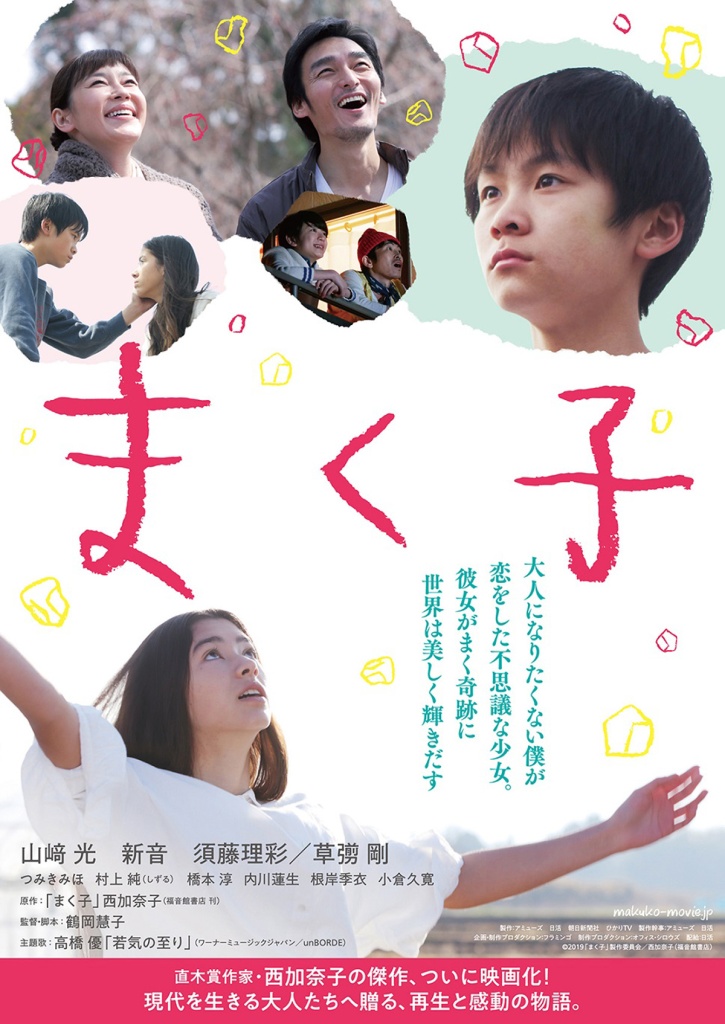
  • Makuko – adaptation of Kanako Nishi’s novel in which a young boy becomes fascinated with the girl who moves into his family’s guest house. English subtitles. Germany only.
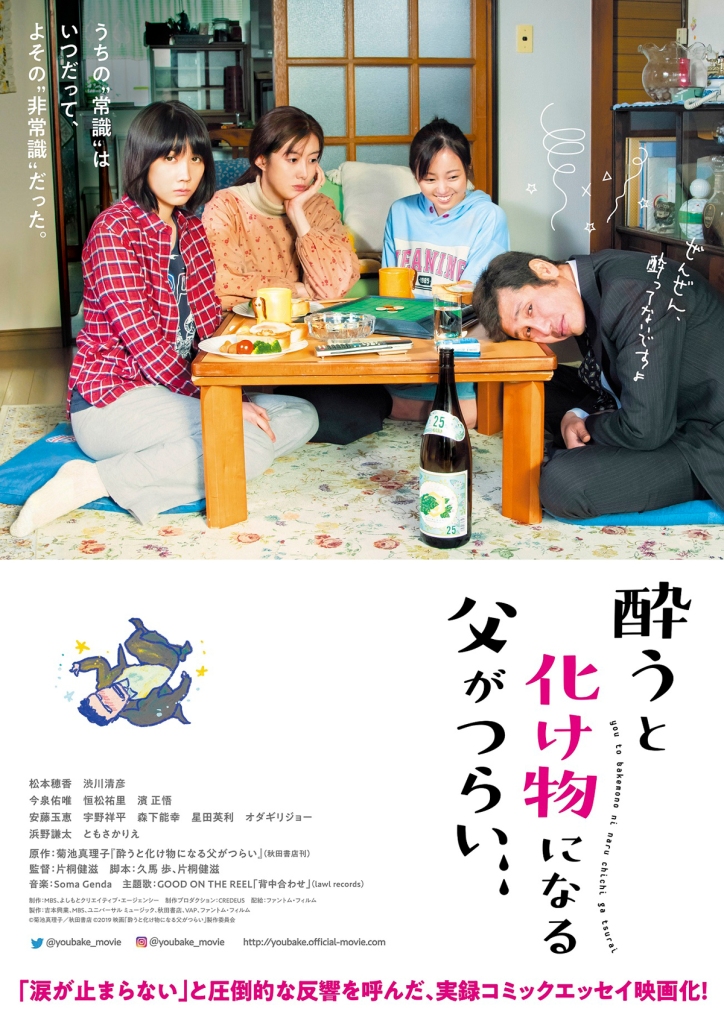
  • A Life Turned Upside Down: My Dad’s an Alcoholic – light hearted drama about living with an alcoholic dad starring Kiyohiko Shibukawa. English subtitles. Worldwide excl Japan & Mainland China.
  • My Sweet Grappa Recipes – latest from Akiko Ohku in which a lonely middle-aged woman finds love and friendship with the help of an outgoing colleague. English subtitles. Worldwide excl Japan, Mainland China, Taiwan, USA, & Italy
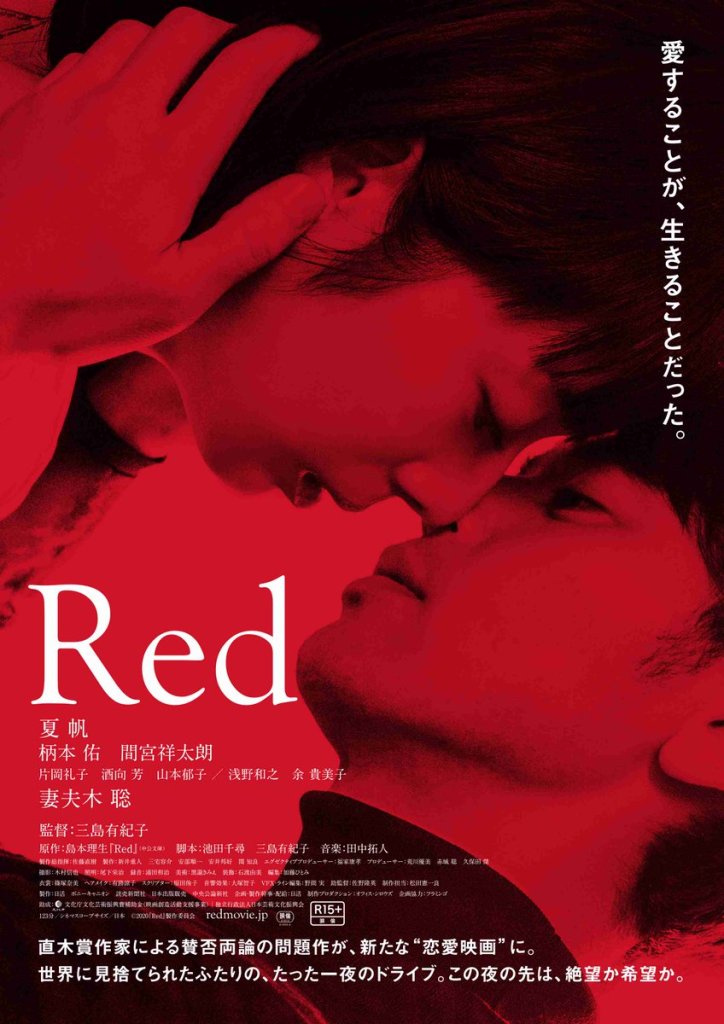
  • Shape of Red – steamy drama from Yukiko Mishima in which an unfulfilled married woman (Kaho) embarks on a passionate affair with an old lover (Satoshi Tsumabuki). English subtitles. Germany only.
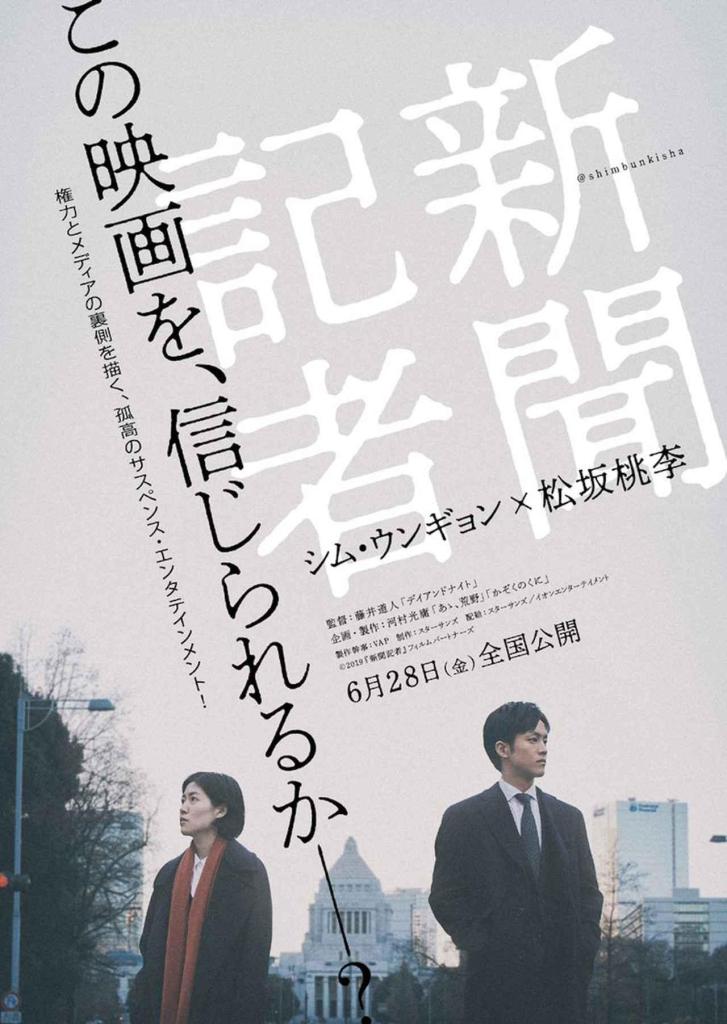
  • The Journalist – political thriller from Michihito Fujii loosely inspired by real life reporter Isoko Mochizuki who is also the subject of i -Documentary of the Journalist- streaming in the docs strand. Review. English subtitles. Germany only.
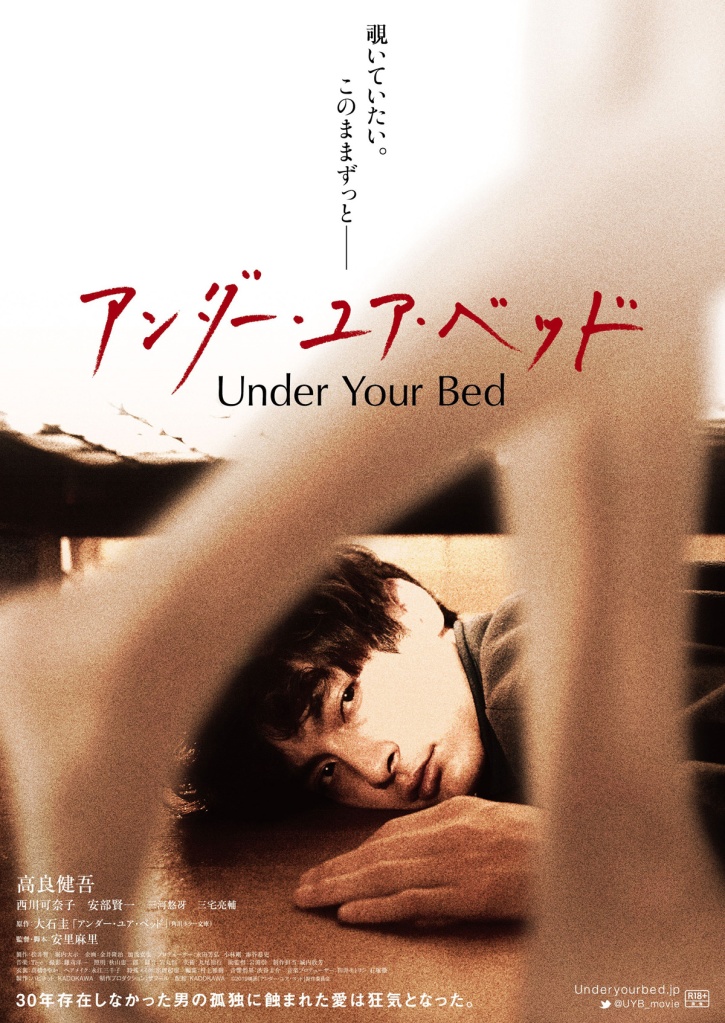
  • Under Your Bed – Mari Asato’s sympathetic stalker drama starring Kengo Kora as an isolated young man yearning for a single word from a woman he knew in college. Review. English subtitles. Germany only.

Nippon Visions

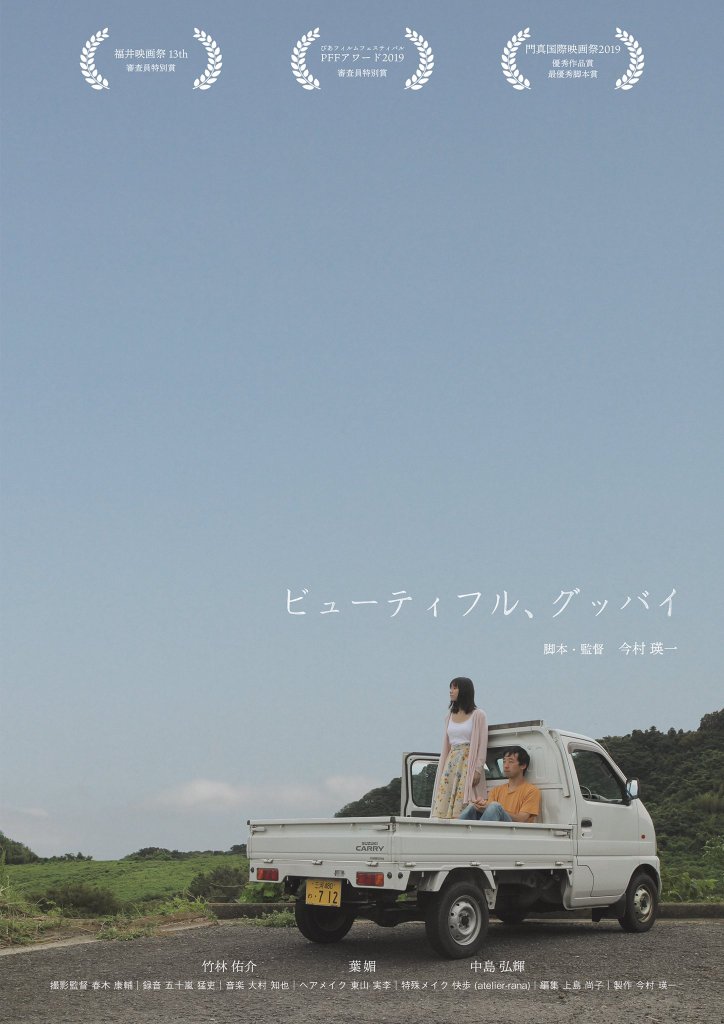
  • Beautiful, Goodbye – award-winning Pia indie drama in which a man on the run knocks over a woman who turns out to be a zombie! English subtitles. Worldwide.
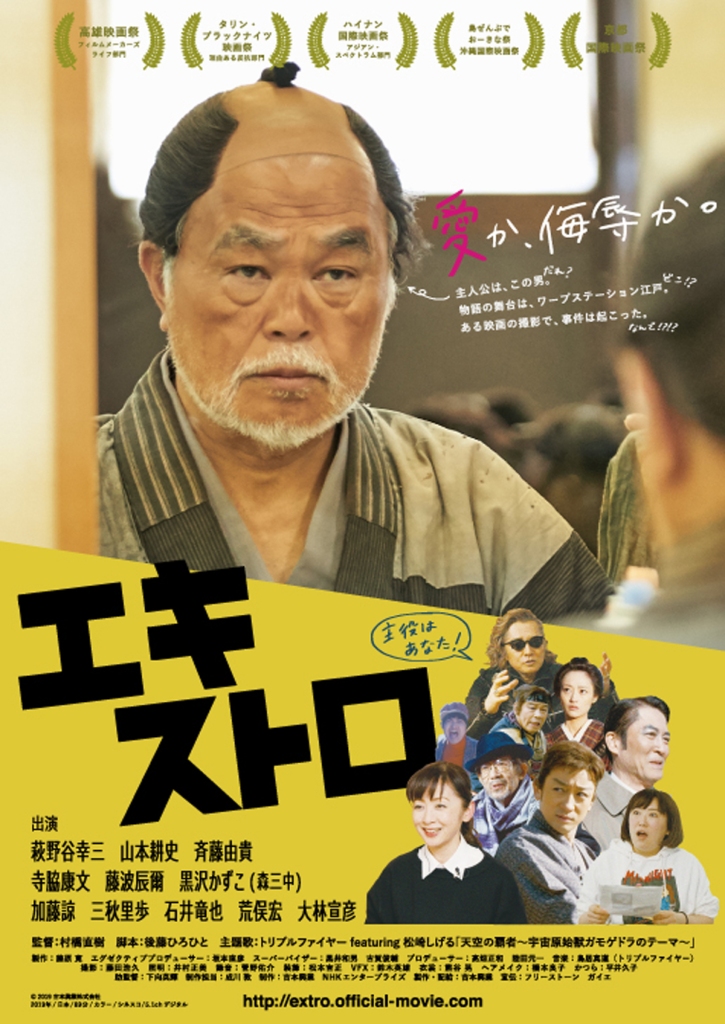
  • Extro – mockumentary in which a 64-year-old dental technician tries to fulfil a life long dream as jidaigeki extra. English subtitles. Worldwide excl Japan, USA.
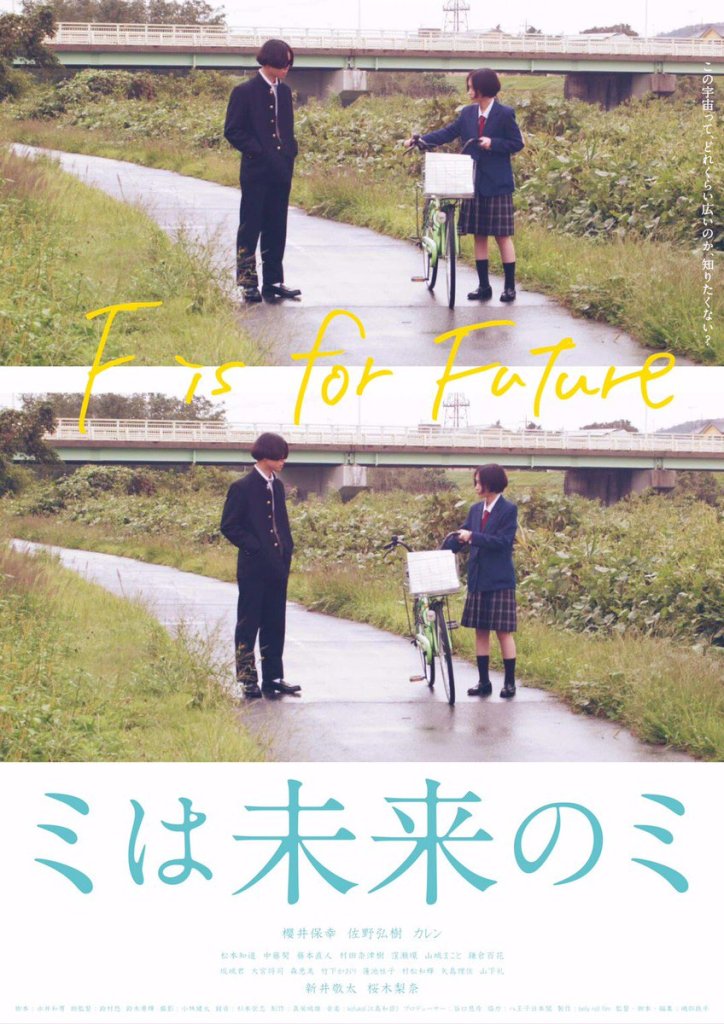
  • F is for Future – drama in which a young man tries to fulfil a promise to a friend to get rid of his porn collection before his parents find it. English subtitles. Europe.
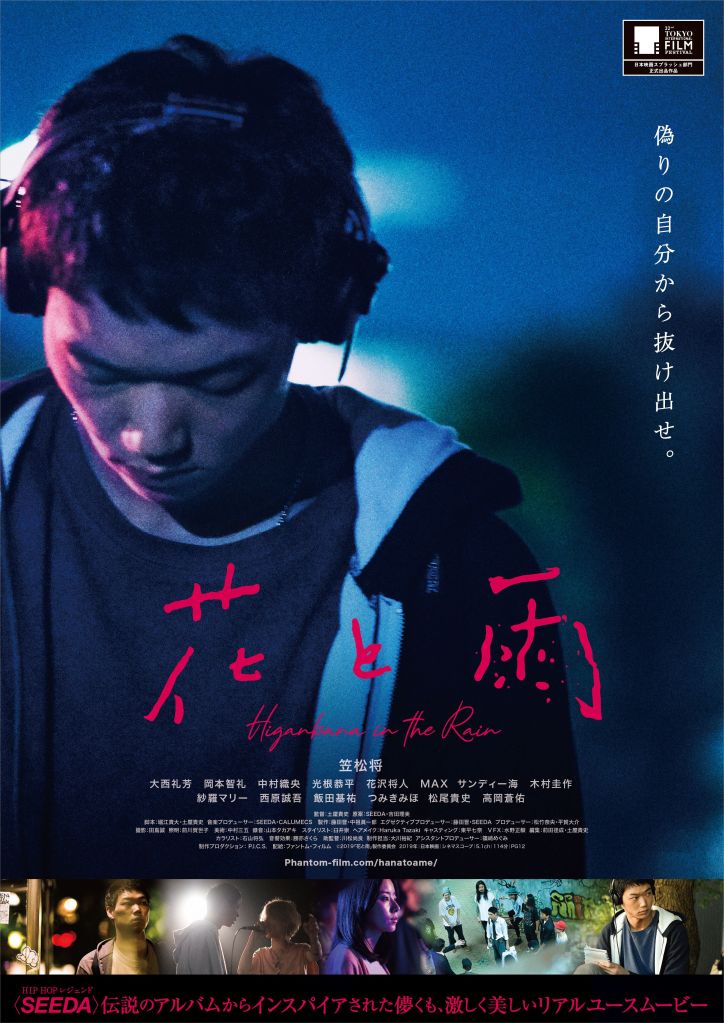
  • Flowers and Rain – hip hop drama featuring the music of SEEDA. English subtitles. Worldwide.
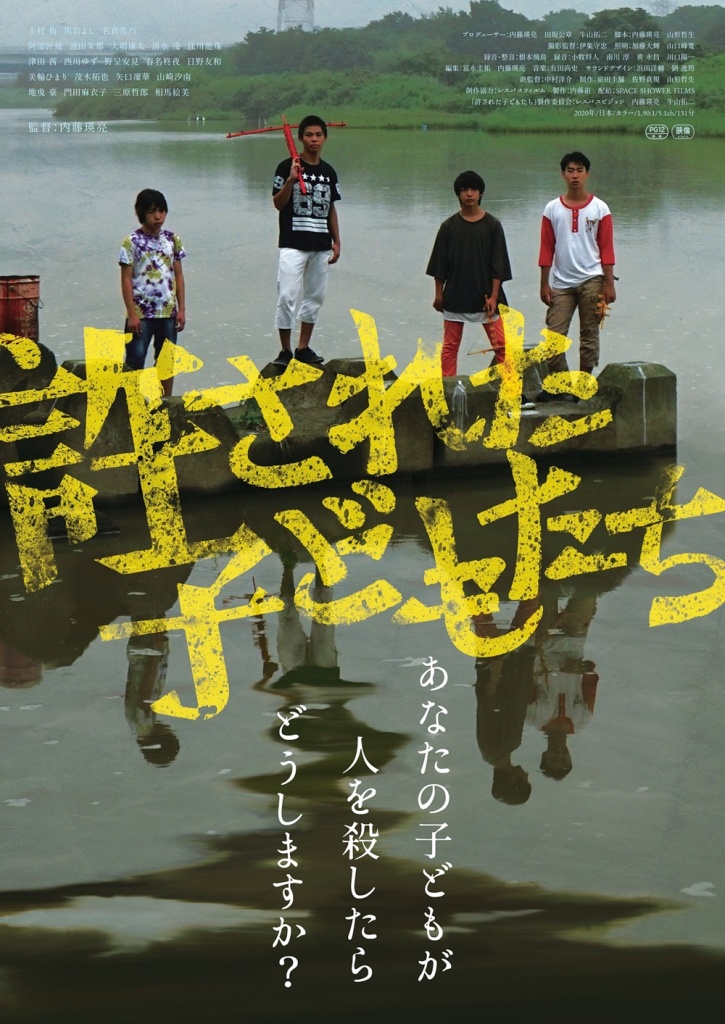
  • Forgiven Children – drama in which a young man kills a friend by accident but is acquitted due to lack of evidence and becomes a social pariah. English subtitles. Germany only.
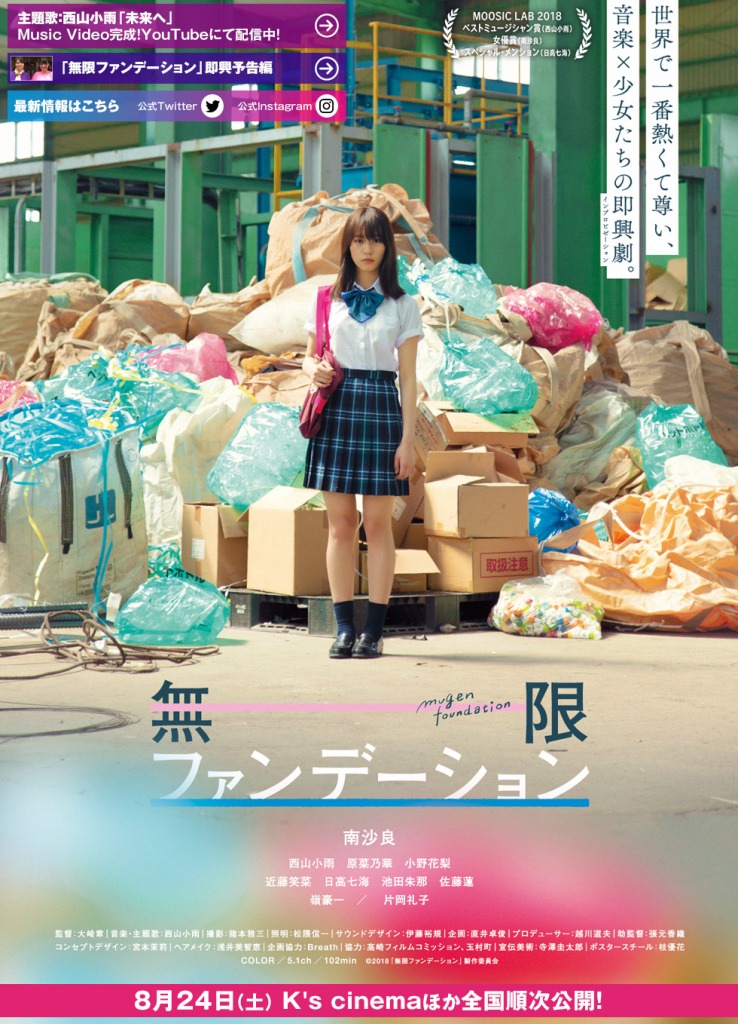
  • Infinite Foundation – improvised musical drama revolving around the songs of Cosame Nishiyama. English subtitles. Worldwide.
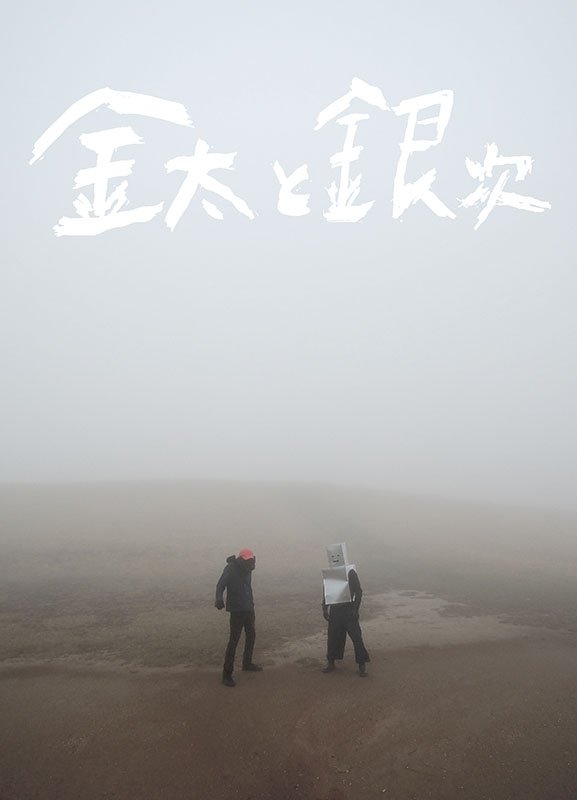
  • Kinta and Ginji – surreal drama about the friendship of a tanuki and a robot. English subtitles. Worldwide.
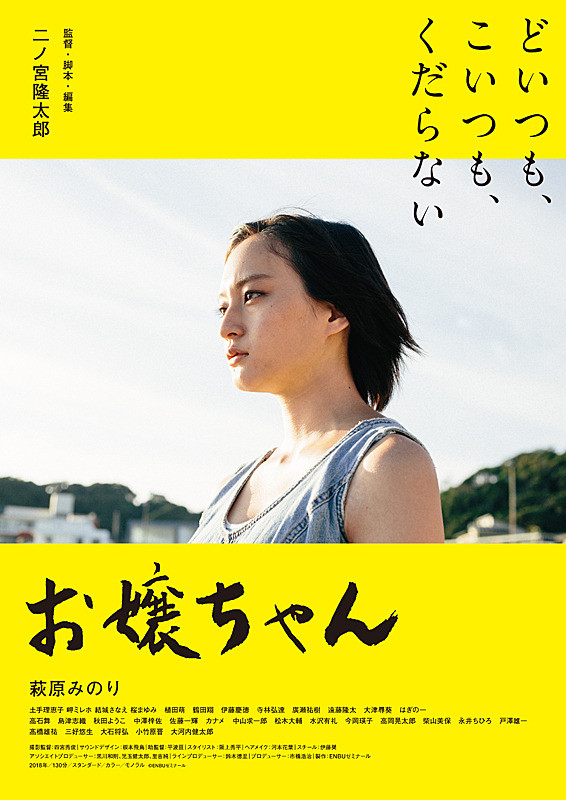
  • Minori on the Brink – latest from Ryutaro Ninomiya in which a young woman courts controversy with her uncompromising authenticity. English subtitles. Worldwide excl Japan & Italy
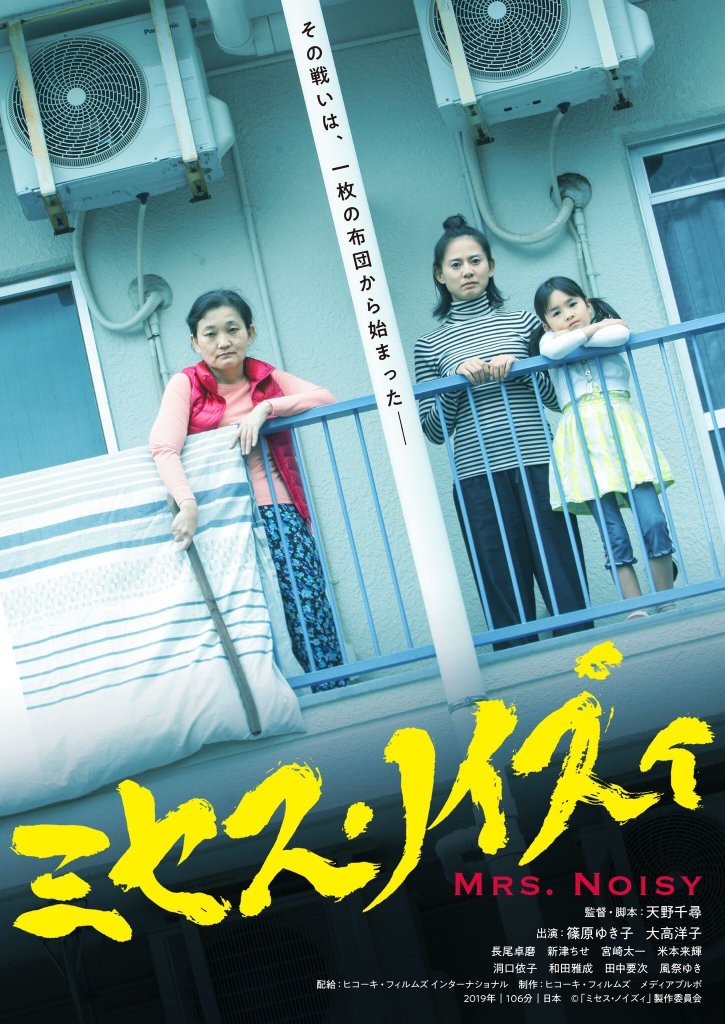
  • Mrs Noisy – a blocked writer blames all her problems on the noisy woman next-door in Chihiro Amano’s quiet plea for a little more understanding. Review. English subtitles. Germany only.
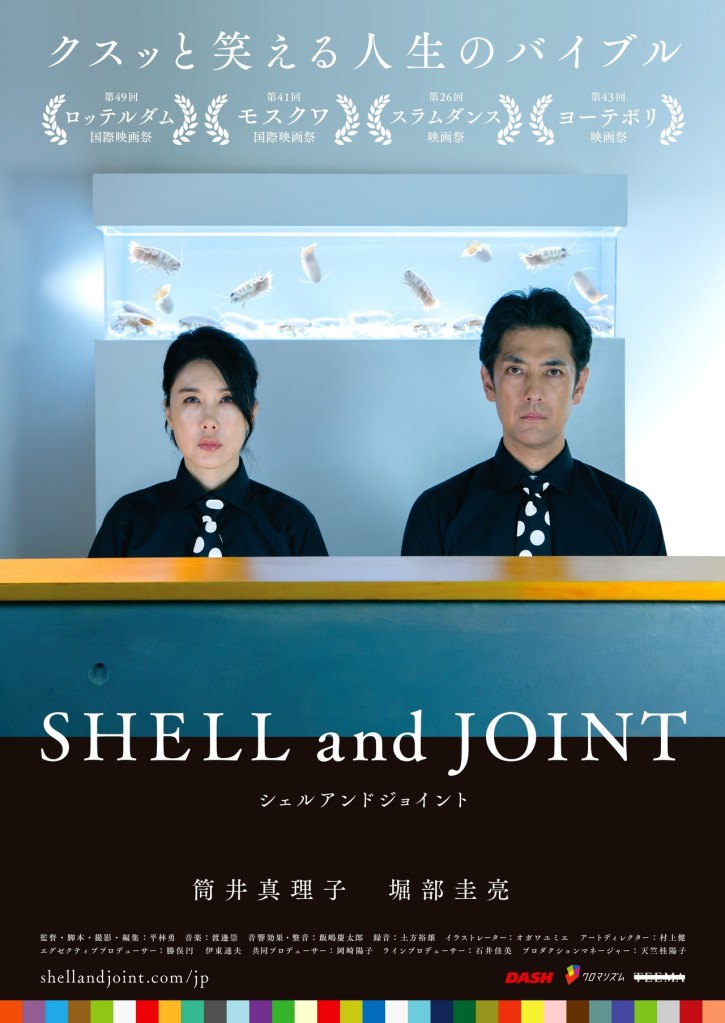
  • Shell and Joint – surreal drama from Isamu Hirabayashi. English subtitles. Worldwide.
  • Tamaran Hill – playful drama in which a young woman gets lost in a book. English subtitles. Worldwide.
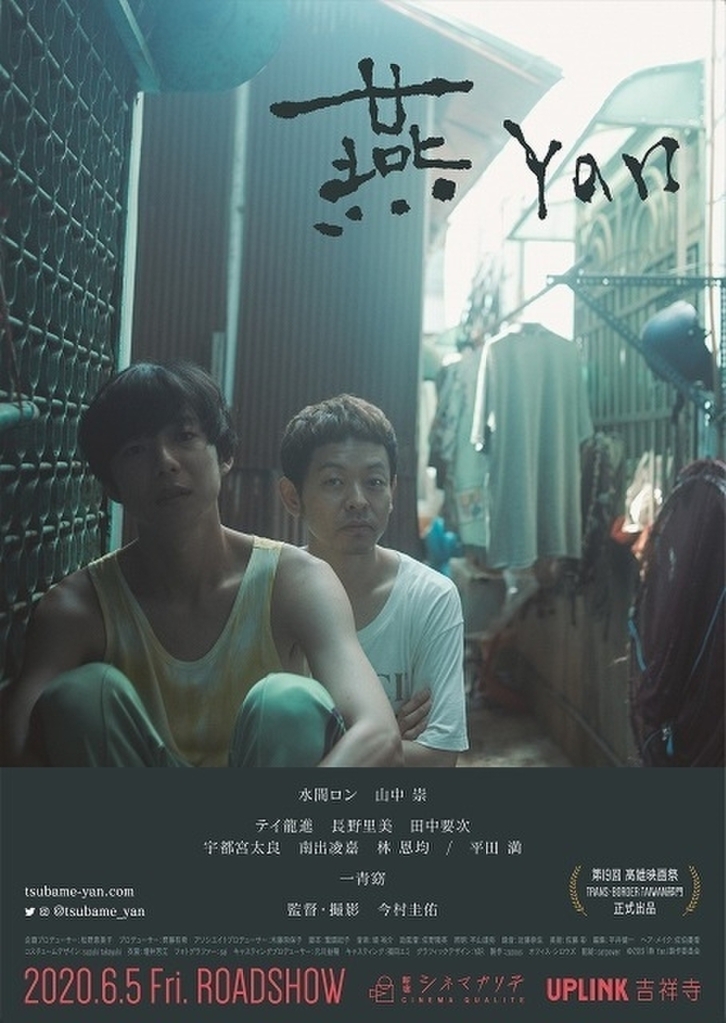
  • Yan – A man travels to Taiwan to reunite with his brother 20 years after he returned to the island with their Taiwanese mother. English subtitles. Europe.
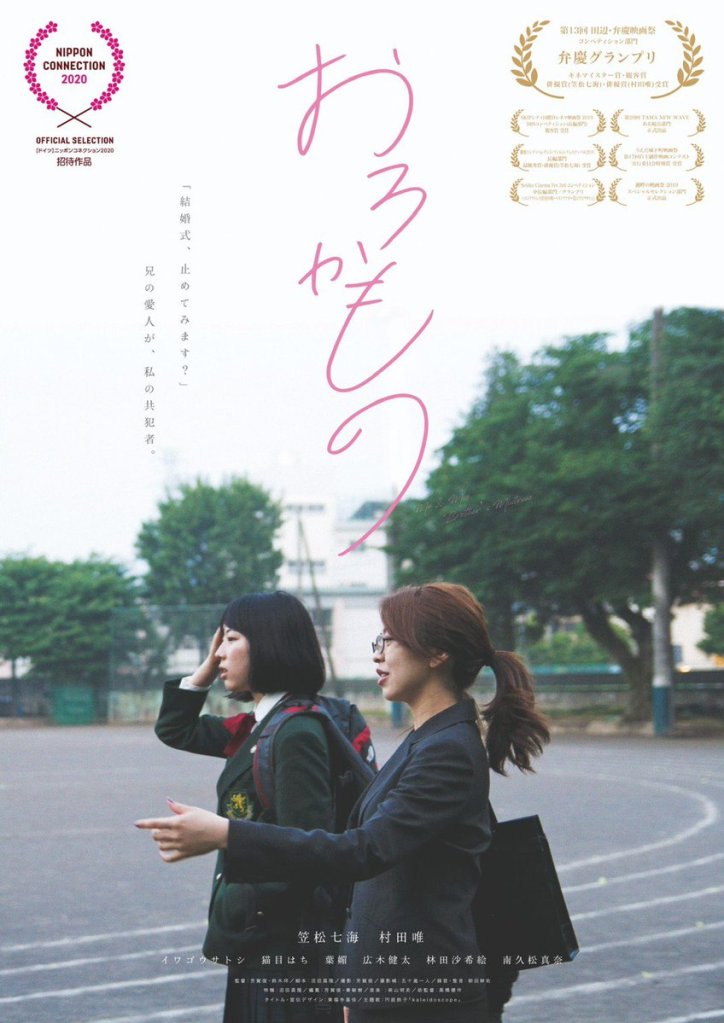
  • Me & My Brother’s Mistress – a woman spots her brother out with a woman who is not his fiancée but starts to wonder if she might be better for him after all. English subtitles. Worldwide excl Japan.

Nippon Docs

  • Ainu Indigenous People of Japan – documentary focussing on the Ainu indigenous people of Hokkaido. Germany only.
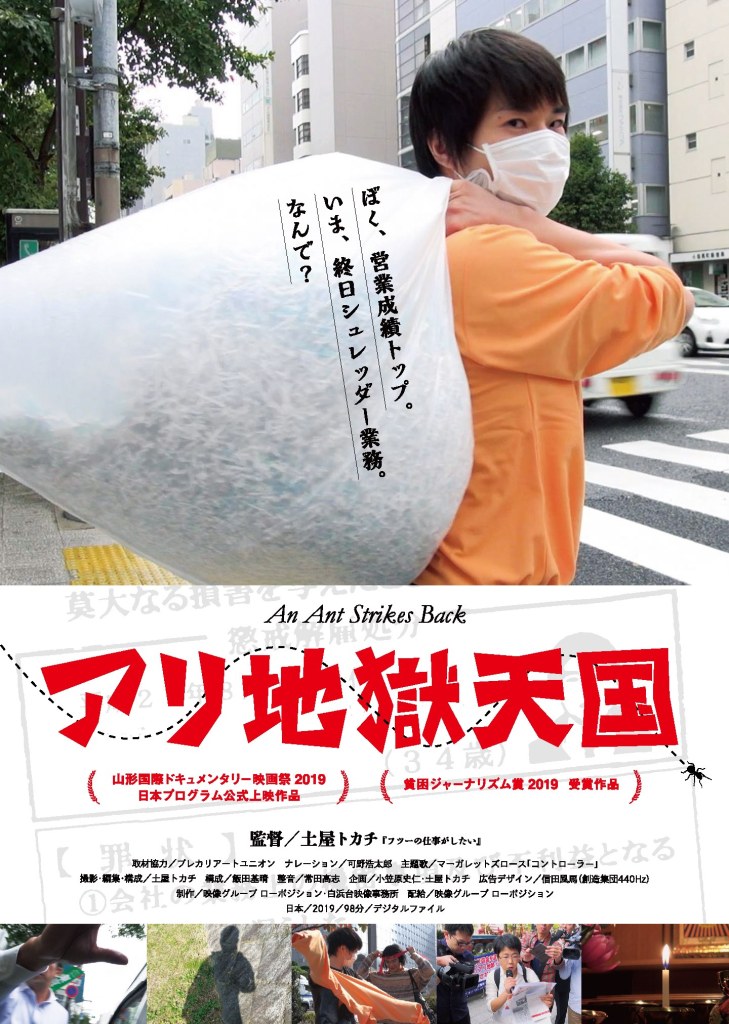
  • An Ant Strikes Back – documentary following a man resisting Japan’s rigid culture of overwork through union activities. English subtitles. Worldwide.
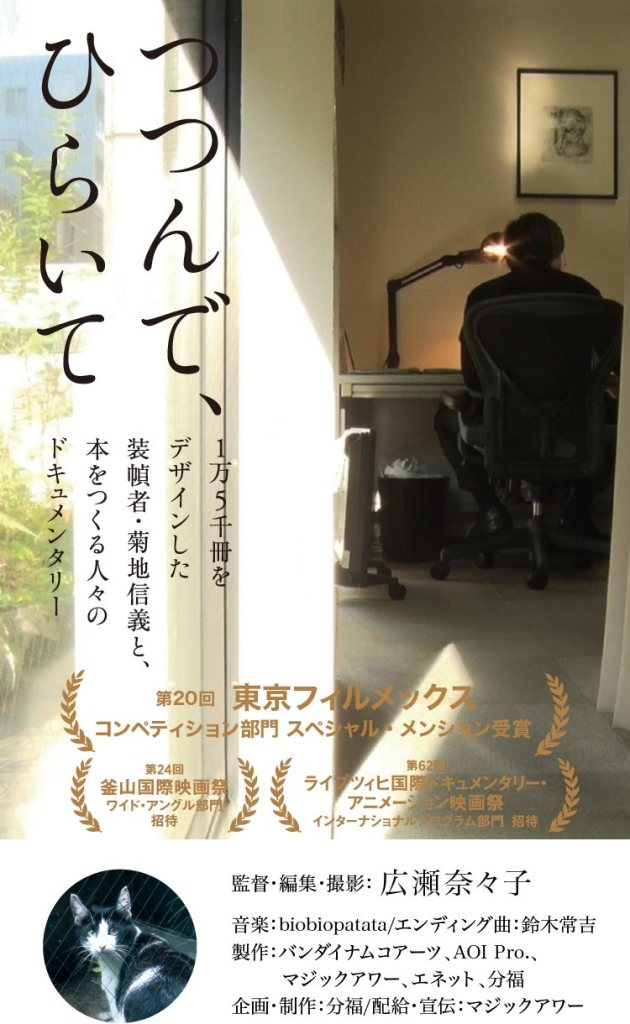
  • Book-Paper-Scissors – Nanako Hirose explores the life of book designer Nobuyoshi Kikuchi. English subtitles. Worldwide.
  • Cenote – experimental doc from Kaori Oda. English subtitles. Worldwide excl. Japan.
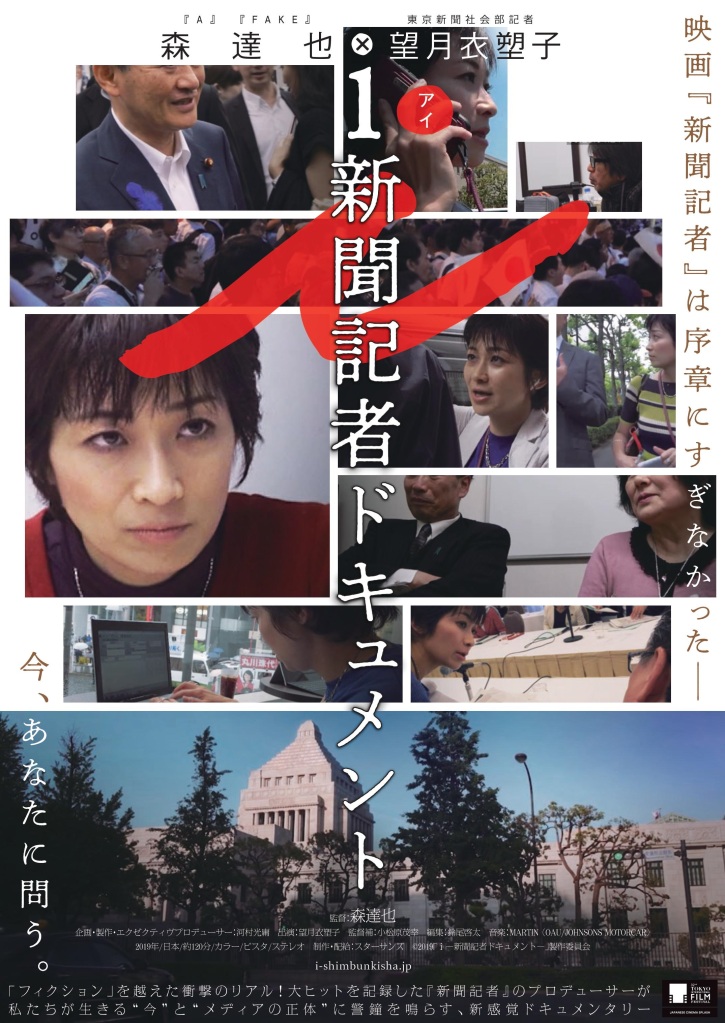
  • i -Documentary of the Journalist- – documentary following outspoken journalist Isoko Mochizuki. English subtitles. Germany only.
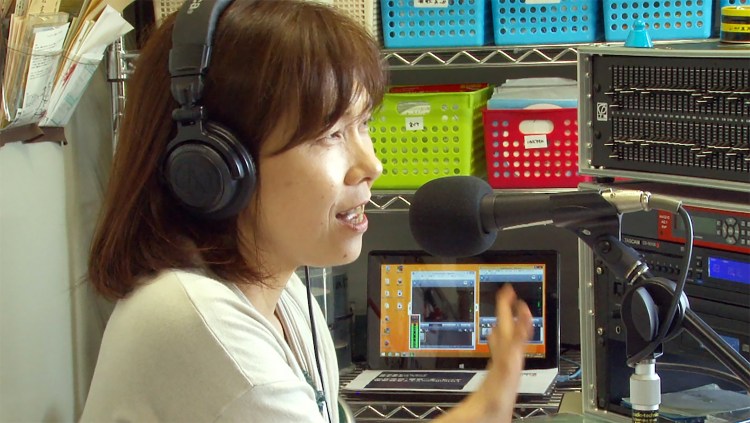
  • Listening to the Air – documentary following a radio host in post-tsunami Tohoku. English subtitles. Worldwide excl. Japan.
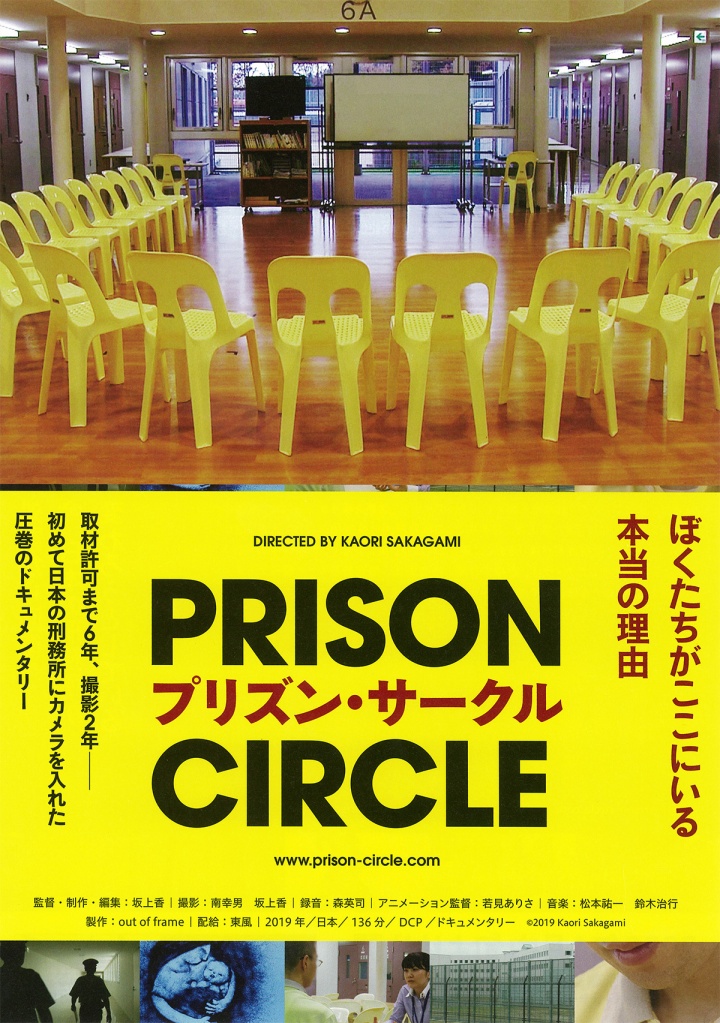
  • Prison Circle – documentary exploring therapy programs for prison inmates hoping to reintegrate into mainstream society. English subtitles. Germany only.
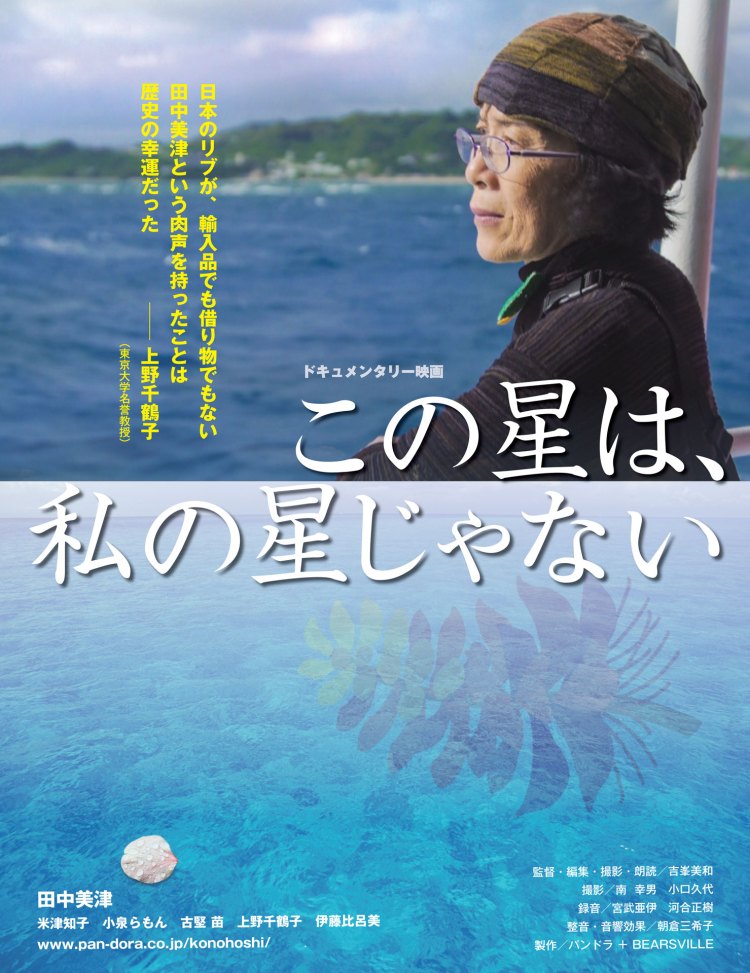
  • This Planet is Not My Planet – documentary following feminist pioneer Mitsu Tanaka. English subtitles. Germany only.
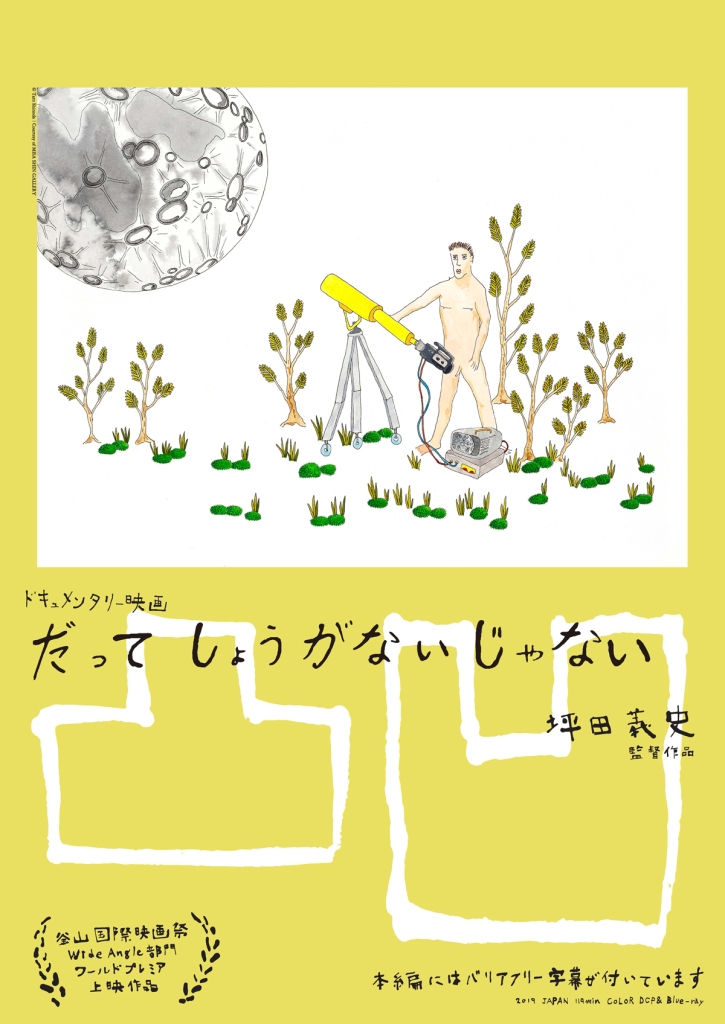
  • What Can You Do About It? – a filmmaker with ADHD documents his friendship with a relative who has Pervasive Developmental Disorder. English subtitles. Germany only.
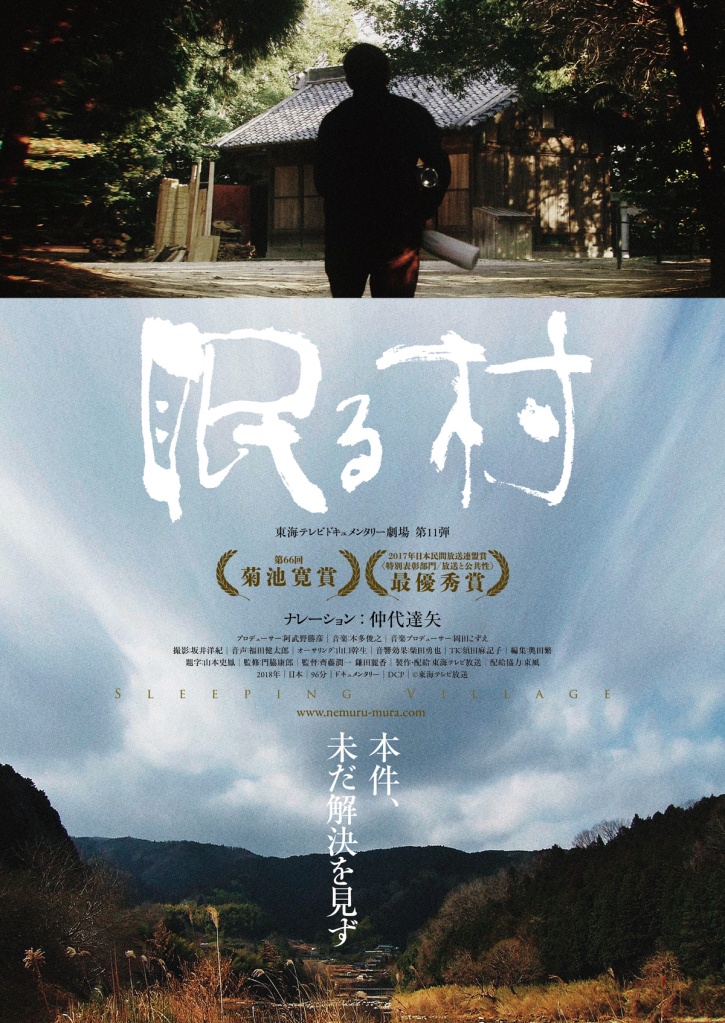
  • Sleeping Village – documentary exploring the Nabari Poison Wine Incident in which a man confesses to killing five neighbours to get rid of his wife and lover but later retracts and protests his innocence. English subtitles. Worldwide excl. Japan.

Nippon Animation

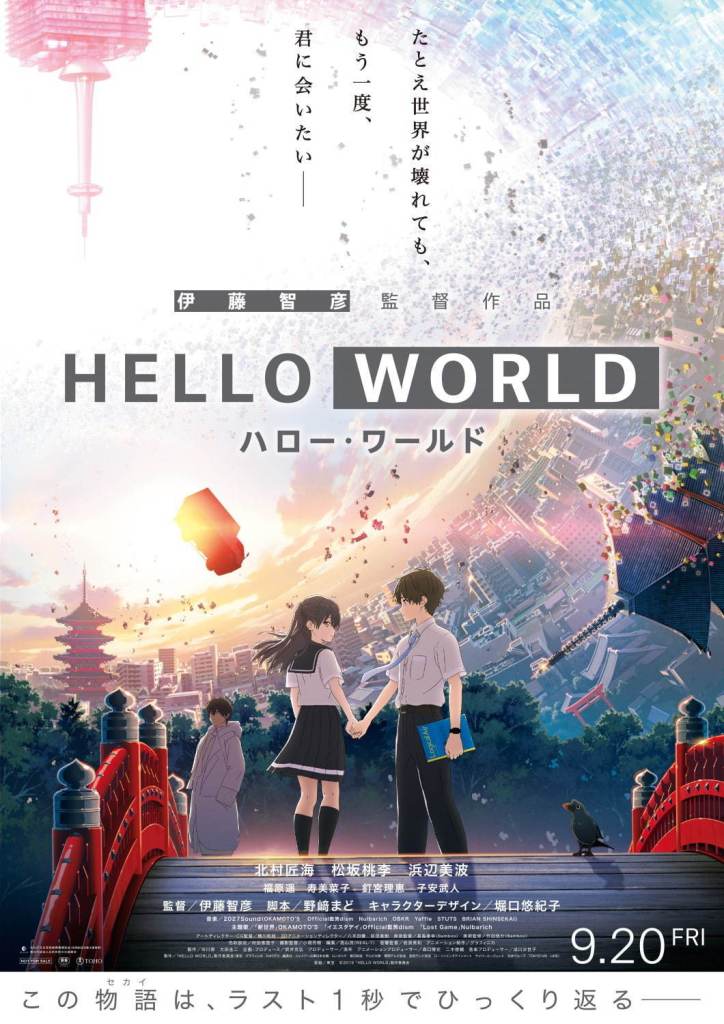
  • Hello World – a high School student receives a visit from his future self telling him the love of his life will die in an accident. German subtitles. Germany, Austria, Switzerland only.
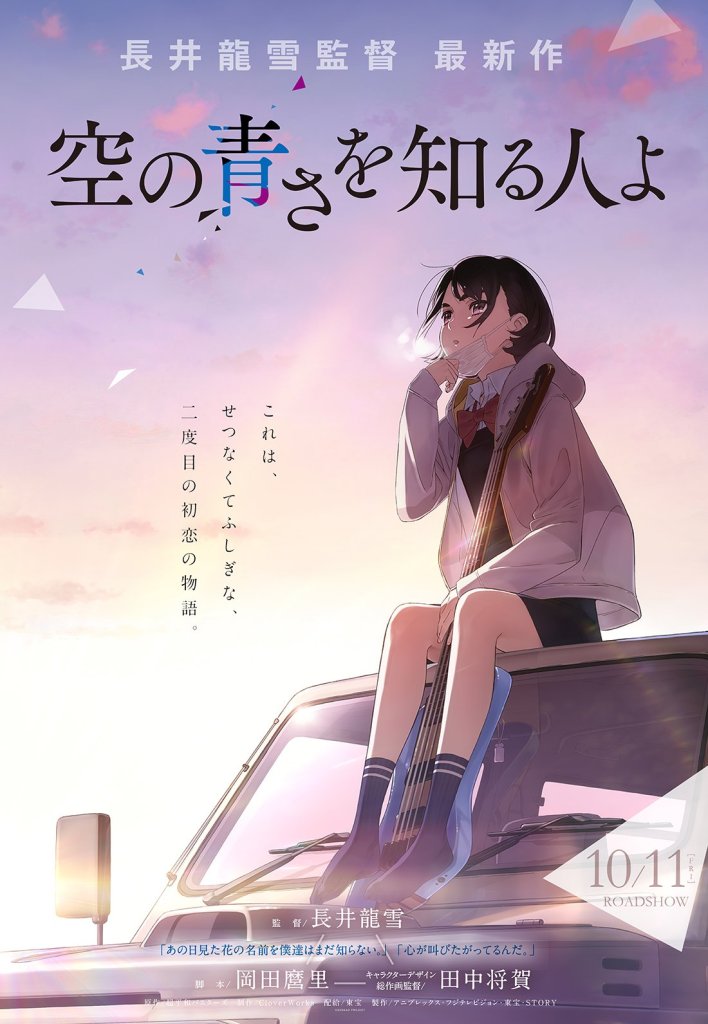
  • Her Blue Sky – a music-loving teen’s life is disrupted when her older sister’s boyfriend returns from the city. German subtitles. Germany, Austria, Switzerland only.

Nippon Kids

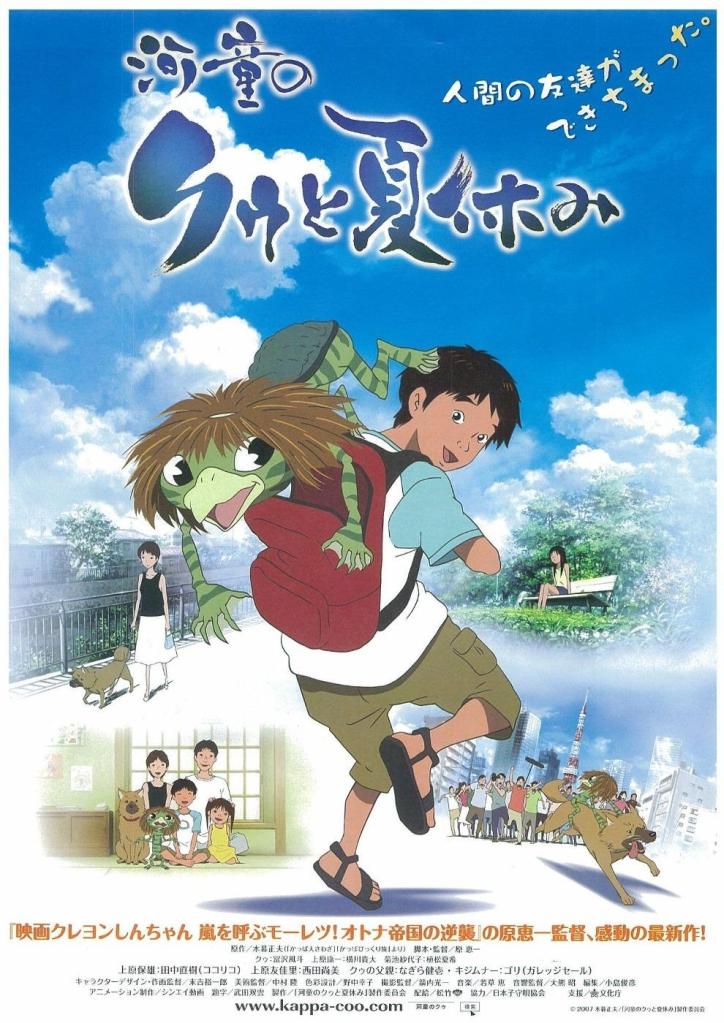
  • Summer Days with Coo – Kiichi Hara anime in which a boy finds a kappa under a rock and adopts him! German dub. Germany, Austria, Switzerland only.
  • Magical Sisters Yoyo and Nene – a girl from a magical kingdom ends up in Tokyo! German dub. Germany, Austria, Switzerland only.
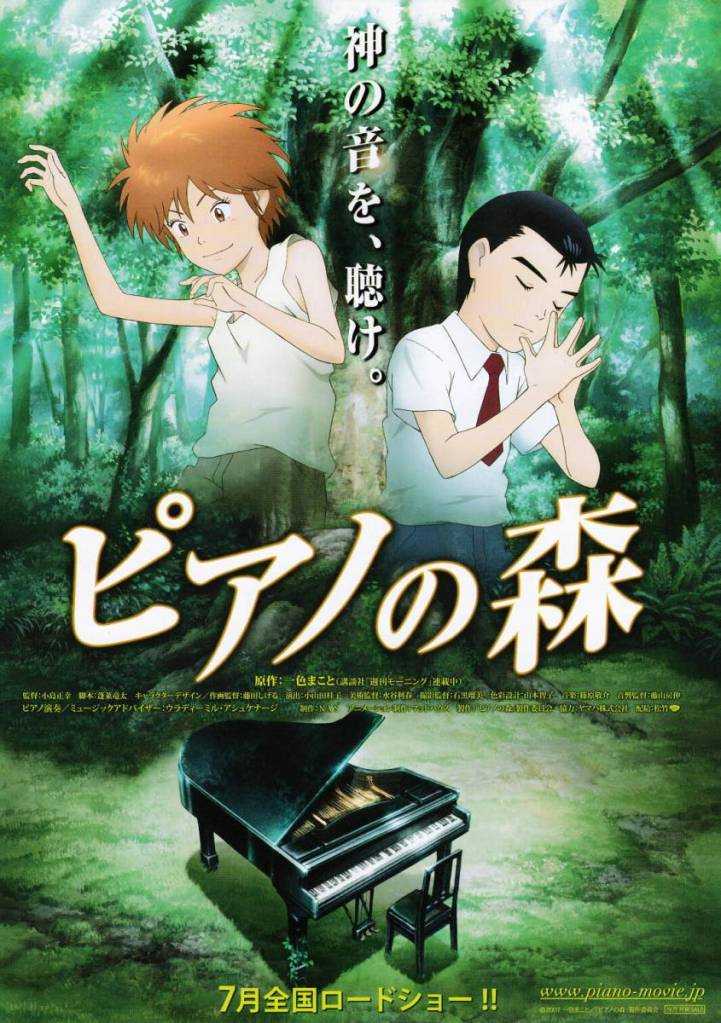
  • The Piano Forest – 2007 movie in which two boys bond over a mysterious piano in the forest. German dub. Germany, Austria, Switzerland only.

Best of Nippon Connection

  • 100 Yen Love – slacker drama starring Sakura Ando in which a woman fights her way to freedom in the boxing ring. German Subtitles. Germany, Austria, Switzerland only.
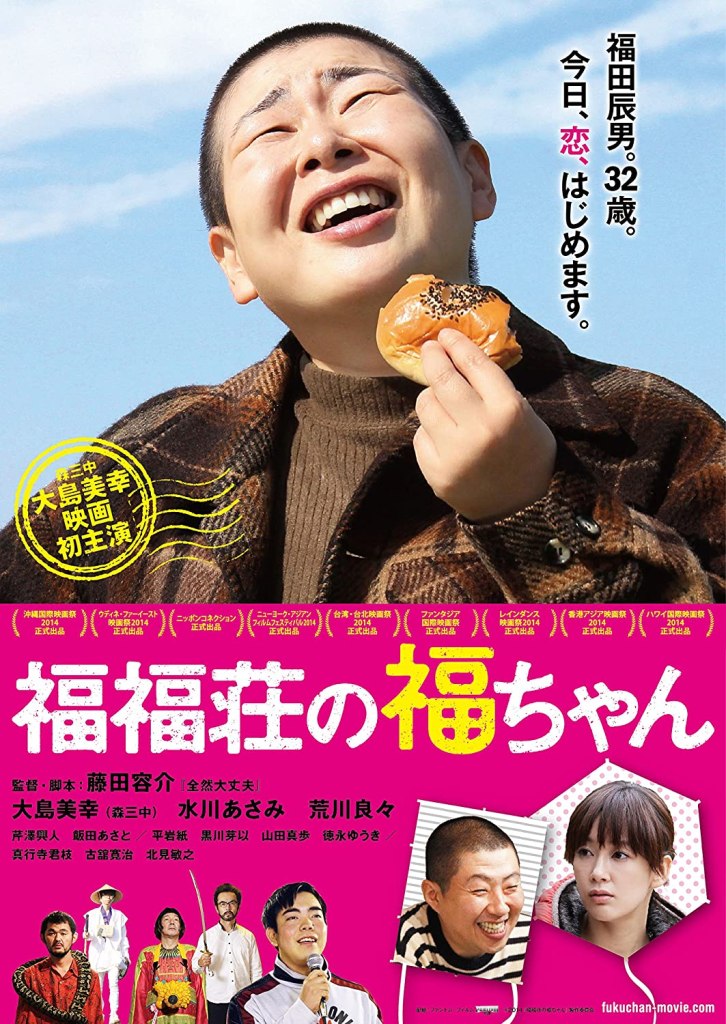
  • Fuku-chan of Fukufuku Flats – quirky comedy from Yosuke Fujita about a cheerful man whose fear of women is challenged when an old friend returns. German subtitles. Germany, Austria, Switzerland only.
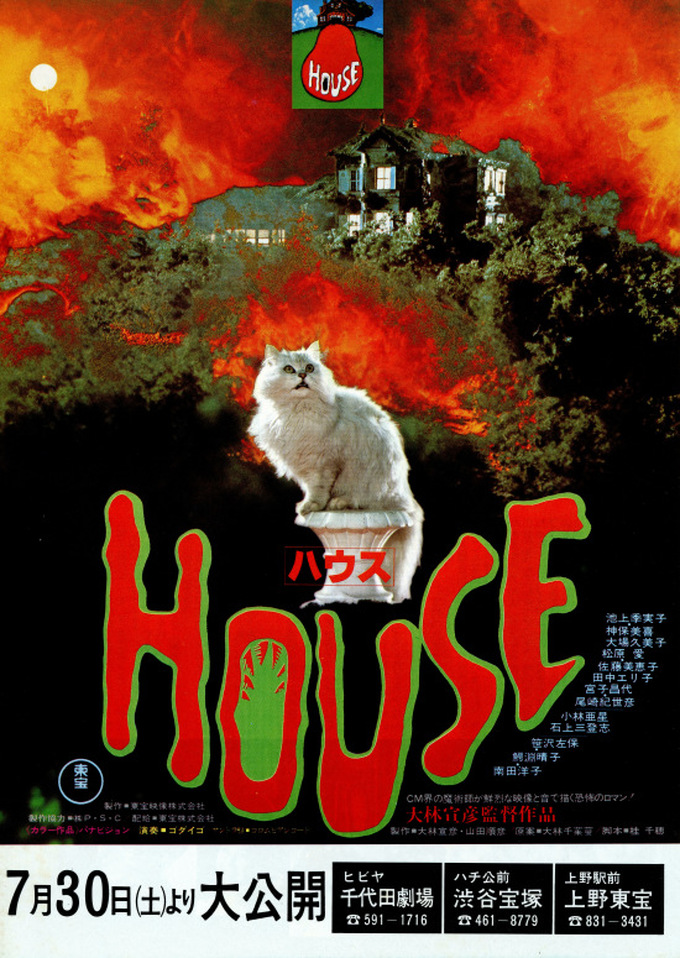
  • House – psychedelic classic from Nobuhiko Obayashi in which a girl takes some friends to see her aunt and gets a lot more than she bargained for. German Subtitles. Germany, Austria, Switzerland only.
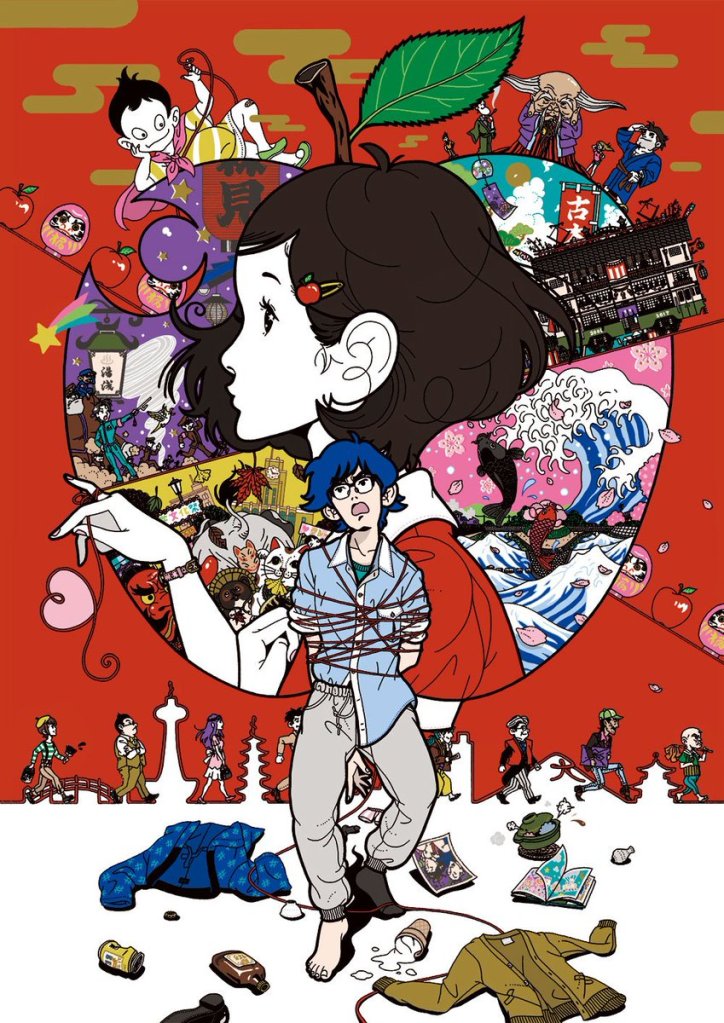
  • The Night is Short Walk on Girl – Masaki Yuasa’s adaptation of the Tomihiko Morimi novel set over one wild night in Kyoto. Review. German Subtitles. Germany, Austria, Switzerland only.
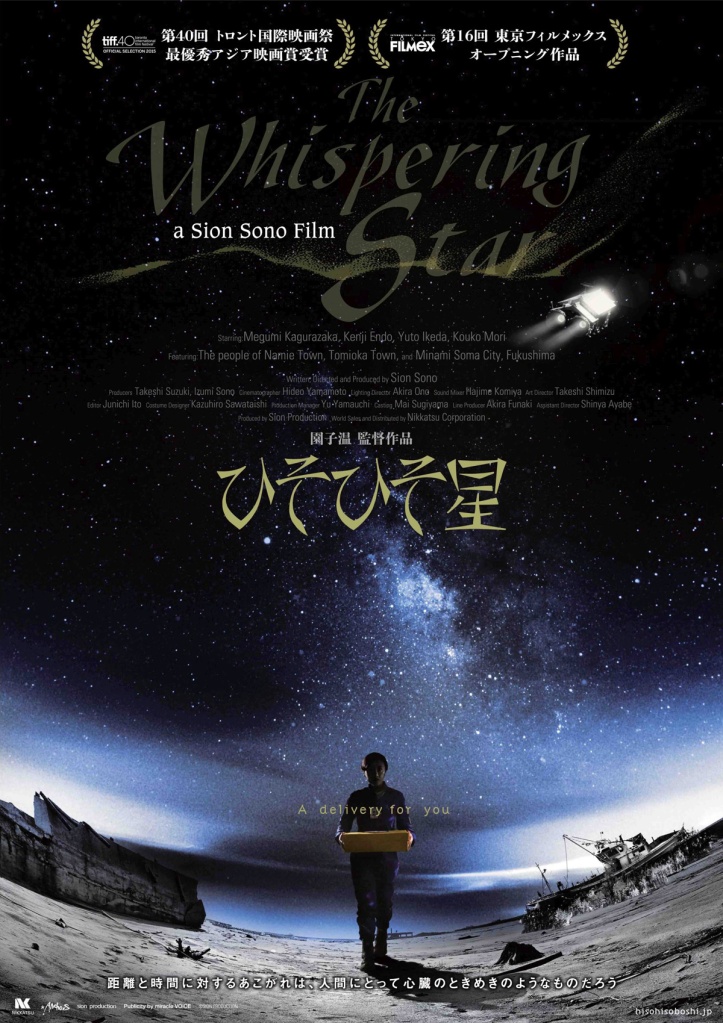
  • Whispering Star – quiet sci-fi drama from Sion Sono. Review. German Subtitles. Germany, Austria, Switzerland only.
  • World of Kanako – controversial drama from Tetsuya Nakashima in which a cognitively compromised detective searches for his missing daughter. German Subtitles. Germany, Austria, Switzerland only.
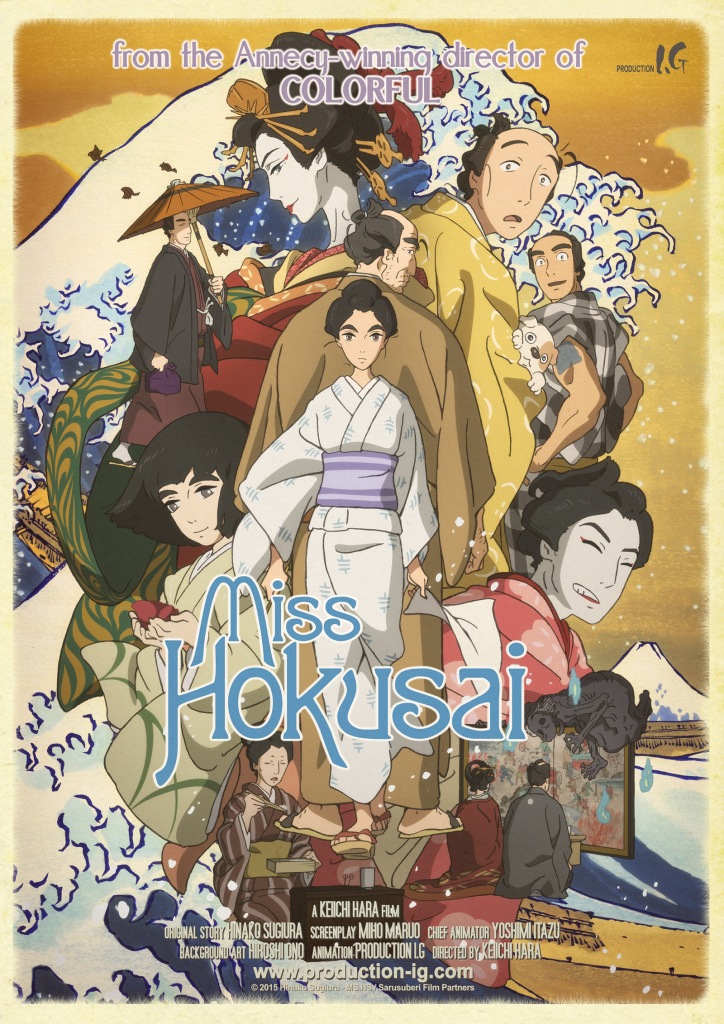
  • Miss Hokusai – Kiichi Hara’s animation inspired by the life of Hokusai’s daughter. Review. German Subtitles. Germany, Austria, Switzerland only.

The festival will also be holding its usual complementary selection of events via Zoom and Vimeo Live including a panel discussion (in English) on two decades of 21st century Japanese cinema chaired by Dr. Alexander Zahlten featuring panelists Tom Mes, Stephan Holl, and festival director Marion Klomfass. You can find full details for all the films as well as viewing links on the official website and you can keep up with all the latest news on this landmark digital edition by following the festival on FacebookTwitterYouTubeFlickr, and Instagram.

Dawn Wind in My Poncho (ポンチョに夜明けの風はらませて, Satoru Hirohara, 2017)

Dawn Wind in My Poncho posterThe end of high school might signal impending doom for some, but it also provides a valuable opportunity for one last hurrah before surrendering to the demands of the adult world. That’s more or less how the heroes of Satoru Hirohara’s Dawn Wind in My Poncho (ポンチョに夜明けの風はらませて, Poncho ni Yoake no Kaze Haramasete) feel about it as they set off on an impromptu road trip to track down a Peruvian folksinger making his first visit to Japan in 18 years. Youthful irresponsibility and an openness to all things send our boys on a strange odyssey of self discovery in flight of a future that is almost certain to be disappointing.

Right before graduation, Janbo (Yuma Yamoto) and Matahachi (Taiga) are preparing to celebrate their friend Jin (Aoi Nakamura) getting into Uni. Only, Jin didn’t make the grade which has rather put a damper on the occasion. To make matters worse, new driver Matahatchi seems to have scratched the car belonging to Janbo’s dad which they weren’t supposed to be driving in the first place. Trying to fix the problem, they run into dejected idol Ai (Aimi Satsukawa) who dreams of chart success but is being pressured into a gravure career by her agency. Ai manages to upset some delinquents in a convenience store car park, leaving our guys wondering if they should step in but coming to the conclusion it’s not worth it unless the girl is pretty. Nevertheless, they end up driving off with Ai in the back of the car anyway with the delinquents in hot pursuit.

That’s only the beginning of the boys’ adventure, but they can’t go home yet anyway because by the end of the chase they’ve completely destroyed the car and will be extremely dead when Janbo’s dad finds out. Lovingly showing off a picture of his beloved new (secondhand) car, Janbo’s dad tells a young man coming into the bar owned by Matahachi’s single mother that if he works really hard for a very long time, he too could have a car like this. It’s a fairly depressing prospect, but it does seem like there might not be much more out there for these small town guys as they prepare to leave high school behind. Jin was the guys’ bright hope with his university dreams. Janbo is going to work for his dad and Matahachi is looking for a job. All there is to look forward to now is constraint. A boring low pay job with no prospects, followed by marriage, fatherhood, and death.

You can’t blame them for cutting loose, though in essence our guys are mild-mannered sorts well and truly outrun by Ai’s anarchic flight from her own disappointment with her faltering career. Of course, the boys are all interested in her nevertheless only Janbo is facing an embarrassing problem of his own which has him wondering if he’ll ever be able to have a “normal” sex life, marriage, or family. The problem eventually takes him to the “Banana Clinic” which is actually a front very specific sex services but does introduce him to a nice young lady (Junko Abe) who might be able to cure his sense of insecurity if in a roundabout way.

Meanwhile, the guys have blown off the fourth member of their “band” (Shhota Sometani) who is still hanging around waiting for them to turn up for practice ahead of their graduation show. A poignant radio message attached to a song request in which he reveals how lonely he was until some guys invited him to join their band goes unheard by the gang leaving him to gatecrash graduation all alone with an impromptu performance in which he sings about how school was pointless and no one cares about the future, starting a mini riot among the other kids in the process. The trio are still busy with a series of zany adventures as Matahachi tries to convince the guys to come with him on strange quest to hear the elusive folk singer, only latterly explaining to them why exactly this means so much to him. A typically teenage road trip ends up going nowhere in particular, leaving the guys in limbo as they run from their depressing futures towards the last traces freedom far in the distance. Silly, if endearing, Dawn Wind in My Poncho is a strangely sympathetic tale of youthful rebellion towards impending adulthood which ultimately places its faith in the strength of male friendship as the last refuge from a relentlessly conformist society.


Dawn Wind in My Poncho was screened as part of the 2019 Nippon Connection Film Festival.

Original trailer (no subtitles)

Liz and the Blue Bird (リズと青い鳥, Naoko Yamada, 2018)

Liz and the Blue Bird poster 1If you love it, set it free. For most accepted wisdom, but hard to practice. The heroine of Liz and the Blue Bird (リズと青い鳥, Liz to Aoi Tori) finds herself facing this exact dilemma as she puts off facing the inevitable changes in a childhood friendship with adulthood lingering on the horizon. A Silent Voice’s Naoko Yamada returns with another delicate examination of teenage relationships, this time a spin-off to the popular Sound! Euphonium franchise, in which her fragile heroines struggle to address their true feelings as they subsume themselves into the titular piece of music but fail to master it even as it strikes far too close to home.

Our heroine, Mizore (Atsumi Tanezaki), nervously waits outside the school as if too shy to head in alone, eventually trailing along behind the comparatively more extroverted Nozomi (Nao Toyama). The two girls have been tasked with playing a movement known as Liz and the Blue Bird, inspired by a storybook of which Nozomi is particularly fond. Liz, a lonely young woman living alone in the forest, bonds with a mysterious girl who arrives one day and seems to be the human incarnation of the blue bird she longingly gazed at in the sky. Though the two women bond and live together in blissful happiness, Liz begins to feel guilty that her love has trapped the blue bird on the ground and forces it away to fulfil itself in the sky.

To begin with, it’s difficult to tell if Mizore and Nozomi are really friends at all or if Mizore’s painfully obvious longing is a completely one-sided affair. Mizore herself remains hard to read, either intensely shy and anxiously self-conscious or wilfully aloof as she rejects overtures of friendship from some of the other girls and devotes herself to Nozomi alone. Nozomi, meanwhile, is outgoing and gregarious, a natural leader well liked by the other band members and with plenty of (superficial at least) friends though perhaps lonely and confused in her own way. There is a kind of awkwardness between them, a tension neither seems quite able to address, which finds expression in the failure of their musical performance as it continually fails to find its proper harmony.

The story of the blue bird takes on extra significance for each as they cast themselves, perhaps mistakenly, in their respective roles from the fairytale. Talking things over with a sympathetic teacher concerned that she hasn’t turned in her career survey, Mizore declares herself unable to understand the story, not comprehending how Liz could have brought herself to release the blue bird rather than cage it to ensure it would be hers, and hers alone, forever. Fearful that Nozomi will fly away, she wants to tether her close but again does not quite know how. Nozomi, meanwhile, is conflicted. She feels a responsibility towards her friend’s feelings, but is insecure in her own talents and unsure she could follow Mizore on her chosen path even if that was her independent will. In fear of disappointing each other, they begin to pull away rather than face the inevitable end of their peaceful high school days.

Yamada’s camera is painstakingly astute in capturing the awkwardness of adolescent interaction from the slight tension in Mizore’s shoulders as Nozomi draws too close to the way she plays with her hair when nervous, glancing plaintively at hands and calves or the swishing motion of Nozomi’s ponytail, but always hanging back. Unlike Mizore, Nozomi understands the moral of the story but feels the ending is too sad, convincing herself that if the blue bird is free to fly then it’s also free to return. Having been forced to confront their individual troubles, the girls are better placed to see themselves in relation to each other, breaking the tension but perhaps with melancholy resignation as they commit to enjoying their remaining time together in the realisation that they may soon part. A beautifully observed portrait of teenage friendship and awkward adolescent attraction, Liz and the Blue Bird is an infinitely subtle exercise in emotional intensity as its heroines find the strength to accept themselves and each other in acknowledging that they were each made to fly through perhaps not quite yet.


Liz and the Blue Bird was screened as part of the 2019 Nippon Connection Film Festival.

US trailer (Japanese with English subtitles)

Blue Hour (ブルーアワーにぶっ飛ばす, Yuko Hakota, 2019)

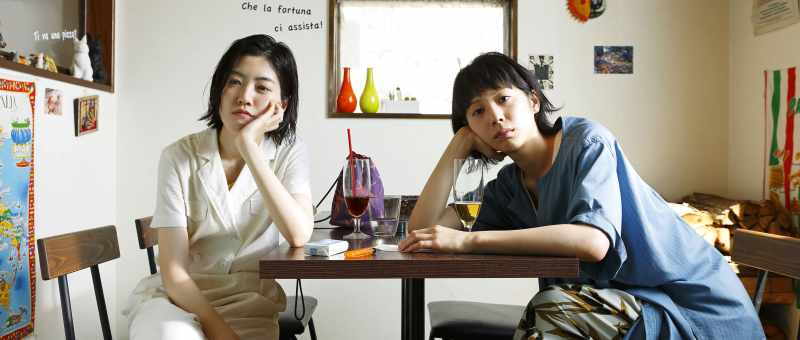
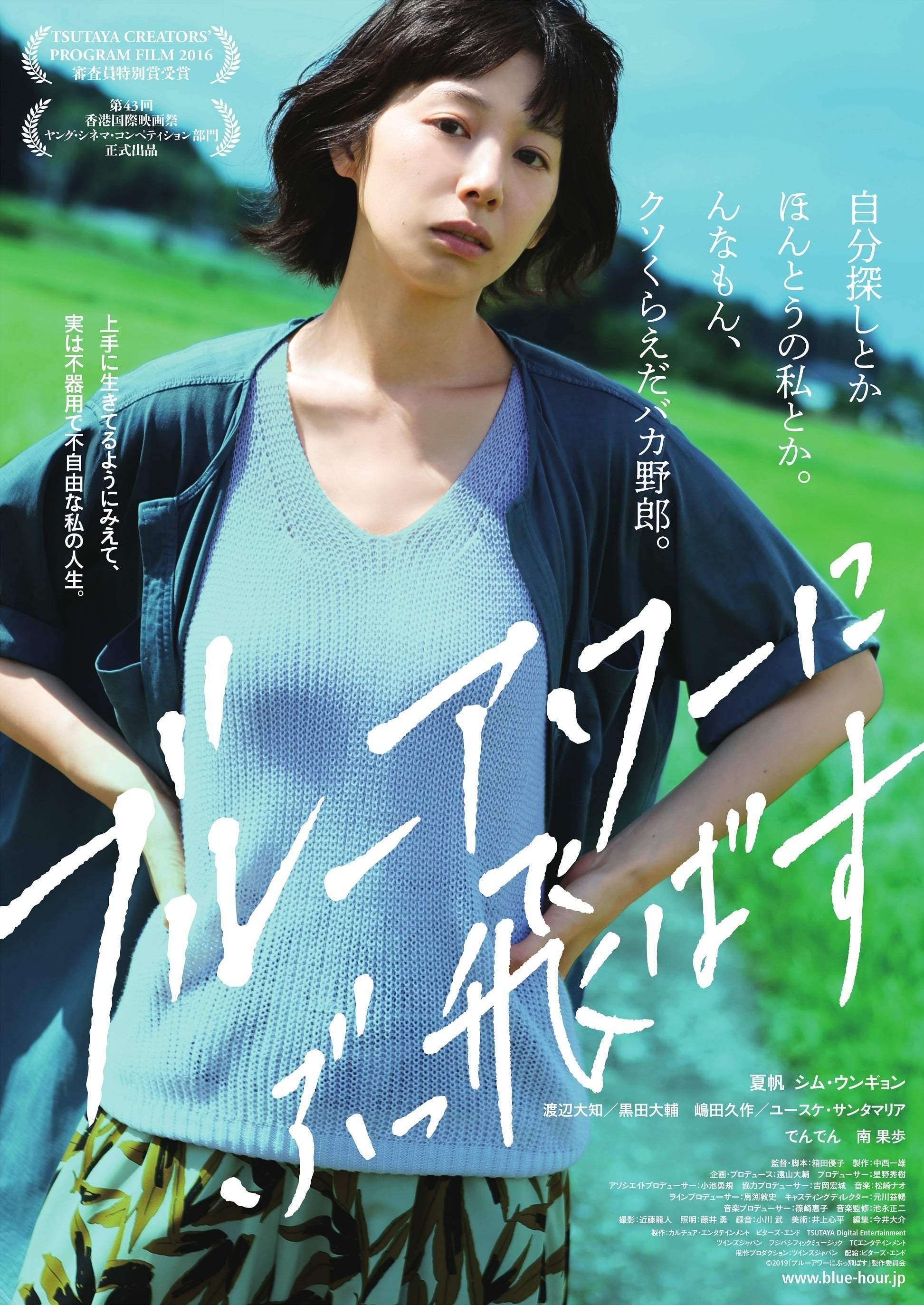
Blue Hour poster“I don’t like people who like me” confesses the heroine of Yuko Hakota’s first feature Blue Hour (ブルーアワーにぶっ飛ばす, Blue Hour ni Buttobasu) to her best friend, who presumably is excluded from the statement. Then again, perhaps not. Running from or running to, Sunada (Kaho) can’t seem to escape herself while chasing the ghost of small town ennui in frenetic Tokyo. An impromptu road trip with a lively partner in crime returns her to the problematic roots from which she struggles to break free, but maybe breaking free wasn’t exactly what she needed anyway.

At 30 or so, Sunada has worked her way up to directing commercials but much of her job involves negotiating workplace sexism and stroking the egos of stars. In any case, she doesn’t seem to find the work particularly fulfilling and on looking around has noticed that there don’t seem to be a lot of women over 40 working in her industry which has her wondering what’s next in her possibly dead end career. Meanwhile, she’s married to a perfectly nice, mild-mannered sort of guy (Daichi Watanabe) but is secretly having an affair with a married colleague (Yusuke Santamaria) whose wife is currently pregnant with their second child. More stressed out and confused than she’d perhaps like to admit, Sunada has been putting off visiting her sickly grandmother because she isn’t the sort of person who deals with crisis well and so she was waiting in the hope her grandmother’s health would improve. Now that it has, she’s talked into an impromptu road trip with her freewheeling mangaka friend Kiyoura (Shim Eun-kyung).

True to form, Sunada doesn’t even really bother telling her husband where she’s gone because she doesn’t want “that sort of closeness”. Returning home, however, necessarily means reengaging with her distinctly odd family which is perhaps both easier and more difficult with her crazy friend in tow. While Sunada’s dad (Denden) seems to have picked up a habit of frittering money away on antique swords and suits of armour, her weird high school teacher brother (Daisuke Kuroda) cracks distinctly unfunny jokes about molesting pupils (a theme later echoed by her mother (Kaho Minami) who warns her men can’t be trusted, not even her brother). Out in the country there’s not much to do but drink, but this is not Tokyo and the bars are full of sleazy old men feeling up the hostesses and hogging the karaoke mic in an attempt to escape the stultifying boredom of their small-town lives. This is what Sunada has been running from. Ashamed of her bumpkinish childhood, she threw herself headlong into Tokyo sophistication only to find it equally unfulfilling.

Kiyoura is in many ways a projection of her other self. Childishly giddy, willing to jump into any situation with fearless enthusiasm, Kiyoura is a middle-class girl from the city and knows no shame. Only to her does Sunada seem to express her true self. Fearing intimacy, she keeps herself aloof but resents her lover’s family while pushing back against her husband’s meek indifference. “All ghosts are lies” her grandmother told her, which may be truer in some senses than others, but Sunada continues to haunt herself as she recalls the spirit of her free and easy childhood in which she snuck out to enjoy the “blue hour”, waiting for the sun to rise in peace and tranquility.

Only by confronting her grandmother’s ill heath can she begin to move forward towards a greater emotional clarity. Gently clipping the older woman’s nails, Sunada gets to hear her life philosophy or at least her parting words, “I try to make the best of every day, but what does that even mean anyway?”. Suddenly freed of her fear of attachment, her anxieties for the imperfect future, and even perhaps of her intense self loathing, Sunada prepares to take the wheel and confidently head in a more positive direction. “Being tacky means being alive”, her other self tells her, finally accepting her small-town roots and all that goes with it only to discover they were already accepted by someone who was paying more attention than she gave them credit for. A melancholy but ultimately hopeful and warmhearted exploration of midlife ennui and urban disconnection, Blue Hour is a delayed coming of age tale in which the heroine comes to an acceptance of adulthood only by reconnecting with her childhood self and all the fantastical promise of her sleepy rural youth.


Blue Hour was screened as part of the 2019 Nippon Connection Film Festival.

Original trailer (English subtitles)
We Are Little Zombies (ウィーアーリトルゾンビーズ, Makoto Nagahisa, 2019)

Little Zombies poster“Reality’s too stupid to cry over” affirms the deadpan narrator of Makoto Nagahisa’s We Are Little Zombies (ウィーアーリトルゾンビーズ), so why does he feel so strange about feeling nothing much at all? Taking its cues from the French New Wave by way of ‘60s Japanese avant-garde, the first feature from the award winning And So We Put Goldfish in the Pool director is a riotous affair of retro video game nostalgia and deepening ennui, but it’s also a gentle meditation on finding the strength to keep moving forward despite all the pain, emptiness, and disappointment of being alive.

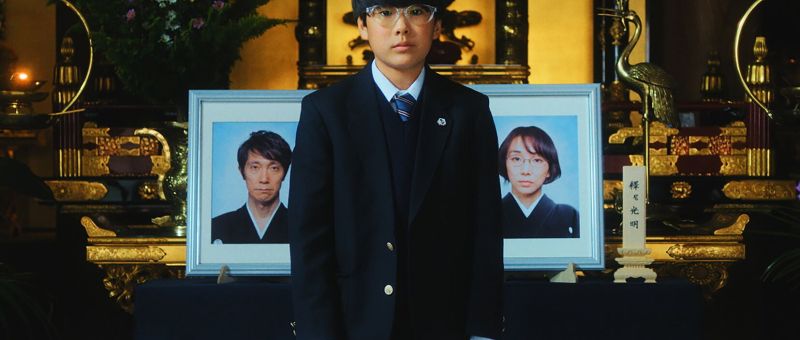
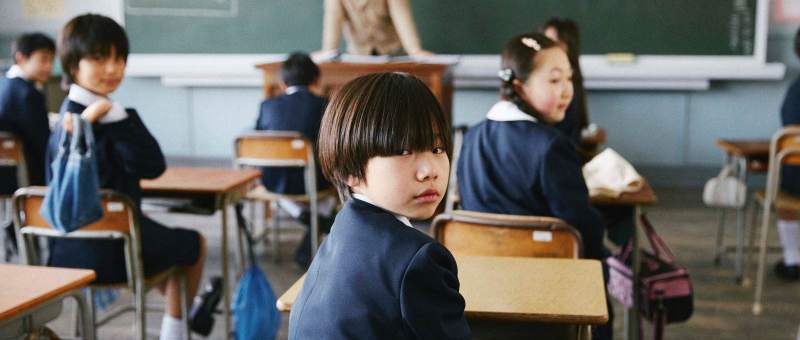
The “Little Zombies”, as we will later discover, are the latest tween viral pop sensation led by bespectacled 13-year-old Hikari (Keita Ninomiya). Recounting his own sorry tale of how his emotionally distant parents died in a freak bus accident, Hikari then teams up with three other similarly bereaved teens after meeting at the local crematorium where each of their parents is also making their final journey. Inspired by a retro RPG with the same title, the gang set off on an adventure to claim their independence by revisiting the sites of all their grief before making themselves intentionally homeless and forming an emo (no one says that anymore, apparently) grunge band to sing about their emotional numbness and general inability to feel.

Very much of the moment, but rooted in nostalgia for ages past, Little Zombies is another in a long line of Japanese movies asking serious questions about the traditional family. The reason Hikari can’t cry is, he says, because crying would be pointless. Babies cry for help, but no one is going to help him. Emotionally neglected by his parents who, when not working, were too wrapped up in their own drama to pay much attention to him, Hikari’s only connection to familial love is buried in the collection of video games they gave him in lieu of physical connection, his spectacles a kind of badge of that love earned through constant eyestrain.

The other kids, meanwhile, have similarly detached backgrounds – Takemura (Mondo Okumura) hated his useless and violent father but can’t forgive his parents for abandoning him in double suicide, Ishii (Satoshi) Mizuno) resented his careless dad but misses the stir-fries his mum cooked for him every day, and Ikuko (Sena Nakaijma) may have actually encouraged the murder of her parents by a creepy stalker while secretly pained over their rejection of her in embarrassment over her tendency to attract unwanted male attention even as child. The kids aren’t upset in the “normal” way because none of their relationships were “normal” and so their homes were never quite the points of comfort and safety one might have assumed them to be.

Orphaned and adrift, they fare little better. The adult world is as untrustworthy as ever and it’s not long before they begin to feel exploited by the powers intent on making them “stars”. Nevertheless, they continue with their deadpan routines as the “soulless” Little Zombies until their emotions, such as they are, begin inconveniently breaking through. “Despair is uncool”, but passion is impossible in a world where nothing really matters and all relationships are built on mutual transaction.

Mimicking Hikari’s retro video game, the Zombies pursue their quest towards the end level boss, passing through several stages and levelling up as they go, but face the continuing question of whether to continue with the game or not. Save and quit seems like a tempting option when there is no hope in sight, but giving in to despair would to be to let the world win. The only prize on offer is life going on “undramatically”, but in many ways that is the best reward one can hope for and who’s to say zombies don’t have feelings too? Dead but alive, the teens continue their adventure with heavy hearts but resolved in the knowledge that it’s probably OK to be numb to the world but also OK not to be. “Life is like a shit game”, but you keep playing anyway because sometimes it’s kind of fun. A visual tour de force and riot of ironic avant-garde post-modernism, We Are Little Zombies is a charmingly nostalgic throwback to the anything goes spirit of the bubble era and a strangely joyous celebration of finding small signs of hope amid the soulless chaos of modern life.


We Are Little Zombies was screened as part of the 2019 Nippon Connection Film Festival.

Original trailer (English subtitles)

Makoto Nagahisa’s short And So We Put Goldfish in the Pool

Music videos for We Are Little Zombies and Zombies But Alive

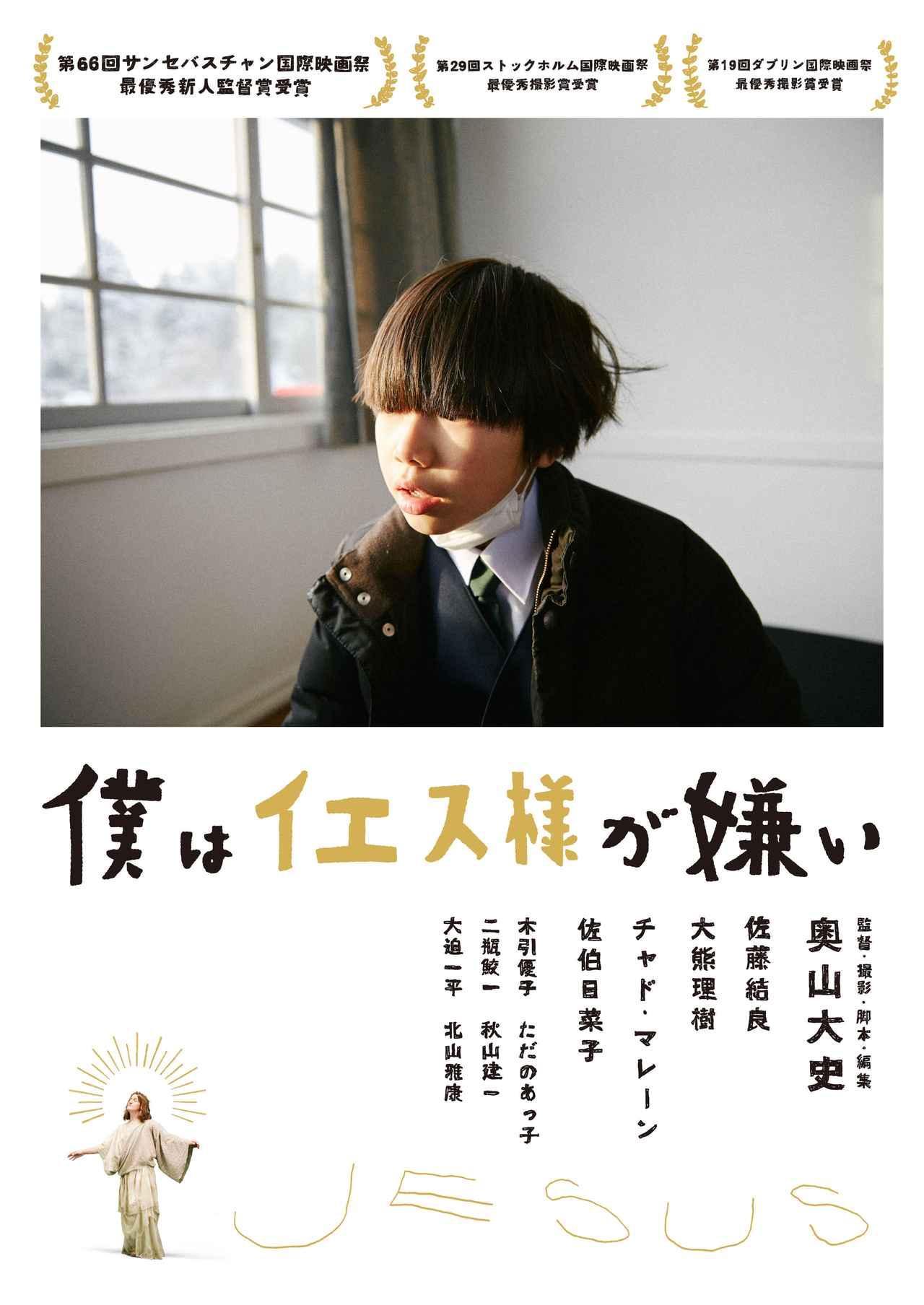
Jesus (僕はイエス様が嫌い, Hiroshi Okuyama, 2018)

Jesus posterIt’s tough being a kid. You have no control over anything and everyone always insists they know best, dismissing resistance as childish rebellion. Yura, the hero of Hiroshi Okuyama’s Jesus (僕はイエス様が嫌い, Boku wa Jesus-sama ga Kirai), has things harder than most as his peaceful days are disrupted by the abrupt announcement that the family will be moving from the bustling metropolis of Tokyo to the sleepy Nakanojo where he doesn’t even get his own room and has to share with grandma! To make matters worse, his new school is going to be a little “different” in that it’s a religious institution.

Yura’s (Yura Sato) family are not themselves Catholic and so the choice of a religious school adds an additional layer of displacement to his already irritated sense of alienation. Bored and lonely, even more of an outcast than solely being the new kid in town as a confused non-Christian suddenly dropped into an unfamiliar environment, Yura prays for a friend to make his days less dull and subsequently gains the constant companionship of a tiny Jesus (Chad Mullane) who follows him around and occasionally grants wishes. Eventually, Tiny Jesus gifts him a real friend in the form of Kazuma (Riki Okuma) – one of the most popular kids in school and a star footballer. Tragedy, however, lingers on the horizon leading to Yura to reconsider his relationship with Tiny Jesus who seems to have betrayed him in granting his trivial wishes only to break his heart.

In fact, the film’s Japanese title translates to the more provocative “I hate Jesus” which might give more of an indication of the film’s final destination as Yura first flirts with and then rejects the religiosity of his new environment. Confused by the zeal with which his classmates seem to run off mass and embarrassed that he doesn’t have a bible or hymnbook to join in, he nevertheless goes along with his teacher’s constant prayer meetings. Through the offices of Tiny Jesus, he comes to associate the power of prayer with asking and receiving. He asks Tiny Jesus for money, and suddenly his grandma comes up with 1000 yen, he asks for a friend and finds one, but just as he’s starting to have faith in his possibly imaginary friend doubt enters his mind. What is Tiny Jesus up to, and why won’t he help when it really matters?

Suddenly angry and resentful, Yura rejects his teacher’s kind yet insensitive attempts to comfort him with the affirmation that all that praying turned out to be completely pointless. Despite not being a Christian and only being a small boy, he is suddenly asked to give a eulogy for someone important to him that he has just lost. The adults might think this is a nice gesture, one that will bring a kind of closure while honouring the memory of the deceased, but it’s also a big ask for a child facing not only loss and grief on an intense scale for the first time but also trying to process his complicated relationship with a religion which is not his. Thoroughly fed up with Tiny Jesus, Yura brings his fist down on the good book as if to crush the false promise of misplaced faith in accepting that there are no real miracles and sometimes no matter how hard you ask your wish will not be granted.

Yura’s disillusionment with religion is swift as he realises you cannot get what you want merely by asking for it. He feels betrayed, not only by Tiny Jesus, but the entire religious institution which led him to believe he could change the world around him through prayer and positivity. Nevertheless, his disappointment does at least begin to bring him some clarity which, ironically, helps him to accept his new surroundings through bonding with grandma and coming to feel at home with his family even if his new environment is likely to be one tinged with sadness as he remembers better times before Tiny Jesus ruined everything. Whimsical if perhaps slight, Okuyama’s debut provides a rare window into Japan’s minority Christian culture as it celebrates Christmas in the Western fashion and seemingly exists in its own tiny little bubble, but subverts its religious themes to explore childhood existential angst as its adolescent hero is forced to deal with loss at a young age and discovers that there is no magic cure for death or eternal life (on Earth at least) for those who believe, only the cold reality of grief and bittersweet memories of happier times. 


Jesus was screened as part of the 2019 Nippon Connection Film Festival.

Original trailer (no subtitles)
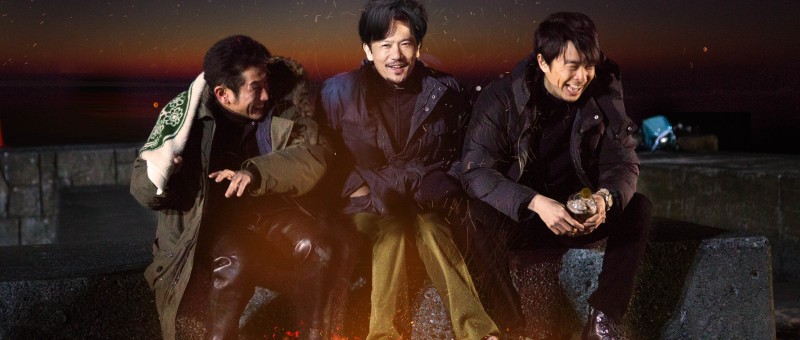
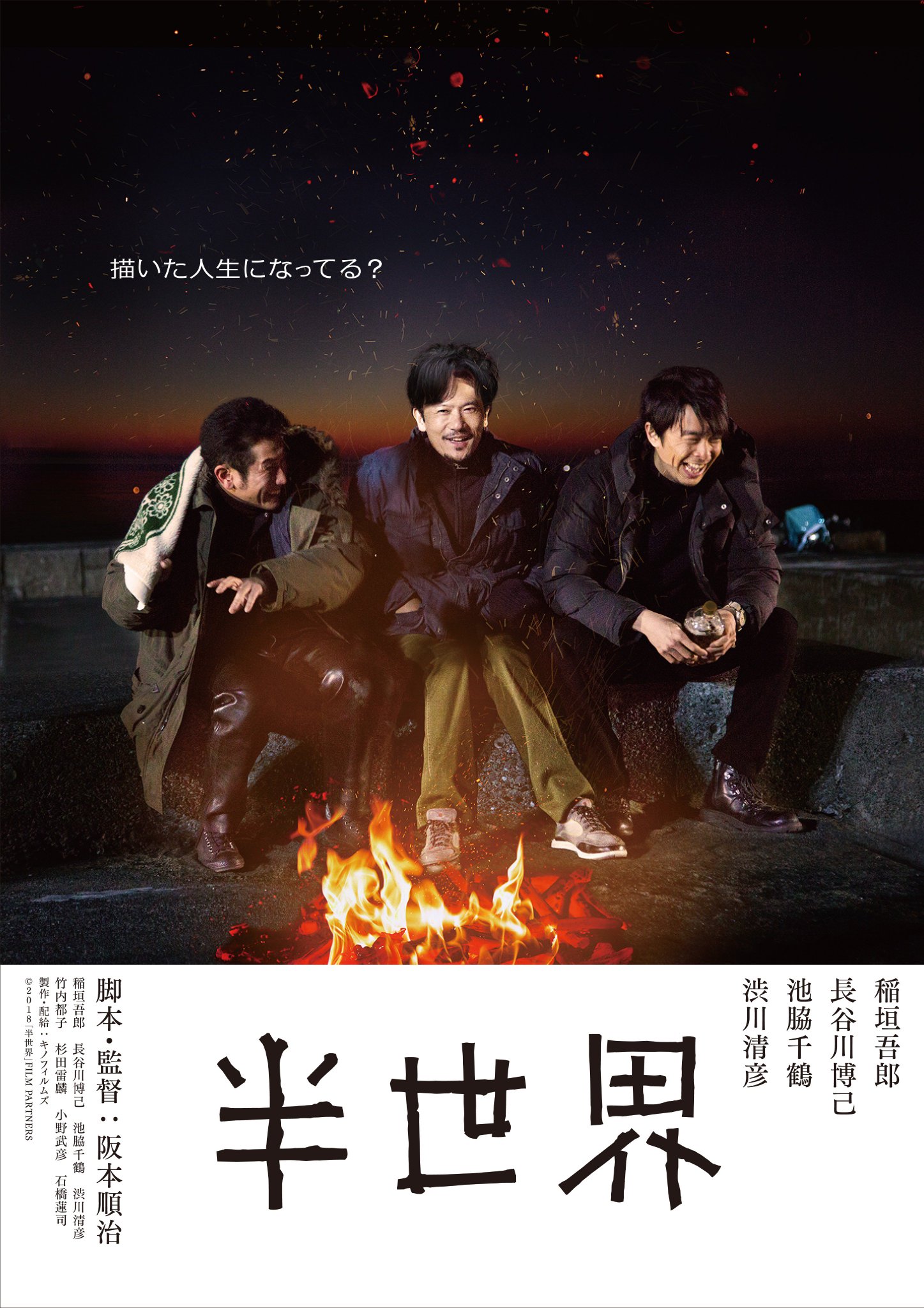
Another World (半世界, Junji Sakamoto, 2018)

Another World poster 2Director Junji Sakamoto’s career has been more meandering than most. Shuttling between hyper masculine fighting dramas, issue movies, and broad comedies, Sakamoto has always displayed an intense interest in the depth of male friendship which where his latest feature, rural drama Another World (半世界, Hansekai), takes him. A deceptively gentle story of small-town homecoming eventually broadens into a meditation on fathers and sons, frustrated dreams, and middle-aged malaise as its three dejected heroes attempt to bridge the gulf of years between them in order to rekindle the simple, innocent friendship they forged as naive teenagers more than 20 years previously.

The drama begins when Koh (Goro Inagaki) spots childhood friend Eisuke (Hiroki Hasegawa) unexpectedly hanging around his old home, now sadly abandoned following the death of his mother. Eisuke, unlike his friends, left his hometown to join the self defence forces and see the world. He has not returned home in some years and his sudden appearance is a pleasant, if perhaps concerning, surprise. Koh calls the other leg of the triangle, Mitsuhiko (Kiyohiko Shibukawa), and the trio of teenage buddies reunite, but Eisuke still seems distant and remains holed up in his family home rarely venturing outside, reluctant to confide in his old friends about whatever it is that he’s going through.

Meanwhile, the small town guys have problems of their own. Koh made the stubborn decision to take over his father’s charcoal business mostly to spite him, but times have changed and not only is demand dwindling but his product is unfavourably compared to his dad’s. Despite a seemingly happy marriage to the supportive Hatsuno (Chizuru Ikewaki), his home environment is also tense with resentment high between father and son as Koh struggles to relate to sullen teen Akira (Rairu Sugita) who is, unbeknownst to him, being bullied by the local delinquents. Unique among the three, Mitsuhiko has never married and still lives at home where he helps out with the family’s struggling car dealership, but remains cheerful in himself and is the most invested in maintaining the relationship between his two best friends in place of forging new relationships of his own.

Eisuke brings a new dynamic back with him as he struggles to readapt to small town life. As Koh suggests, he likely came back because he didn’t know where else to go but to his old friends even if he doesn’t quite want to let them help him. Now divorced and struggling with PTSD from his time in service as well as guilt over the death of a colleague, Eisuke provides an unexpected source of support for the conflicted Akira as he teaches him how to fight in order to defend himself while imparting what he knows of Koh in order to smooth the path between father and son. Koh, he tells him, had a bad relationship with his own violent dad who forbad him from the charcoal business which is exactly why he rebelled and did it anyway. Still fighting the ghost of his father, Koh has not found a way to connect with his son other than to let him be.

In a sense, each of these now middle-aged men is living in their own individual worlds as they push back against the forces of desperation but as Koh tells Eisuke, this small town existence is the “real world” too. Eisuke longs for escape, eventually retreating to a life on the sea after exposing his barely suppressed rage through an ill-advised show of violence which was itself in service of friendship. He superficially rejects the attempts of his friends to bring him back into the intimacy of their younger days as if fearing he no longer belongs in this ordinary world of wholesome small-town pleasures, but continues to search for the time capsule they buried all those years ago as if longing to recover their buried innocence.

Yet there is hope for the younger generation at least. Akira, coming to understand his father, accepts that he has a choice and eventually decides to honour both his father’s legacy and his own desires as he ponders the lonely life of a charcoal maker while putting on the boxing gloves that will allow him to fight for a freer future. Tragedies strike, life doesn’t turn out liked you hoped, but it goes on all the same with or without you. A warm if melancholy tribute to the healing power of friendship and its capacity to endure despite the weight of ages, Another World puts middle-aged malaise in perspective as its three disappointed heroes begin to find accommodation with where their choices, informed by those who came before, have led them, finding both peace and resignation in their in their ordinary small-town existence.


Another World was screened as part of the 2019 Nippon Connection Film Festival.

Original trailer (no subtitles)

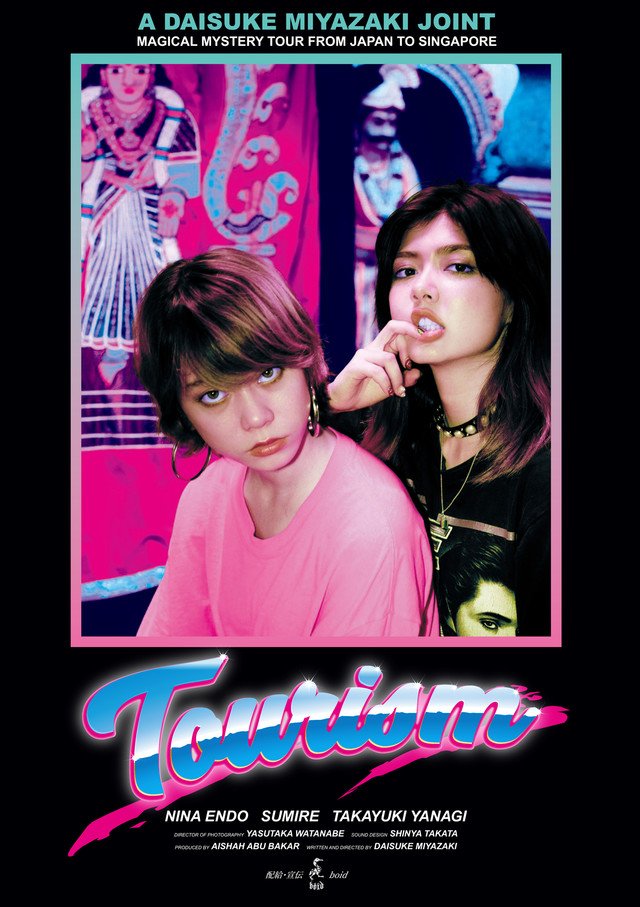
Tourism (Daisuke Miyazaki, 2018)
Tourism poster

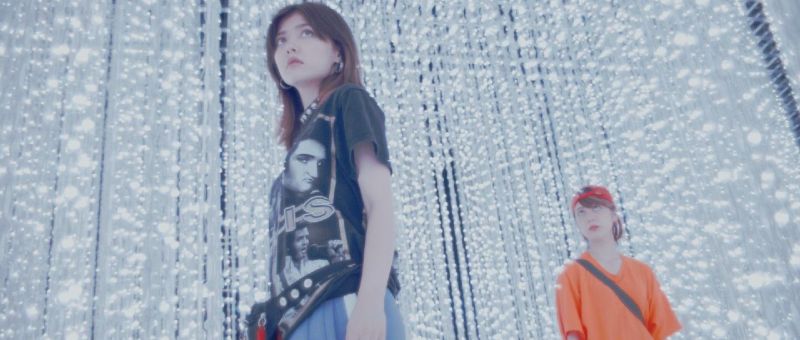
Travel, as they say, broadens the mind but in this rapidly globalising society what is there to be gained in going to a place for “real” rather watching someone else go there online? Following his edgy feature Yamato (California), Daisuke Miyazaki takes a detour from the problems of modern Japan with a piece commissioned by ArtScience Museum and the Singapore International Film Festival. Tourism takes two regular small town girls and sends them to the gleaming metropolis of the famously upscale city state only to upend our expectations by following one of them through the otherwise hidden backstreets familiar only to the regular locals.

Nina (Nina Endo) shares a small apartment with friends Su (Sumire) and Kenji (Takayuki Yanagi) who are also living a precarious hand to mouth existence in small town Japan. Worrying about being able to make this month’s rent, none of the three is in regular full-time employment and all of them are working one or more part-time jobs split with studying and hanging out doing nothing much of anything seeing as there’s no money to spare for entertainment. Asked about their dreams for the future, Kenji replies that he wants to make the world a more caring place while Su just wants a car and Nina isn’t at all sure but knows she doesn’t want to just grow old and die in her hometown.

Unexpected opportunity arrives when Nina discovers she’s won a competition for a pair of tickets to anywhere in the world. Not very worldly, she can’t decide where to go and tries sticking a pin in the map only to land on a series of “unsafe” places before hitting on the idea of Singapore which, as Kenji explains, is “just like Disneyland”. Given the rarity of the prize, you might wonder if Nina and Su wouldn’t have been better to be a bit more adventurous and venture further afield but as Kenji says Singapore is a fairly safe, if perhaps dull, choice for two directionless young women taking their first steps in international travel.

The Singapore that they originally discover is the one that Kenji described and the image of itself that the city wilfully projects all around the world. The girls wander around generic shopping malls near identical to those in Japan filled with high end fashion stores well out of their reach and bizarre centrepieces including gondola rides right next to the food court. After taking in the Merlion and other nearby tourist spots recommended by Siri, Nina and Su begin to venture a little further into the local culture with trips to markets and hawker spots but become separated when Nina leaves her phone behind after using it to live stream their dinner. Extremely lost and very alone, Nina, who can’t speak English and seems to have forgotten the name of her hotel, becomes dependent on the kindness of ordinary Singaporeans as she tries to find her way back to her friend.

Mistakenly guided to a random part of town by a well meaning woman who decided not to take offence to Nina’s potentially dangerous “please come to a hotel with me” pleas, Nina finds herself exploring the “real” Singapore – the one that doesn’t exist in the tourist guidebooks and largely belongs to the often underrepresented muslim community. Thanks to a kind man who invites her into his home to share dinner with his family and then takes her out to show her the places the locals go, Nina discovers not only a more authentic side to the city but that there are kind people everywhere and the world isn’t such a bad place after all.

Commissioned to push the charms of the city, Tourism certainly works as an extended PSA from the tourist board in its presentation of Singaporeans as universally kind and generous while demonstrating that there’s more to the island than expensive shopping malls and “disappointing” local landmarks. Despite its ironic name, however, the film is also at pains to emphasise that tourism and travel are not necessarily the same thing and that there’s much to be gained by going off map and interacting with ordinary people rather than just checking things off on a list so you can tell people about them later. Shot on low-grade, “tourist”-style cameras and largely on the move, Tourism is an unexpectedly uplifting ode to the re-energising qualities of travel which illuminate new paths towards the future while brightening the present.


Tourism was screened as part of the 2019 Nippon Connection Film Festival.

Original trailer (English subtitles)