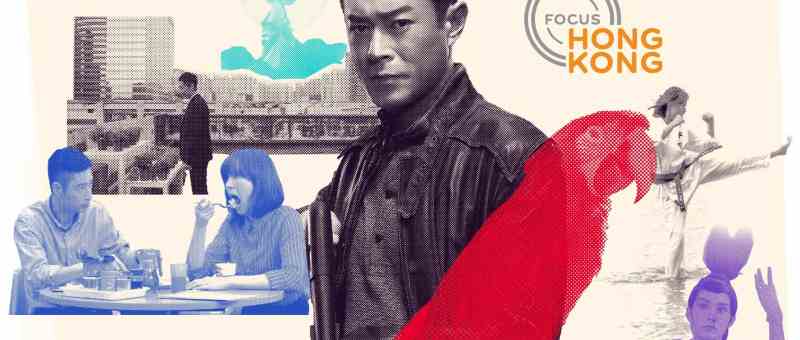
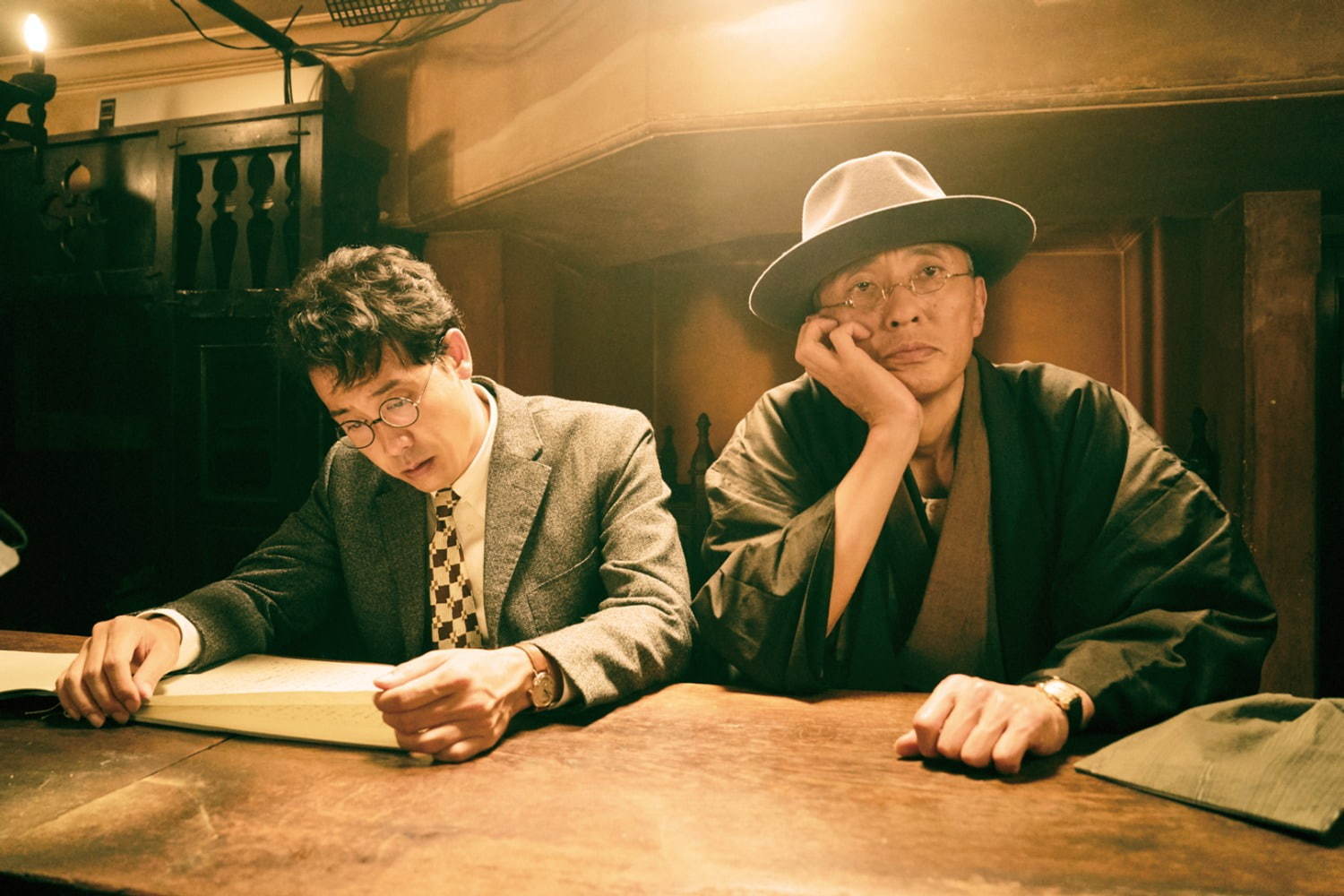
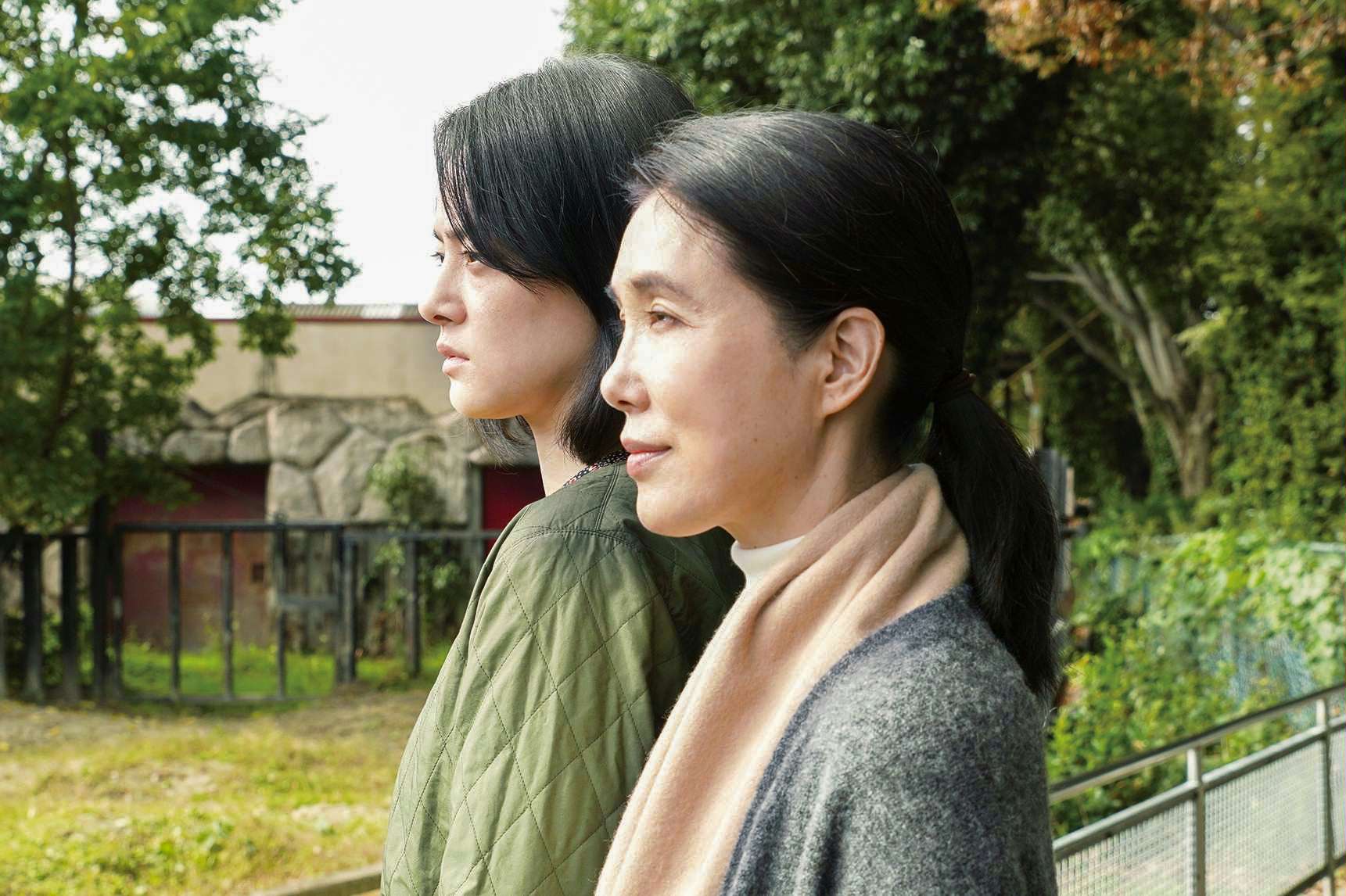
With cinemas closed for the foreseeable future, the team behind Chinese Visual Festival is the latest to head online with a brand new mini film festival dedicated to Hong Kong cinema arriving just in time for Chinese New Year. Focus Hong Kong will stream five features, one classic and four contemporary, as well as a series of Fresh Wave Shorts to homes around the UK from 9th to 15th February.
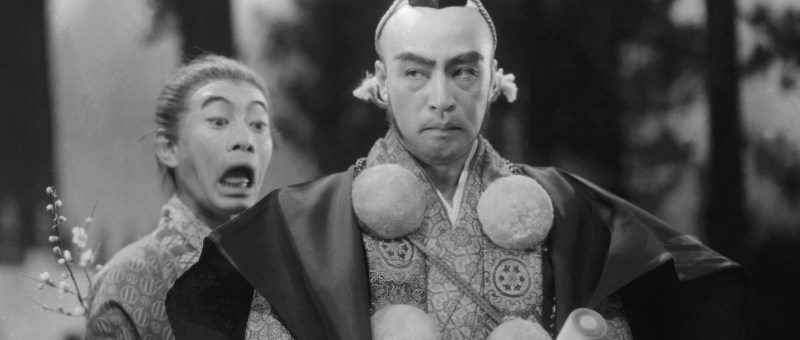
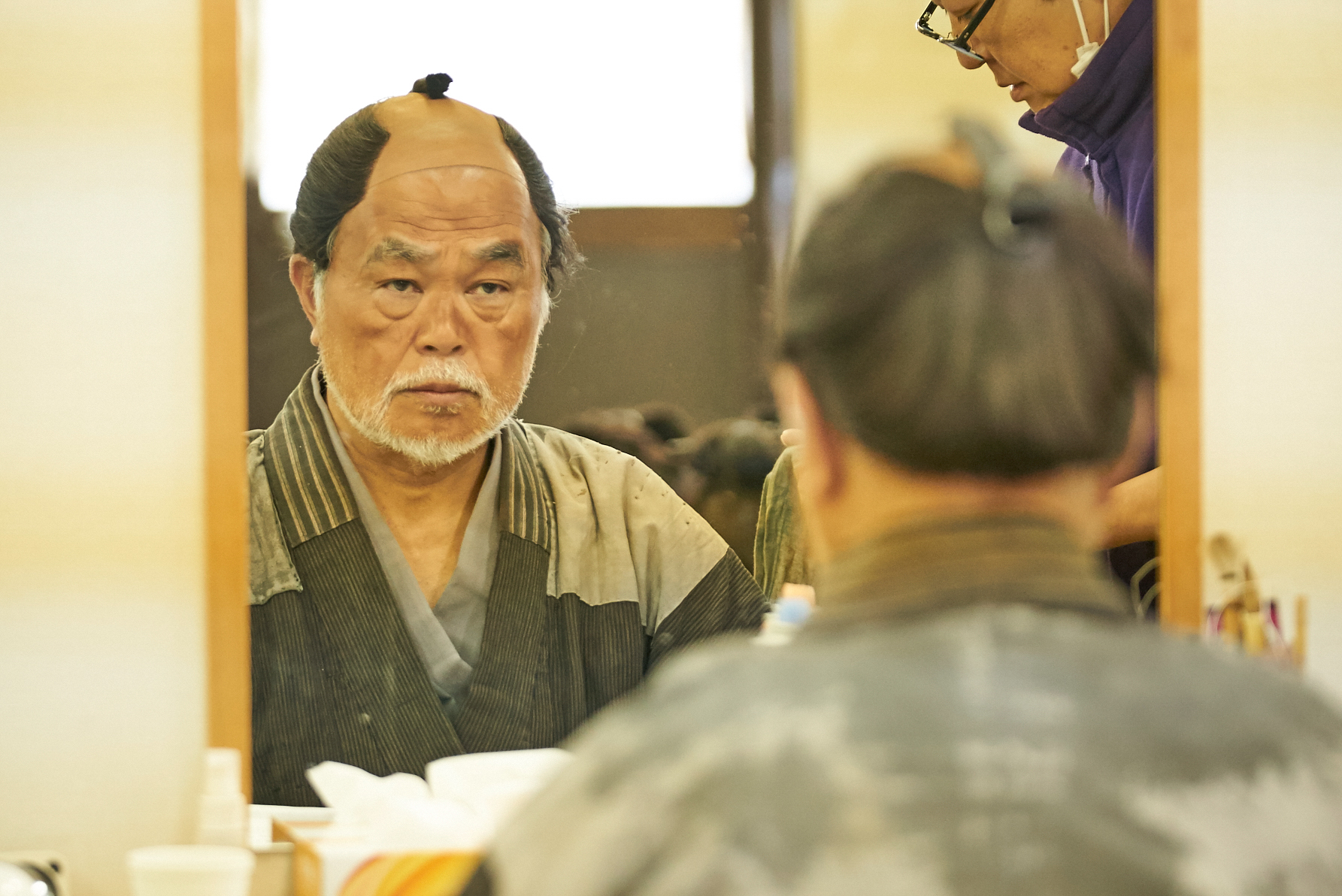
Anarchic wuxia action from Tsui Hark in which a reluctant Tang Dynasty soldier ventures through a crevice and into a supernatural conflict. Released in the wake of Star Wars this zeitgeisty 1983 SFX fest has lost none of its charm.
Leung Ming Kai & Kate Reilly’s omnibus film explores the unique culture of Hong Kong at a moment of crisis through four very different stories. Review.
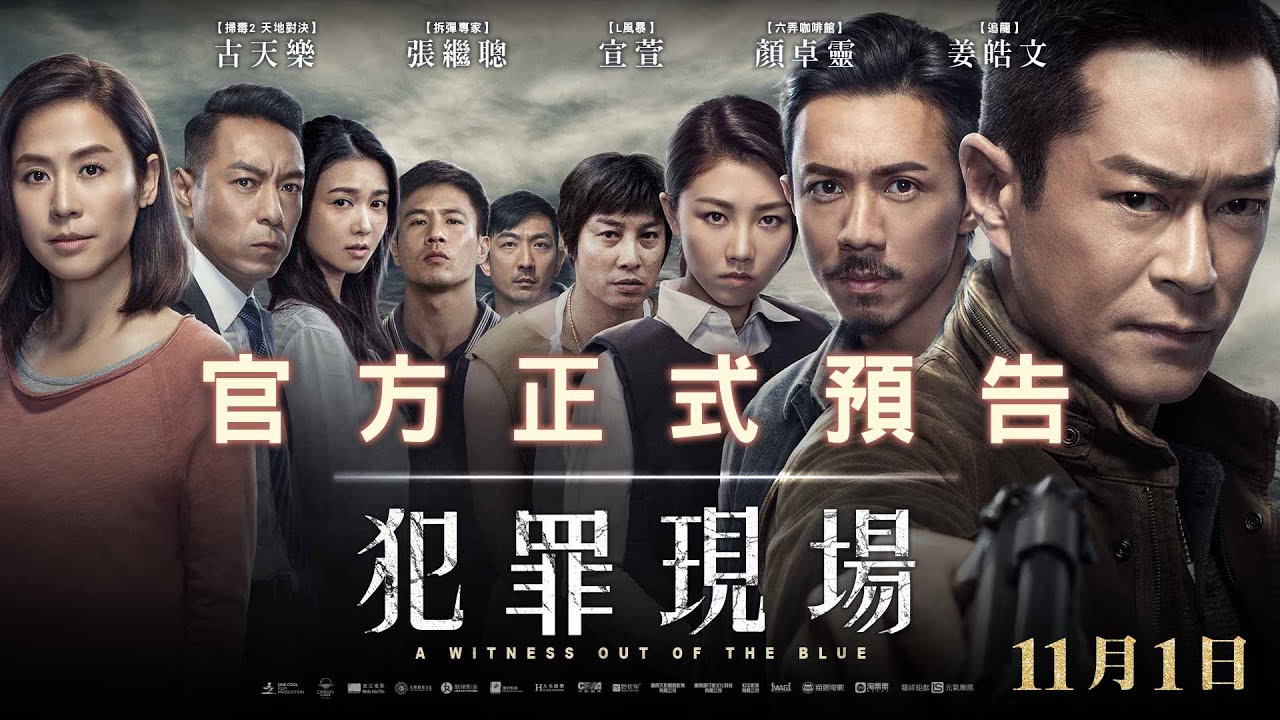
An eccentric policeman investigates a murder based on the testimony of the only eyewitness, a parrot, in Andrew Fung Chih-chiang’s absurdist noir thriller. Review.
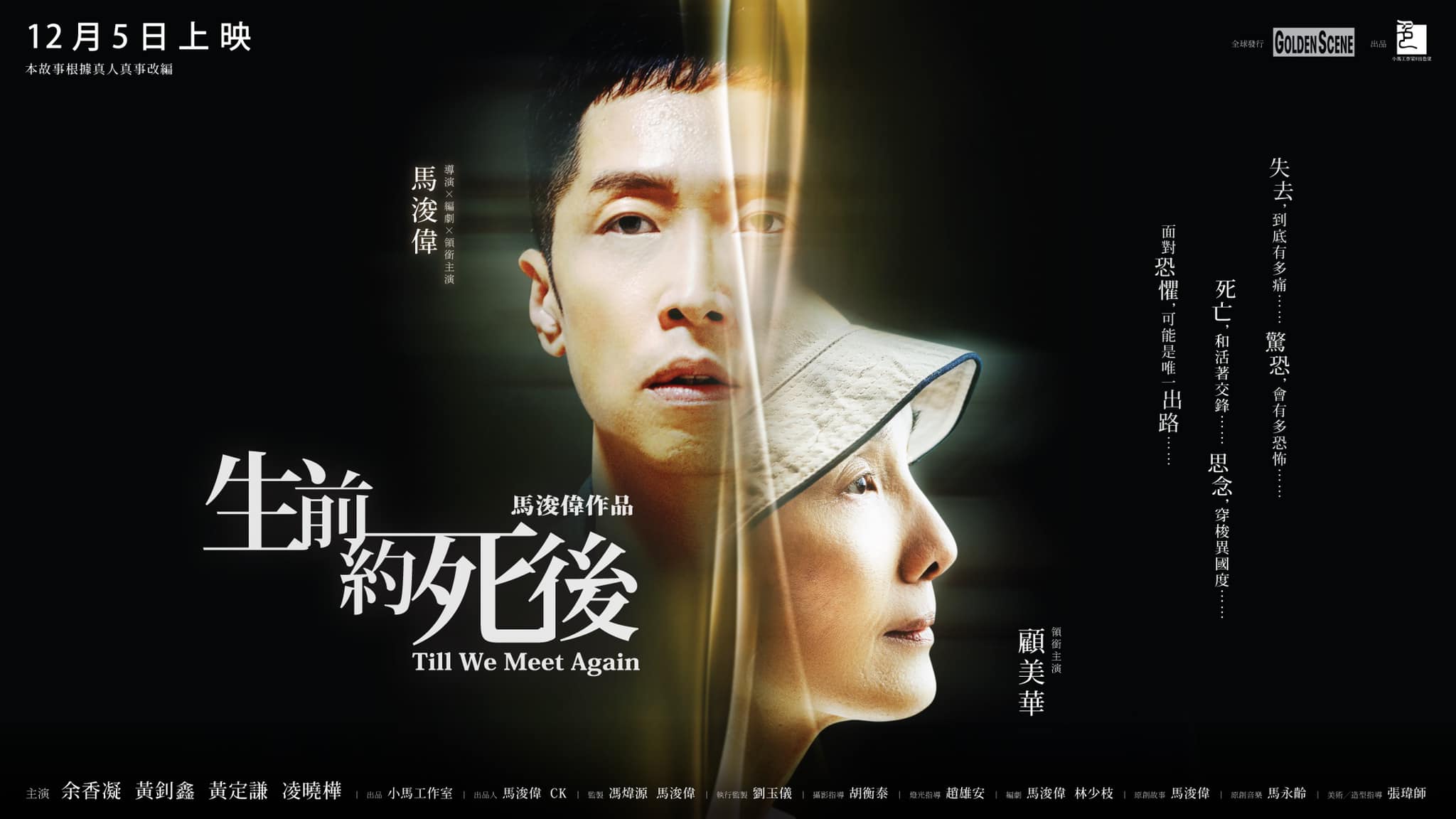
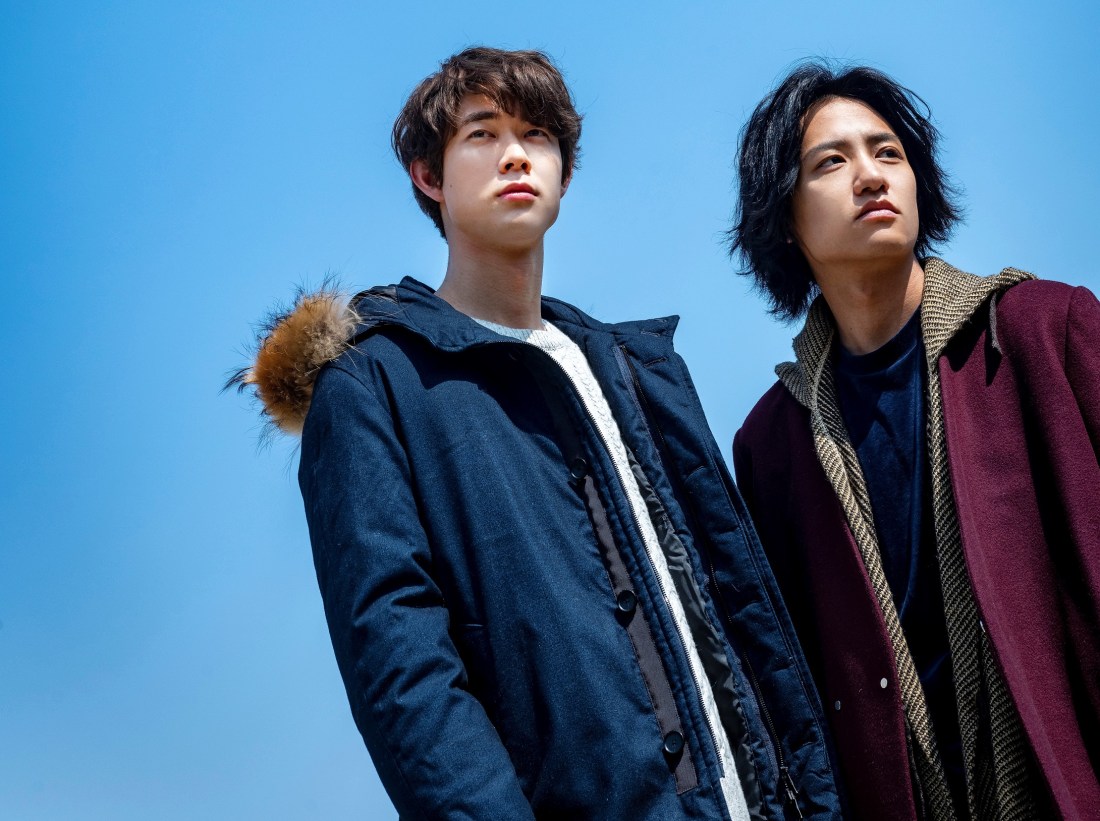
Struggling to come to terms with the death of his mother a decade earlier, a fragile man undergoes a psychological crisis in Steven Ma’s sensitive, semi-autobiographical drama.
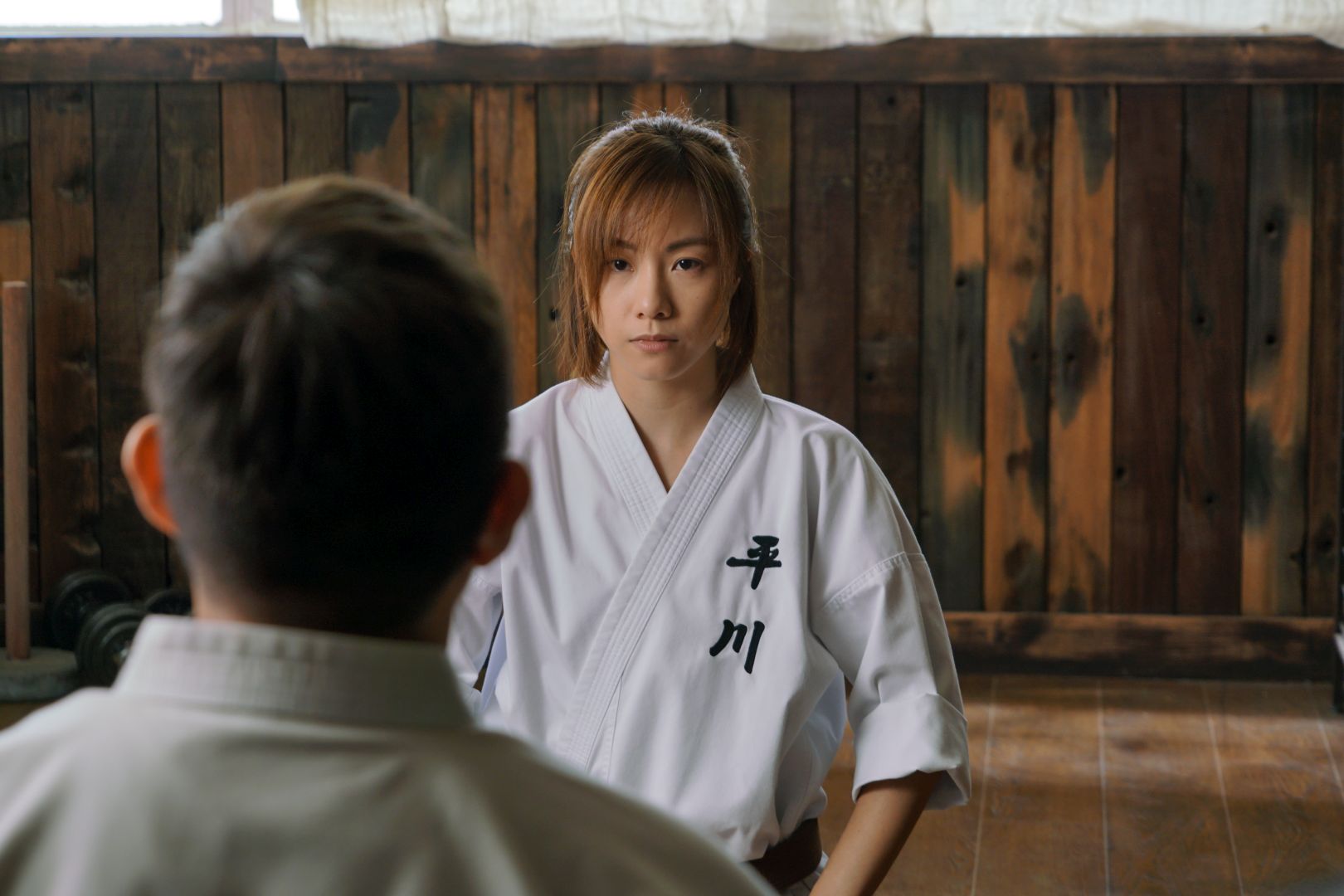
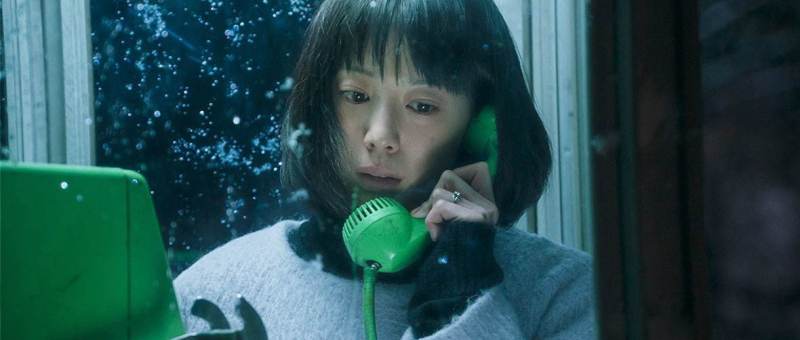
A young woman reaches a crisis point when her Japanese father suddenly dies and she discovers he’s left half the dojo (which was also their home) to a former pupil who pledges to sign his share over to her if she can last three rounds in a fight in this unusual character drama directed by and starring Chapman To with a stand out leading performance from Stephy Tang.
“Tickets” are on sale now via the official website for the reasonable price of £2.99 for features while shorts stream for free and you can also pick up an all access pass for £8.99. The festival will be back for another mini fest in March before returning later in the year for its first full edition and you can keep up to date with all the latest news via the official website, Facebook Page, Twitter account, and Instagram channel.
Like many directors of his age, Akira Kurosawa began his career during the war sometimes working on what were effectively propaganda films yet perhaps attempting to skirt around the least palatable implications of the task at hand. The Men Who Tread on the Tiger’s Tail (虎の尾を踏む男達, Tora no O wo Fumu Otokotachi) is an example of just that, repurposing a well known historical incident from its noh and kabuki roots and subtly undercutting it with a dose of irreverent humour unwelcome to those who liked historical tales because of their nationalistic connotations. This was not, however, the reason the film found itself out of favour so much as an ironically personal issue in which Kurosawa had apparently irritated one of the censors by pointing out his ignorance of cultural tradition leading him to conveniently leave Tiger’s Tail off the list of titles in production resulting in the American Censors rejecting it for being an unknown, illegal film which is why it languished on the shelf for seven years after filming was completed in 1945. The Americans may not have liked it much either given their aversion to period drama which they feared encouraged the kind of thinking incompatible with the democratic era, but like many of Kurosawa’s samurai dramas it has a rather ambivalent attitude to feudal loyalty both admiring of nobility and despairing of its austerity.
Set in the late 12th century, the action takes place during a period of warfare in which warrior Yoshitsune (Iwai Hanshiro X) has returned a victory for his brother, the ruler. His brother Yoritomo, however, feels as if his victory has perhaps been too good and he is therefore a threat to him. Yoritomo accuses his brother of sedition and puts a purge in motion, leaving Yoshitsune with no option other than to flee. With six of his best retainers, he escapes dressed as an itinerant Buddhist monk and tries to make his way to neutral territory in the North. To get there, however, they need to pass through a series of checkpoints which is why they’re currently accompanied by a cheerful fool in the form of a lowly porter (Kenichi Enomoto) supposedly guiding them along a secret path through mountain forests.
The porter is a new addition to the story added by Kurosawa for reasons of expediency and comic relief, yet his intrusion is also one which deeply angered the more nationalistic of the censors who resented the director’s irreverence towards a key historical event. Like many other of Kurosawa’s bumbling peasants, he’s both contemptuous and in awe of the world of the samurai, offering down to earth common sense takes on the politics of the day. He has already heard all about the Yoritomo/Yoshitsune drama and recounts it in the manner of a soap opera, quite reasonably asking if a quarrel between brothers could not have been sorted out with a good old-fashioned private fist fight rather than a state mandated manhunt which is also quite inconvenient for ordinary people in addition to being somewhat heartless.
The samurai, not wanting to break cover, can only look sad and lament the cruelty of their codes, yet it’s precisely in the subversion of their ideology that they are able to escape. They have already transgressed, some with shaved heads and all already in the clothes of a monk. The porter looks at Yoshitsune, apparently a successful warrior, and remarks on his delicate physique and seeming femininity. Eventually he says too much, realises that the men are the fugitives everyone’s looking for and is suddenly afraid, forgetting for the moment that they need him to get out of the woods and knowing that samurai think nothing of killing “insignificant nobodies” like him. Nevertheless they do not kill him, but on hearing that there are lookouts on the horizon aware of Yoshitsune’s presence, they ask their lord to change places with a peasant, wearing his worn out clothes and carrying his heavy pack though the weight of it perhaps betrays him. As the porter points out, he does not have the look of a man used to trekking through the mountains and his delicate legs are already shaking under the unfamiliar strain.
When the band is intercepted by loyal retainer Togashi (Susumu Fujita) who has been instructed to stop all priests in case Yoshitsune comes his way, Benkei (Denjiro Okochi), a real monk if also a warrior with a talent for bluff, manages to talk his way out of Togashi’s questioning, improvising an entire prospectus on the spot to convince him that they really are collecting money to repair a temple, quickly explaining that his robes are ornate because even ascetics have fashion sense. It’s not entirely clear if Togashi simply believes him, or if he too is wilfully subverting the code having recognised Yoshitsune and decided to help him escape. Might that not, in a certain sense, be the better way of serving a lord, preventing him from making a huge and painful mistake in killing his own brother out of a misplaced sense of paranoia?
In any case, Benkei talks his way out of trouble only for a minor retainer to intervene, insisting that the porter is too pretty and bears a striking resemblance to Yoshitsune. Reacting quickly again, Benkei does the unthinkable. He strikes his lord and loudly berates him as if he really were a lazy porter failing in the duties for which he has been paid. The real porter becomes upset, placing himself in between Benkei’s staff and Yoshitsune’s body, either out of empathetic identification or horror in the betrayal of feudal loyalty. Benkei knows he must now be believed, no one would ever do what he has done because it is a complete and total negation of the samurai code. Yet in breaking it he saves his lord, which is all that really matters. Yoshitsune later forgives him, because he is a good lord after all and how could he not. But as Benkei was keen to keep pointing out, this isn’t the only checkpoint they must pass and their journey is without end, all they can do is “continue without rest”, taking this brief moment of unexpected levity provided by apology wine from Togashi and the hilarious antics from the porter before setting off once again. As for the porter, he is soon abandoned, left on one side of the samurai divide as the curtain closes on this brief strange tale.
Closely associated with the family drama, Yasujiro Ozu is perhaps the most socially conservative of golden age directors. Unlike Naruse or Mizoguchi, he cheerfully reinforces patriarchal social norms and foregrounds the paternal experience while upholding the primacy of the traditional family in a rapidly modernising society. In his later career he’d come to sympathise more strongly with the young, but 1957’s Tokyo Twilight (東京暮色, Tokyo Boshoku), perhaps his bleakest take on familial failure, is essentially a treatise on the legacy of corrupted motherhood and rebuke to growing post-war freedom in which a young woman is made to feel that her future is impossible because of maternal betrayal while her sister is forced back into an unhappy marriage to an abusive husband in order to avoid the same fate befalling her own daughter.
Unlike most Ozu families, the Sugiyamas do not seem to be particularly happy in each other’s company, living in superficial politeness rather than true intimacy. This may partly be because the sisters had a brother who passed away young in a mountain climbing accident, but it also seems that Mr. Sugiyama (Chishu Ryu), though kind and polite, is a typically authoritarian, distant father. Oldest daughter Takako (Setsuko Hara) has returned home declaring herself unable to go on living with her professor husband Numata (Kinzo Shin) who, she says, has become increasingly erratic, taking out his petty professional disappointment on their small daughter Michiko whom he seems to resent. Younger sister Akiko (Ineko Arima) meanwhile is sullen and introverted. Unmarried, she lives at home and is studying to become a stenographer.
As we later discover, the girls’ mother Kikuko (Isuzu Yamada) left the family during the war after falling in love with the junior officer Mr. Sugiyama enlisted to look in on the family while he was away in Seoul. Akiko was only three when their mother left and barely remembers her. Takako attributes her wayward behaviour to “loneliness”, that she has been forever corrupted through never knowing a mother’s love. Mr. Sugiyama admits he tried his best, but both agree that children need two parents and no matter how much he wants to a father cannot make up a mother’s share.
This atmosphere of alienation is perhaps why Akiko feels as if she has no one to turn to in her own moment of maternal crisis. She has become pregnant by her college student boyfriend who has been avoiding her and even has the audacity to ask if the baby’s his when Akiko finally manages to pin him down. Trying to borrow money for an abortion, Akiko visits her aunt who declines to give it to her without knowing why, eventually turning to a family friend who apparently provides no questions asked. The woman at the clinic assumes she is a bar girl, as does a policeman who eventually “arrests” her for loitering in a sleazy cafe where her boyfriend has obviously stood her up which is quite openly being used as a place for men to pick up call girls. All of this contributes to Akiko’s increasing sense of shame and worthlessness. She sees herself as a fallen woman, convinced that she is all her mother’s child contaminated by her “bad blood” which makes a conventionally successful life as an ordinary wife and mother an impossibility.
Akiko’s aunt wants to set her up with arranged marriage matches, but Akiko declares she has no intention of marrying or having children. Without knowing anything of Akiko’s circumstances, Takako assumes this is because of her obviously unhappy marriage, trying to convince her sister that there are plenty of happy couples she is merely unlucky. Mr. Sugiyama attempts to talk to his son-in-law but finds him strange and indifferent, offering treatises on familial love while implying that he has little of it. He regrets pressuring Takako to marry him when he knew that she preferred someone else while Takako is once again haunted by the spectre of corrupted maternity in her mother’s decision to leave the family for emotional fulfilment and is fearful of making the same mistake creating another troubled daughter just like Akiko in denying her a father’s love (which seems a moot point given that Numata does not care for the child).
Neither woman is able to escape paying for their mother’s transgression. Akiko is punished firstly for embracing her sexuality and secondly for the rejection of motherhood in choosing to have an abortion. Alone and humiliated by her unreliable boyfriend, she is denied the opportunity to start over, while Takako meditates on female failure and believes that her only option is to live in misery with a cruel and narcissistic husband because that is the “proper” thing to do and the only way to bring her daughter up “right”. The absent mother, meanwhile, is denied reconciliation and left only with the painful separation from her daughter who finally rejects her in order to reclaim the image of the good wife and mother by returning to her unhappy home. Bleak as it is, all of this is presented as a kind of happy ending in that it restores the idea of the traditional family, increasingly threatened by post-war modernity, to its original primacy. We leave with Mr. Sugiyama rehiring his maid and heading cheerfully back to the male world of work, making the fresh start that his daughters have been so cruelly denied.
The Japan Foundation Touring Film Programme is back for 2021 in a brand new online edition with another handpicked selection of recent Japanese cinema hits for you to enjoy safely in the comfort of your own home, streaming across the UK 19th February to 10th March.
An unfulfilled housewife’s (Kaho) personal desire is reawakened when she runs into an old lover (Satoshi Tsumabuki) in Yukiko Mishima’s steamy adaptation of the Rio Shimamoto novel. Review.
Mariko Tsutsui stars as a veteran home care nurse whose life falls apart she after is implicated in the kidnapping of her employer’s youngest daughter in Koji Fukada’s emotional drama. Review.
In a sometimes surreal mockmentary, Naoki Murahashi lampoons the Japanese film industry but has nothing but warmth and admiration for its unsung heroes, the extras. Review.
Shun has been living quietly in the country keeping his sexuality a secret but is surprised one day to discover his old over from his university days who had broken up with him in the belief that there could be no future for their relationship standing on his doorstep with his six-year-old daughter.
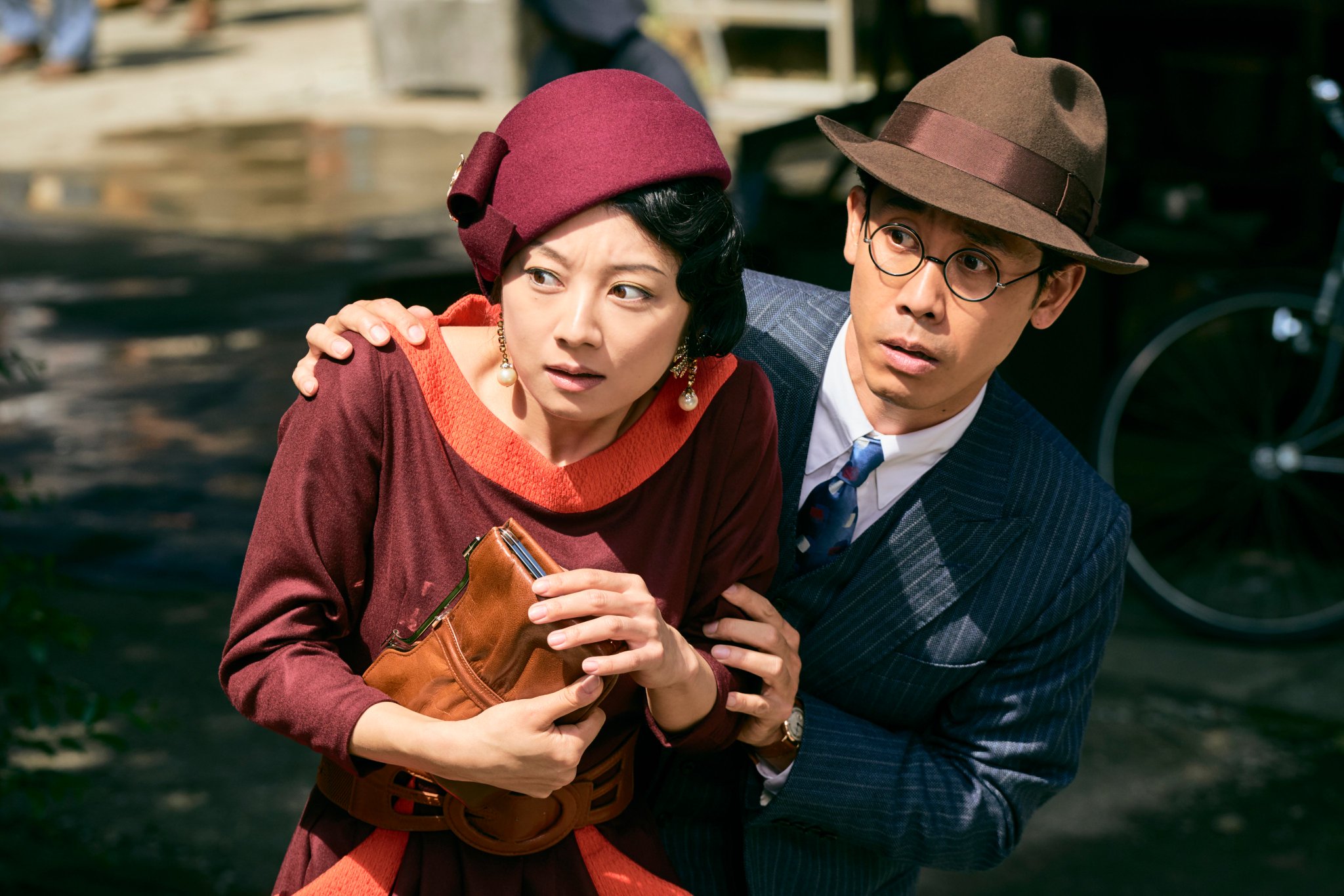
In a loose adaptation of an unfinished novel by Osamu Dazai, Yo Oizumi stars as a lecherous magazine editor who has realised that having so many girlfriends is a definite drain on his resources but being too cowardly to break up with them himself has enlisted the help of the brassy Kinuko (Eiko Koike) to pose as his wife.
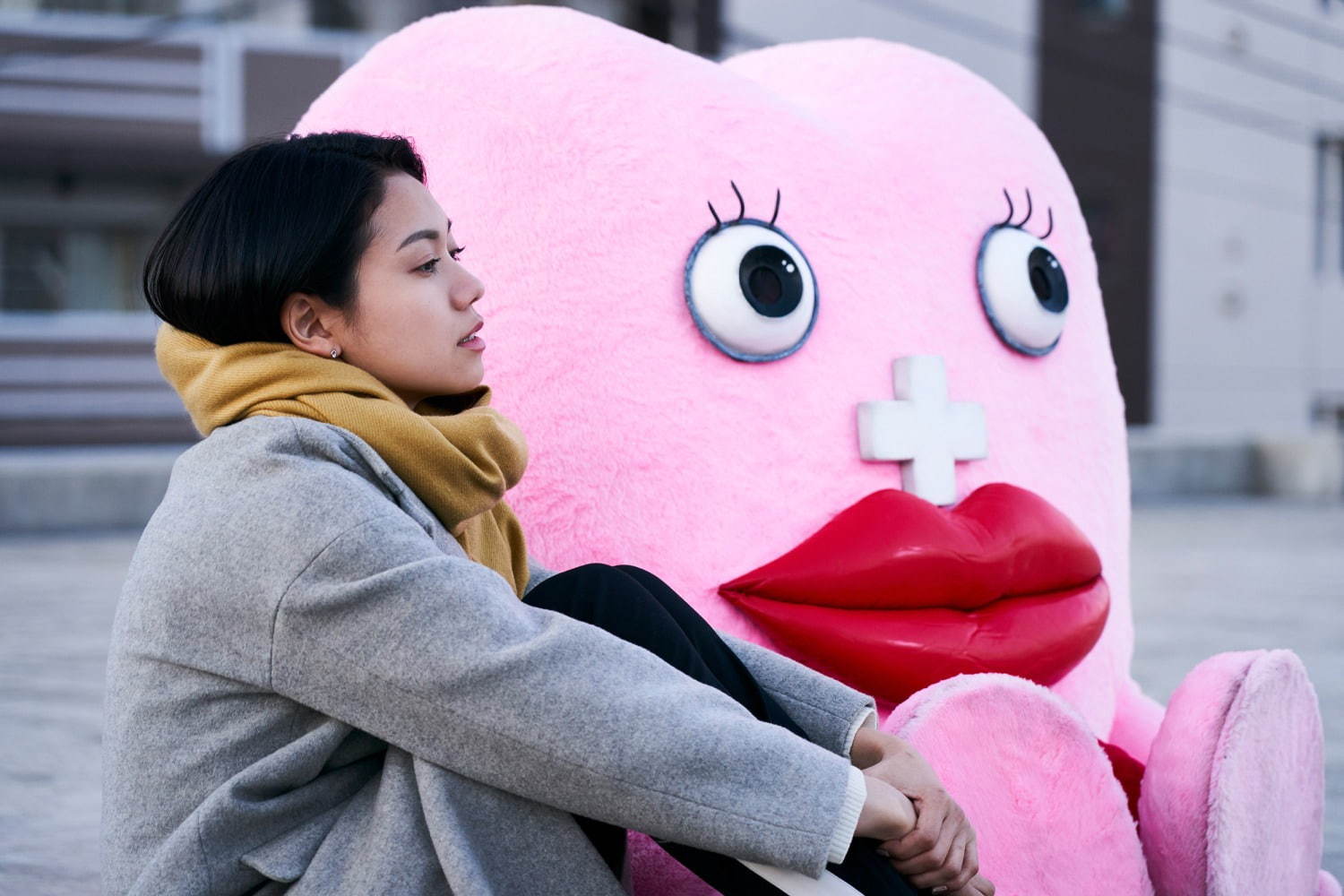
An anthropomorphised period in the form of a giant fuzzy pink monster arrives monthly to wreak havoc on women’s lives but is also a source of warmth and solidarity in Shunsuke Shinada’s delightfully whimsical comedy. Review.
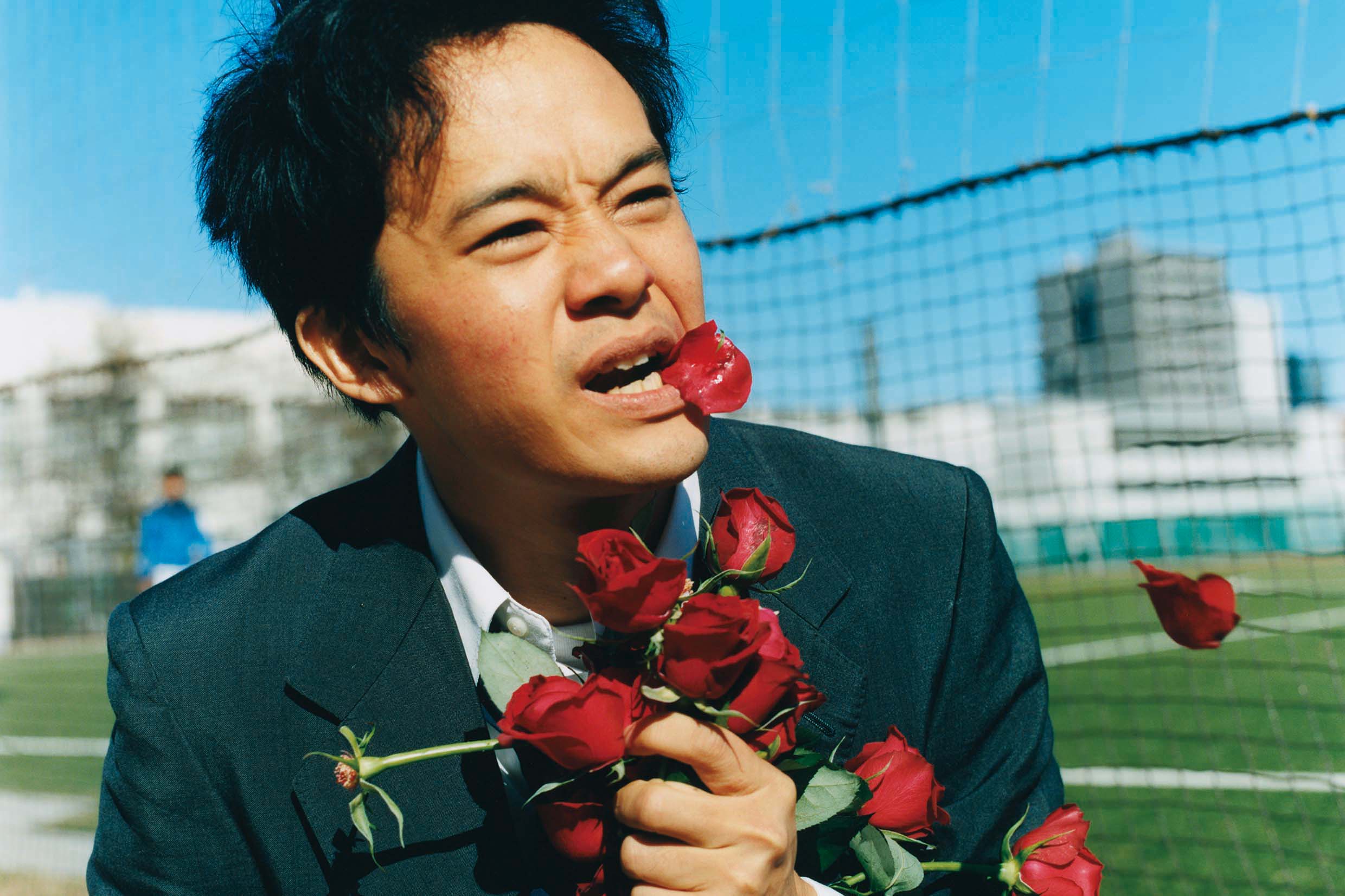
A mild-mannered salaryman embarks on a pugilistic quest to assert his manhood in a discomfortingly cheerful romantic drama from Tetsuya Mariko (Destruction Babies). Review.
Adult children are forced to face the legacy of trauma and abuse when their mother returns after 15 years of exile in Kazuya Shiraishi’s raw family drama. Review.
A mild-mannered student discovers a mysterious cassette tape which enables a recently deceased musician to possess his body for 30 minutes at a time in this college drama from Tokyo Ghoul’s Kentaro Hagiwara.
A young man living in the Kyoto of 2027 is visited by his future self who enlists him to save the life of his soon-to-be girlfriend who will otherwise be struck by lightning at an upcoming fireworks festival in this sci-fi romance anime from Tomohiko Ito (Erased, Sword Art Online, Silver Spoon).
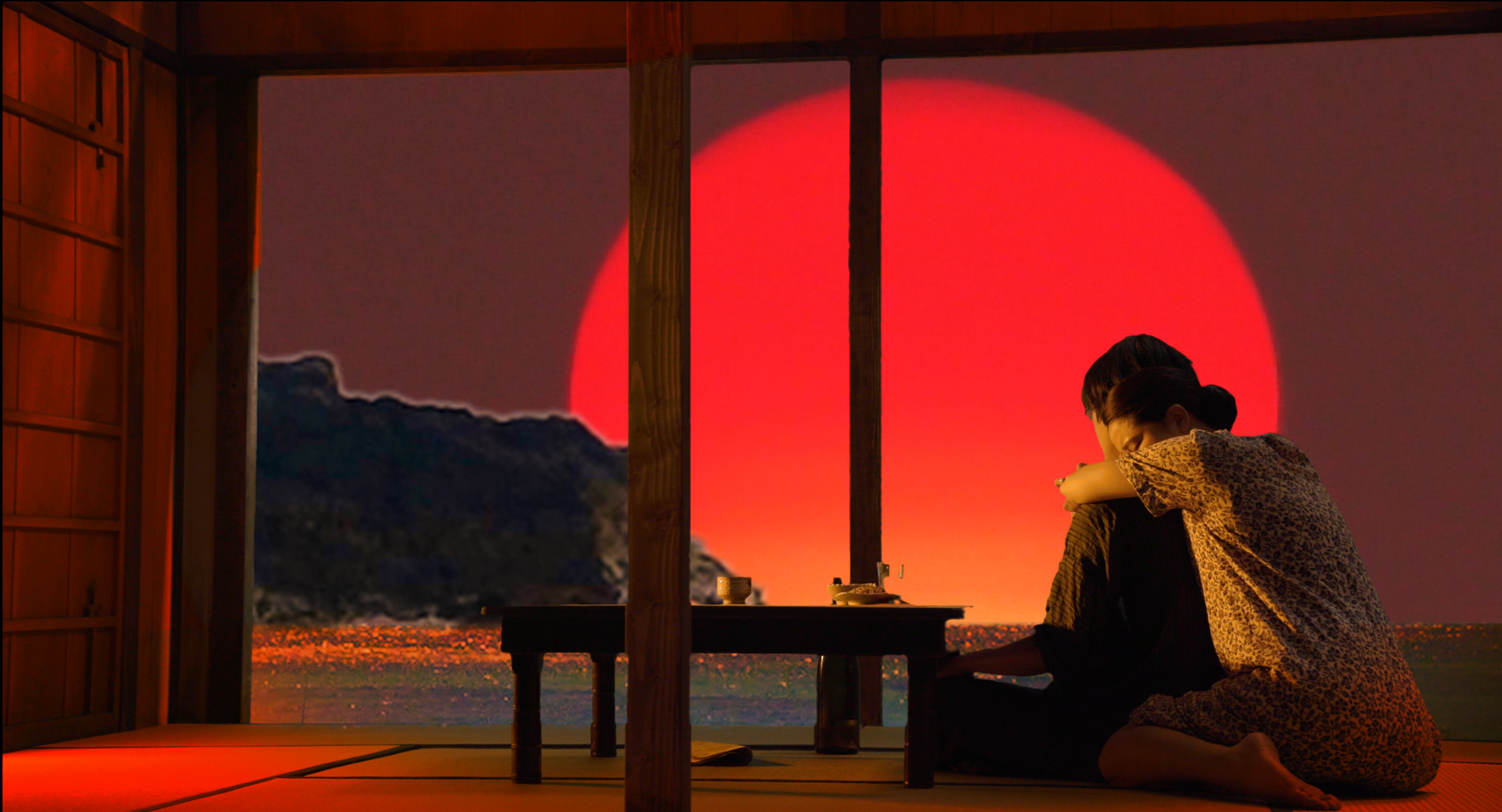
A poetic advocation of the transformative power of art, Obayashi’s final film takes a surrealist odyssey through the history of warfare as three youngsters chase the image of Japan in the labyrinths of cinema. Review.
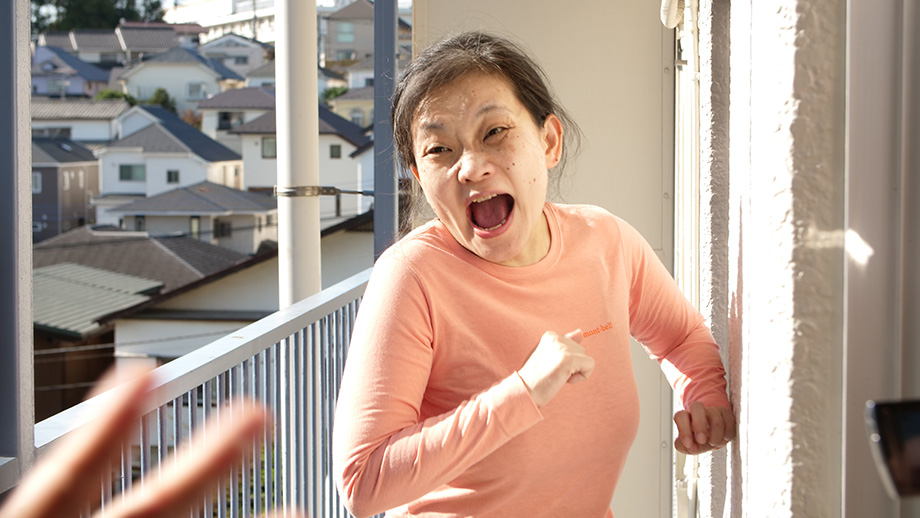
A self-involved writer learns the error of her ways when a vendetta with a noisy neighbour becomes an online viral phenomenon in Chihiro Amano’s empathetic plea for a little more peace and understanding. Review.
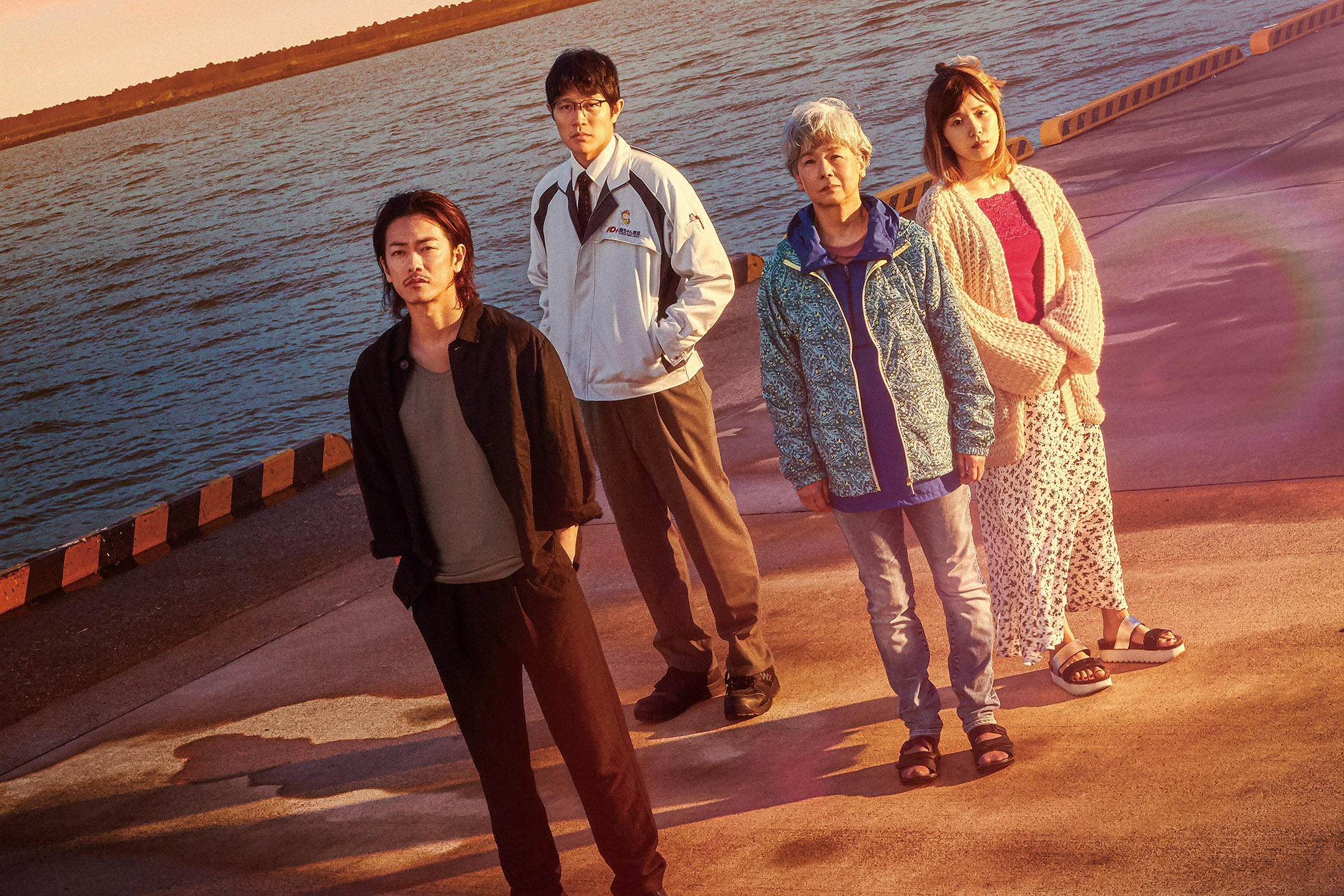
An aspiring actor/con man bonds with a traumatised young woman working at a care home and ends up on the run with her after they commit an accidental crime in Bunji Sotoyama’s sensitive drama.
An unsuccessful screenwriter is henpecked by his understandably irate sake-guzzling wife in this autobiographical take on a toxic marriage from 100 Yen Love screenwriter Shin Adachi. Review.
Filled with adolescent confusion a teenage girl begins to figure out what she wants out of life while conspiring with her brother’s mistress to wreck his impending wedding in Sho Suzuki & Takashi Haga’s coming-of-age comedy. Review.
A nerdy librarian (Gen Hoshino) is forced to take on the poison chalice of taking charge when his clan is unfairly ordered to move domains in Isshin Inudo’s egalitarian samurai dramedy. Review.
A resentful young woman comes to understand her awkward scientist dad only after he becomes temporarily deceased in Shinji Hamasaki’s delightfully zany comedy. Review.
This year’s Touring Film Programme will take place online streaming for free in the UK from 19th February to 10th March. Full details for all the films are available on the official Touring Film Programme website with streaming dates and ticketing information to be announced 22nd January. You can also keep up to date with all the year round events organised by Japan Foundation London via their main site, Facebook page, and Twitter account.
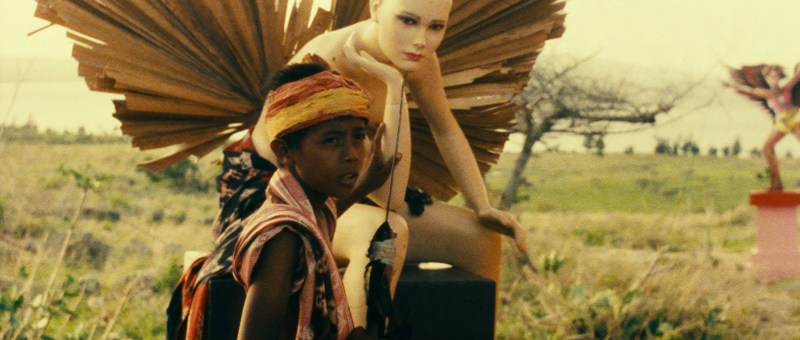
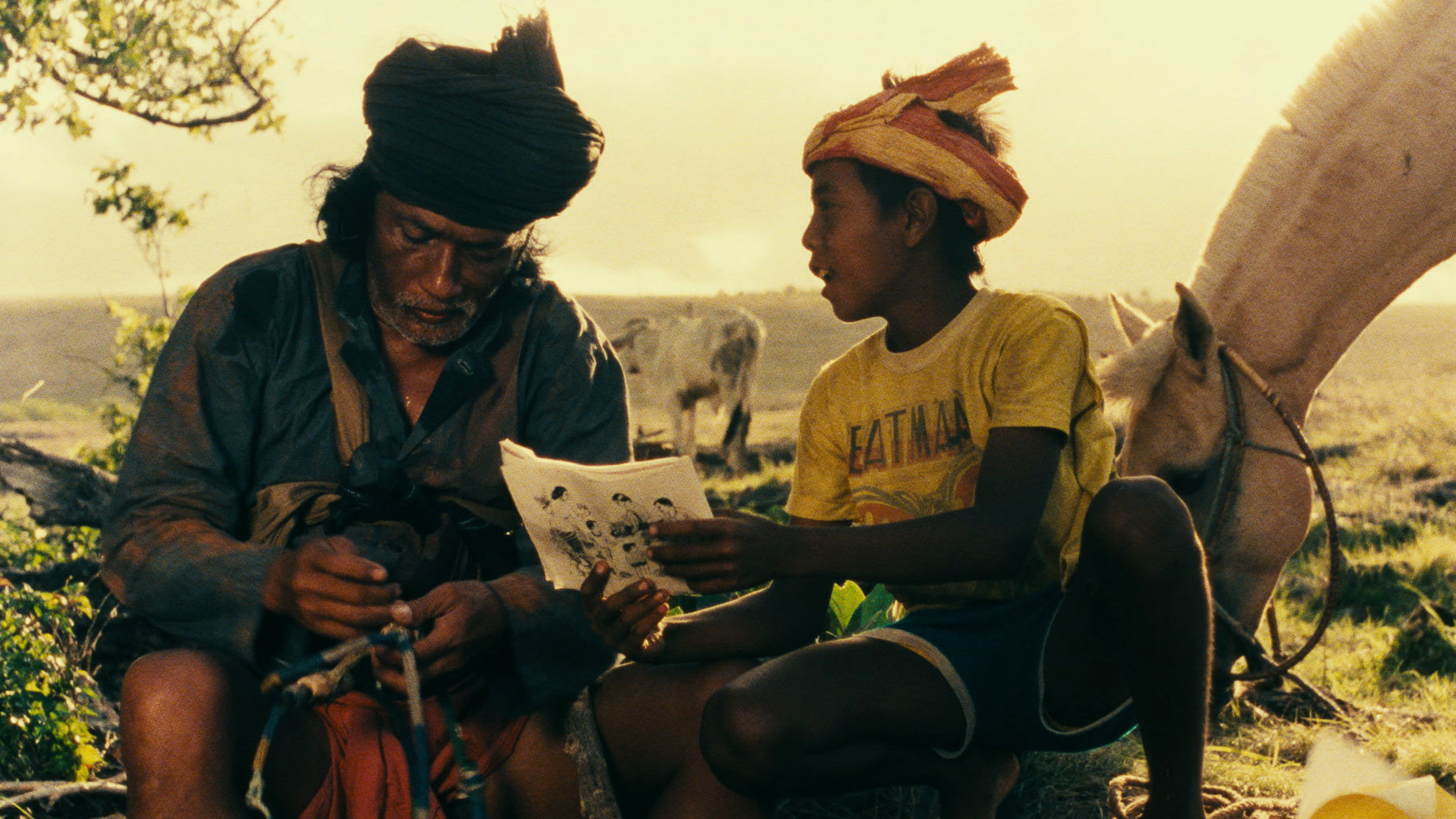
A lonely, motherless child’s infinite “curiosity” threatens to destabilise the intensely traditional world in which he lives in Garin Nugroho’s melancholy Sumba fairytale, Letter to an Angel (Surat untuk Bidadari). Taking ownership of a borrowed camera, the boy seeks instant images in order to make sense of his existence and thereafter to explain the way sees the world to those around him, but often finds that his messages go unheard while his society finds itself pulled towards a fractured modernity anchored by corrupted male authority.
At nine years old, Lewa (Windy) is in a way no one’s child and everyone’s. While his father works his land, Lewa rides his horse or spends time with the local women in search of echoes of the mother he lost in infancy. Somewhat literal, he finds it difficult to follow his Indonesian textbook, stumbling over the simple phrase “this is my mother” which might under the circumstances be an insensitive sentence at the best of times, but in this case because the illustration is of a typical Indonesian woman rather than a woman from his community and does not resemble him or the image he had in his mind of his mother. Asking his father about her elicits only partial history as he shows him the wreckage of the bus accident in which she died, Lewa becoming mistakenly fixated on the poster of Madonna (in name at least literally “the mother”) pasted on the side, snapping it with a polaroid camera gifted to him by a sympathetic travelling performer.
“Pictures show reality” he muses, talking to another of his maternal figures, Berlian Merah (Nurul Arifin), the village’s most beautiful woman. Beauty can, however, be a curse though she perhaps won’t quite know that. Evil local big wig land grabber and Elvis obsessive Kuda Liar (Adi Kurdi) desires her and so manoeuvres to have her husband killed. Not content, he later goes after Lewa’s other mother figure, the school teacher who told him of an angel who could heal the sick and bring the dead back to life. Muddling images in his mind, Lewa skips school and writes letters to the angel as if she were his mother, looking for comfort and guidance but finding little more than frustrating silence. Kuda Liar hassles his father for his land, and his mothers for their bodies, thinking nothing of throwing little Lewa himself off a cliff simply for the crime of existing.
Yet Lewa is repeatedly saved by his village chief who insists that Lewa is a good kid and being “curious” is no bad thing. It’s that curiosity, however, that repeatedly gets him into trouble, especially when he takes a photo of something he shouldn’t and offends a neighbouring village, triggering a long dormant feud into a moment of mass violence. “I don’t understand why I’m told I’m a bad person when all I wanted was to show my father’s real face” he writes in a letter on another occasion, unable to understand why others are not curious in the same way as he is, unwilling to see his version of the truth as mediated by the “reality” of his photographs.
Garin Nugroho too is determined to capture a certain kind of “reality” of the lives of the islanders as they practice their traditional culture, including footage of a series of rituals as they are performed complete with bloody acts of animal cruelty while Kuda Liar is at least forced into performative contrition in a “ceremony of forgiveness” for throwing Lewa off the cliff (into water, he is unharmed), demonstrating the way such ceremonies are used to mediate disputes within the community unlike the more “civilised” trial which occurs at the film’s conclusion, charged with discerning a more concrete notion of “reality” but in actuality setting out to prove a preconceived narrative, unwilling to hear the truths of others. It’s this contradictory authority that Lewa struggles to parse, looking desperately for his mother while inheriting only problematic visions of masculinity from his distant, angry father, to the “mad” uncle Malaria (Fuad Idris), and the cruel eccentricity of Kuda Liar. Eventually it imprisons him with the notion that he must be “rehabilitated”, presumably to become less “curious”, taking away from him the means to define his own reality for himself but allowing him perhaps to find that which he had been looking for.
Letter to an Angel streamed as part of this year’s San Diego Asian Film Festival.
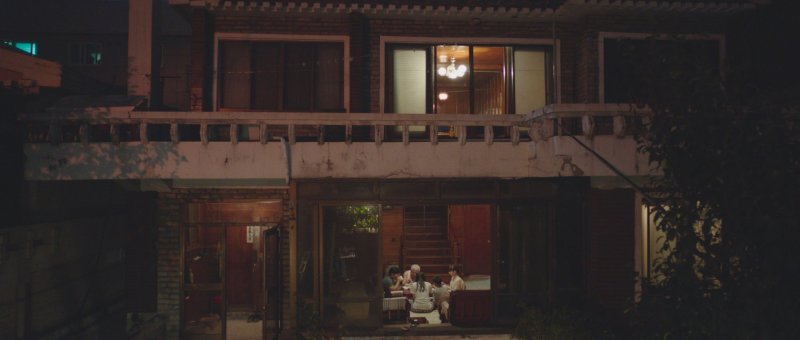
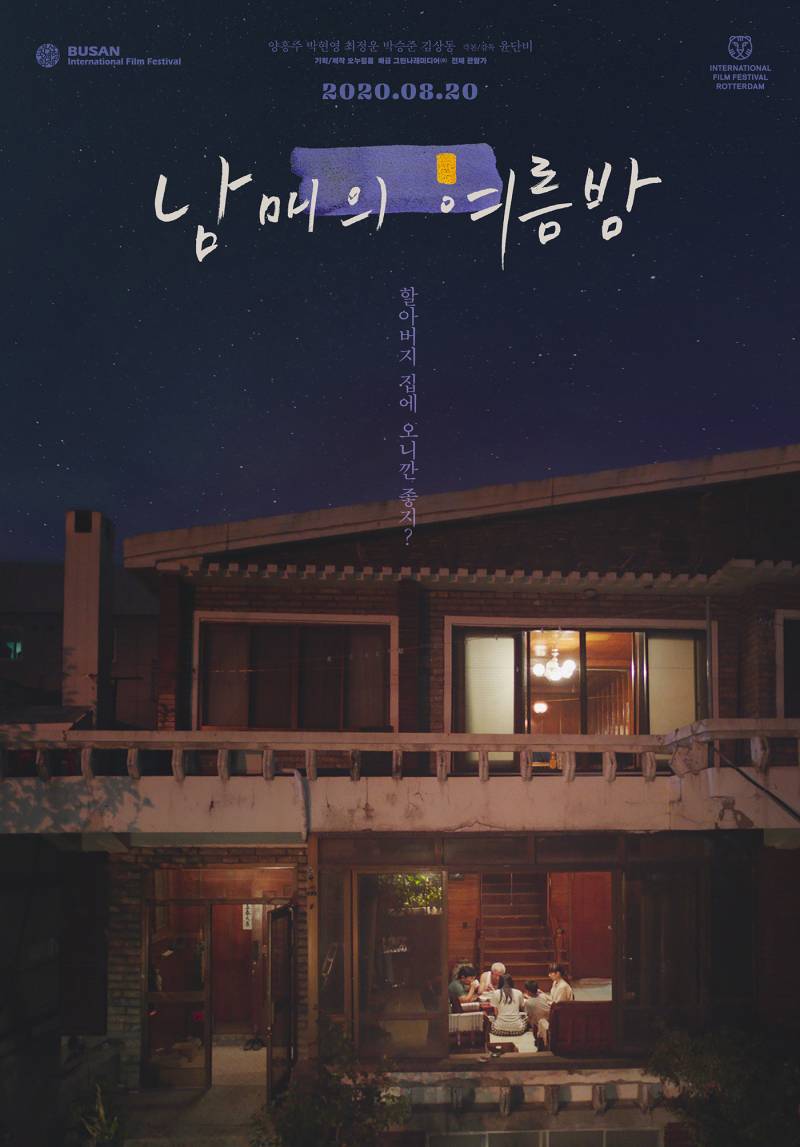
Life is a series of partings, but somehow they never seem to get any easier. The heroine of Yoon Dan-bi’s award-winning debut feature Moving On (남매의 여름밤, Nammaewui Yeoreumbam) seems to have already developed a healthy sense of nostalgia for an irretrievable past despite her young age, acutely aware of her silent grandfather’s aching loneliness though somehow unable to ease it. Yet it’s the complicated business of family that she finds herself sorting out one difficult summer while temporarily displaced, living in a sense in the past as her equally lost father attempts to rediscover some kind of foothold in the modern society by moving back into his childhood home.
Teenage Ok-ju (Choi Jung-un) takes one last look around her old apartment before her dad Byunggi (Yang Heung-joo) drives them to grandpa’s, a place and indeed man she doesn’t know particularly well. In fact, she’s worried he might not even know they’re coming. When they arrive, it turns out grandpa isn’t there, he’s in hospital after being struck down by heatstroke. As they will every other time we see them bar the last, Ok-ju and her younger brother Dong-ju (Park Seung-joon) enter the house alone, waiting patiently for their father to come back while still not really quite at home, fearful of causing a disturbance in an unfamiliar environment. When they finally return it seems as if Ok-ju’s hunch might have been right, her father asks grandpa for permission to stay to which he merely gives a few words of assent.
Byunggi paints their stay as something like a summer holiday, which it is in a way, a brief moment of pause while they figure out what to do next. What he hasn’t told the kids is that he’s broke, selling factory second sneakers on the street in an unsuccessful attempt to make ends meet while he studies to pass an exam to get a better job. They’re piling into grandpa’s two-bed, two-storey home because they don’t have money for rent. Yet like any teenage girl Ok-ju has the usual worries. She wants $700 from her father for cosmetic surgery, partly as she later explains to her aunt Mijung (Park Hyun-young) because the boy she’s been seeing only texts her when she texts him leaving her feeling insecure in her looks and mistakenly believing he’d be more proactive if her eyes were more generic. Later she swipes a pair of her dad’s trainers to give to him as a birthday present, trying to buy his attention, and then another trying to sell them to get the money her dad wouldn’t give her not realising the trainers are fake. The awakening she gets is then two-fold, firstly that she made a huge mistake turning to crime and secondly realising that her dad’s a fraud, a failed businessman who’s resorted to peddling knock offs and moving back in with his father because he can’t support his family.
Meanwhile, she’s still harbouring a great deal of resentment towards her absent mother who has for unknown reasons left the family. She argues with her cheerful brother Dong-ju who still wants to maintain contact with her, angrily accusing him of having no pride when quite the reverse is true. It’s she who is too proud to admit she misses her mother and too hurt to forgive her for her abandonment. She rejects Dong-ju’s right to choose for himself, insisting that he shouldn’t see their mother because she doesn’t want to, trying to enforce sibling solidarity but only further driving a wedge between herself and her brother as she reduces him to tears in the absurdity of her misplaced rage. With father and mother both discredited, only the arrival of aunt Mijung provides an alternative source of adult reliability but aunt Mijung has problems too, sneaking out at night to drink and smoke while contemplating a middle-aged divorce from her possibly abusive husband.
There’s an odd kind of symmetry in the secondary family that is thrown together at grandpa’s, Ok-ju and Dong-ju younger versions of Byunggi and Mijung living in their childhood home now cast in the parental roles if somewhat awkwardly. They have each in a sense failed, Byunggi unemployed and separated from his wife and Mijung heading for a divorce. They’ve come “home” to be children again, get a reset on middle-aged disappointment while contemplating future loneliness as they consider the problem of grandpa, asking themselves if he might not be better off in a home as his health declines especially after the kids go back to school and they’ll need to hire a carer. Mijung wants to sell, but it’s impossible to sort the desire to do right by dad from the material lure of turfing him out his own house to unlock its hidden equity. Figuring out what’s going on, Ok-ju is further disappointed in her father. After all, it’s just not right. But he fires back at her that stealing his dad’s house out from under him isn’t so different from what she did when she took the shoes, which is a point but maybe not the one he thinks he’s making.
Still, sometimes events can overtake you. Walking downstairs late one evening Ok-ju is struck by the sight of her grandfather sitting sadly alone listening to a melancholy song from his youth about lost love, overcome with nostalgia and a deep sense of loneliness, a longing for something or someone perhaps the family of bygone days. The Korean title, “a brother and sister’s summer night”, has its sense of poignancy too as the pair are forced to contemplate summer’s end, processing loss as they adjust to the new normal of their unusual family circumstances Ok-ju finding an adult accommodation with disappointment as she prepares to “move on” from this summer interlude into a much less certain world. Shot with warmth and naturalism, Yoon’s debut captures a family on the brink of disintegration but does perhaps find a kind of solidarity in the siblings’ self-reliance as they face the summer night alone but also together.
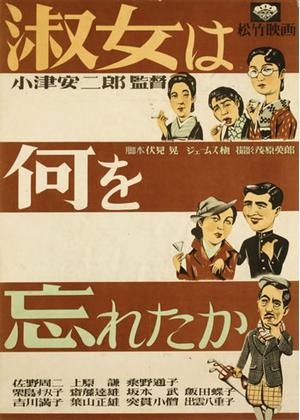
Japan was in a precarious position in 1937. Ozu’s What Did the Lady Forget? (淑女は何を忘れたか, Shukujo wa Nani wo Wasureta ka) was released in March of that year but by July the Second Sino-Japanese War would be in full swing and on the home front increasing censorship would render this kind of inconsequential comedy a much less easy sell. True enough, the film includes no “patriotic” content though it does eventually reinforce a set of patriarchal values in the remasculinisation of a henpecked husband while quietly sniggering at a new bourgeois social class.
The drama unfolds in the home of a medical professor, Komiya (Tatsuo Saito), and his austere wife Tokiko (Sumiko Kurishima). The couple have no children and mostly lead separate lives. Tokiko spends her days with two close friends, widowed single-mother Mitsuko (Mitsuko Yoshikawa), and wealthy older woman Chiyoko (Choko Iida) who is married to her husband’s friend, Sugiyama (Takeshi Sakamoto). The three women gossip about the usual things from fancy department store kimonos to new ways to laugh so you don’t get wrinkles along with the bizarrely difficult maths problems Mitsuko’s son has been studying in preparation for middle-school that none of them can answer. To help with the embarrassingly taxing homework, Tokiko offers to find a tutor, press-ganging her husband’s best student, Okada (Shuji Sano), into spending time with Mitsuko’s son Fujio (Masao Hayama) though it turns out that he too, a college graduate, is unable to solve these middle-school level problems.
The real drama occurs when the couple’s neice, Setsuko (Michiko Kuwano), whom Tokiko had described as “proper” and “wholesome” rocks up from Osaka having become the epitome of a modern girl. Setsuko’s arrival further strains the Komiyas’ already fraying relationship as her surprising habits which include driving, smoking, drinking, and hanging out with geisha, continue to exasperate her aunt whose main objection to all of those things is that they aren’t appropriate because Setsuko is not yet married. To get away from his nagging wife who forces him to go golfing as usual when he doesn’t really want to, Komiya stashes his clubs with Okada and goes to a bar in Ginza where he meets Sugiyama who has also been forced outside by his wife. Sugiyama really does go golfing, promising to mail a previously written postcard to Tokiko on Komiya’s behalf, while he is eventually joined by Setsuko who has tracked him down to the bar despite being told to stay home and mind the house (the Komiyas have two live-in maids so the instruction seems unnecessary at best).
As a “modern gal” Setsuko has some strangely old fashioned ideas even as she behaves like a 1930s ladette, striding around like man while drinking, smoking, and generally being almost as intimidating as Tokiko just in a more likeable fashion. Setsuko finds Komiya’s deferral to his wife embarrassing, encouraging him to be more masculine and stand up for himself even advising that he use violence to reassert his position as the man of the house. He seems uncomfortable with the idea but eventually does just that after a climactic argument once his lying about the golf and Setsuko’s nighttime adventures have been exposed. Caught in a moment of frustration, he slaps Tokiko across the face, leaving her to retreat in shock apparently “beaten”. The thing is, however, Tokiko likes it. She sees his slapping her as a sign of his love, as if she’s been needling him all this time in hope of a reaction while frustrated that perhaps he doesn’t care for her. Once he hits her, the marriage is rebalanced and repaired with traditional gender dynamics restored. She becomes more cheerful and deferent to his male authority, he acknowledges that he enabled her “arrogance” with his weakness as a man.
Setsuko however, continues to shout at her uncle, disappointed that he apologised for his reaction and accusing him of giving away the victory he’d just won. He tells her that he’s simply using reverse psychology because wives like to believe they’re in charge and in the main it’s best to let them. Setsuko seems satisfied, but jokes with her new love interest Okada that he better not use reverse psychology on her. Or, he can, but she’ll just use reverse reverse psychology to get the upper hand, which perhaps undercuts the central message in praise of traditional gender roles. Nevertheless, What Did the Lady Forget? is full of Lubitschy late-30s charms from an unexpected sighting of real life star Ken Uehara at the Kabuki to Setsuko’s movie magazines featuring Marlene Dietrich and repeated references to Frederich March and William Powell proving that Ginza is open even in 1937, while the Komiya household descends into an oddly peaceful harmony of delayed marital bliss.
It’s difficult to believe, in some ways, that the world could have changed so much in just a couple of decades. Qiu Miaojin gained a cult following and widespread acclaim as an openly gay defiantly lesbian writer in the early ‘90s, but sadly took her own life in Paris at the age of 26 in 1995. Hong Kong director Evans Chan’s Love and Death in Montmartre (蒙馬特之愛與死) expands his 2017 documentary which aired as part of TV series celebrating Sinophone writers and though he claimed not to have been much interested in Qiu as a personality, explores her life, love, and legacy from the perspective of a Taiwan which has now become the first Asian nation to legalise same sex marriage.
The film’s title is inspired by Qiu’s final novel completed shortly before her death in exile in Paris. Though she became well known as an out lesbian writer publishing under her own name as a woman who loved women, Qiu, the documentary implies, never actually came out to her family and eventually fled a Taiwan which had recently entered into democratic freedom but was nevertheless still conservative and socially oppressive. In Paris she looked for freedom artistic and personal, but continued to struggle with herself in her internal contradictions which were also in a sense provoked by a hostile society.
Interviewed 25 years later, many of Qiu’s friends and contemporaries point out that she preceded rather than participated in the burgeoning LGBTQ+ movement which only began to gain ground after her death, but that her work nevertheless helped to raise visibility and acceptance of lesbianism in Taiwan and beyond. Lacking a language to describe herself, her slightly ironic adoption of the term “Lazi” for lesbian was adopted by women who love women in Taiwan, in turn inspiring the Mainland’s “Lala”. As another interviewee suggests, Qiu’s work was also ahead of its time in giving voice to the author’s anxiety in the impossibility of defining gender, at times longing to be made entirely male or entirely female while evidently feeling neither term entirely fitted only later claiming to have discovered an integrated self in the depths of her heartbreak.
An actor Qiu met university who subsequently starred in one of her short films excerpts of which are included in the documentary recalls her anxiety that repressed emotions once unleashed have the capacity to consume, and in her case at least this may have been the truth. Close friends recall the self harm scars on her arms where she burned herself with cigarettes following the end of a relationship, consumed by her own need for all encompassing passion yet also filled with self-loathing. Perhaps tellingly and presumably for reasons of privacy, her lover at the time of her death does not appear in the documentary which goes out of its way to avoid naming her beyond the “Xu” which appears in her letters, Qiu attributing their breakup to her “intensity” which had unfortunately turned violent further contributing to her sense of shame and instability.
Yet the translator of Last Words from Montmartre advances that Qiu’s suicide was also in a sense a literary act, the culmination of an artistic life in the tradition of tragic authors she had admired such as Osamu Dazai or Yukio Mishima. Another friend wonders if she might have been suffering from bipolar disorder, while her former professor reflects on her decision to adopt the name “Zoe” while in Paris, a name which itself means “life”. In Taiwan Qiu had worked for a suicide hotline, yet eventually took the decision to die. Qiu’s work cannot indeed be divorced from the manner of her death, but nor can its legacy be denied in contributing to the birth of a movement that she sadly did not live to see.
Including clips from Qiu’s short films and excepts from a short inspired by Qiu’s life directed by bisexual Shanghainese filmmaker Lotte Yue, as well as reenactments featuring Qiu dressed alternately as a crocodile as in her famous novel or as a veiled ghost, Chan charts her artistic legacy through Asia and beyond with recent translations of her novels into French and English, but also juxtaposes the oppressive society she struggled to escape with the comparatively more liberal world of today which she perhaps even in the tragedy of her life and death helped to bring about.
Love and Death in Montmartre streamed as part of this year’s San Diego Asian Film Festival.
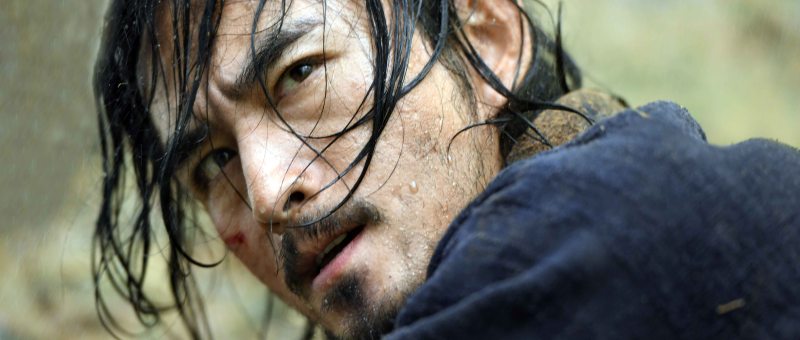
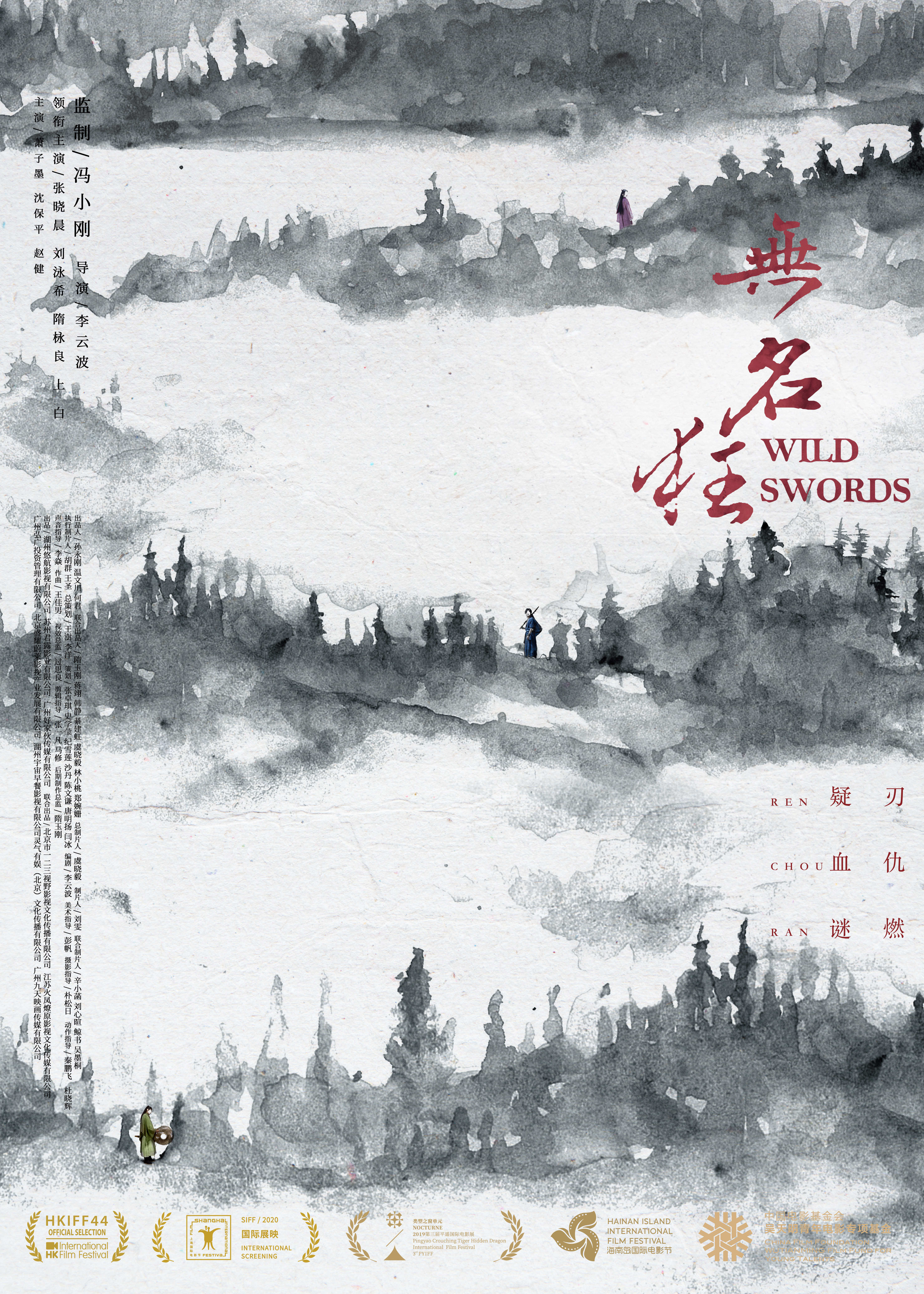
Indie and wuxia might not be words that neatly fit together in the minds of many who perhaps associate the genre with lavish costumes and elaborate sets, but it is in essence one which values simplicity and innovation. Produced by Feng Xiaogang and financed through crowdfunding, Li Yunbo’s Wild Swords (无名狂, Wúmíng Kuáng) is a classic jianghu tale of warring sects, intrigue, and moral ambiguity that makes the most of its shoestring budget through striking cinematography and beautifully choreographed action sequences while spinning a complex tale of misdirected vengeance and fractured identity.
Told largely through a series of Rashomon-esque conflicting flashbacks, the bulk of the action follows bandit Wang Yidao (Zhang Jian) who is made an offer he can’t refuse to escort a valuable prisoner, Kuo Chang-sheng (Zhang Xiao-chen), to an unnamed destination. Yidao didn’t want to take the job because he thinks it’s more trouble than it’s worth, and events will prove him right. The reason Chang-sheng is a wanted man is that he’s connected to the legendary Chang Wei-ren (Shang Bai) whom just about everyone wants to find, not least for his involvement in the death of the heir to the Tang-Men, the rival clan he holds responsible for the destruction by poison of his own Nameless sect. Eventually Yidao becomes aware that his mysterious client is Bai Xiaotian (Sui Yongliang), another former member of the Nameless who is looking for Wei-ren for purposes of revenge.
The Tang-Men are well known as master poisoners, a plot device frequently employed and eventually wreaking psychological havoc on the central three as Xiaotian reveals that the greatest Tang-Men technique allows the user to change their appearance leading him to believe that any one of them, including perhaps himself, could actually be Wei-ren in “disguise”. Meanwhile, he outlines his time among the Nameless, resentful of Wei-ren who rivalled him in swordsmanship and it seems love. Chang-sheng, however, has quite a different version of events apparently relayed to him by Wei-ren whom he now believes to be dead. Yidao knows not who if anyone to believe, but has little time to think about it after becoming swept up in the Tang-Men’s quest to chase down Wei-ren.
Perhaps slightly subversive, Wei-ren’s version has him both becoming weary of the heartless philosophy of the Nameless while simultaneously painting them as the good guys who refused to lackey for an authoritarian government which ironically requested their assistance in getting rid of “evil factions”. Xiaotian sees his rival as a lazy goofball, his lack of application only fuelling Xiaotian’s resentment towards him, yet Wei-ren sees himself as a sensitive loner who looked to the sect for a family only to find merciless ruthlessness in which all are disposable aside from the chosen one. As he tells Xiaotian, when you climb to the summit of martial arts, all you see is the abyss waiting below and no matter how fast you think you are, there is always someone faster. The ones who die are the ones who hold back.
Wringing genuine intrigue out of its complex, conspiracy-laden narrative, Wild Swords is careful to make space for the genre essential fight in a teahouse which also introduces us to the pretty boy villain of the Tang-Men, Wuque (Eric Hsiao), as he relentlessly stalks his prey in order to gain revenge for the murder of the Tang heir. Caught up in their identity drama, the three men begin to realise the futility and meaninglessness inherent in the world of jianghu in which there is only the “bitterness of life”. They are each one and the same, sole survivors of a vanquished clan carrying the weight of those they failed to protect. Beautifully lensed and set against the majestic natural scenery, Li Yunbo’s slightly revisionist take on the classic wuxia finds its conflicted heroes at war with themselves pursuing misdirected vengeance against those they blame for their loss while wilfully misunderstanding the cause of all their suffering as they pursue their jianghu destiny to its natural conclusion.
Wild Swords streamed as part of this year’s San Diego Asian Film Festival.
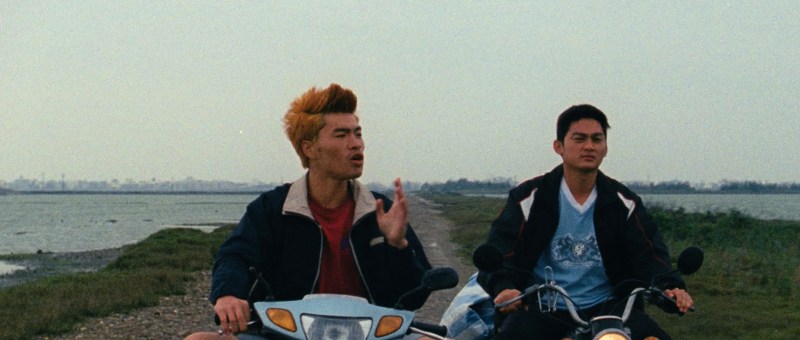
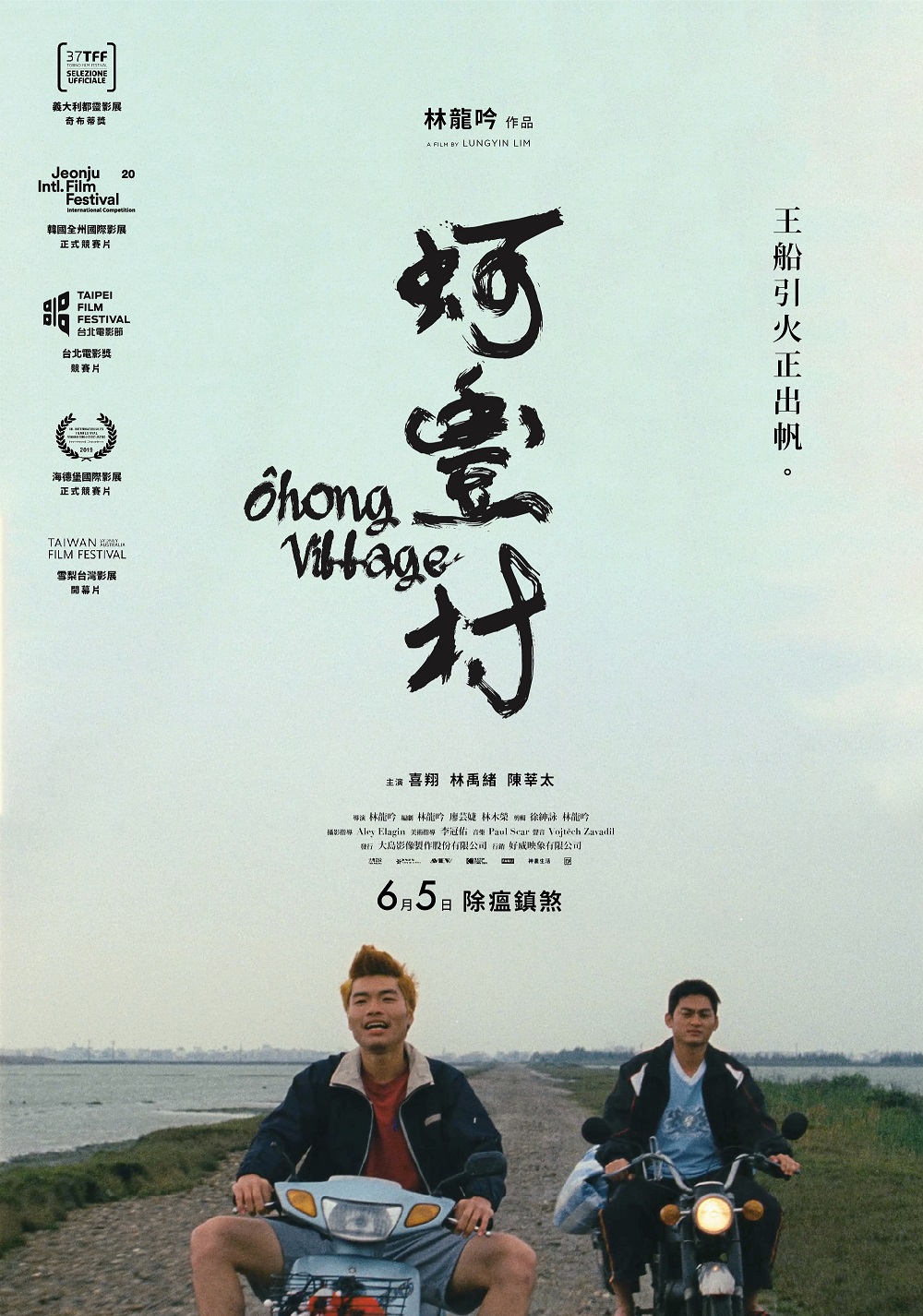
Familial legacy and frustrated dreams conspire against father and son in Lim Lung-yin’s striking 16mm debut, Ohong Village (蚵豐村) . Set in a small oyster farming community on the southern shore of Taiwan, Lim’s anti-urban panorama is an ambivalent contemplation of small-town existence as its trio of frustrated male protagonists find themselves caught in an existential riptide torn between a nostalgia for a simpler life and the lure of the new and the modern far away in the cities.
30-year-old Sheng (Lin Yui-Hsu) left the village seven years previously and has rarely visited during his time away but has now come home for his sister’s wedding where he boasts of his vast success, his claims of earning millions daily ringing somewhat hollow. As it seems, things have not gone entirely well in Taipei and Sheng most likely is not intending to return. His old friend Kun (Chen Hsin-Tai) who stayed in the village, similarly boasting of the vast sums he too earns as a top oyster shucker, has a business proposition for him, hoping to capitalise on the recent tourism craze by renovating the raft his father left him and turning it into a tourist boat selling the oyster farmer experience to people from the cities. Meanwhile, the oyster business seems to be on its last legs, Sheng’s embittered father Ming (King Jie-wen) unceremoniously dumped by a business contact who flatly tells him that his oysters are no longer plump enough and he’ll be going across town to source his catch in future.
Ming’s sense of hopeless disappointment is additionally acute because, as we’re told, his father was a big man on the island whose catch extended far and wide. Grandma (Wu Mei-he) laments that in the old days the community were happy working together on the salt flats but now the fields are flooded and those who were wealthy left the village never to return. Angry with himself for his perceived failure to live up to his father’s legacy, Ming is also resentful of his son whom he sent to the city to make a better life for himself only to see him return with nothing other than disappointment and a sense of internalised inadequacy. Frustrated by his hollow self aggrandising he snaps at Sheng to cut the “bullshit”, but otherwise pushes him away, discouraging his friendship with Kun who he sees as everything he wanted Sheng not to be, and pouring scorn on the boys’ newfound dream of tourist boat entrepreneurship.
For his part, Sheng begins to reconnect with his grandfather’s legacy perhaps literally given direction by the old compass he finds among his possessions which leads him to a distant shore on which sits a giant and mysterious statue. Wearing a T-shirt emblazoned with the word “faith”, Sheng had been otherwise sceptical of traditional thinking, snapping at Ming for talking to a tree in communicating with his late father and unconvinced by Kun’s divinatory claims asking who it is who’s making his decisions him or God. Nevertheless, a drunken voyage through the neon-lit streets provokes in him visions of the upcoming festival, while he too later finds himself taking refuge in ritual and risking all to protect a lonely tree from an oncoming storm.
Kun asks his friend why he didn’t ask him to come when he left, and Sheng gives him the unconvincing excuse that Kun is a man who loves his freedom and wouldn’t have taken well to the city where there are rules which must be followed. Kun agrees that there’s freedom in the village, but he doesn’t know what to do with it. While Sheng begins to find his direction, accepting his legacy and his place, Kun travels in the other direction doing something stupid and chasing the dreams Sheng has now abandoned though there’s no real way to know if his own claims of vast riches are yet more “bullshit” or an ironic boon that mirrors Sheng’s progress towards inner peace.
Shot on grainy 16mm and scored with a mix of traditional folk instrumentation, synths, and retro pop, Ohong Village is imbued with a sense of melancholy nostalgia for a way of life that has in a sense already disappeared but also with frustration and youthful ennui as the two young men search for hope and possibility while Ming is left only with lonely middle-aged disappointment and an ambivalent desire for his son both to go and to stay. Reimagining the village as a space of both purgatorial ruination and possible salvation, Lim’s etherial drama finds little other than despair and emptiness in its flooded vistas but offers perhaps also a strange sense of melancholy warmth if only in the intensity of its longing.