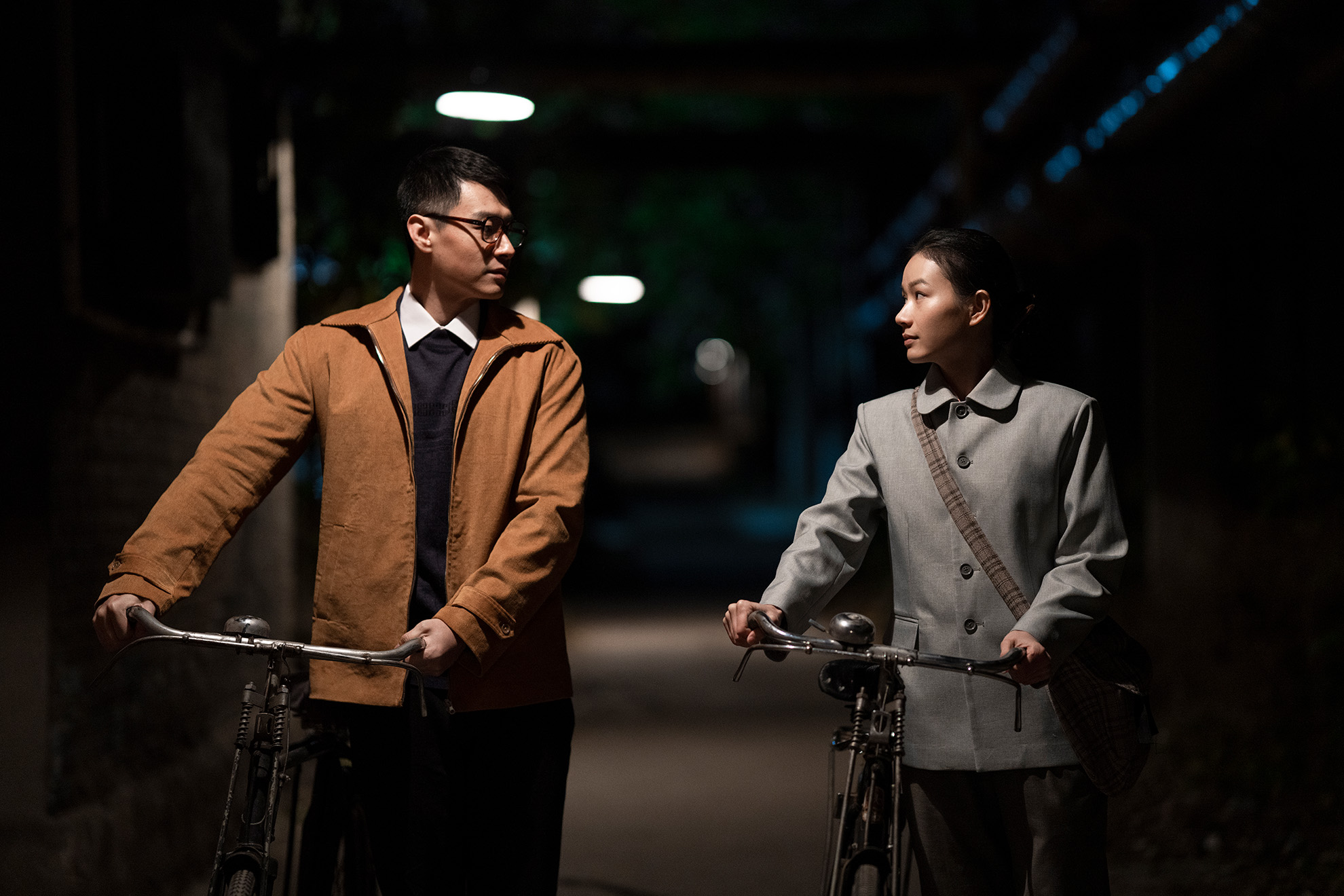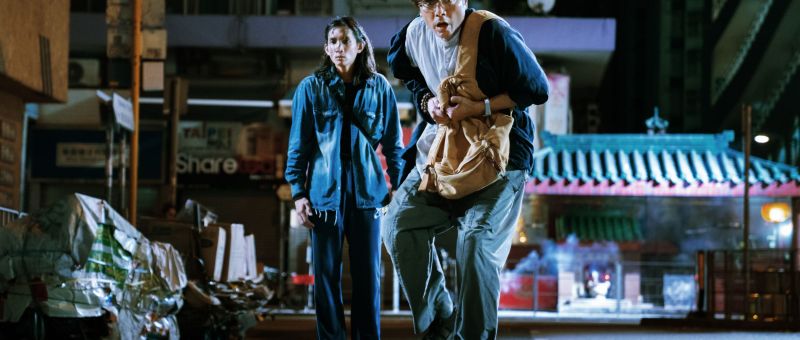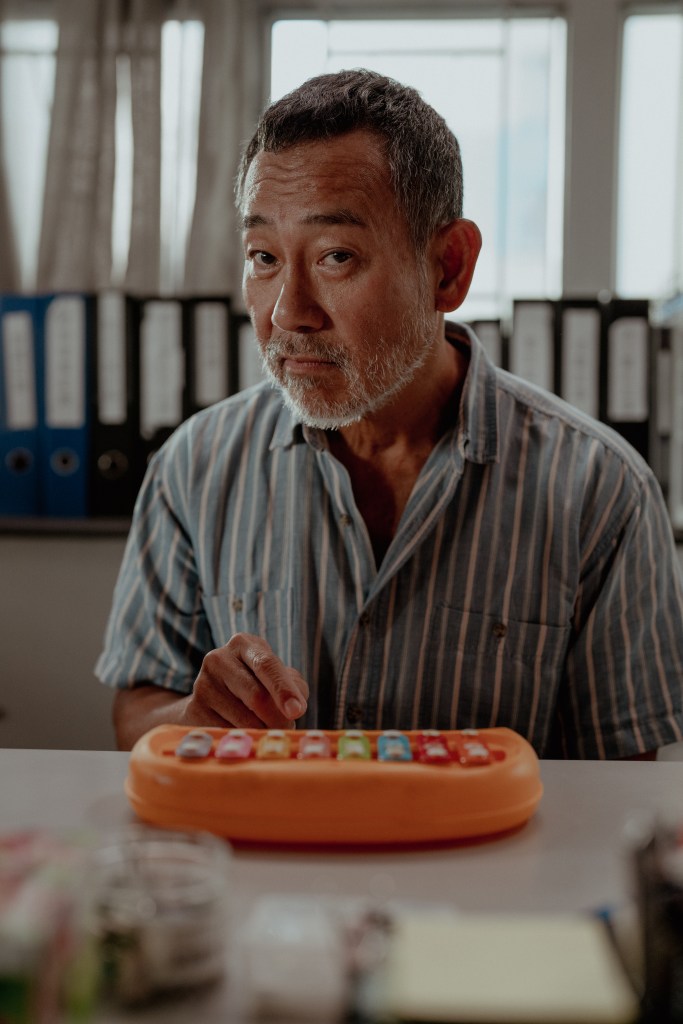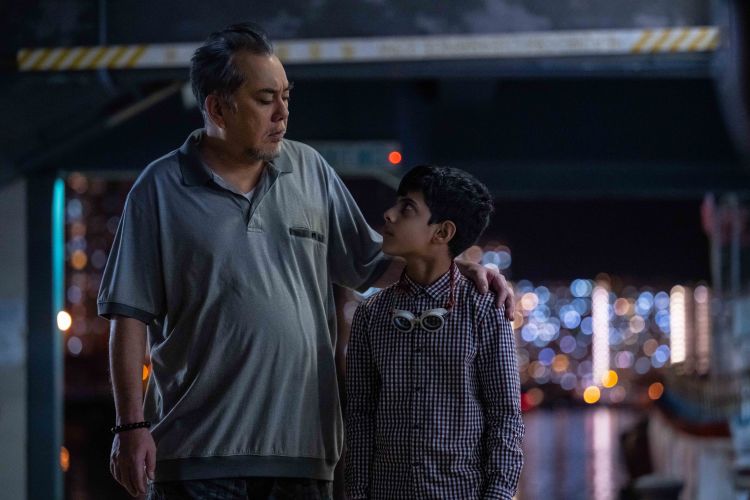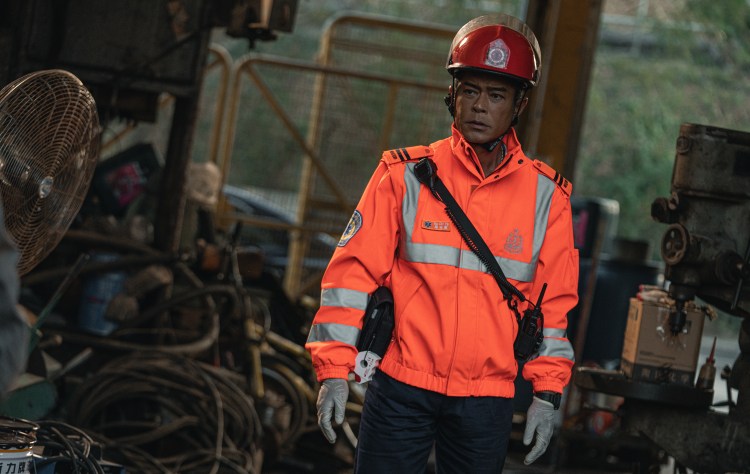
Home Sweet Home (スイート・マイホーム, Takumi Saitoh, 2023)

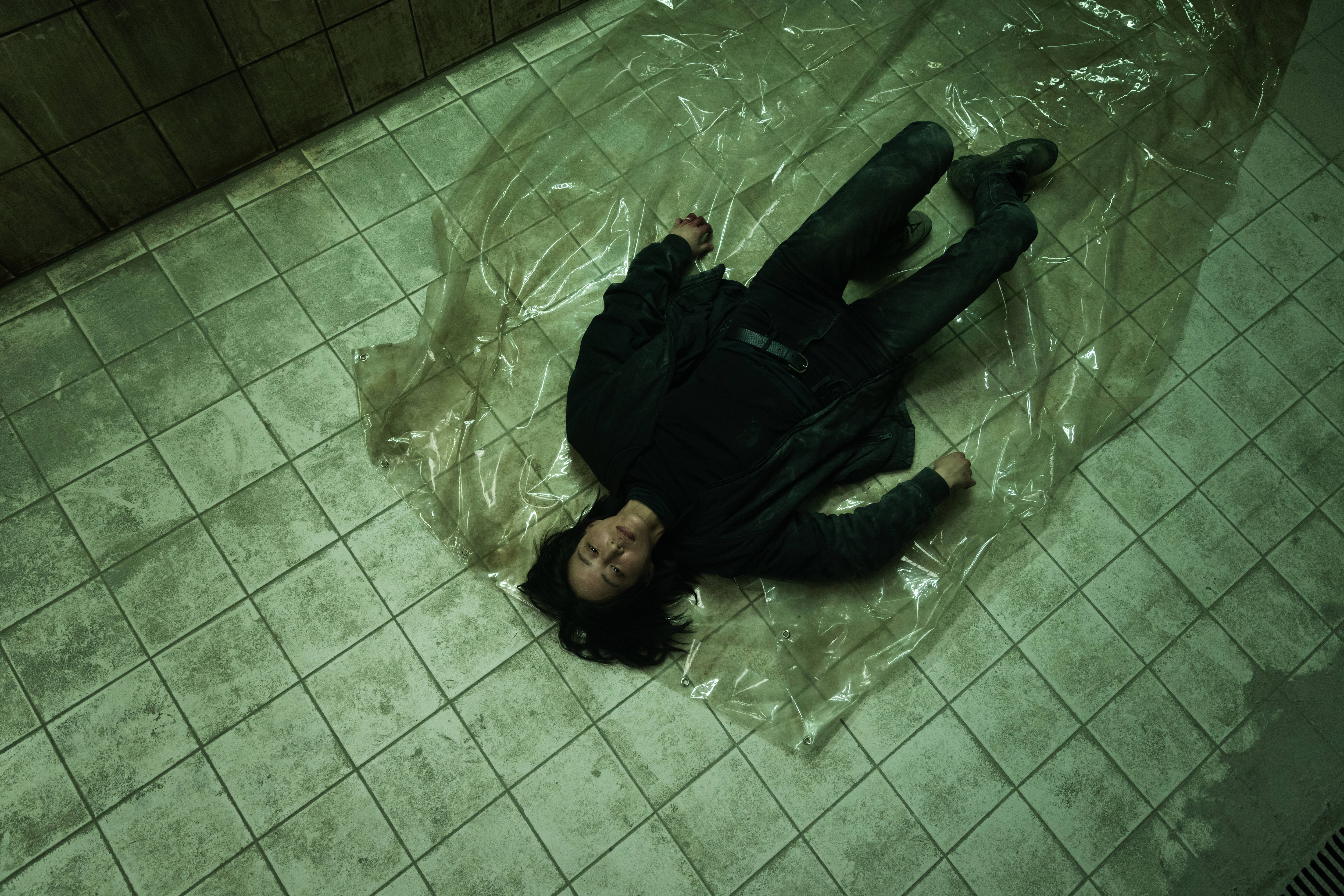
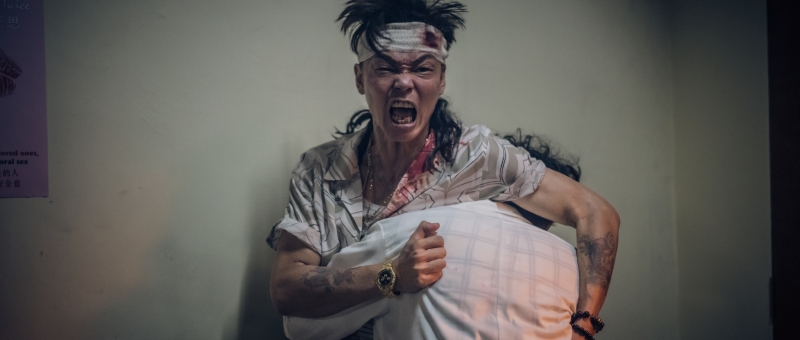
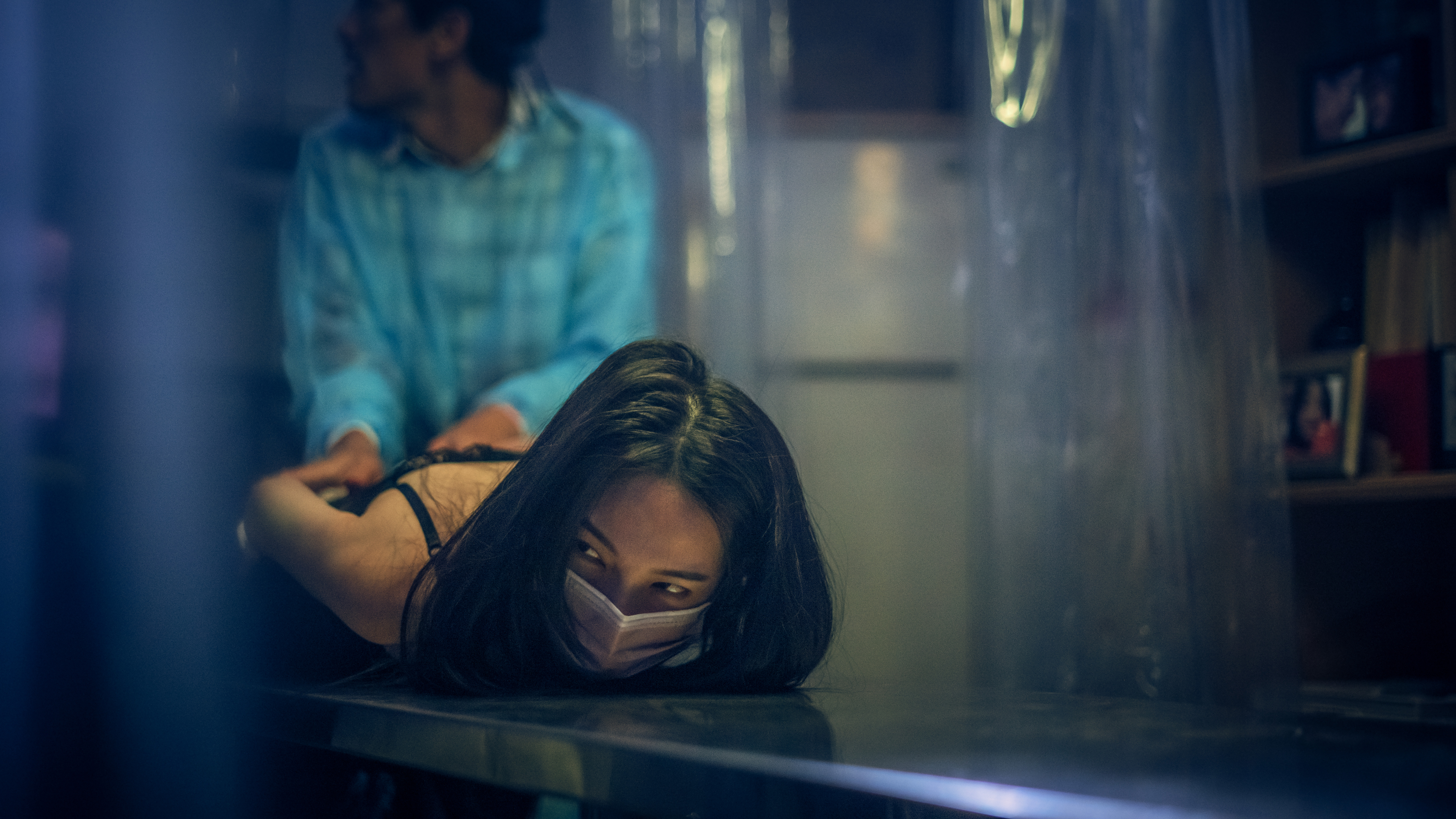
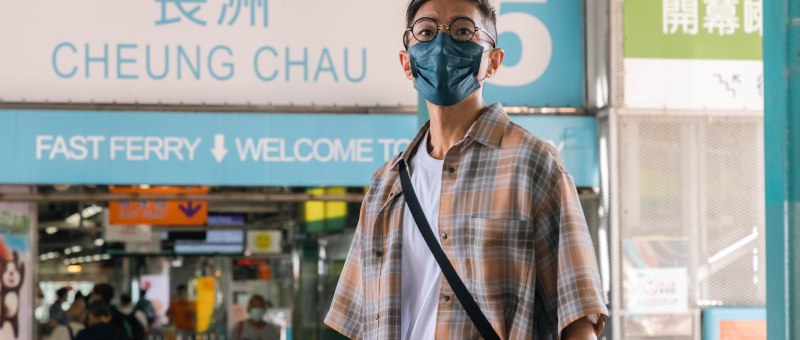
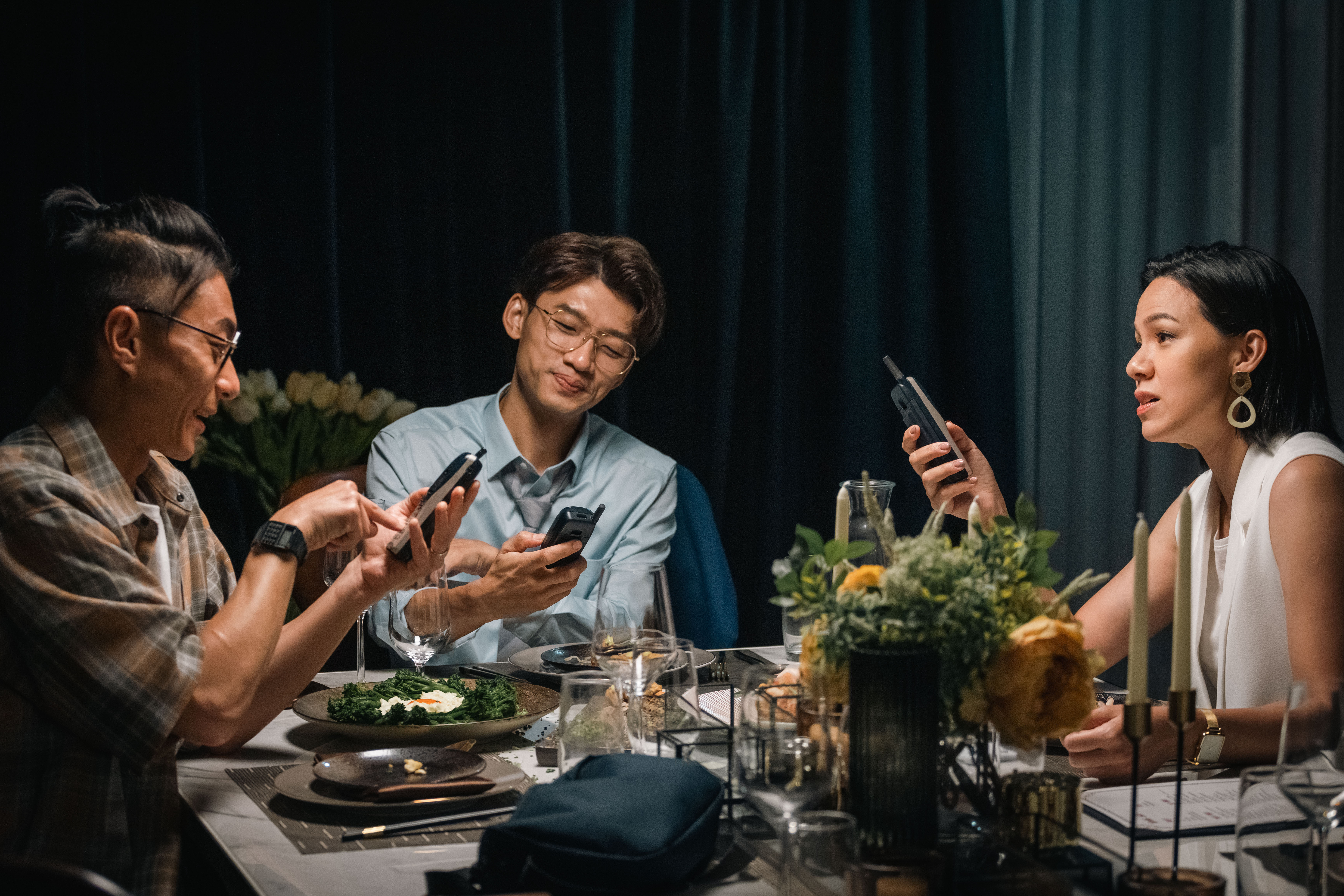
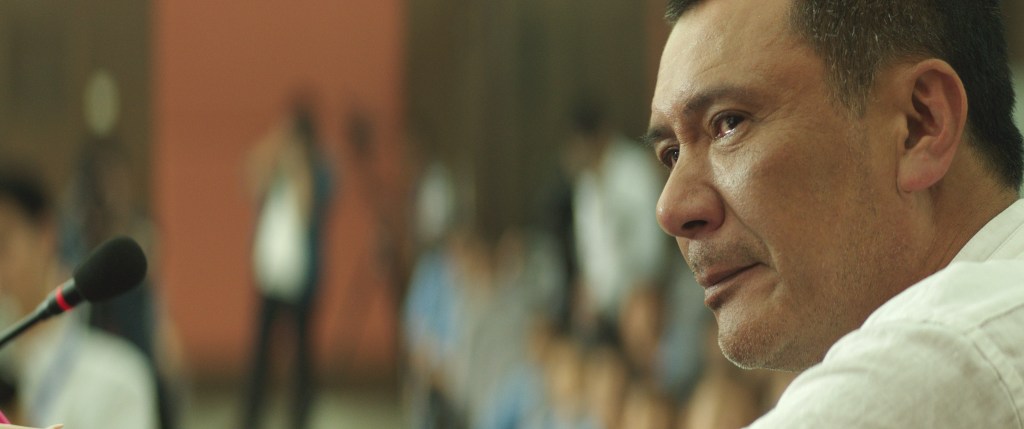
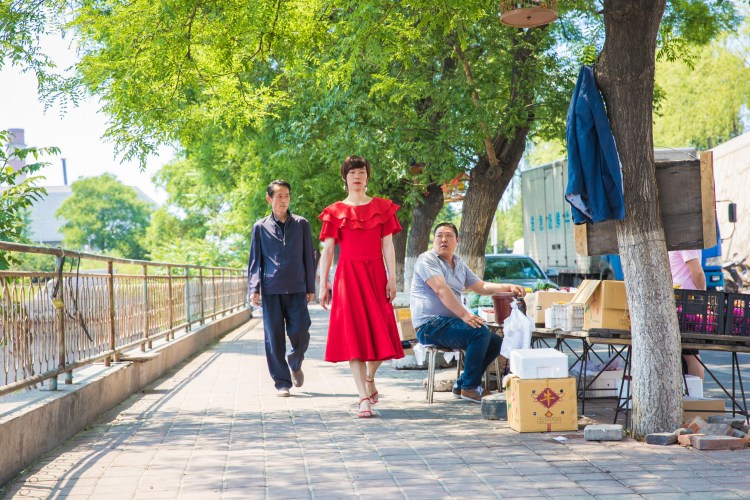
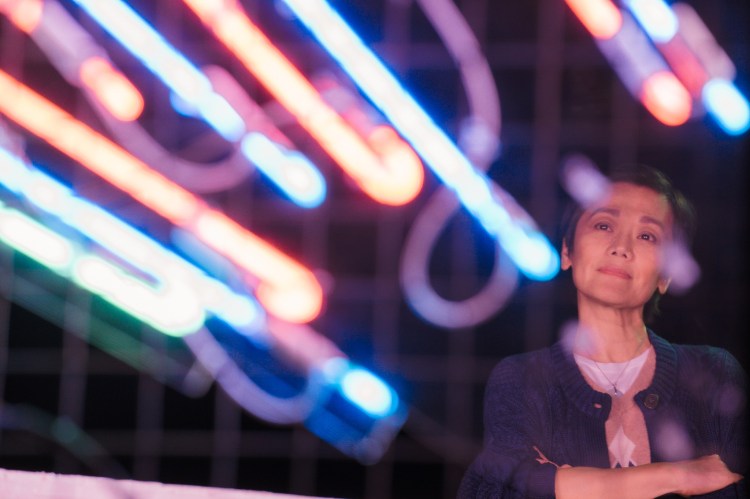
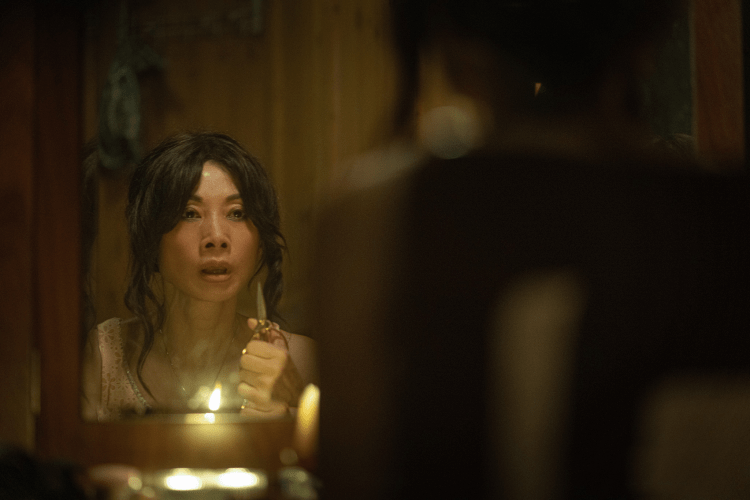
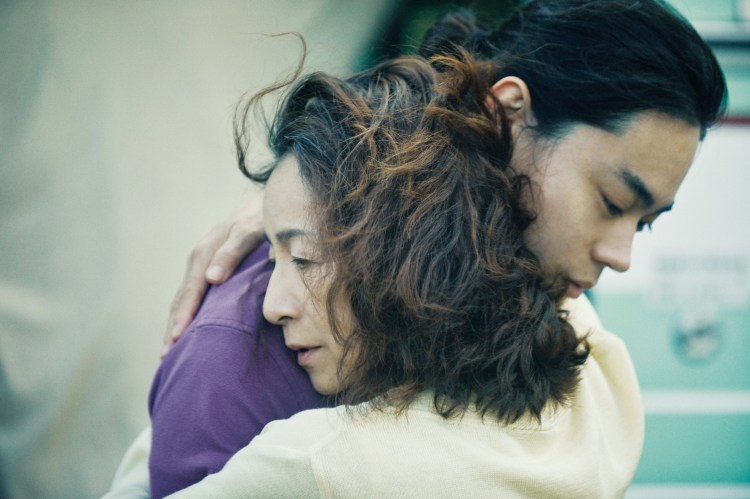
“The secret is in the basement” is not a phrase which inspires confidence when viewing a potential new living space, but as it turns out the cellar is the least of their worries in Takumi Saitoh’s eerie adaptation of Rinko Kamizu’s mystery horror novel, Home Sweet Home (スイート・マイホーム). The Kiyosawas are just looking for somewhere warm where they can enjoy life as a family in comfort and security, but if something sounds too good to be true then it usually is as they will discover to their cost. 

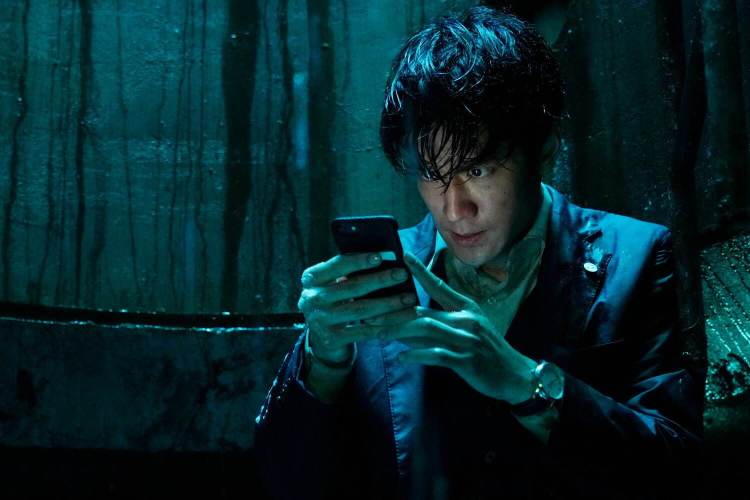
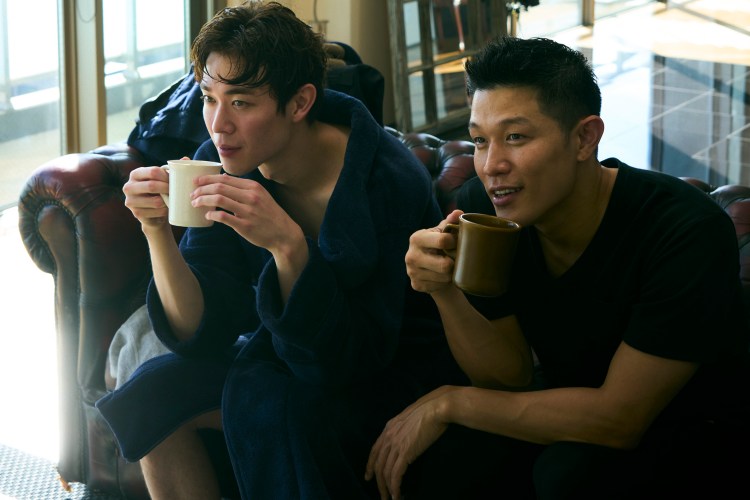
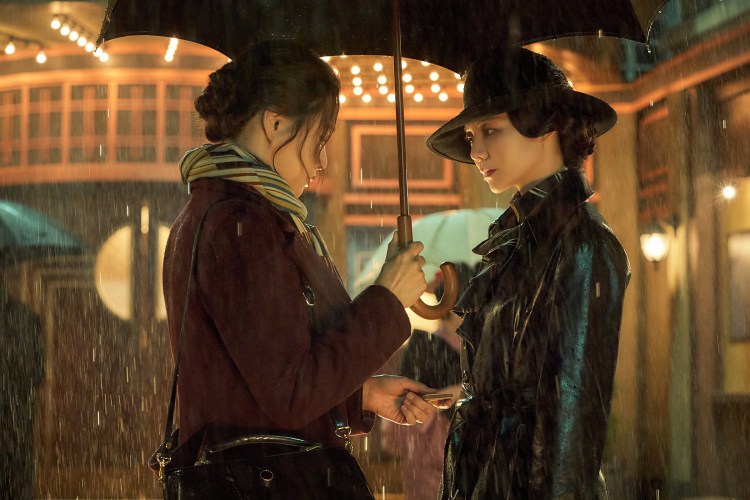
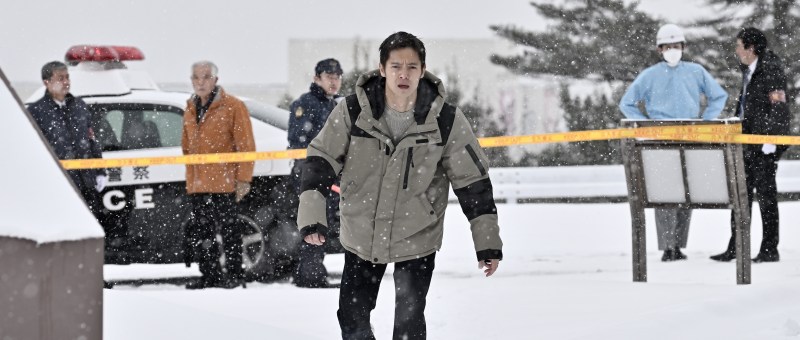
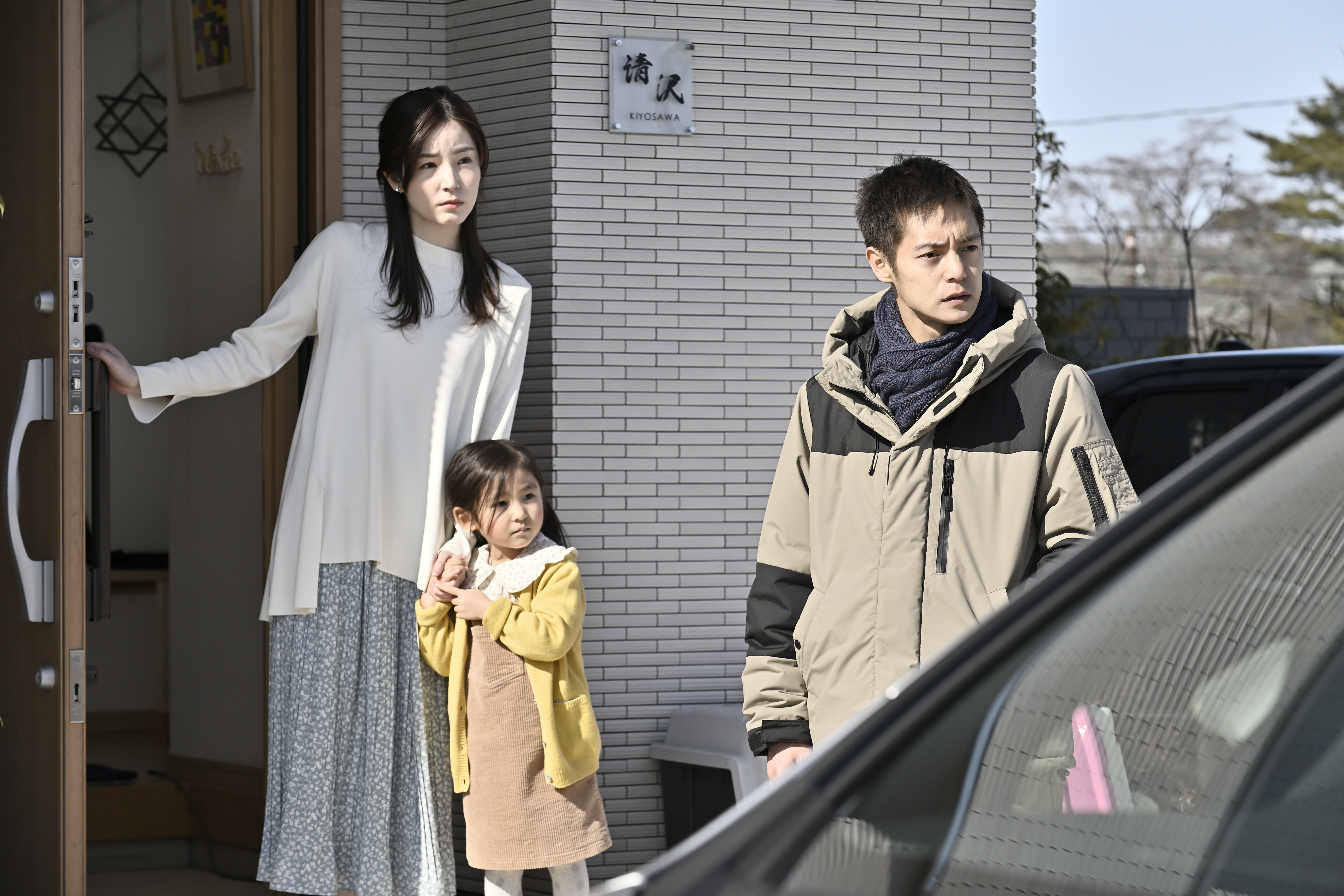
The saleswoman at Magic Homes describes the Kiyosawas as “the ideal family” for whom she is glad to build an “ideal” home. To many they may look “ideal” in that husband Ken (Masataka Kubota) has a steady job as a personal trainer while wife Hitomi (Misako Renbutsu) is a stay at home mum to four-year-old Sachi. But of course nothing’s quite as it seems and there are already cracks in the foundations of this happy family home as Ken has been having a years’ long affair with co-worker Yurie (Ririka). After finally deciding to take the plunge on the house, the affair comes to a natural end point as Yurie too decides to marry her longterm boyfriend with the aim of starting a family. But not long after the Kiyosawas have moved in to their new “magic home” complete with new addition Yuki, Yurie’s husband receives a video showing an unrecognisable Ken entering her apartment with the presumed motive of blackmail lending a note of anxiety to his moment of familial bliss. 

To begin with, the house itself takes on a eerie quality especially with the ominous rumble of the single AC unit in the pitch-black basement. The home does not seem to have been particularly well thought out for families with small children as the tiny doors leading to the hatch are at a toddler’s height and don’t appear to have any kind of safety locks in place. Everything else is run off the central smart system including a network of CCTV cameras sold to the family as a convenience that would allow them to keep an eye on the children wherever they might be in the house while getting on with other things, but also undoubtedly a privacy worry and no one likes to feel watched in their own home. Watched is exactly how they start to feel, Hitomi convinced someone’s been in the house while looking around realising how many vents and ducts there are ominously staring down at them in every room. 

Ken’s brother Satoru (Yosuke Kubozuka) is suffering with a mental illness that makes him paranoid, repeatedly insisting that there are people watching them and they need to protect the family because they are everywhere in the ceilings and the floors. Though it first seemed to us that the house was the problem, the family’s desire for conventional suburban living biting back at them, we wonder if the problem is Ken and his reckless endangerment of his family through his affair. When first viewing the house, the couple had been accosted by a creepy salesman, Amari (Yohei Matsukado), who makes barbed remarks about looking after the family that have Ken suspecting he’s got it in for them because they chose someone else to handle their sale or perhaps resents them for not being “ideal” enough to live in one of his “magic homes”. 

But then what is the “ideal” family, who gets to decide that? Why should the Kiyosawas have to fulfil a stereotypical ideal just to be judged worthy of homeownership? There might be something chilling in the uniformity of the house’s design, a utopian vision of suburban bliss founded on outdated patriarchal social norms of the nuclear family though in this case slightly adjusted for a new era, but then again the call is coming from within the house in more ways than one in Ken’s delayed response to traumatic childhood incident and concurrent anxiety around being able to protect his family in fulfilment in the social “ideal” for fatherhood. It’s the “ideal” that is the true enemy from the generic house design to the unfair expectations placed on the Kiyosawas to live up to a particular kind of suburban properness in order to qualify for the right to live there. Paranoid and eerie, Saito conjures a world of constant tensions in which we are all being “watched” if not to say judged and any bug in the system must be quickly removed so that the “ideal” may prevail.  


Home Sweet Home screens July 27 as part of this year’s New York Asian Film Festival.

Original trailer (no subtitles)

Images: ©2023 Rinko Kamizu, KODANSHA Ltd./ “Home Sweet Home” Film Partners
The Abandoned (查無此心, Tseng Ying-ting, 2022)

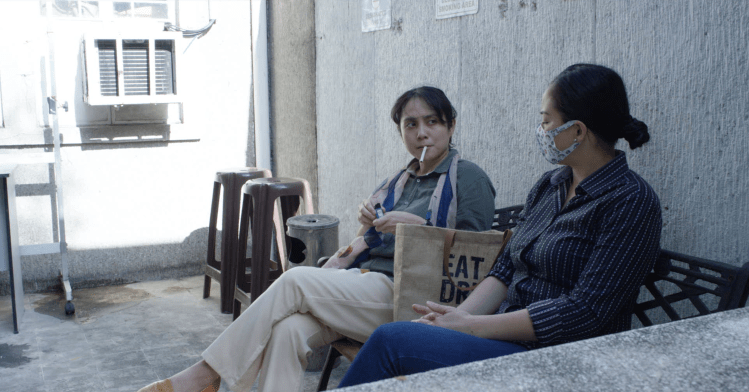
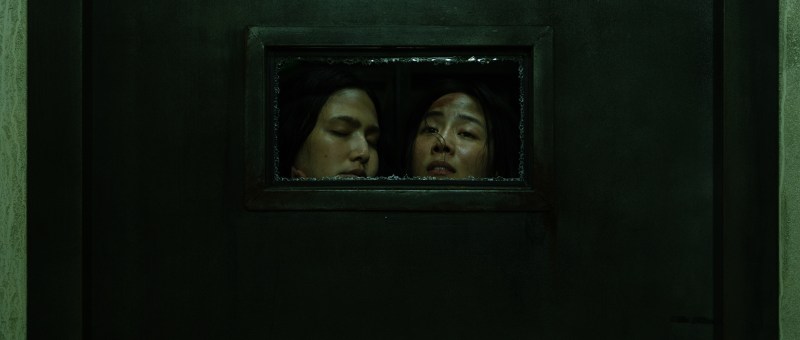
Just about everyone in Tseng Ying-ting’s psychological thriller The Abandoned (查無此心, Chá wú cǐ xīn) has been in some way left behind. The title most obviously refers to the body of a murdered woman unceremoniously dumped in a local river though as we later discover she wasn’t so much abandoned as returned, but the investigating officer is also battling her grief in feeling abandoned by her husband who took his own life and it could as well apply to the liminal status of migrant workers in Taiwan who have been largely abandoned by a society that is increasingly dependent on their labour. 

As policewoman Wu Jie (Janine Chang Chun-ning) points out to rookie Wei-shin, if she found a body she’d obviously call the police but if you can’t call the police because you’re afraid they’ll deport you you might have no other option than to make it go away. But the strange thing is that Waree’s body was left where it would be found and Jie will later claim that it is in a sense Waree who “saved” her by unwittingly frustrating her attempt to take her own life while consumed by grief and guilt over her husband’s death. Later it seems as if the killer of these women, each of whom has their heart and ring finger removed, intended to send the bodies back to their exploitative employers making a grim a point while leaving them with an impossible choice knowing that they can’t very well go to the police and risk undermining their entire business enterprise which relies on the labour of workers of who’ve either left the positions the visas they were granted were originally for or never had any in the first place.

Waree’s former boyfriend You-sheng (Ethan Juan) is left with just such a dilemma when the body of another woman, Yeti, is delivered to their factory calming the worried workers while secretly burying her himself in the mountains little knowing that a similar fate has befallen Waree whom he’s been looking for ever since she dropped out of contact as has her sister Saipin, also an undocumented worker from Thailand. The killer seems to target these women because he knows it’s unlikely anyone will look for them though they also have personal motives in their own sense of abandonment, resentful in feeling as if they’ve been deceived in love while unable to see how the other party may have felt trapped and exploited while their passport was held captive depriving them of the free choice to leave. 

As it turns out, the person who left Waree’s body in the water did it because they were worried she wouldn’t be able to return home, not wanting her to be disappeared in the way their employer might have wished her death hushed up like so many other anonymous workers whose families never hear of them again but at least acknowledged. Wu Jie is also unable to return home, mostly sleeping in the car directly below the bloodstained bullet hole under which her husband shot himself. Her boss ironically tells that if her heart remains in the car she’ll never escape, echoing the missing hearts of the murdered women taken as grim trophies by the heartless killer. 

Ironically enough, to solve the case Wu Jie must regain the desire to live finally facing her abandonment along with her grief and guilt for her inability to save her husband while working with the conflicted You-sheng who similarly feels both abandoned and guilty in the failure of his relationship with Waree whom he was reluctant to marry and might have saved if he had. Tseng aptly demonstrates the precarious position of undocumented migrant workers in Taiwan who are often exploited by their employers and rendered invisible by a society which largely treats them with disdain while left vulnerable to crime and violence in being unable to turn to the authorities for help. He also hints at a degree of misogyny present in the police force as Jie is at one point asked to leave the case as the higher ups don’t like the idea of two women working together while Jie simultaneously feels pressured to stay knowing that the situation is too complicated for an earnest rookie to manage on her own. Exploring the grimy underbelly of an otherwise prosperous nation, the film has only sympathy for those have in one way another been abandoned and can see little prospect of escape from their fear and loneliness. 


The Abandoned screens July 26 as part of this year’s New York Asian Film Festival.

Original trailer (Traditional Chinese / English subtitles)

Images: @Renaissance Films Limited. Love Me Tender Production Company

A Woman (孔秀, Wang Chao, 2022)

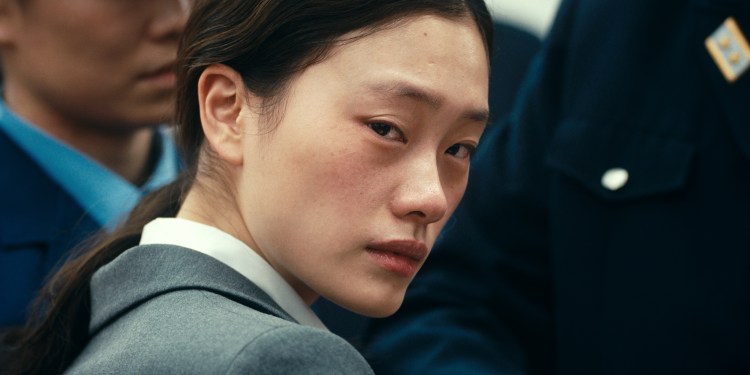
Adapted from Zhang Xinzhen’s autobiographical novel Dream, Wang Chao’s A Woman (孔秀, Kǒng Xiù) charts an ordinary factory worker’s path through the Cultural Revolution and gradual disillusionment with Maoism before eventually achieving her goals of becoming a novelist amid the social transformations of the 1980s. In some ways a victim of her times, Kong Xiu is ironically an “ironclad” woman overcoming all hardship but it seems unable to escape the patriarchal oppressions of a conservative society.

Opening in 1967, Xue (Shen Shiyu) is told by her mother that at almost 19 she is old not to be married and dutifully becomes the wife of a local man, Hanzhang (Wang Xuedong), whom she quite likes because he is an intellectual even though that is quite a problematic thing to be in the early days of the Cultural Revolution. Xue had once been told that she was the best writer in her class and gifted a book of Grimm’s Fairytales by her proud father, but partly because she is a woman and partly because of the times she is not permitted to finish school and begins working in a textiles factory. Nevertheless she feels proud to be a “worker” and seems to have bought into the Maoist ideology she is regularly required to chant out before work which insists that they serve the only god that matters in the Chinese people through the practice of their productivity. 

Chanting about feudalism and imperialism, Xiu is blind to the ways in which it is only the author of her exploitation that has changed for it is still others that profit from her labour giving little back with false promises of social good. She finds herself torn between two worlds, rejecting the feudalistic values of the peasant village where she grew up for the shining modernity of the city. Five years into her marriage, Xiu has two children and has moved into the factory women’s dorm while her relationship with the weak-willed Hanzhong flounders amid their obviously different desires. Hanzhong’s mother objects to Xiu’s modern womanhood, merely sneering when she explains that she’s a “worker” and viewing her as a failed wife who shirks her duties to their family by not returning on Sundays, her only day off, to help out on the farm. 

Meanwhile, she’s grown tired of Hanzhong’s sexual demands especially as he becomes Indignant on being asked to wear a condom and she wants no more children. She has already had more than one abortion and is warned by the doctor that she may be endangering her long term health if she carries on doing so with the same frequency. After divorcing Hanzhong she marries another man and has another son but almost dies in childbirth while her second husband, Yang (Zhu Dongqing), does not even bother to return until after the child is born. Dong, her first son, had been considered part of her husband’s family and so she lost him in the divorce, while Yang begins to reject her daughter, Xue, once his own child is born leading her to live with her widowed aunt, Jun, who explains that she wasn’t all that broken up about her husband’s death. He was a nice enough chap but the marriage was arranged by the Party and they were never really man and wife. 

A teenage Xue who’s taken to listening to cassette tapes of Teresa Teng songs in the park with a local boy throws back at her mother that she has no right to speak because she has never known love, something the film suggests that both Xiu and her sister have ben robbed of because of the oppressively patriarchal social codes of the feudal village and the Communist Party respectively. Xiu’s second marriage is worse than her first as Yang is violent, strangling or smothering her during sex she otherwise rejects, but she feels she cannot leave him once he becomes ill and is physically disabled. Meanwhile, her pride in her role as a “worker” at the factory begins to weaken as she sees through the cult-like chants and is tacitly accused of being a counter revolutionary for her lack of commitment having been betrayed by both her husband and someone she thought a friend who report her for having said out loud that the factory’s productivity drive was just PR fluff and lies knowing that they produce shoddy goods and cut corners just to look good on paper. 
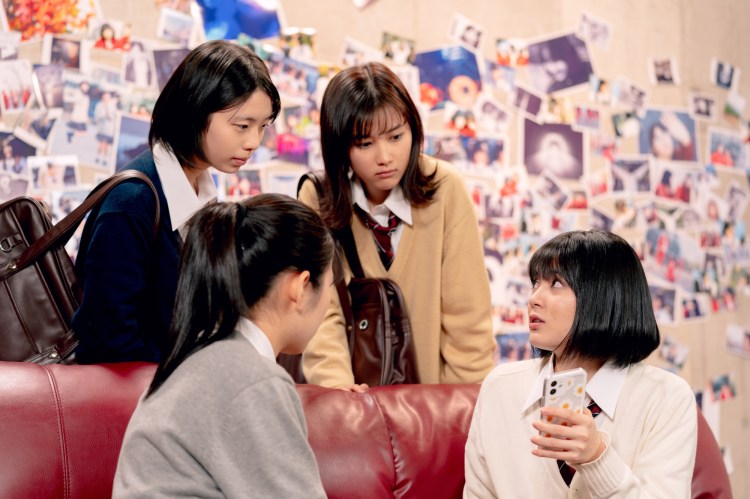
The film begins to open up in the late 1970s once Mao is gone and the Cultural Revolution ended, Xiu remembering a love of literature while there is a sense of exuberant freedom now that you can read Rousseau out loud in the market square. The universities have reopened and even those of Xiu’s generation who missed out consider applying to make up for lost time, but then again attending a book party with sympathetic colleague Comrade Wu (Yu Qingbin) who has long carried a torch for her their brief moment of courtship is abruptly cut short when a patrol passes by and they have to turn out the lights for fear of being caught dancing. When Xiu eventually achieves her dreams and has a story published in the Workers’ Daily, the factory suddenly decides she’s a good role model after all and an embodiment of the spirit of the times even recruiting her to give a speech and displaying her manuscripts for the other workers to read. 
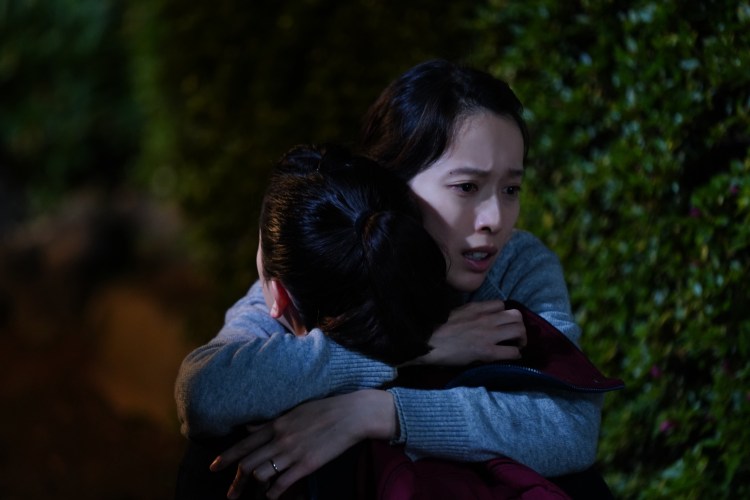
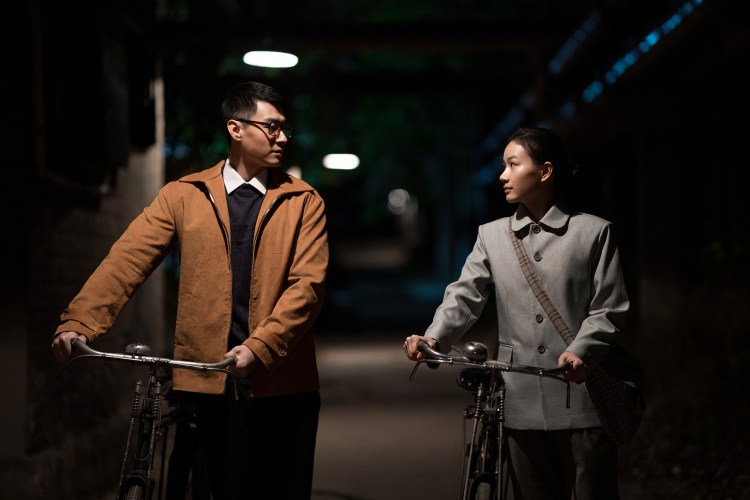
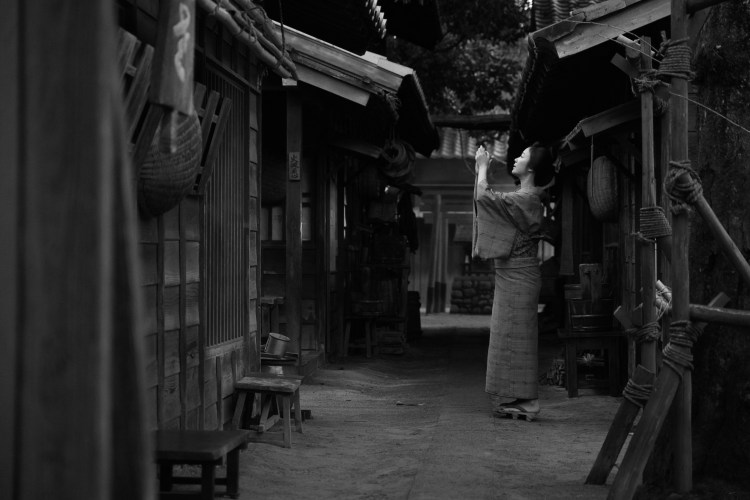
“It’s the past, don’t let it trouble you,” Xiu remarks on receiving a long overdue apology and in many ways it seems to be the way she lives her life which has been filled with hardship and heartbreak from the broken relationship with her eldest son who declines to return her letters to her seeming loneliness once again returning to the village a new woman but one also who stands astride the contradictions of a new China. Each step of her life is accompanied by the sound of a train, heralding her path towards “modernity” if coloured by a sense of loss in the persistent memory of what it once took from her. A poignant examination of the destructive social codes not only of the feudal era, but the false promises of equality under Maoism and the terrors of the Cultural Revolution, Wang’s drama may subversively suggest that it isn’t all sunshine and roses in an unseen contemporary China but nevertheless ironically hails its heroine’s “ironclad” resilience in the face of persistent social oppression.  


A Woman screens July 23 as part of this year’s New York Asian Film Festival.

Trailer (English subtitles)

Images: © LOCO FILMS all rights reserved

Mad Fate (命案, Soi Cheang, 2023)

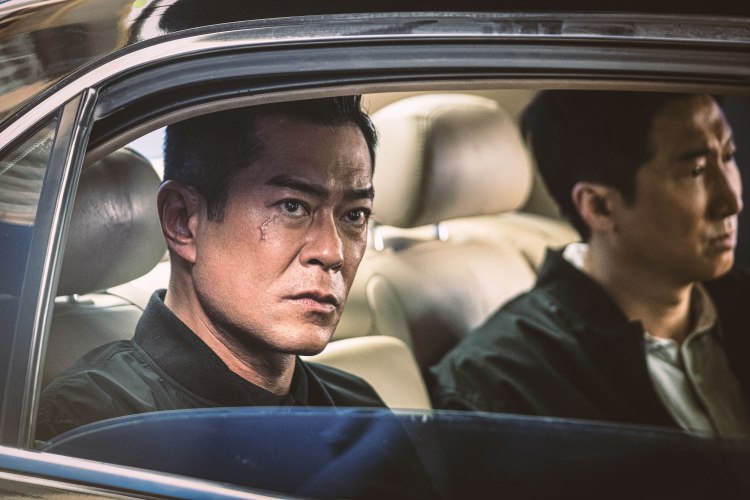
“No one can stray from the path paved by fate.” a policewoman gasps while interrogating The Master (Gordon Lam Ka-Tung), a man whose mind was already strained even before he walked in on the murder of a woman he’d been trying to save only to end up losing to destiny. A noticeably lighter affair than his previous film Limbo, Mad Fate (命案) sees Soi Cheang (AKA Cheang Pou-soi) step into the Milky Way orbit directing a screenplay by Yau Nai-hoi produced by Johnnie To and very much bound up with the kinds of cosmic coincidences the studio is known for.

It’s Fate or maybe God that The Master is resisting, though what the difference between the two might be is never quite clear save for the implication that it’s God who is master of Fate which is otherwise without will. The Master insists that “Fate can be changed,” but he resolutely fails to do so. In the opening sequence, he’s in the middle of burying a woman, May, alive as part of a ritual to stave off a forthcoming “calamity” only he’s unable to complete it in part because of the woman’s understandable anxiety that it’s The Master who’s going to end up killing her, and in part because it starts raining which puts out the paper clothing that should have been burnt to change her fate. May runs off and climbs in a taxi home where she is accosted by a serial killer who has been targeting sex workers. The Master follows her but arrives just too late while the police later chase the killer but are unable to catch him. 

The Master sees his attempts frustrated but also does not consider that the rain itself was a manifestation of Fate or sign that in the end nothing can be changed. In an effort to atone for his inability to save May, The Master ends up taking under his wing a strange young man who also stumbled on the murder by coincidence while working as a delivery driver but is fascinated rather than repulsed by the bloody scene. Obsessed with knives and killing, Siu-tung (Lokman Yeung) is already known to the policeman investigating (Berg Ng Ting-Yip) because he arrested him for killing a cat in his teens. According to The Master’s reading of his fate, Siu-tung will eventually kill someone and end up in prison for 20 years. He doesn’t much like the sound of that so he ends up going along with The Master’s zany plans to make him a nicer person and save two lives in the process. 

Ironically most of The Master’s suggestions still involve Siu-tung being imprisoned in some way. To get him out of his “unlucky” flat, he rents him another place that very much feels like a prison cell and later does actually lock him up inside a shed fearing that he’s about to kill. As he explains, it can help to preemptively accept your fate so moving in somewhere that is “like” a prison can stop you going there for real, but it doesn’t do much to alleviate Siu-tung’s desire to kill and most particularly to kill the policeman who has been following him most of his life because he’s “sure” that he’s going to commit a serious crime. Repeatedly describing him as “vermin”, the policeman has no confidence that Siu-tung could “change” and thinks he’s already past redemption while The Master quite reasonably asks if it’s fair to persecute him in this way just because he happened to be born different.

The Master’s question provokes another about free will and responsibility and if anything is really anyone’s fault if it’s all down to Fate in which case the role of the policeman becomes almost moot. He is also resisting his own fate in his intense fear of mental illness which he worries he will inherit from his parents each of whom suffered from some kind of mental distress. This fear has caused him retreat from life and it seems may have contributed another’s suicide while his divination has an otherwise manic quality as he finds himself constantly trying to outwit Fate. The two men soon find themselves in a battle with the skies, remarking that God is striking back every time they make a move to try and change their destiny. 

Eventually The Master rationalises that a plant must wither before it fruits, allowing himself to slip into “madness” as means of rejecting his fate. His strategies become wilder and finally seem as if they might lead him to kill which would certainly be one way of altering Siu-tung’s destiny if ironically, while conversely something does indeed seem to change for Siu-tung who is understandably concerned by The Master’s increasingly erratic behaviour but has escaped his desire to kill. Then again, could this all not be Fate too, how would you know if you’d overcome it? As The Master comes to accept, the path maybe set but the way you walk it is up to you. Only by accepting his Fate can he free himself from it. There may be a more subversive reading to found in Cheang’s depiction of Hong Kong as a rain-soaked prison in which lives are largely defined by forces outside of their control, but he does at least suggest that his heroes have more power than they think even if it relies on a contradiction in the active choice to embrace one’s fate. 


Mad Fate screens July 22 as part of this year’s New York Asian Film Festival.

Original trailer (Traditional Chinese / English subtitles)

Images: © MakerVille Company Limited and Noble Castle Asia Limited

Geylang (芽籠, Boi Kwong, 2022)

Close to the end of Boi Kwong’s Geylang (芽籠), a young woman compares herself to a butterfly whose wings have begun to disintegrate, trapping in her in the environs of the famous red light district along with several others who all seem to have been the victim of cruel coincidence one rainy night. The world is indeed shades of grey, each of them having “good” reasons for behaving the way they do but also perhaps also selfish, or greedy, or merely afraid and seeking escape. 

The strangest thing about this night in Geylang is that in the morning before it the body of a sex worker, Xiao Ling, was discovered near a remote stretch of road, only pretty much everyone seems to have forgotten about her and she is both incredibly central and an incidental detail in this karmic whirlpool of greed and desperation. Meanwhile, another sex worker, Shangri-La, is kidnapped by a crazed doctor trying to find a kidney donor for his seriously ill little girl. Shangri-La had also been in the middle of a blackmail plot against a politician running in the local election over a compromising video assisted by her pimp, Fatty, who is busy trying to care for his elderly father who has dementia. Meanwhile, activist lawyer Celine argues with her husband who is standing for office on a platform of cleaning up Geylang and is therefore unsupportive of her desire to continue to protect sex workers from violence and exploitation. 

What looks like simple greed turns out to be desperation born out of love and despair which nevertheless leads to little more than self-destruction. In a sense they are all seeking escape from Geylang, Fatty quite literally trying to run to Indonesia after his father ends up stabbing a loanshark to death, save perhaps Celine who may be seeking escape inside it in detailing her traumatic past and marriage to an abusive husband whom she no longer loves. The quest to retrieve the compromising video turns out to have a different purpose than we first thought, exposing another kind of prejudice that leads to shame and repression but also heartbreak and the hurt of betrayal. Love doesn’t have much currency in Geylang save perhaps the parental in the wholesome relationship between Fatty and his dad even if it is to an extent inverted in the mad doctor’s unethical determination to steal Shangri-La’s kidney. 

Even so, the election’s hypocrisy hangs over the rest of the action as a politician makes speeches about wanting to clean up the area as if the people who live there were just rubbish to swept away. Celine who runs Project Angel protecting vulnerable women working in the red light district feels differently but even she eventually reflects that the best way to protect herself is by gaining political power in addition to that granted to her by social position and wealth. She gives as good as she gets protecting a transgender sex worker from harrassment by a pair of obnoxious men but is also herself a victim of the ingrained misogyny of the world around her in which women’s bodies have been commodified yet have little value. Everyone seems to have forgotten Xiao Ling already, though there is quite a lot going on this particular night, as they scrabble for an exit.

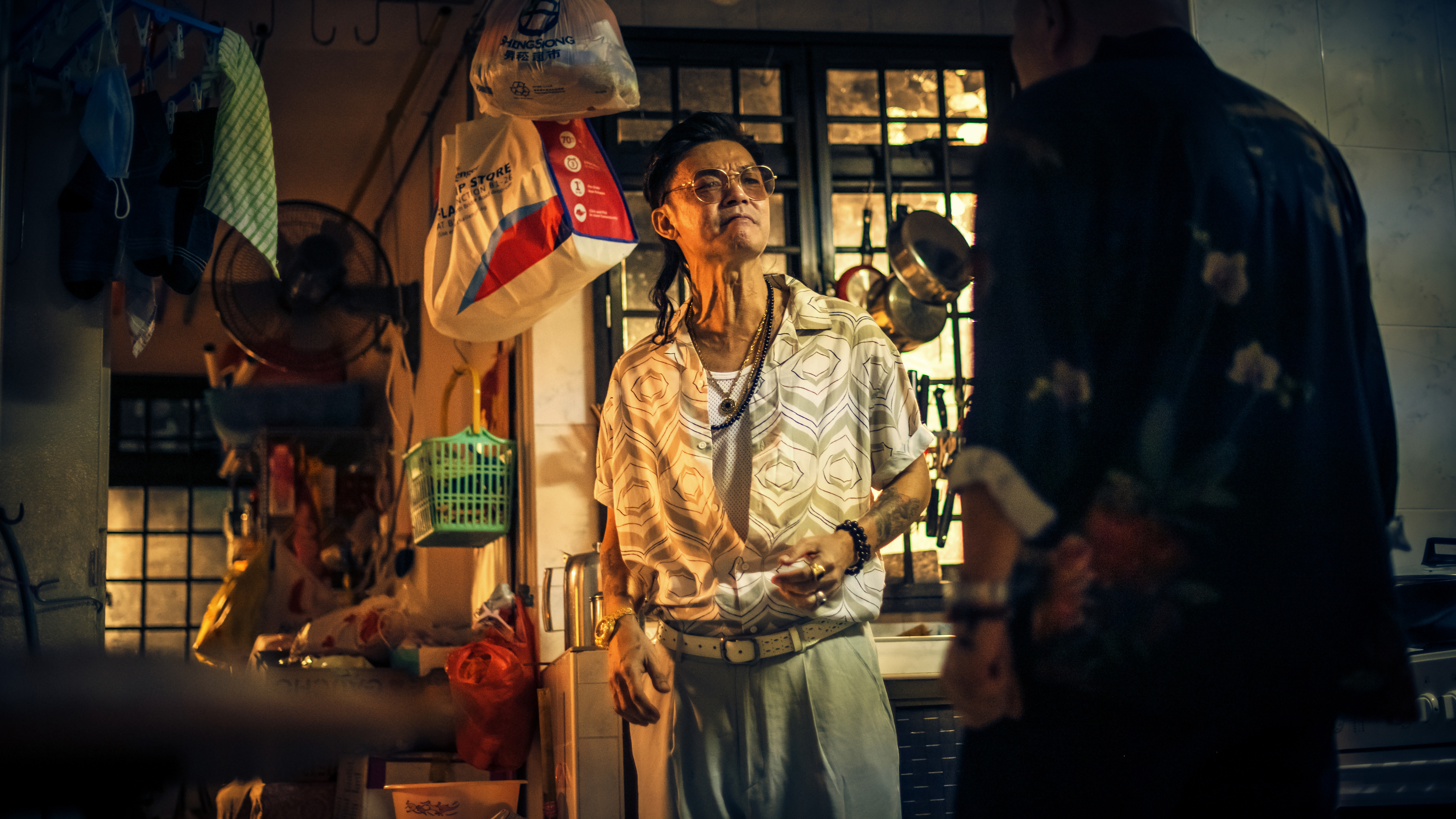
Shot with noirish flair, the film surprises in its frankness amid the otherwise conservative Singapore painting a vivid picture of the other side of the underworld peopled by ordinary men and women just trying to by often in quite difficult circumstances. The irony is that the reason the video was so important wasn’t in its salacious content, but what it captured by mistake long after most had already stopped watching once again rendering its subject forgotten, a random after thought or loose end destined to remain untied. Dark moments of nihilistic humour hint at the sense of despair along with the cosmic irony that has drawn each of these people together united by their desire for a better life for themselves or others and their willingness to do whatever it takes to acquire it while seeking a way out of the neon-lit hell of Geylang only to realise that their tattered wings may no longer be able to carry them.


Geylang screens July 21 as part of this year’s New York Asian Film Festival.

Original trailer (Traditional Chinese / English subtitles)

Images: All Rights Reserved © 2023 MM2 Entertainment PTE Ltd J Team Productions PTE Ltd

Everyphone Everywhere (全個世界都有電話, Amos Why, 2023)

Have we become too dependent on our phones, allowing them to divide rather than connect us? For those at the centre of Amos Why’s zeitgeisty comedy Everyphone Everywhere (全個世界都有電話), they do seem to have become a double-edged sword. Yet in the end, it’s a series of handsets that reconnect them with their youth if only to remind them of the disappointed hopes of a defeated middle-age given additional an weight by subtle hints of post-Handover despair. 

Asked why he’s decided to move to the UK, Raymond (Peter Chan Charm-Man) replies that everybody’s doing it even if he resented being sent away to study in Aberdeen, Scotland as a teenager in the wake of the Handover. The real reason is that he’s got himself involved in a lot of shady stuff and has just had his phone hacked so he fears blackmail or arrest. He’s organised a farewell dinner with old high school friends Chit (Endy Chow Kwok-Yin) and An (Rosa Maria Velasco), but nothing quite goes to plan in the curious ways the lives of three former friends remain entwined even if they’ve all been in some sense corrupted by the changes in their society. “All is well as long as we never change” reads a teenage message to a future self, but of course it’s a promise that can’t be kept even if in the end, “life must go on anyway.”

Still, the society itself is fairly corrupt given the prevalence of scams many of them connected to our phones. Raymond failed to get his hacked phone fixed and opted for a new number instead, but Ana in particular keeps getting weird calls from him she later realises must be an attempt to scam her out of money by someone posing as Raymond and explaining that he needs money desperately. But Ana is also the victim of another “scam” in the form of Chit’s new business strategy of getting a “monthly fee” from clients rather than be reliant on work for hire arrangements. Even the restaurant itself along with its “Japanese” chef seems to be fraudulent, while An remains preoccupied with her husband’s womanising and Raymond ironically with his series of bad decisions that culminate in tax fraud. Meanwhile Raymond’s daughter Yanki (Amy Tang Lai-Ying) is also indulging in a kind of scamming selling intimate pictures to nerdy guys via telegram and smartphone apps and ironically remarking that she doesn’t want to get scammed again when discussing ever increasing payment options with her hapless targets.

Yet as Chit discovers when he leaves his phone at home, everything seems inconvenient when you’re phoneless. In a running gag, he repeatedly tries to borrow someone’s landline but is refused leaving him wandering around the city looking for a “restaurant” in one of three very similarly named redeveloped blocks. His wife’s is the only number he remembers by heart, but she remains resentful of his meeting up with Ana, his first love, whom he previously described as a “gullible” auntie and is on some level “scamming” by convincing her to keep him on a monthly retainer. Raymond’s phone threatens to expose him, Ana uses hers to spy on her husband and stepson, and Chit’s in a sense incapacitates him, leaving him alone and disorientated in his own city no longer certain how to travel around it amid the rapidly changing landscape and seemingly identical redevelopment projects.

Life hasn’t turned out the way any of them thought it would, recalling their carefree days 25 years previously in pre-Handover Hong Kong. Banners advertise a “New Era”, but the trio are trapped in the past with which they are eventually reconnected thanks to the retro handsets that unlike the technology of today still work and contain a series of time capsule messages to their future selves. History in a sense repeats itself as Raymond prepares to leave, but each is able to come to terms with their unfinished business and begin making concrete decisions about their futures. Suddenly “can we meet on Saturday?” takes on a new sense of poignancy when everyone seems to be leaving but then again, perhaps our phones really do connect us even if they sometimes connect us to scammers or people we don’t really want to talk to. Subtly hinting a sense of disappointment which runs a little deeper than middle-age malaise, Why looks back to the carefree days of 1997 allying the broken dreams of youth with the “New Era” of today but nevertheless grants his heroes a sense of new sense of possibility even the face of their despair. 


Everyphone Everywhere screens July 20 as part of this year’s New York Asian Film Festival.

Original trailer (Traditional Chinese / English subtitles)

Images: © 2023 Dot 2 Dot Creation Limited. All Rights Reserved.

Dream (드림, Lee Byeong-heon, 2023)

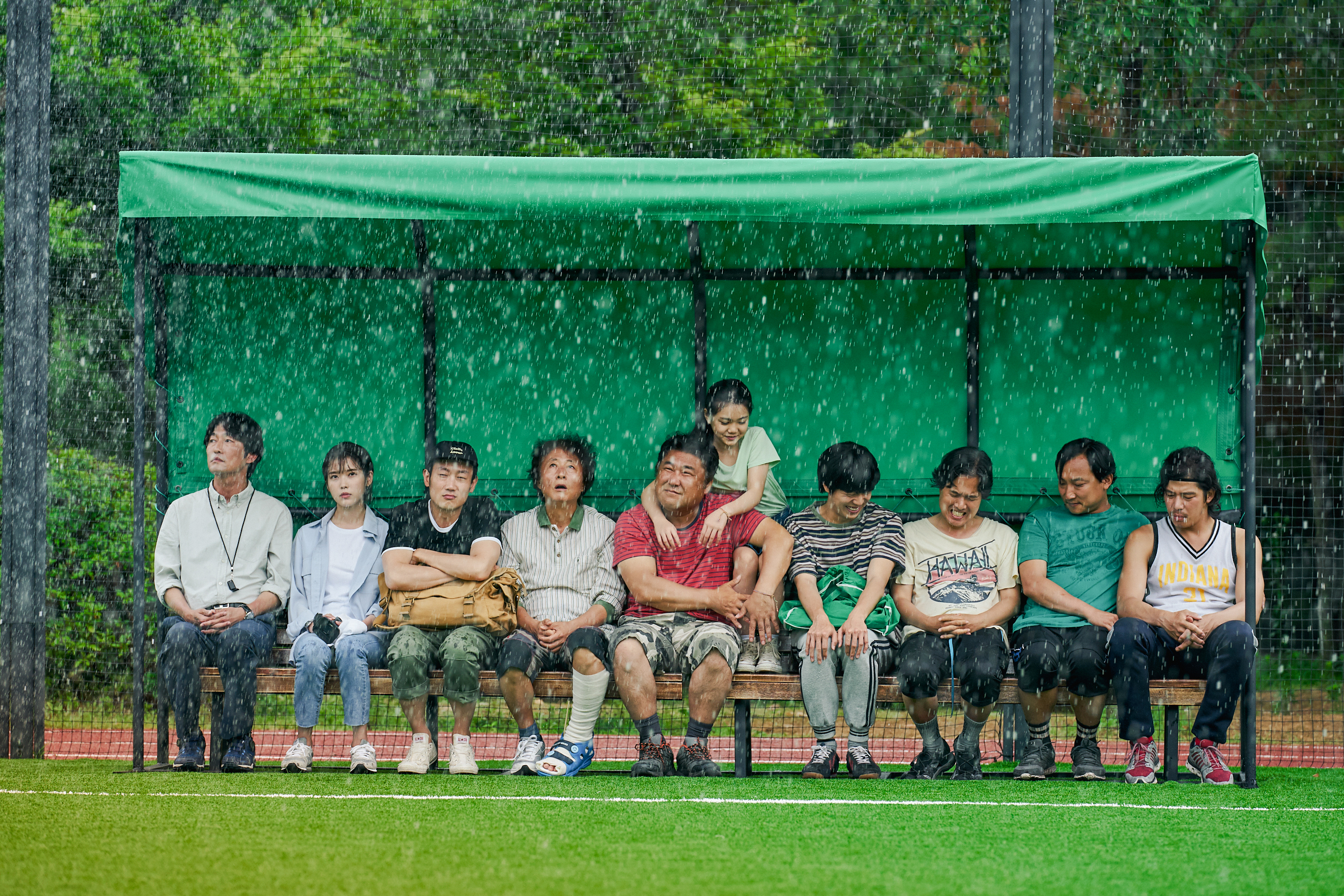
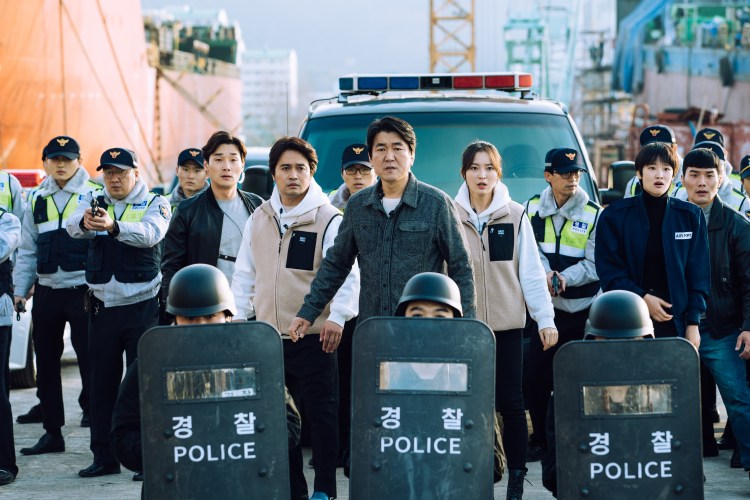
A disgraced football player gets a shot at redemption after agreeing to coach a team hoping to take part in the Homeless Olympics in Lee Byeong-heon’s sporting drama, Dream (드림). The Homeless Olympics was founded in order to advocate for the end of homelessness while combatting discrimination and stigma and takes place annually with teams of homeless people from all over the world taking part. Set in 2010 and inspired by the first Korean delegation to participate, the film is essentially an underdog sports drama in which the act of scoring a single goal is the same as an overall victory.

It is also, meanwhile, heavily critical of celebrity and sensationalist media each of which have a habit of latching onto popular causes in order to further their own careers. Hong-dae (Park Seo-jun) was a popular footballer insecure in his talents, but gained notoriety after poking an obnoxious reporter in the eyes when he repeatedly brought up the topic of his mother who happens to be a fugitive from justice. Deciding to retire from the game, Hong-dae is picked up by a talent agency who want to make him a star and is convinced to become the coach of the homeless football team in order to improve his personal brand while documentarian So-min (Lee Ji-eun) hopes to do something much the same by producing a semi-scripted reality show following the team’s fortunes.

Accordingly, So-min instructs Hong-dae to let her “cast” the key players on the basis of their touching backstories rather than their sporting ability. She comes up with a selection of people who have each for various reasons ended up on the streets but are looking for a way to turn their lives around and repair fractured relationships with family members. One man turned to booze and women while riding high but found himself out of luck when the Asian Financial Crisis ruined his business, while another claims that he’s not really homeless just lying low for a while, and a third was scammed by a friend and saddened by the impending exit of his ex-wife and daughter who will shortly be moving to Australia with her new husband. The film strays into more interesting territory in exploring the story of 44-year-old Beom-su (Jung Seung-gil) who ended up on the streets after a workplace accident left him with a chronic illness he did not have the money to treat, but otherwise falls into the same trap as So-min’s documentary in taking a fairly superficial view of homelessness. By the end of the film many of the players have thankfully moved into stable accommodation but do so largely without explanation aside from having apparently managed to save up for a deposit. 

Positioning their battle for sporting success as a means of reclaiming their self-esteem might also uncomfortably suggest that the reason they’re on the streets is a matter of mental attitude while ignoring other systemic issues that led them there or prevented them from moving on (assuming that they wish to do so). Aligning their struggles with Hong-dae’s and to a lesser extent So-min’s might do something similar while they too are also battling cynicism and self-esteem issues, Hong-dae continuing to blame his mother for his problems complaining that he was born to be second place because she never put him first. As Hong-dae later points out, So-min is also to an extent exploiting the homeless in trying to create an inspirational narrative for her TV show before she like everyone else realises there are other ways to win besides the literal. 

The final message is more one of never giving up as the team finally travel to the Olympics and find themselves out of their depth before deciding to give it everything they have even if it’s very unlikely they will win. There had indeed been discrimination in Korea, a sponsor pulling out describing the homeless as “smelly and disgusting” and expressing a degree of squeamishness about involving them with their brand, but at the Olympics they become the most popular team despite their lack of skill purely because of their charismatic perseverance. One player’s late in the game announcement that he is gay but has now come to accept himself in the knowledge that the problem lies with the world that will not accept him also makes the case for a greater equality if perhaps clumsily conflating two different issues. Nevertheless, IU’s lively performance and the film’s warmhearted tone help to overcome any mild sense of discomfort in its otherwise genial tale of never giving up and regaining your self-esteem even if you feel as if the world has already abandoned you. 


Dream screens July 17 as part of this year’s New York Asian Film Festival.

International trailer (English subtitles)

Images: © 2023 PLUS M ENTERTAINMENT & OCTOBER CINEMA INC. ALL RIGHTS RESERVED.

New York Asian Film Festival Confirms 2023 Lineup

New York Asian Film Festival returns for its 22nd edition with another packed programme of recent East Asian cinema hits screening at Lincoln Center & Barrymore Film Center July 14 – 30. This year the festival will pay tribute to director Zhang Wei, while Junji Sakamoto will receive the Screen International Star Asia Lifetime Achievement Award, Ryohei Suzuki the Screen International Rising Star Asia Award, and Louis Koo the Extraordinary Star Asia Award. 

China

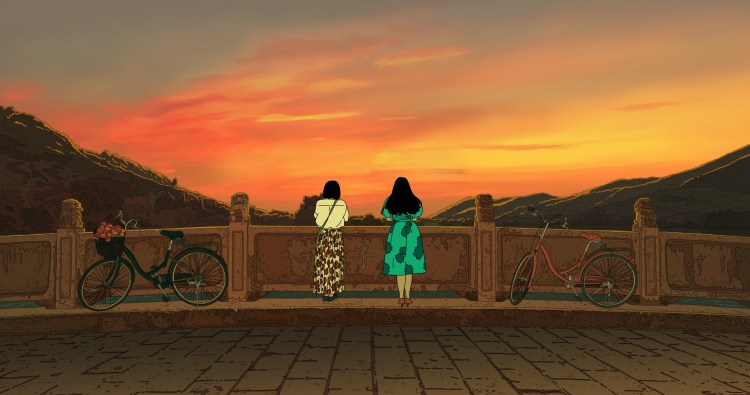
  • Art College 1994 – A collection of art students mull over the big questions while floundering in the complicated mid-90s society in Liu Jian’s nostalgic animation. Review.
  • The Cord of Life – a folktronica musician embarks on a roadtrip with his mother after learning she has Alzheimer’s.
  • Flaming Cloud – whimsical romantic fantasy in which a young man is cursed causing all who kiss him to fall into a deep sleep.
  • A Woman – dramatisation of Zhang Xiuzhen’s semi-autobiographical novel charting a woman’s life through the cultural revolution into the new China of the 1980s.

Filmmaker in Focus: Zhang Wei

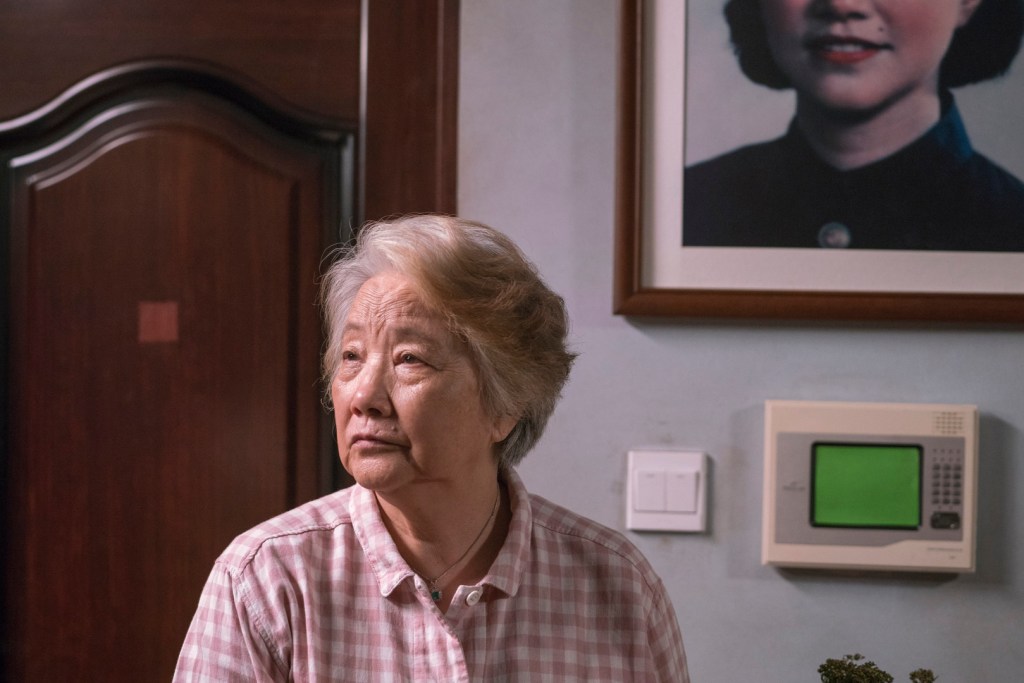
  • Empty Nest – drama in which an elderly woman bonds with a young man selling healthcare products.
  • Factory Boss – drama following the owner of a toy factory contending with economic crisis.
  • Redemption with Life – drama from Zhang Wei in which the friendship between three bikers is tested by a series of get-rich-quick schemes.
  • The Rib (Director’s Cut) – drama in which a transwoman contends with her conservative father whose signature she needs in order to get confirmation surgery. Review.

Hong Kong

  • A Light Never Goes Out – a mother and a daughter take very different paths in trying to come to terms with grief in Anastasia Tsang’s poignant drama. Review.
  • Back Home – folk horror in which a young man returns from Canada when his estranged mother falls into a coma.
  • Everyphone Everywhere – zeitesty drama in which three middle-aged friends reunite 25 years after high school as one prepares to go abroad.
  • In Broad Daylight – drama in which an investigative journalist goes undercover at a home for the disabled.
  • Mad Fate – mad cap supernatural noir in which a fortune teller and “born psychopath” team up to solve a murder.
  • Nomad – Heavily censored on its release, Patrick Tam’s 1982 classic stars a young Leslie Cheung as an aimless young man from a wealthy family who spends his time hanging out with friends at the beach until his cousin’s romance with a fugitive from the Japanese Red Army threatens to upset their idle days. Review.
  • The Sunny Side of the Street – An embittered taxi driver is forced to reflect on his prejudices and relationships after getting into a vendetta with a refugee in Lau Kok-rui’s melancholy drama. Review.
  • Vital Signs – drama starring Louis Koo as an earnest paramedic.
  • The White Storm 3: Heaven or Hell – the third installment in Herman Yau’s thematic series starring Louis Koo, Aaron Kwok, and Lau Ching-Wan.

Japan

  • #Manhole – a salaryman’s moment of triumph is disrupted when he falls down a manhole the night before his wedding in Kazuyoshi Kumakiri’s unhinged B-movie thriller. Review.
  • December – Bereaved parents are confronted by the unresolved past when the woman who killed their daughter appeals her sentence in Anshul Chauhan’s empathetic courtroom drama. Review.
  • Egoist – a fashion editor reflects on the nature of love after falling for a personal trainer in Daishi Matsunaga’s deeply moving romantic drama. Review.
  • A Hundred Flowers – An expectant father finds himself confronted with paternal anxiety and past trauma on learning that his mother has been diagnosed with Alzheimer’s in Genki Kawamura’s adaptation of his own novel. Review.
  • In Her Room – eerie drama in which a shy dentist falls for a mysterious woman.
  • Mayhem Girls – pandemic-era drama in which a group of high school girls suddenly develop superpowers.
  • Motherhood – Ryuichi Hiroki adapts the Kanae Minato novel revolving around the complicated relationship between a mother and a daughter.
  • Mountain Woman – a young woman walks into the mountains to die but unexpectedly discovers what it is to feel truly human in Takeshi Fukunaga’s bleak folk tale. Review.
  • Okiku and the World – a samurai’s daughter falls for a lowly manure man in a city on the brink of change in Junji Sakamoto’s touching dramedy. Review.

Malaysia

  • Abang Adik – drama centring on the relationship between two orphaned young men.

Philippines

  • 12 Weeks – drama in which a woman attempts to secure a safe abortion in a fiercely pro-life culture.
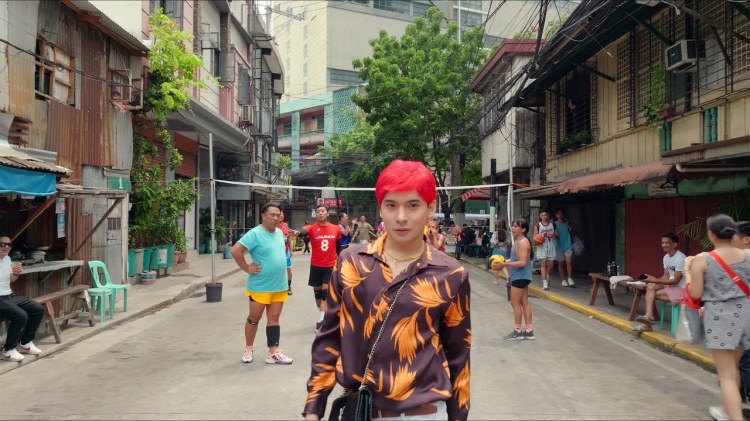
  • I Love You, Beksman – a flamboyant hairdresser scandalises his family when he comes out as straight after falling for a beauty queen in Percival M. Intalan’s ironic comedy. Review.
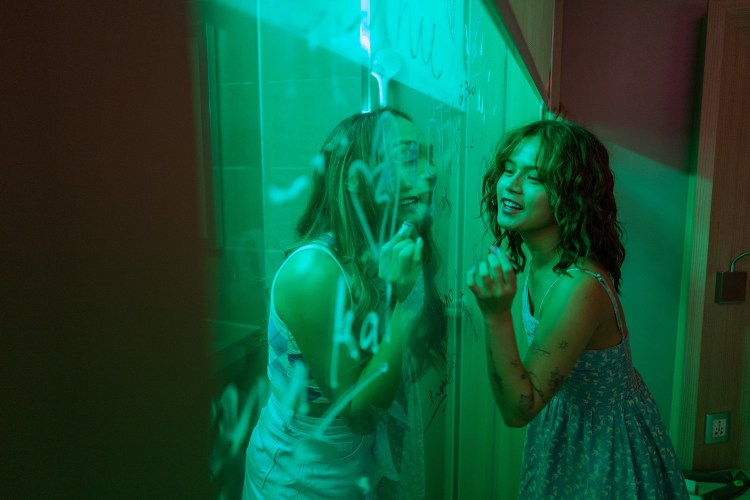
  • Where Is the Lie? – drama in which a transwoman is targeted by cyberbullies.

South Korea

  • Bear Man – surreal comedy in which two bears managed by the North Korean Institute of Technology disappear one day.
  • Dream – inspiration sporting drama in which a washed up footballer agrees to coach a team of homeless men.
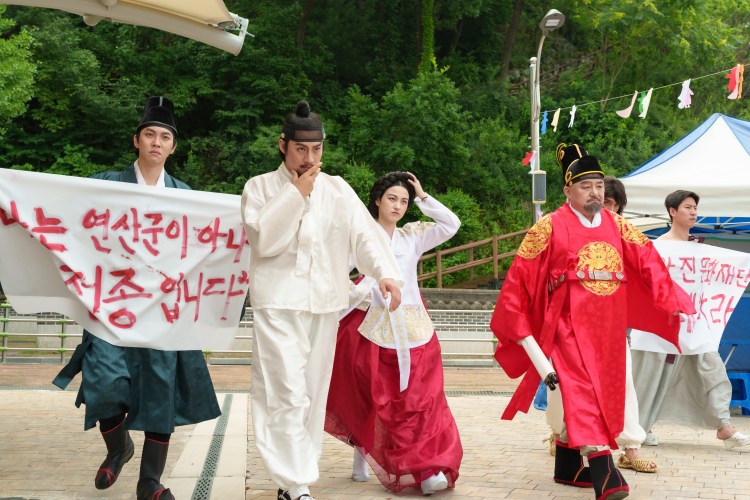
  • Extreme Festival – the CEO of a small events planning firm finds herself in the firing line after agreeing to organise the local cultural festival.
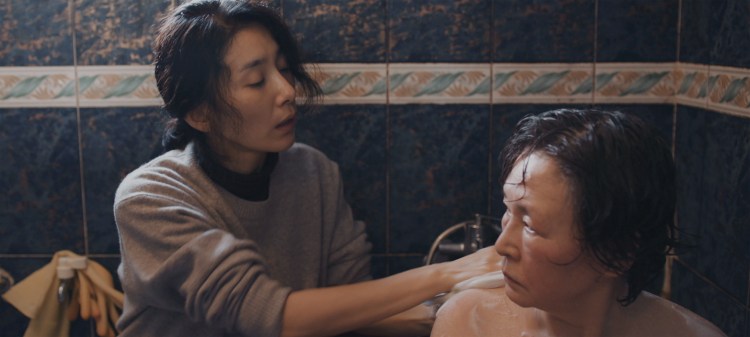
  • Greenhouse – gritty drama starring Kim Seo-hyung as a woman pushed to impossible extremes.
  • Hail to Hell – black comedy in which a young couple planning to take their own lives decide to get revenge on their bully instead.
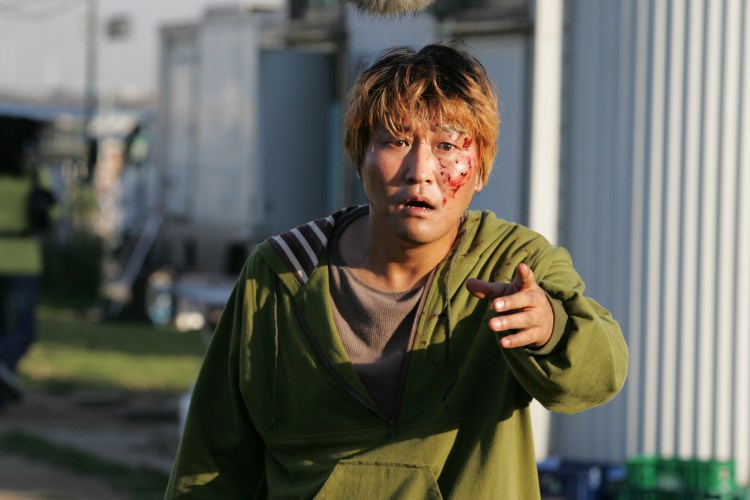
  • The Host – Bong Joon Ho’s classic monster movie.
  • Killing Romance – madcap comedy in which a former star (Lee Ha-nee) teams up with a student (Gong Myoung) to kill her husband (Lee Sun-kyun).
  • Phantom – Colonial Era spy thriller meets drawing room mystery in this masterful drama from Lee Hae-young.
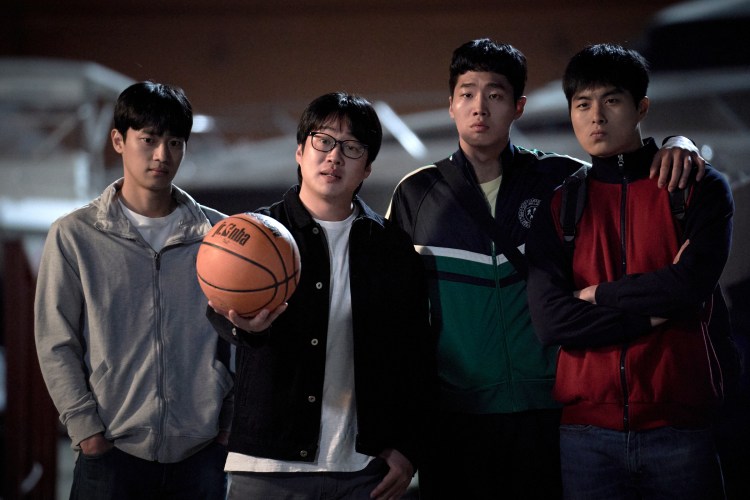
  • Rebound – inspirational sporting drama in which a moribund high school basketball team make their way towards championship glory.
  • A Tour Guide – a North Korean defector becomes a guide for Chinese tourists in the South while searching for her missing brother.

Singapore

  • Geylang – crime drama in which a series of cosmic coincidences conspire against residents of Singapore’s red light district.

Taiwan

  • The Abandoned – horror in which a grieving policewoman investigates a series of murders of migrant workers.
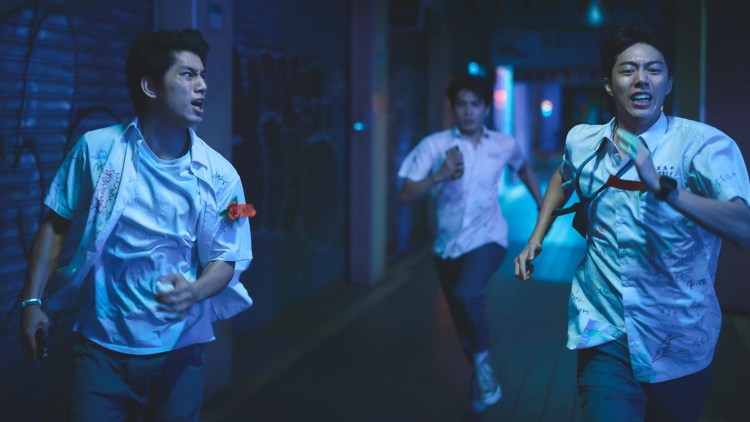
  • Bad Education – a night of post-graduation celebration goes awry when teenage boys unwisely assault a gangster in the directorial debut from actor Kai Ko.
  • Gaga – an indigenous family finds its relationships strained when the oldest son decides to run for mayor in Laha Mebow’s warmhearted dramedy. Review.
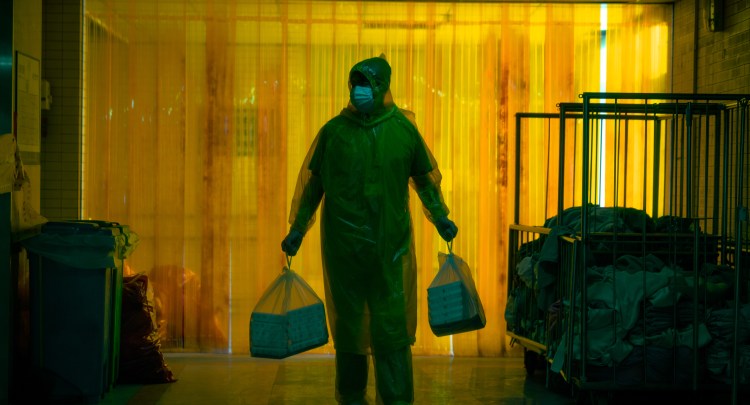
  • Eye of the Storm – a doctor investigates a mysterious virus.
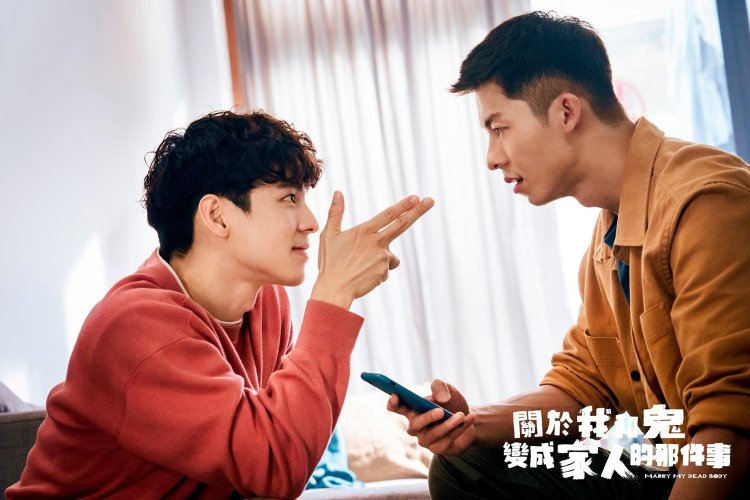
  • Marry My Dead Body – a police officer discovers a red wedding envelope but soon realises the proposal comes from the other side and it is the ghost of a murdered man who wants to marry him!
  • Miss Shampoo – quirky rom-com from Giddens Ko in which a gangster falls for a hairstylist after she hides him from bad guys.

Thailand

  • Faces of Anne – existential drama in which a woman wakes up on a weird island where her face changes every few minutes.
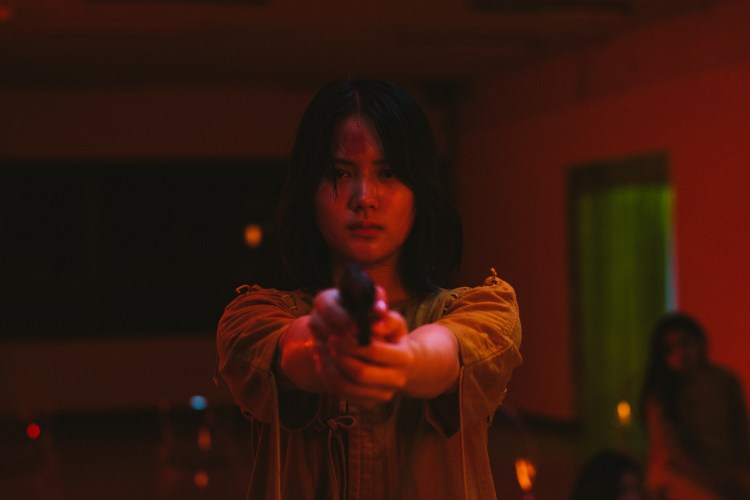
  • Kitty the Killer – comic book action comedy in which a rookie teams up with a band of female assassins to take revenge for their mentor’s death.
  • You & Me & Me – millennial drama in which the relationship between a pair of twins is disrupted when they fall for the same boy.

Vietnam

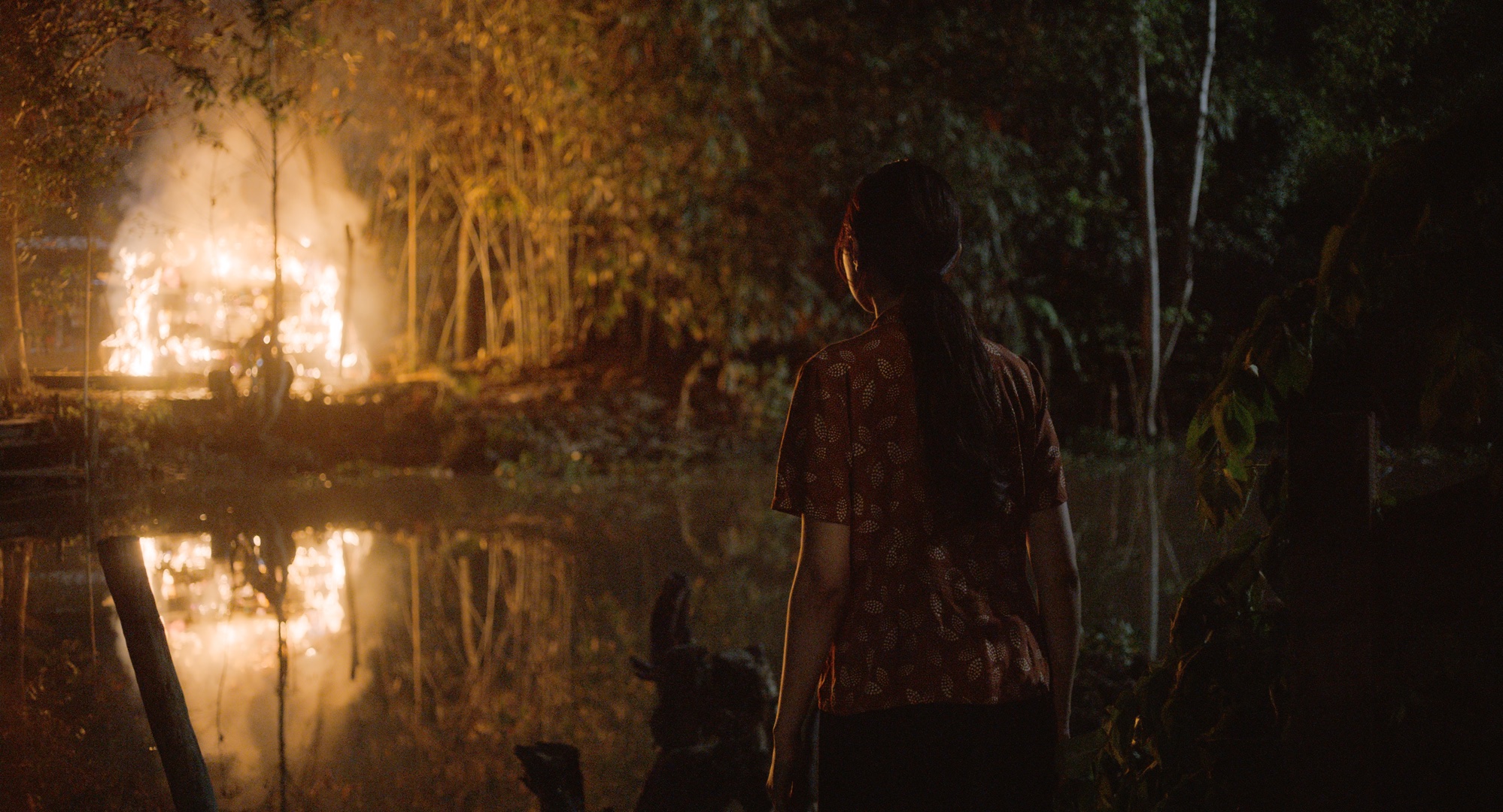
  • Glorious Ashes – poetic drama focussing on the lives of three of three women in a poor coastal village.

The New York Asian Film Festival runs from 14th June to 30th July. Full details for all the films are available via the official website where you can also find screening times and ticketing information. You can also keep up with all the latest festival news via the official Facebook Page and Twitter account.

Nomad (烈火青春, Patrick Tam, 1982)

In his 1982 New Wave classic Nomad (烈火青春), director Patrick Tam had intended to reflect on Nietzsche’s Joyful Wisdom along with the concept of the wanderer, a heroic ideal of the emancipated mind which necessitates permanent exile in which it is no longer possible to call any place “home”. It was also he claims a critique of the “mindless embrace of foreign culture” by Hong Kong youth then obsessed with David Bowie and Japan. 

The film’s English title refers to the boat owned by the hero’s father which becomes a symbol of the yearning for escape and for the foreign among the young, but is also imbued with an essential irony thanks to its design which recalls the “black ships” that sailed into the bay of Edo and forced Japan to reopen its doors to the world after 200 years of isolation. The original Chinese title, meanwhile, translates as something like “Burning Youth” and strongly recalls Japan’s Sun Tribe movies of the late 1950s which similarly critiqued aimless post-war youth and the corruptions of pervasive American pop culture as embodied by Coca-Cola and jazz music. Tam makes frequent visual reference to Japanese New Wave youth movies such as Nagisa Oshima’s Cruel Story of Youth while the shocking ending (which was not shot by Tam who had envisioned a bloodier showdown aboard the Nomad) also has shades of Ko Nakahira’s seminal chronicle of post-war ennui, Crazed Fruit. 

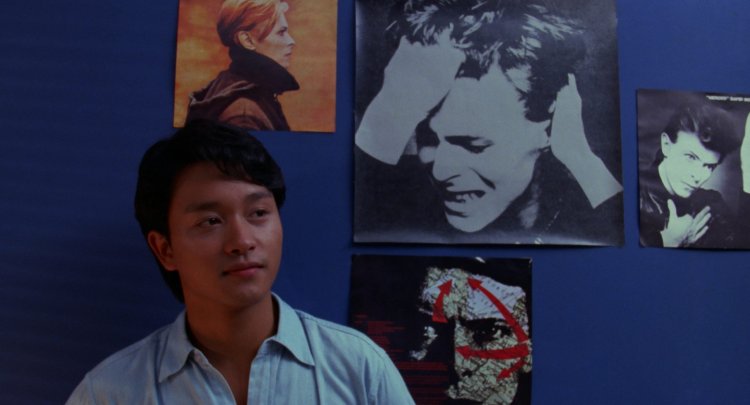
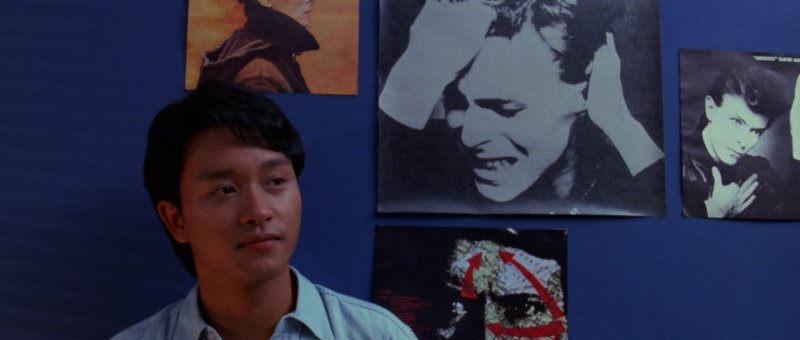
Nomad similarly focusses on a collection of aimless youngsters struggling to find direction in pre-Handover Hong Kong. Louis (Leslie Cheung Kwok-Wing) continues to long for his absent mother and often listens to recordings she once made introducing classical music on the radio while a model of the Nomad sits prominently on a shelf in his room. He has posters of David Bowie on the wall, while his cousin Kathy (Pat Ha Man-Jik) puts on the robes of a Japanese Miko and performs a traditional fan dance. Louis is one of the few young people who does not speak the language, but is later fascinated by the work of a Japanese fashion designer featuring swords and samurai armour that he says, in a moment of foreshadowing, only make him think of ritual suicide. 

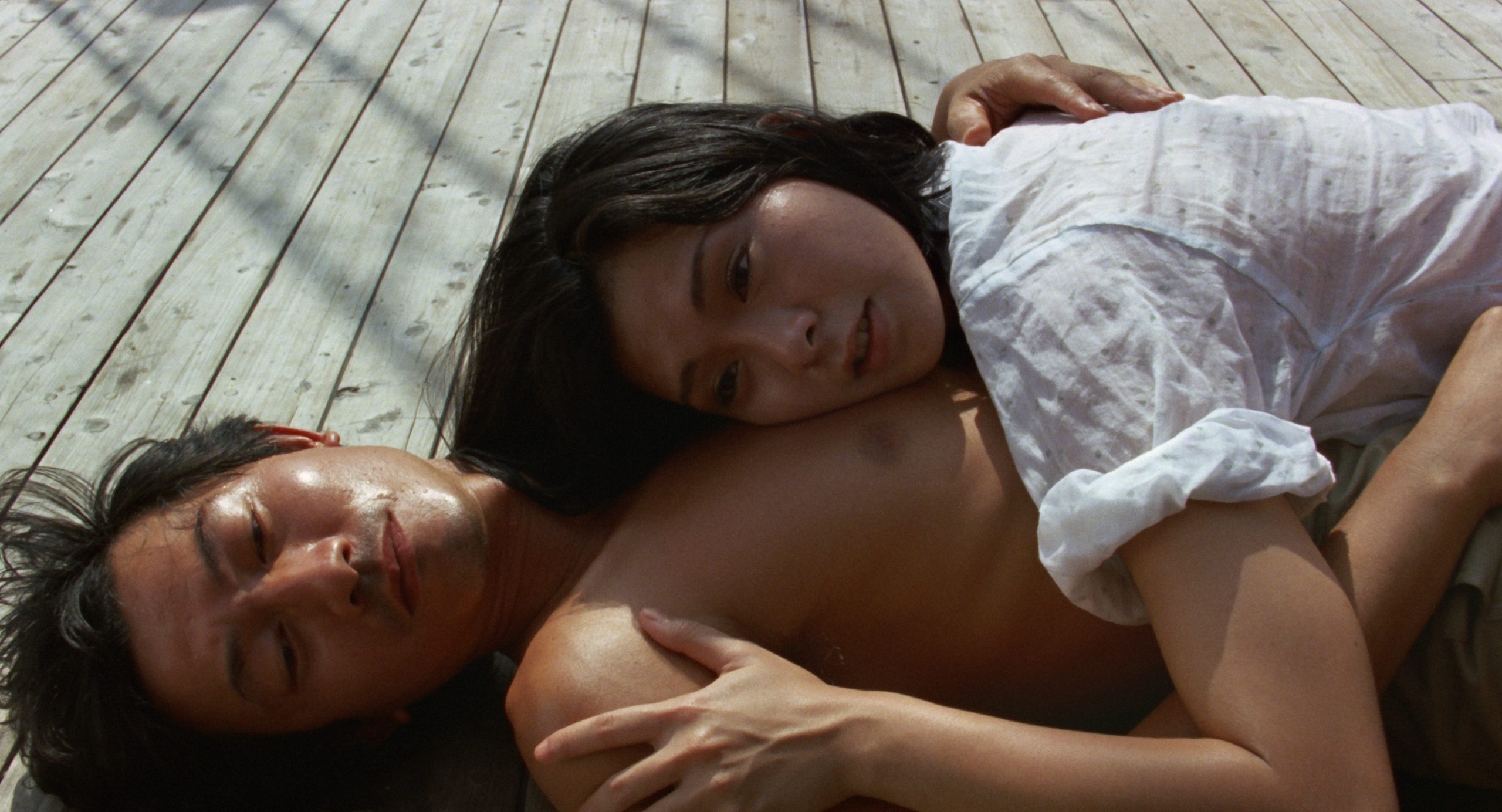
His life is directly contrasted with that of Pong (Kent Tong Chun-Yip), a young man from a poor family who works as a lifeguard at the local pool which is how he ends up meeting Kathy who in turn fascinates him with her rich girl sense of confidence and invincibility. The desire to find a place of their own is emphasised by the constant frustration their repeated attempts to make love in Pong’s family apartment which everyone has generously agreed to vacate so he can bring a girl home only for his younger brother to prank him and his dad to come home early inviting half the neighbourhood over for mahjong. The couple eventually have sex on the empty top deck of a tram, another symbol of transience, and then repeatedly in several other public locations until the relationship is disrupted by the return of Kathy’s former boyfriend, Shinsuke (Yung Sai-Kit), who has deserted the Japanese Red Army and is now a fugitive ironically looking for safe harbour while on the run.

The Japanese Red Army was a far-left terrorist organisation most active in the Middle East though Shinsuke’s decision to leave it seems to be less to do with a disillusionment with communism than a reawakening of his humanity in which he has decided he can no longer be a part of its bloodiness and violence. Nevertheless, while holed up aboard the Nomad, he explains that he cannot join the other youngsters in their romantic dream of sailing to Arabia because he has rejected exile and is determined to return home and meet his certain death in Japan. The destructive forces have however followed him in the form of an assassin posing as an assistant to a fashion designer, which seems to be allusion a little too on the nose even if it quickly descends into a strange pastiche of samurai ideology otherwise at odds with that of the JRA in which they track Shinsuke down and then instruct him to commit seppuku with the sword he has been carrying all along. 

In an earlier fight that led Pong and Louis becoming friends, some young women had needled him that he should try to protect Kathy though she needed no protection in this situation and he was unable to provide it anyway. Something similar happens on the beach though he turns out to be surprisingly adept with a samurai sword when he’s unexpectedly rescued by Tomato (Cecilia Yip Tung), a young woman he met in a cafe after he overheard her desperately trying to dump one boyfriend and not be be dumped by another over two different telephones, who suddenly reemerges with a harpoon gun. It’s Tomato, who had kept a copy of Nietzsche’s The Antichrist given to her by a boyfriend but apparently not read it, that finally remarks on their aimlessness, “we do nothing for society”, only to be countered by Louis who answers, “what society? We are society.”

Briefly at the beach they may find the kind of utopia they’re looking for, lighting the cottage with lanterns and sleeping piled one on top of another under a communal mosquito net in the open air, but just as quickly find that dream shattered by the intrusion of a political reality. This nomadic youth finds itself exiled from its home, dreaming of an impossible escape, caught between the colonial present and a colonial future with half an eye on an old coloniser and fast losing sight of its own identity. Abandoned on a blood-soaked shore, all youth can do is look out in shock and confusion bereft even of hope in a liminal space at once transient and permanent. 


Nomad screens at the BFI Southbank on 15th July in its new 4K Director’s Cut as part of Focus Hong Kong.

Let It Ghost (猛鬼3寶, Wong Hoi, 2022)

A collection of conflicted souls find themselves haunted by the ills of their society in the directorial debut from Wong Hoi, Let it Ghost (猛鬼3寶). Very much in the tradition of Hong Kong horror comedy, the three-part anthology takes pot shots at everything from hypocritical, narcissistic TV stars, and chauvinistic, homophobic men, to familial displacement caused by rampant gentrification while asking questions about who is haunting who in a society which seems to be constantly eroding around the edges.

The hero of the first chapter, Lark, is a self-centred actor currently playing the lead in the hit TV show Incarcerated Detective in which he has the nonsensical catchphrase “Justice will always stand on the side of Justice”. Though playing a figure of moral authority onscreen, Lark is privately anything but and is becoming fed up with the show because it’s getting in the way of his burgeoning movie career. Wong makes some subtle digs at how the entertainment industry works with Lark kept out at a drinking party with useful people he clearly doesn’t like but has to get along with while needing to get back for night shoots. When he gets pulled over by a cop, he panics because he’s been drinking but it turns out the guy was just a fan who wants an autograph. The policeman’s failure to investigate him turns deadly when a sleepy Lark ends up running over a young woman and then pushing her body down a mountain to conceal the crime. 

Lark finds himself quite literally haunted by the spectre of his guilt when he realises that the young woman he killed was the guest actress for the episode in which she was supposed to be playing a ghost. Taking method acting to extremes, she turns up anyway prompting some ironic comments from the director about representation and the Hong Kong spirit before he makes full use of her now unkillable body to get exactly the effect he wants for the scene. A late twist hints at Lark’s self-obsession and insecurity if also perhaps the mutability of stardom in which no one is ever really irreplaceable. 

Like Lark, the hero of the second chapter, Kwan, is also somewhat insecure but mostly in his lowly status as a taxi driver while his materialistic girlfriend appears resentful that he can’t give her a standard of life to match that of her snotty rich girl friends. In a recurrent motif, Kwan keeps making a point that he isn’t “homophobic” but several times makes homophobic remarks and later tells a young woman that the boys love manga she’s reading “defies the Chinese values of man and wife”, while titles of books in his cab include “cute wife, obey me tonight” and “Domineering Driver and the Dainty Wife”. An attempt to impress his girlfriend with a cheap “staycation” backfires when she is possessed by a “horny ghost” whose insatiable appetites eventually become more than he can handle. The film walks a fine line between satirising Kwan’s toxic masculinity and patriarchal views and accidentally endorsing them, potentially spilling over into homophobia in the punchline of its possession gag. 

In part three meanwhile, the venue is a moribund shopping mall where a young woman runs a bridal shop inherited from her mother. The half-shuttered mall already has a ghostly quality, as Fong points out no one goes to malls anymore, and it could in a sense be she and her friends that are haunting it though there is a more literal ghost of an abandoned child as a kind of symbol of the “orphans” of gentrification displaced from their homes and left with nowhere to go. Fong and her friend Edward decide to look for a nice couple to look after the ghost, Kat, who would then be reincarnated as their child but struggle with unexpected interference from a kung fu exorcist working for security who want to get rid of Kat so the building can be sold. 

There is quite a lot of haunting going on, be it the grim spectres of celebrity culture, sexism, or the gradual erasure of the old society which brings about its own ghosts in the eerie sense of emptiness with which abandoned buildings are imbued. Cynical humour and a thick slice of irony lend each of these ghostly tales a satirical quality hinting at the unreality of the everyday marked by a sense of displacement and emptiness in a disappearing Hong Kong. 


Let It Ghost screens at the BFI Southbank on 14th July as part of Focus Hong Kong.

Original trailer (English subtitles)