The Edinburgh International Film Festival has a long and proud history of showcasing East Asian cinema and this year is no different with several high profile movies making their UK premieres in the Scottish capital.
Scroll down for a handy list and ticket links:
Sunao Katabuchi’s award winning animation In This Corner of the Worldreceives its UK premiere at Edinburgh ahead of a domestic release from Animatsu. A moving historical drama, the animated feature examines the life of a woman in Hiroshima towards the end of the second world war.
Taiwanese dark comedy crime thriller Godspeed follows the adventures of a hapless drug dealer whose plans are derailed by an encounter with a strange taxi driver.
Needing little introduction, Okja is the latest film from Bong Joon-ho and the story of a little girl and her strange animal friend which has been kidnapped by a shady international organisation.
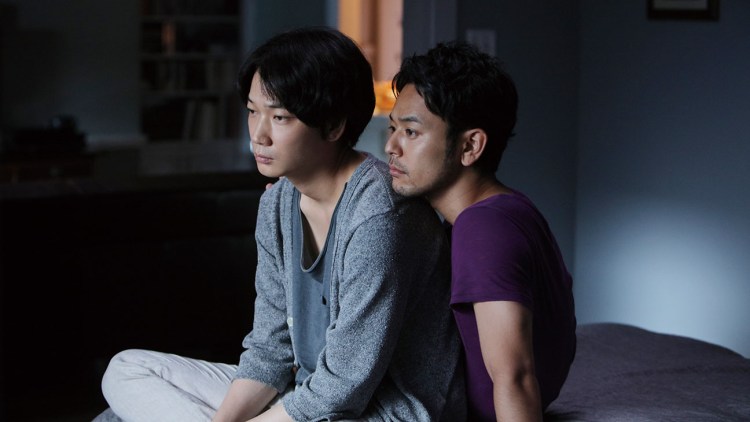
Lee Sang-il reunites with Unforgiven’s Ken Watanabe and enlists an all star cast including, Kenichi Matsuyama, Aoi Miyazaki, Chizuru Ikewaki, Satoshi Tsumabuki, Go Ayano, Mirai Moriyama, and Suzu Hirose for Rage – another exploration of human darkness based on a novel by Villain’s Shuichi Yoshida. Review.
Kiki Sugino brings a modern twist to the classic tale of the Snow Woman who steals the breath of mortal men daring to spend a night in her forests only to find her icy heart melting and ultimately broken by the cruelty of human frailty.
Kyoko Miyake’s documentary Tokyo Idols takes a look at the idol phenomenon as it operates within modern pop culture.
Takashi Miike never stops! Mole Song: Hong Capriccio is a sequel to the original Mole Song in which undercover cop Reiji gets himself mixed up with a yakuza and his unusual daughter.
Playing in the Night Moves section, Dante Lam’s Operation Mekong stars Eddie Peng in an action packed crime adventure in which Chinese special forces make a daring raid into Thailand in search of a drug syndicate.
A return to the classic Hong Kong horror comedies of the past, Vampire Cleanup Department is the story of a young man who discovers he comes from a long line of vampire hunters only to fall for a rare “human type” vampire.
The Edinburgh International Film Festival runs from 21st June to 2nd July 2017, and you can find all the latest details on the festival’s official website, or follow the official Facebook page, Twitter account, Instagram, and YouTube channel.
At a glance – full list of Asian films playing at the festival:
When tragedy strikes the one thing you ought to be able to rely on is your family, but when the tragedy occurs within that sacred space which exits between you what is to be done? Yosuke Takeuchi’s The Sower (種をまく人, Tane wo Maku Hito) attempts to provide an answer whilst putting one very ordinary, loving and forgiving family through a series of tests and tragedies. Lies, regret, and despair conspire to ruin the lives of four once happy people but even in the midst of such a shocking, unexpected event there is still time to turn towards the sun rather than continuing in the darkness.
Mitsuo has just been released from a mental hospital where he received treatment for a nervous breakdown suffered as a direct result of his time as a relief worker after the Tohoku earthquake. Returned to the home of his brother Yuta and his wife Yoko, Mitsuo’s family welcome him with open arms and he is delighted to become reacquainted with his niece Chie as well as meet her younger sister, Itsuki, for the first time. Yoko’s mother was supposed to be coming to help out with the children but has let them down once again. Uncle Mitsuo seems like the perfect solution but tragedy strikes when he leaves the girls on their own to use the bathroom and comes back to discover that Chie has dropped her sister causing her to hit her head on a curb stone surrounding the play area. Mitsuo rushes to the hospital but Itsuki sadly passes away. Chie, overcome with guilt and fear hastily blurts out that her uncle dropped her sister while Mitsuo remains silent.
Chie’s claim sparks a series of consequences, the most serious being the intervention of the police investigating the case who are very keen to poke into each and every dark corner of this ordinary family. Despite the fact that Mitsuo has only been staying with them a few days, the police almost push Chie into accusing Mitsuo of abuse of herself or her sister, trying to paint him as some kind of deranged threat to children everywhere. Feeling guilty about her lie and fearing discovery Chie wisely says nothing, refusing to further incriminate her uncle save for a brief indication that he dropped Itsuki on purpose.
The police are confused, there is no evidence to support the idea of Mitsuo having behaved suspiciously towards either of the girls or anyone else for that matter. There would seem to be no motive for him to intentionally harm his niece, though they don’t want to accuse a grieving little girl of making things up, either. Conscious that making Chie give evidence in court, especially if she is going to lie, may have terrible consequences for her future the police urge Yuta to talk seriously with his daughter and try to get to the truth through more gentle means.
The swarm of tragedy has, however, already begun to drive a wedge between husband and wife. Even at the funeral, Yoko’s mother, forgetting that much of this is her fault for letting the family down in the first place, overtly criticises their decision to take in someone just released from a mental hospital and then leave him in charge of small children. Yuta loves his brother unconditionally, knows he is a good person and does not blame him for his daughter’s death. Yoko cannot bring herself to understand her husband’s reaction, accusing him of choosing his brother over their little girl. Mitsuo’s mental state is repeatedly offered as an explanation for what happened despite the fact that his condition is down to an excess of compassion rather than any violent or destructive impulses.
This same kindness means that he never speaks out or tries to appeal to Chie to tell the truth, shouldering the burden of her guilt and perhaps feeling responsible for having left her alone with her sister even if it was only for a few short minutes. Chie, terrified and remorseful, deeply regrets her original lie but is too afraid to tell the truth. When she finally does decide to confide in someone she is instantly told to keep quiet about it, placing an additional burden on this already fragile little girl in asking her to keep two terrible secrets perhaps for the rest of her life.
As the family falls apart, Mitsuo retreats to the woods, planting sunflowers which Itsuki loved in every conceivable place. Literally trying to plant the seeds of hope, Mitsuo spreads his sunflowers far and wide bringing colour and life to a landscape of desolation but it may take more than flowers to light the way out of this hellish, inescapable tragedy.
The eagerly awaited live action adaptation of Hirohiko Araki’s much-loved manga, JoJo’s Bizarre Adventure: Diamond is Unbreakable, is to make its world premiere at the 17th Neuchâtel International Fantastic Film Festival.
One of several films from prolific director Takashi Miike set for release this year, JoJo’s Bizarre Adventure: Diamond is Unbreakable stars Kento Yamazaki and adapts the fourth arc of the manga which follows the illegitimate son of Joseph Joestar, Josuke Higashikata, as he discovers the world of “Stands” in the picturesque town of Morioh in 1999.
Now in its 17th year, Neuchâtel International Fantastic Film Festival has a long history of showcasing Asian Cinema with a dedicated annual strand. Films already announced for this year’s festival include:
Alan Lo’s Zombiology: Enjoy Yourself Tonight in which two slackers decide to do their civic duty by saving Hong Kong from the zombie apocalypse.
Yoshihiro Nishimura’s Meatball Machine Kudoku – the latest gore fest from this notorious director is a return to the world of 2005’s Meatball Machine in which a debt collector suffering with terminal cancer is infected by the alien necroborg virus and decides to get some revenge on a cruel and unforgiving world.
Alex Cheung’s 1983 Shaw Brothers comedy Twinkle, Twinkle Little Star will also play in the festival’s outdoor sci-fi retrospective strand, Laughing in Space. This wacky outing stars Cherie Chung as a suicidal young woman who is later raped by space aliens but encounters two also suicidal private investigators who embrace the chance to let the world know about the alien threat as their way out of a desperate situation. Yes, this is a comedy.
Tsui Hark’s A Chinese Feast features in a special selection of culinary films marking Neuchâtel’s nomination for the “City of Taste” 2017. Starring Leslie Cheung, A Chinese Feast is the classic Chinese New Year movie mixing food and fun for a feel good family comedy.
The festival will also be marking the death of the late Seijun Suzuki with a retrospective of around ten of the director’s films to be announced at a later date. The full programme for the 17th Neuchâtel International Fantastic Film Festival which runs from 30th June to 8th July, will be unveiled on 15th June and you can keep up with all the latest festival news via the official website, Facebook page, and Twitter account.
Towards the end of the 60s and faced with the same problems as any other studio of the day – namely declining receipts as cinema audiences embraced television, Nikkatsu decided to spice up their already racy youth orientated output with a steady stream of sex and violence. The Roman Porno line took a loftier approach to the “pink film” – mainstream softcore pornography played in dedicated cinemas and created to a specific formula, by putting the resources of a bigger studio behind it with greater production values and acting talent. 40 years on Roman Porno is back. Kazuya Shiraishi’s Dawn of the Felines (牝猫たち, Mesunekotachi) takes inspiration from Night of the Felines by the Roman Porno master Noboru Tanaka but where Tanaka’s film is a raucous comedy following the humorous adventures of its three working girl protagonists, Shiraishi’s is a much less joyous affair as he casts his three lonely heroines adrift in Tokyo’s red light district.
Masako (Juri Ihata), Rie (Michie), and Yui (Satsuki Maue) are best friends, though they don’t even know each other’s real names. They each work for a shady escort agency in Tokyo’s red light district where they’re ordered and dispatched by their two-bit hustler of a manager Nonaka (Takuma Otoo) and driven around by the assistant who it turns out has been secretly filming them and posting the videos on YouTube as a kind of exposé on the sex trade.
Each of the women “has their tale to tell” as one puts it but none of them are particularly unhappy in their work, prostitution is simply their way of life and to that extent completely normalised. It does, however, interfere with their ability to form relationships, not just practically but emotionally. For unclear reasons possibly connected to debt collection Masako is technically homeless despite the large amounts of money she can earn, sleeping in cheap motels or all night manga cafes and carting all of her worldly possessions around with her in a tiny carry on size suitcase on wheels. One of her regulars, a millionaire shut in (Tomohiro Kaku), offers to let her stay with him but their relationship is strange and strained – somewhere between business and pleasure with the lines permanently unclear.
Rei, by contrast, is saddled with an elderly client who usually just wants to talk but eventually takes things in an extreme direction. Her path into prostitution is in a sense more positive even if it stems from a kind of vengeance in that the feeling of being needed and providing a valuable service gives her life meaning.
Yui looks for meaning through romance but rarely finds it thanks to the various potential mates she meets through her work. Yui’s young son Kenta has worrying bruises on his face, arms and torso, rarely speaks, and is frequently abandoned by his mother who pays a shady guy to look after him while she spends her time looking for love.
Working for a lenient agency the girls are more or less free agents rather than abused street walkers trapped by debt-bondage and could quit any time they wanted. Yui and Masako may be looking for an escape from this dead-end world – Yui at least is conscious of her age and the declining bookings, but neither names that as something that they are actively pursuing. Rei, by contrast, has made her escape already but has travelled in the opposite direction – from stifling bourgeois life to Belle du Jour liberation, but her eventual destination may be a much darker one than she’d anticipated.
This darkness hovers round the edges as the threat of violence is only ever indirectly expressed or fetishised as in a sequence led by Yui’s possible new partner and the bondage club he works at as one half of a warmup manzai act. Only towards the end does its reality finally surface, making plain how vulnerable and unprotected the women remain whilst on the job. Far from the liberated laughter of Night of the Felines, Shiraishi’s film traps its women with their own despairs as they wallow in an inescapable well of loneliness, satisfying the needs of others but unable to satisfy their own. Bleak but subtly ironic, Dawn of the Felines finds no joy in the sun rising, only the relief of the end of a working day as its three stray cats wander the streets looking for their place to belong.
Learning to love Tokyo is a kind of suicide, according to the heroine of Yuya Ishii’s love/hate letter to the Japanese capital, The Tokyo Night Sky is Always the Densest Shade of Blue (夜空はいつでも最高密度の青色だ, Yozora wa Itsudemo Saiko Mitsudo no Aoiro da). This city is a mess of contradictions, a huge sprawling metropolis filled with the anonymous masses and at the same time so tiny you can find yourself running into the same people over and over again. Inspired by the poems of Tahi Saihate, The Tokyo Night Sky is at once a meditative contemplation of city life and an awkward love story between two lost souls who somehow find each other in its crowded backstreets.
The heroine, Mika (Shizuka Ishibashi), works as a nurse by day and supplements her income by night as a bar tender in a “girls bar” (basically a normal bar where all the bartenders are female and you have to pay an entrance fee on top of your overpriced drinks). Depressed and anxious, she wanders the city with a poetic interior monologue expressing her constant loathing for its indifferent soullessness. Meanwhile, Shinji (Sosuke Ikematsu) is a casual day labourer working on various projects in the run up to the 2020 Olympics. He describes himself as odd and is over sensitive about being blind in one eye. Unlike his friends and colleagues, Shinji prefers literature to parties and solitude to company.
The two first catch sight of each other in a crowded bar where Mika is trying to buy time before having to head back to a dull double date with her drunken friend and the lewd guys she’s invited to come along, and Shinji is trying to read away from the noise and chaos of his lodging house. They meet again when one of Shinji’s colleagues suggests going to the girls bar, and then seem to be constantly running into one another for no particular reason.
Though romance would seem to be the natural outcome of the “pointless miracle” of their repeated meetings, the process is a slow one. It’s obvious the pair share a deep, innate understanding of each other but they each have various problems which conspire to keep them apart. Shinji, describing himself as odd and assuming he’s annoying, is prone to nervous babbling which Mika correctly guesses is less down to a love of his own voice than a fear of awkward silence. For her part Mika is anxious all the time, brittle and insecure she instinctively rejects attempts at intimacy but somehow warms to Shinji responding to his confession of oddness with a comforting “well then, you’re just like me.”
The pair advance and retreat as they wander around the city they both claim to hate but as much as they keep each other at a distance their lives begin to overlap and run in parallel. Mika receives a text from an ex (Takahiro Miura) with a confused declaration of love while Shinji receives one from an old high school classmate (Ryo Sato) with much the same effect. Mika insists that love makes you boring, that you’ll never find someone who is prepared to love the most pitiable part of you, and that there is no such thing as love on this planet, but her protestations point more towards a kind of soul-searching and buried hope than they do of active rejection.
Ishii marries the romantic undercurrent with an ambivalent portrait of the stratified city. Mika, a nurse by profession, needs to take a second job to make ends meet while the more traditionally working class Shinji is a sensitive intellectual relegated to dangerous and insecure employment. As a day labourer he gets no employment benefits like sick pay or insurance – hence when he’s injured on the job he avoids letting anyone know for as long as possible because it means both loss of wages and a doctor’s bill. An older friend (Tetsushi Tanaka) has ruined his back through long years of overwork and is now left with nothing while a Filipino migrant worker (Paul Magsign) pines for home and the wife and child waiting for him there.
Shinji’s anxieties are partly economic – trapped in insecure employment which may well, as his older friend points out, dry up once the Olympics rolls around but the greater problem is inertia. During their journeys around the city, Shinji and Mika run into the same busker (Yoshimi Nozaki) who is always singing the same strange song about her underarms sweating which seems to echo their shared anxiety. Yet the song she offers them also provides a note of hope as she enthusiastically reaches the “Ganbare!” chorus, cheering the pair of frightened lovers on and encouraging them to pursue their dreams and desires rather than waiting around for something to happen.
Waiting has been Mika’s problem. Saddled with intense abandonment issues stemming from childhood trauma, Mika is always sure something bad is about to happen. Shinji partly shares her anxiety often claiming that he has “a bad feeling” about something or other but conversely, he begins to believe that the “something” could be good as well as bad. Rather than try and argue with her, Shinji concedes most of Mika’s points, nobody knows what will happen in the future, nobody can make any promises, and everything ends someday but that’s OK – it’s only life.
Ishii’s Tokyo is a soulless place filled with the melancholy and the empty but there’s beauty here too, if only people would look up from their smartphones every now and then to see it. Mika is afraid of being swallowed by the city and becoming one of its faceless masses but her listlessness and depression stand for the city itself as she refuses and rejects the process of living with all of its attendant risks. Ishii paints the city in all the colours of the night, but for all of its beautiful sadness it’s also a place of noise and chaos where existence is exhausting and the price of living high. It is, however, also a place of ordinary miracles offering hope to the hopeless if only they are willing to accept it.
Generally speaking, murder mysteries progress along a clearly defined path at the end of which stands the killer. The path to reach him is his motive, a rational explanation for an irrational act. Yet, looking deeper there’s usually something else going on. It’s easy to blame society, or politics, or the economy but all of these things can be mitigating factors when it comes to considering the motives for a crime. Gukoroku – Traces of Sin (愚行録), the debut feature from Kei Ishikawa and an adaptation of a novel by Tokuro Nukui, shows us a world defined by unfairness and injustice, in which there are no good people, only the embittered, the jealous, and the hopelessly broken. Less about the murder of a family than the murder of the family, Gukoroku’s social prognosis is a bleak one which leaves little room for hope in an increasingly unfair society.
When we first meet Tanaka (Satoshi Tsumabuki) he’s riding a bus. Ominous music plays as a happy family gets off but the real drama starts when another passenger irritatedly instructs Tanaka to give up his seat so an elderly lady can sit down. He snorts a little but gets up only to fall down next to the steps to the doors and subsequently walk off with a heavy limp. The man who told him to move looks sheepish and embarrassed, but as soon as the bus passes from view Tanaka starts walking normally, an odd kind of smirk on his face in thought of his petty revenge.
In one sense the fact that Tanaka faked a disability is irrelevant, the man did not consider that Tanaka may himself have needed a seat despite looking like a healthy man approaching early middle age. Perhaps, he’ll think twice about making such assumptions next time – then again appearances and assumptions are the lifeblood of this mysteriously complicated case.
Tanaka has a lot on his plate – his younger sister, Mitsuko (Hikari Mitsushima), has been arrested for neglecting her daughter who remains in intensive care dangerously underweight from starvation. In between meeting with her lawyer and checking on his niece, he’s also working on an in-depth piece of investigative reporting centring on a year old still unsolved case of a brutal family murder. Tanaka begins by interviewing friends of the husband before moving onto the wife who proves much more interesting. Made for each other in many ways, this husband and wife duo had made their share of enemies any of whom might have had good reason for taking bloody vengeance.
The killer’s identity, however, is less important than the light the crime shines on pervasive social inequality. As one character points out, Japan is a hierarchical society, not necessarily a class based one, meaning it is possible to climb the ladder. This proves true in some senses as each of our protagonists manipulates the others, trying to get the best possible outcome for themselves. These are cold and calculating people, always keeping one eye on the way they present themselves and the other on their next move – genuine emotion is a weakness or worse still, a tool to be exploited.
The key lies all the way back in university where rich kids rule the roost and poor ones work themselves to the bone just trying to keep up. There are “insiders” and “outsiders” and whatever anyone might say about it, they all secretly want in to the elite group. Here is where class comes in, no matter how hard you try for acceptance, the snobby rich kids will always look down on those they feel justified in regarding as inferior. They may let you come to their parties, take you out for fancy meals, or invite you to stay over but you’ll never be friends. The irony is that the system only endures because everyone permits it, the elites keep themselves on top by dangling the empty promise that someday you could be an elite too safe in the knowledge that they only hire in-house candidates.
Gradually Tanaka’s twin concerns begin to overlap. The traces of sin extend to his own door as he’s forced to examine the legacy of his own traumatic childhood and fractured family background. The reason the killer targeted the “happy” family is partly vengeance for a series of life ruining wrongs, but also a symbolic gesture stabbing right at the heart of society itself which repeatedly failed to protect them from harm. Betrayed at every turn, there’s only so much someone can take before their rage, pain, and disillusionment send them over the edge.
Despite the predictability of the film’s final twist, Ishikawa maintains tension and intrigue, drip feeding information as Tanaka obtains it though that early bus incident reminds us that even he is not a particularly reliable narrator. Ishikawa breaks with his grim naturalism for a series of expressionistic dream sequences in which hands paw over a woman’s body until they entirely eclipse her, a manifestation of her lifelong misuse which has all but erased her sense of self-worth. There are no good people here, only users and manipulators – even the abused eventually pass their torment on to the next victim whether they mean to or not. Later, Tanaka gets on another bus and gives up his seat willingly in what seems to be the film’s first and only instance of altruism but even this small gesture of resistance can’t shake the all-pervading sense of hopeless loneliness.
Self disgust is self obsession as the old adage goes. It certainly seems to ring true for the “hero” of Miwa Nishikawa’s latest feature, The Long Excuse (永い言い訳, Nagai Iiwake) , in which she adapts her own Naoki Prize nominated novel. In part inspired by the devastating earthquake which struck Japan in March 2011, The Long Excuse is a tale of grief deferred but also one of redemption and self recognition as this same refusal to grieve forces a self-centred novelist to remember that other people also exist in the world and have their own lives, emotions, and broken futures to dwell on.
Sachio Kinugasa (Masahiro Motoki) is a formerly successful novelist turned TV pundit. As his hairstylist wife, Natsuko (Eri Fukatsu), gives his hair a trim he angrily turns off the television on which one of the programmes he appears on is playing and returns to petulantly needle his wife about perceived slights including “deliberately” using his real name in front of important publishers “to embarrass him”. Upset but bearing it, Natsuko takes all of this in her stride though her husband is in a particularly maudlin mood today, reminding her once again about his intense feelings of self loathing. Shortly after finishing Sachio’s haircut, Natsuko throws on a coat and grabs a suitcase – she’s late to meet a friend with whom she is going on a trip. Sachio barely waits for the door to close before picking up his phone and texting his mistress to let her know that his wife is away.
Later, Sachio figures out that at the moment his wife, her friend Yuki (Keiko Horiuchi), and a busload of other people plunged over a guard rail on a mountain road and into a frozen lake, he was rolling around in his marital bed with a much younger woman. Now playing the grieving husband, Sachio seems fairly indifferent to his recent tragedy but writes an improbably literary funeral speech which boils down to wondering who is going to cut his hair, which he also makes a point of checking in the rear view mirror of the funeral car, now that his wife is gone.
So self obsessed is Sachio that he can’t even answer most of the policeman’s simple questions regarding the identification of his wife – what was she wearing, what did she eat for dinner, is there anything at all he can tell them to confirm the identity of his wife’s body? The answer is always no – he doesn’t remember what she wore (he was busy thinking about texting his mistress), ate dinner separately, and didn’t even know the name of the friend Natsuko was going to meet. The policeman tries to comfort him with the rationale that it’s normal enough to have grown apart a little over 20 years, but the truth is that Sachio was never very interested in his wife. As a funeral guest points out, Natsuko had her own life filled with other people who loved her and would have appreciated the chance to pay their respects in the normal fashion rather than becoming mere guests at Sachio’s stage managed memorial service.
Sachio’s lack of sincere reaction to his wife’s passing stands in stark contrast to the husband of her friend, Yoichi (Pistol Takehara), who is a wailing, broken man and now a widowed single father to two young children. Yoichi is excited to finally meet Sachio about whom he heard so much from “Nacchan” his wife’s best friend and the children’s favourite auntie. Sachio knew nothing of this important relationship in his wife’s life, or much of anything about her activities outside of their home.
When Natsuko left that last time, she paused in the doorway somewhat finally to remind Sachio to take care of the house in her absence but neither of these two men know how to look after themselves from basic household chores like using the washing machine to cooking and cleaning, having gone from a mother to a wife and left all of the “domestic” tasks to their women. Eventually feeling low, Sachio decides to respond to Yoichi’s suggestion they try to ease their shared grief by taking the family out for dinner, only he invites them to a fancy, upscale place he goes to often which is neither child friendly nor particularly comfortable for them seeing as they aren’t used to such extravagant dining. Yoichi, otherwise a doting father but often absent due to his job as a long distance truck driver, neglects to think about his daughter’s dangerous crab allergy and necessity of carrying epinephrin just in case, never having had to worry about something as basic as feeding her.
Hearing that Yuki’s son Shinpei (Kenshin Fujita) is quitting studying for middle school exams because he needs to take care of his sister, Sachio makes the improbable suggestion that he come over and help out while Yoichi is away on the road. Becoming a second father to someone else’s children forces Sachio into a consideration of his new role but his publicist cautions him against it. Whipping out some photos of his own, he tells Sachio that kids are great because they make you forget what a terrible person you are but that it’s just the ultimate act of indulgence, basking in adoration you know you don’t deserve. Sachio frequently reminds people that he’s no good, almost making it their own fault that he’s hurt them through his constant need for external validation and thinly disguised insecurity. Sachio’s personal tragedy is that his attempts at self-deception largely fail, he knows exactly what he is but that only makes it worse.
The Long Excuse, such as it is, is the title of Sachio’s autobiographical story of grief and an attempt to explain all of this through a process of self discovery and acceptance. Though appearing indifferent to his wife’s death, Sachio’s reaction is one informed by his ongoing self delusions in which he tries to convince himself to ignore the issue and attempt to simply forget about it and move on. Yoichi, by contrast, feels differently – he can’t let his wife go and wants to keep her alive by talking about her all the time but his bighearted grief is too much for his sensitive son who has more than a little in common with Sachio and would rather hit the pause button to come back to this later. The best way out is always through, however difficult and painful it may turn out to be. Making The Long Excuse is Sachio’s way of explaining himself and learning to reconcile the person he is with the one he would like to be, and even if he’s still talking to himself he’s at least moving in the right direction.
When you think of the American military presence in Japan, your mind naturally turns to Okinawa but the largest mainland US base is actually located not so far from Tokyo in a small Japanese town called Yamato which is also the ancient name for the modern-day country. The US has been a constant presence since the end of the second world war prompting resistance of varying degrees from both left and right either in resentment at perceived complicity in American foreign policy, or the desire to reform the pacifist constitution and rebuild an independent army capable of defending Japan alone. Daisuke Miyazaki’s second feature, Yamato (California) (大和(カリフォルニア) dramatises this long-standing issue through exploring the life of hip-hop enthusiast and Yamato resident Sakura (Hanae Kan) who idolises an art form born of political oppression in a country which she also feels oppresses her as a Japanese citizen living on the other side of the fence from land which technically still belongs to the US government.
As the camera pans around a ruined landscape which turns out to be a junkyard, it eventually finds Sakura as she sits alone atop a pile of rubbish rapping about her existential misery, the hopelessness of her life, and her constant anxiety. Sakura has left high school but has no hopes, aspirations or plan. She works part-time at the eel restaurant owned by a family friend but he rarely has enough custom to need her help. Still living at home with her single mother (Reiko Kataoka) and older brother Kenzo in a cramped apartment where space is divided by a series of hanging sheets, Sakura is put out to learn that the half-Japanese daughter of her mother’s American G.I. boyfriend will be coming to stay. When Rei (Nina Endo) finally arrives, Sakura makes a point of ignoring her but the two eventually bond over a shared love of hip-hop and an awkward sense of recognition.
Tellingly, Rei’s (late) mother was from Okinawa – another reminder of the wider American presence, but her long absent father, Abby Goldman, is as distant a protector as America itself. Communicating only through handwritten letters, Abby is neither seen or heard but somehow believed in like an invisible god. Strangely, Rei asks Sakura what her father was like as if she’d never met him only for Sakura to awkwardly answer that he was somewhere between a bother, a friend, and a father but that she’s also grateful to him for introducing her to her beloved hip hop. Later she takes her mother to task on this same issue, Abby hasn’t visited in years and doesn’t even provide for them anymore yet he dispatches the daughter he rarely sees himself for them to care for instead. Abby, like America, offers little and takes much, at least in Sakura’s increasingly hotheaded assessment.
Sakura is quite clearly in a state of depression. Sullen and angry, she lashes out at all around her but is mostly at war with herself and understandably anxious about her future. Her mother and brother both understand this about her and are patient and understanding, naturally cheerful people faced with adversity. With no work to go to and the prospect of finding any slim, Sakura spends her time perfecting her rap technique and hanging out alone in an abandoned trailer in the woods. Despite dressing in the accepted rapper style of loose grey tracksuit bottoms and a hoodie Sakura is a poor fit for the world she’s chosen. Lyrical writing more suited to performance poetry or, as she later puts it, the avant-garde, doesn’t gel with the aggressive, mostly male posturing she sees from her peers yet Sakura is determined to make her way into this arena as a means of self-expression rather than any deluded idea of fame and fortune.
Rei, her American friend, eventually sparks an epiphany following a fiery argument during which she accuses Sakura of being nothing more than an American copycat, adopting a foreign art form to mask an insecurity in her own fragile identity. Rei, trying to get through to her knew friend, has pushed too deep and hit all the wrong nerves leading to a surreal sequence which finally sets Sakura off on a voyage of self discovery and results in a concerted vow of “independence” but also of rejoining the world, accepting others rather than refusing to engage, and stepping forward together but on an equal footing with no leaders and no followers.
Miyazaki’s balanced view does not shy away from the less pleasant aspects of his own society from the protest group which wanders through the frame carrying banners calling for the immediate expulsion of migrants from Asia, to a group of yankees throwing rocks at the homeless, and Kenzo’s straightforward remark that he’s only interested in meeting Rei if she’s pretty – according to him mixed-race Japanese girls often aren’t. Grey mixes with green as brutalist shopping malls break through the vegetation leaving even an errant pagoda entirely intact in the central square. Like Sakura’s own soul this is a land of contradictions and uneasy cross-pollinations but it doesn’t need to be as defeatist and unimaginative as a dated shopping mall, wasei hip-hop just might be the next big thing.
“Memories are what warm you up from the inside. But they’re also what tear you apart” runs the often quoted aphorism from Haruki Murakami. SABU seems to see things the same way and indulges an equally surreal side of himself in the sci-fi tinged Happiness (ハピネス). Memory, as the film would have it, both sustains and ruins – there are terrible things which cannot be forgotten, no matter how hard one tries, while the happiest moments of one’s life get lost among the myriad everyday occurrences. Happiness is the one thing everyone craves even if they don’t quite know what it is, little knowing that they had it once if only for a few seconds, but if the desire to attain “happiness” is itself a reason for living could simply obtaining it by technological means do more harm than good?
A man gets off a country bus carrying a large, mysterious looking box. He stops into the only visible building which happens to a be a “convenience” store housing a wizened old woman who tells the man to just take the bottle of water he is trying to buy because once she gets rid of everything in the shop she can finally die and escape her misery. The man leaves the money anyway and exits the shop, only to make a swift return, take a large helmet studded with old-fashioned round typewriter keys out of his box and place it on the old woman’s head. After the man makes a few adjustments the old woman is thrown into reverie, remembering a time when she was just a small child and her mother greeted her when she arrived home all by herself. Overwhelmed with feeling her mother’s love, the old woman comes back to life and rediscovers a zest for living which she’d long since given up.
So begins the strange odyssey of Kanzaki (Masatoshi Nagase) who finds himself in one of Japan’s most depressed towns where everyone hangs around listlessly, sitting in waiting rooms waiting for nothing in particular, passing the time until it runs out. Suggesting one of the women in the strange waiting area might like to try on the helmet, Kanzaki gets himself arrested but after the police try it out too he comes to the attention of the mayor who invites him to stay hoping the “happiness machine” can help revitalise the dying community and stop some of the young people blowing out of town looking for somewhere less soul-destroying to call home. Kanzaki’s request to access the town census, however, hints at an ulterior motive and it’s as well to note that a happiness machine could also be a sadness machine if you run it in reverse.
SABU’s long and varied career has taken him from men who can’t stop running to those who can’t start, but the men and women of Happiness are impeded by forces more emotional than physical manifesting themselves through bodily inertia. Like many towns in modern Japan, the small village Kanzaki finds himself in is facing a depopulation crisis as the old far outweigh the young and the idea of the future almost belongs to the past. Those who don the happiness helmet regain access to a long-buried memory which reminds them what it feels like to live again. Almost reborn they start to believe that true happiness is possible, that they were once loved, and that their lives truly do have meaning. Yet they can experience all of this joy only because of the intense collective depression they’d hitherto been labouring under. Happiness is only possible because of sorrow, and so the two must work in concert to create a kind of melancholy equilibrium.
Melancholy is a quality which seems to define Kanzaki, inventor of a machine he says can make people happy. As it turns out, his motives were not exactly all about peace and love but a means to an end, his own sorrows run deep and his solution to easing them is a darker one than simply becoming lost in his happy memories. Turning his own machine against itself, he forces a man to relive what he claims is the worst night of his life – one which he could not forget, and one which plagues him every night before he tries to go to sleep. Showing him happy memories too only seems to deepen the pain, though the explanation they eventually offer for his subsequent actions makes him a victim too, betrayed by those who should have protected him and eventually taking his revenge on innocents whose only crime was to be a happy family in front of a man from an unforgiving one.
Painting his world in an almost comforting green tint which can’t help but recall the dull but calming colours of a hospital, SABU channels Roy Andersson by way of David Lynch in his deadpan detachment which becomes humorous precisely because of its overt lack of comic intent. The clues are planted early from a flash of Kanzaki’s wedding ring but refusal to answer question about his family to his hangdog expression and general air of someone who carries a heavy burden, but SABU neatly changes gear surreptitiously to explore what the true explanation is for Kanzaki’s strange machine and improbable arrival in such a small, uninteresting town. Memory is a cruel burden, offering both joy and sorrow, but there can be no happiness without suffering and no life without a willingness to embrace them both the same.
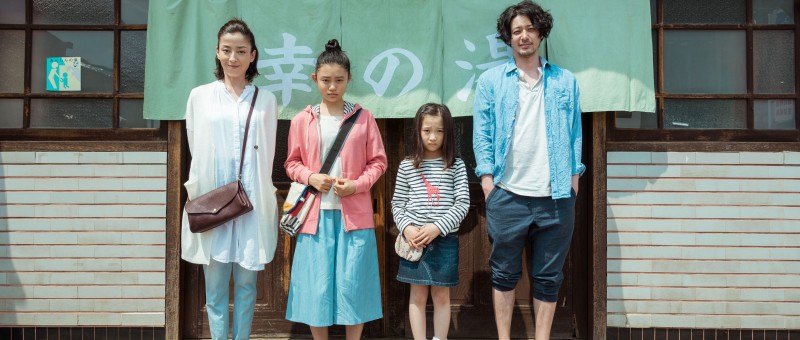
The “hahamono” or mother movie has gone out fashion in recent years. Yoji Yamada’s World War II melodrama Kabei or Keisuke Yoshida’s more contemplative examination of modern motherhood My Little Sweet Pea might be the best recent examples of this classic genre which arguably reached its golden age in the immediate post-war period with its tales of self-sacrificing mothers willing to do whatever it took to ensure the survival or prosperity of their often cold or ungrateful children. After “Capturing Dad” Ryota Nakano turns his attention to mum, or more precisely the nature of motherhood itself in a drama about family if not quite a “family drama” as a recently single mother is busy contending with financial hardship and a sullen teenage daughter when she’s suddenly caught off guard by a stage four cancer diagnosis.
Futaba (Rie Miyazawa) is an outwardly cheerful woman, the sort who’s always putting a brave face on things and faces her challenges head on, proactively and without the fear of failure. Her husband, Kazuhiro (Joe Odagiri), ran off a year ago and no one’s heard from him since. Having closed the family bathhouse Futaba works part-time at a local bakery and cares for her daughter Azumi (Hana Sugisaki) alone but when she collapses at work one day Futaba is forced to confront all those tell signs that something’s wrong she’s been too busy to pay attention to. Inevitably it’s already too late. Futaba has stage four cancer and there’s nothing to be done but Futaba is Futaba and so she has things to do while there’s still time.
Some people colour the air around them, instantly knowing how to make the world a better place for others if not quite for themselves, except by extension. Futaba is one such person – the personification of idealised maternity whose instinctual, altruistic talent for love and kindness knows no bounds or boundaries. Yet at times her love can be a necessarily tough one as she negotiates the difficult process of trying to get her shy teenage daughter to stand up to the vicious group of bullies who’ve been making her school life a misery. Faced with an accelerated timeframe, Futaba needs to teach her little girl to be an independent woman a little ahead of schedule, knowing that she won’t be around to offer the kind of love and support she’ll be needing during those difficult years of adolescence.
Not wanting to leave her entirely alone, Futaba tracks down Kazuhiro only to find he’s now the sole carer for the nine-year old daughter of the woman he left her for who may or may not be his. Futaba decides to take the pair of them in but little Ayuko is just as sullen and distanced as her older half-sister as she struggles with ambivalent emotions towards the mother who abandoned her with a “father” she hardly knew. Futaba’s big idea is to reopen the family bathhouse to be run as a family where everyone has their place and personal responsibility, working together towards a common goal and supporting each other as they inevitably grow closer.
Unlike the majority of hahamono mothers, Futaba’s love is truly boundless as she tries not only to provide for her own children but for all the neglected, lonely, and abandoned people of the world. Bonding with the little girl of the private investigator she hires to find Kazuhiko, trying to comfort Ayuko as she deals with the fact that her mother is probably never coming back, even taking in a melancholy hitchhiker whose made up backstory she instantly sees through – Futaba is the kind of woman with the instant ability to figure out where it hurts and knows what to do to make it better even if it may be harder in the short-term.
Like the majority of hahamono, however, Her Love Boils Bathwater (湯を沸かすほどの熱い愛, Yu wo Wakasu Hodo no Atsui Ai) can’t escape its inevitable tragedy as someone who’s given so much of themselves is cruelly robbed of the chance to see her labours bear fruit. Nakano reins in the sentimentality as much as possible, but it’s impossible not to be moved by Miyazawa’s nuanced performance which never allows Futaba to slip into the trap of saintliness despite her inherent goodness. She is evenly matched by relative newcomer Sugisaki in the difficult role of the teenage daughter saddled with finding herself and losing her mother at the same time while Aoi Ito does much the same with an equally demanding role for a young actress moving from sullen silence to cheerful acceptance mixed with impending grief. Yet what lingers is the light someone like Futaba casts into the world, teaching others to be the best version of themselves and then helping them pass that on in an infinite cycle of interdependence. Hers is a love of all mankind as unconditional as any mother’s, sometimes tough but always forgiving.
 The Edinburgh International Film Festival has a long and proud history of showcasing East Asian cinema and this year is no different with several high profile movies making their UK premieres in the Scottish capital.
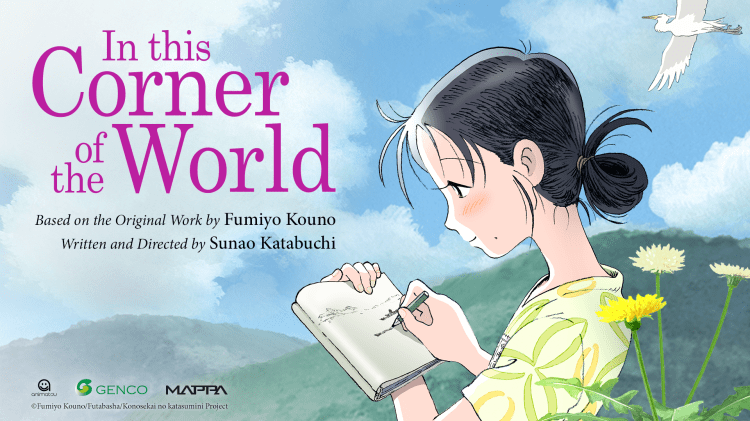 Sunao Katabuchi’s award winning animation In This Corner of the World receives its UK premiere at Edinburgh ahead of a domestic release from Animatsu. A moving historical drama, the animated feature examines the life of a woman in Hiroshima towards the end of the second world war.
 Taiwanese dark comedy crime thriller Godspeed follows the adventures of a hapless drug dealer whose plans are derailed by an encounter with a strange taxi driver.
 Needing little introduction, Okja is the latest film from Bong Joon-ho and the story of a little girl and her strange animal friend which has been kidnapped by a shady international organisation.
 Lee Sang-il reunites with Unforgiven’s Ken Watanabe and enlists an all star cast including, Kenichi Matsuyama, Aoi Miyazaki, Chizuru Ikewaki, Satoshi Tsumabuki, Go Ayano, Mirai Moriyama, and Suzu Hirose for Rage – another exploration of human darkness based on a novel by Villain’s Shuichi Yoshida. Review.
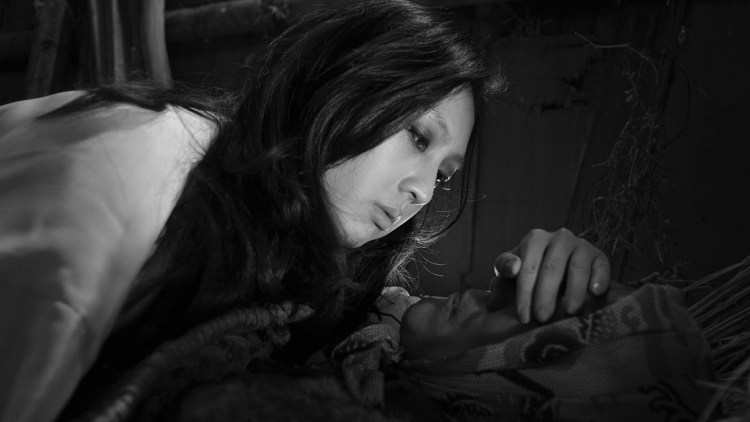 Kiki Sugino brings a modern twist to the classic tale of the Snow Woman who steals the breath of mortal men daring to spend a night in her forests only to find her icy heart melting and ultimately broken by the cruelty of human frailty.
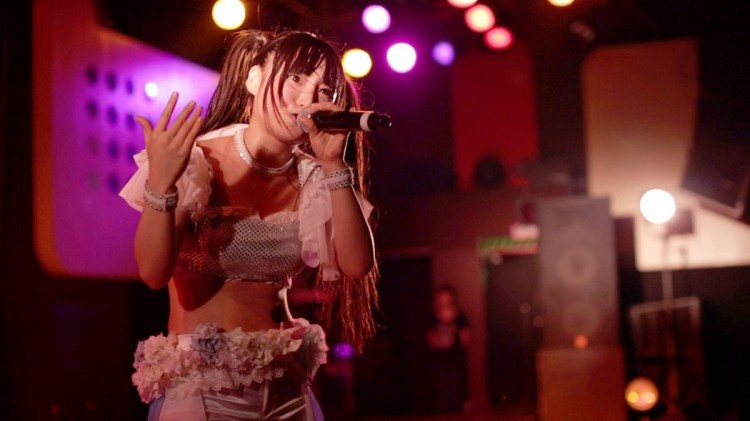 Kyoko Miyake’s documentary Tokyo Idols takes a look at the idol phenomenon as it operates within modern pop culture.
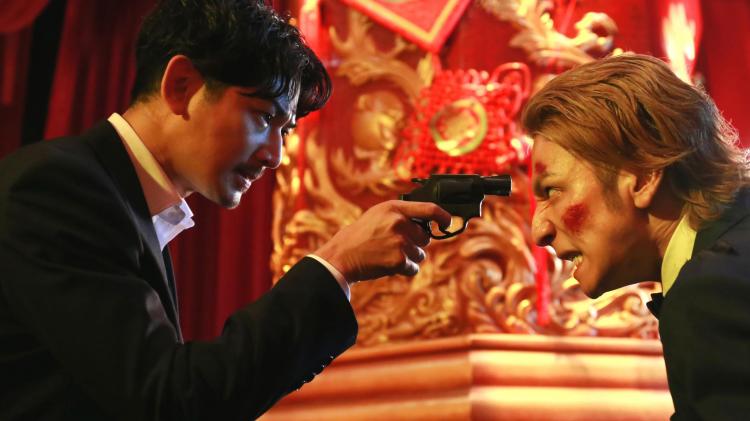 Takashi Miike never stops! Mole Song: Hong Capriccio is a sequel to the original Mole Song in which undercover cop Reiji gets himself mixed up with a yakuza and his unusual daughter.
 Playing in the Night Moves section, Dante Lam’s Operation Mekong stars Eddie Peng in an action packed crime adventure in which Chinese special forces make a daring raid into Thailand in search of a drug syndicate.
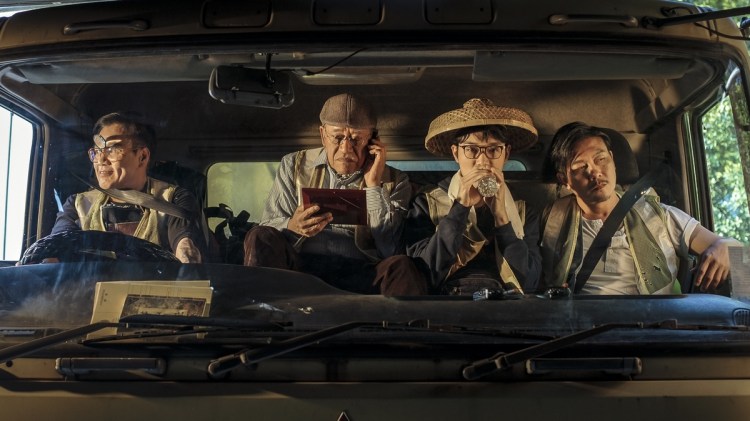 A return to the classic Hong Kong horror comedies of the past, Vampire Cleanup Department is the story of a young man who discovers he comes from a long line of vampire hunters only to fall for a rare “human type” vampire.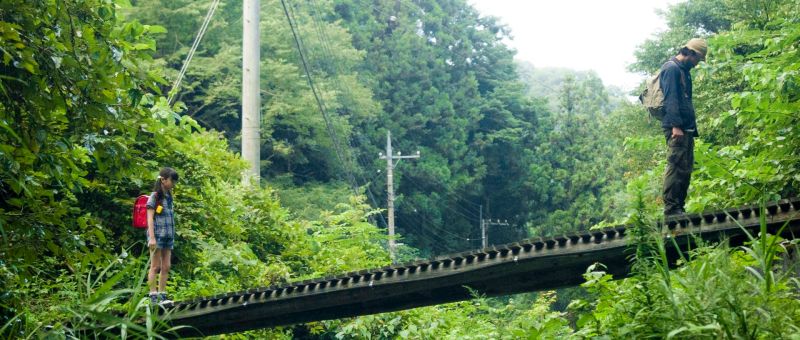
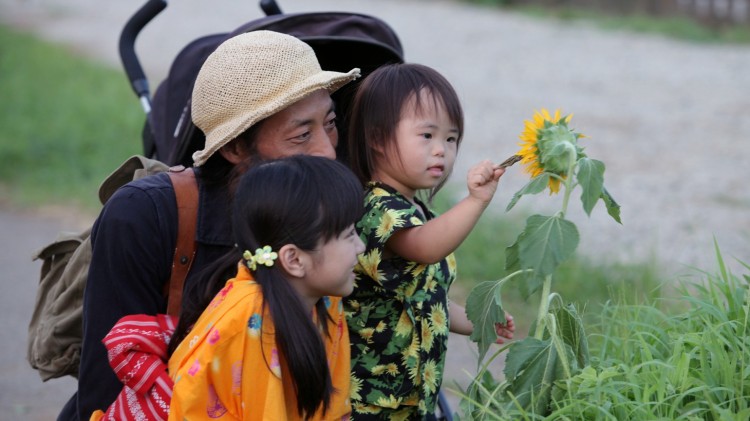 When tragedy strikes the one thing you ought to be able to rely on is your family, but when the tragedy occurs within that sacred space which exits between you what is to be done? Yosuke Takeuchi’s The Sower (種をまく人, Tane wo Maku Hito) attempts to provide an answer whilst putting one very ordinary, loving and forgiving family through a series of tests and tragedies. Lies, regret, and despair conspire to ruin the lives of four once happy people but even in the midst of such a shocking, unexpected event there is still time to turn towards the sun rather than continuing in the darkness.
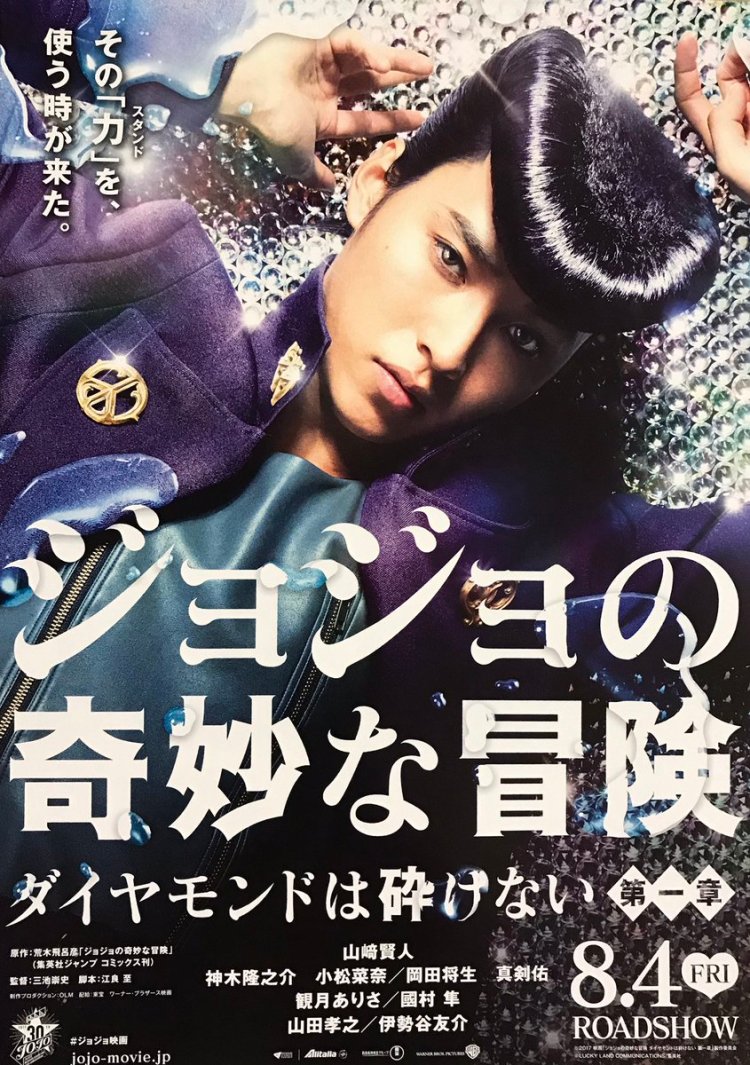 The eagerly awaited live action adaptation of Hirohiko Araki’s much-loved manga, JoJo’s Bizarre Adventure: Diamond is Unbreakable, is to make its world premiere at the 17th Neuchâtel International Fantastic Film Festival.
 Alan Lo’s Zombiology: Enjoy Yourself Tonight in which two slackers decide to do their civic duty by saving Hong Kong from the zombie apocalypse.
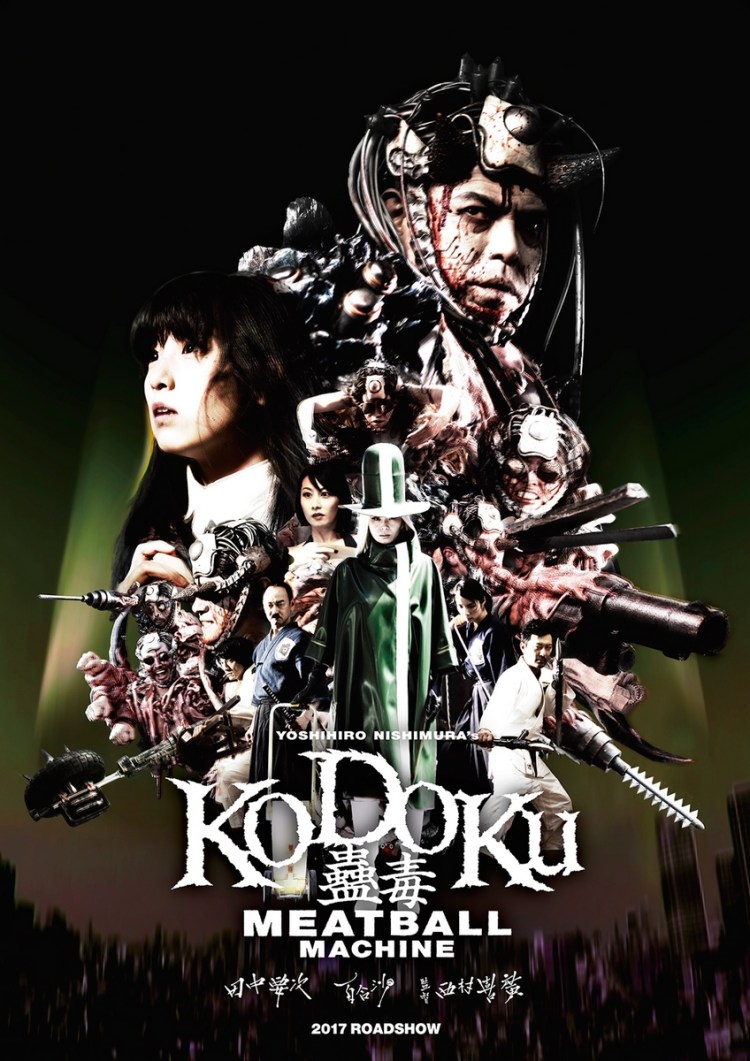 Yoshihiro Nishimura’s Meatball Machine Kudoku – the latest gore fest from this notorious director is a return to the world of 2005’s Meatball Machine in which a debt collector suffering with terminal cancer is infected by the alien necroborg virus and decides to get some revenge on a cruel and unforgiving world.
 Alex Cheung’s 1983 Shaw Brothers comedy Twinkle, Twinkle Little Star will also play in the festival’s outdoor sci-fi retrospective strand, Laughing in Space. This wacky outing stars Cherie Chung as a suicidal young woman who is later raped by space aliens but encounters two also suicidal private investigators who embrace the chance to let the world know about the alien threat as their way out of a desperate situation. Yes, this is a comedy.
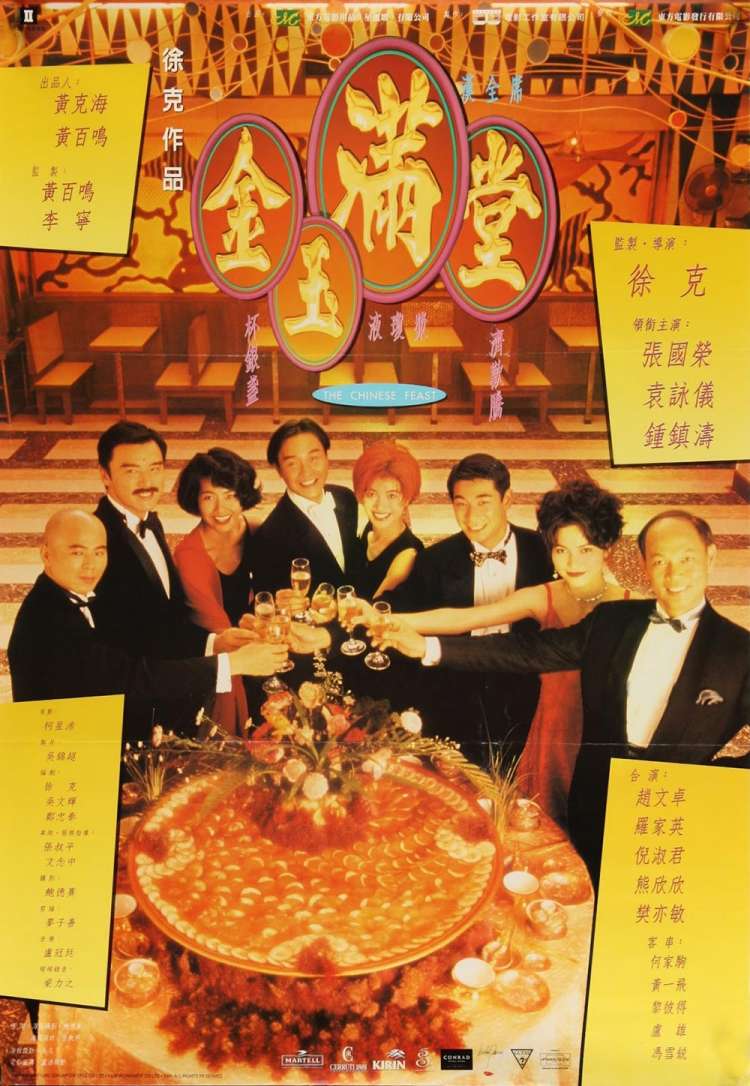 Tsui Hark’s A Chinese Feast features in a special selection of culinary films marking Neuchâtel’s nomination for the “City of Taste” 2017. Starring Leslie Cheung, A Chinese Feast is the classic Chinese New Year movie mixing food and fun for a feel good family comedy.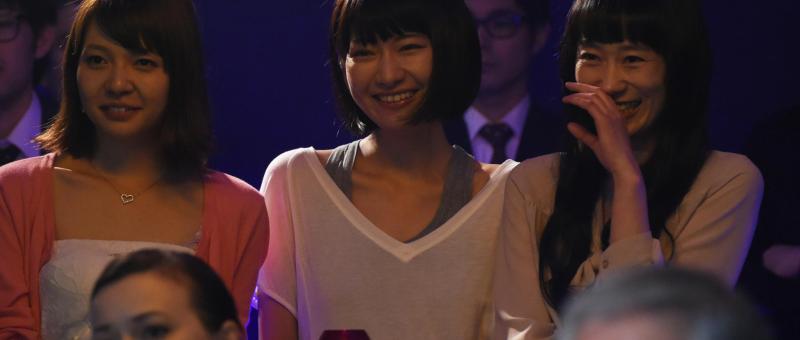
 Towards the end of the 60s and faced with the same problems as any other studio of the day – namely declining receipts as cinema audiences embraced television, Nikkatsu decided to spice up their already racy youth orientated output with a steady stream of sex and violence. The Roman Porno line took a loftier approach to the “pink film” – mainstream softcore pornography played in dedicated cinemas and created to a specific formula, by putting the resources of a bigger studio behind it with greater production values and acting talent. 40 years on Roman Porno is back. Kazuya Shiraishi’s Dawn of the Felines (牝猫たち, Mesunekotachi) takes inspiration from Night of the Felines by the Roman Porno master Noboru Tanaka but where Tanaka’s film is a raucous comedy following the humorous adventures of its three working girl protagonists, Shiraishi’s is a much less joyous affair as he casts his three lonely heroines adrift in Tokyo’s red light district.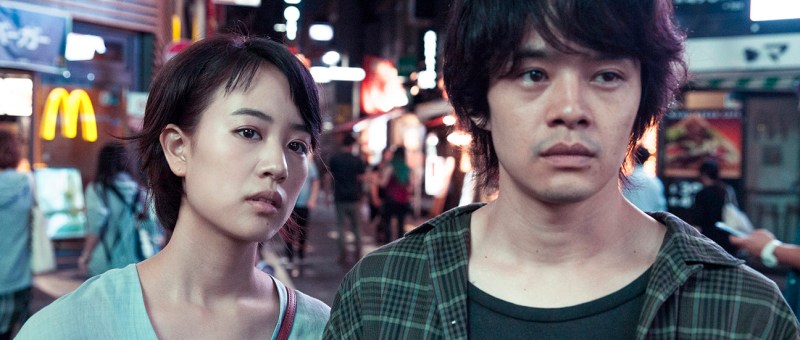
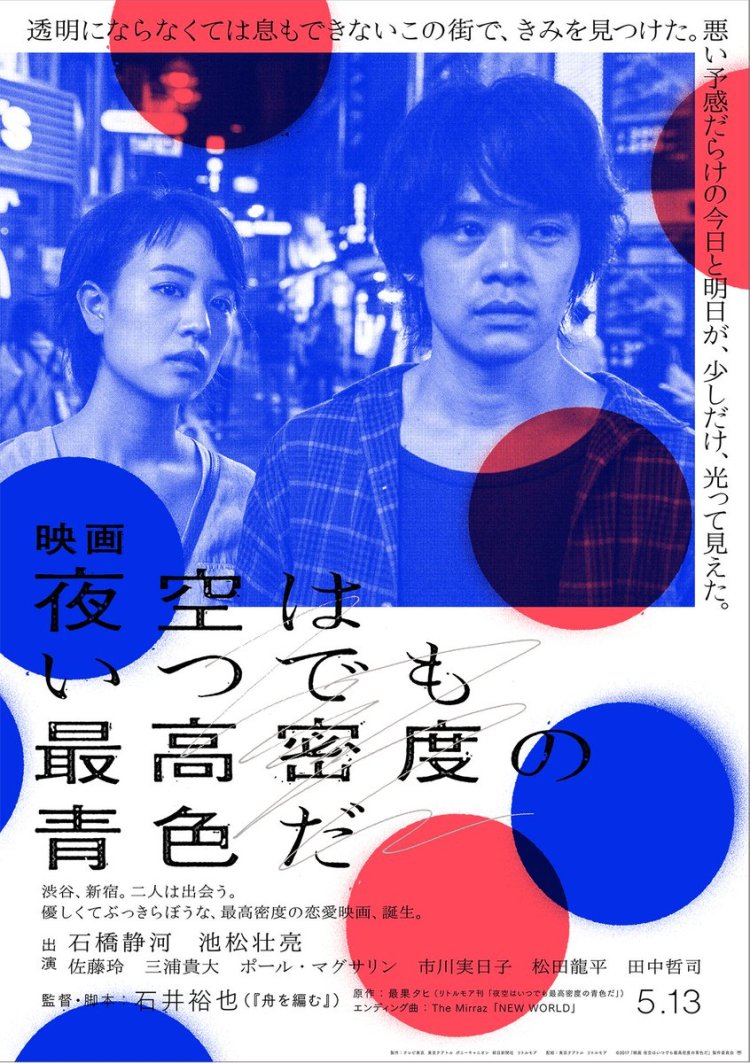 Learning to love Tokyo is a kind of suicide, according to the heroine of Yuya Ishii’s love/hate letter to the Japanese capital, The Tokyo Night Sky is Always the Densest Shade of Blue (夜空はいつでも最高密度の青色だ, Yozora wa Itsudemo Saiko Mitsudo no Aoiro da). This city is a mess of contradictions, a huge sprawling metropolis filled with the anonymous masses and at the same time so tiny you can find yourself running into the same people over and over again. Inspired by the poems of Tahi Saihate, The Tokyo Night Sky is at once a meditative contemplation of city life and an awkward love story between two lost souls who somehow find each other in its crowded backstreets.
 Generally speaking, murder mysteries progress along a clearly defined path at the end of which stands the killer. The path to reach him is his motive, a rational explanation for an irrational act. Yet, looking deeper there’s usually something else going on. It’s easy to blame society, or politics, or the economy but all of these things can be mitigating factors when it comes to considering the motives for a crime. Gukoroku – Traces of Sin (愚行録), the debut feature from Kei Ishikawa and an adaptation of a novel by Tokuro Nukui, shows us a world defined by unfairness and injustice, in which there are no good people, only the embittered, the jealous, and the hopelessly broken. Less about the murder of a family than the murder of the family, Gukoroku’s social prognosis is a bleak one which leaves little room for hope in an increasingly unfair society.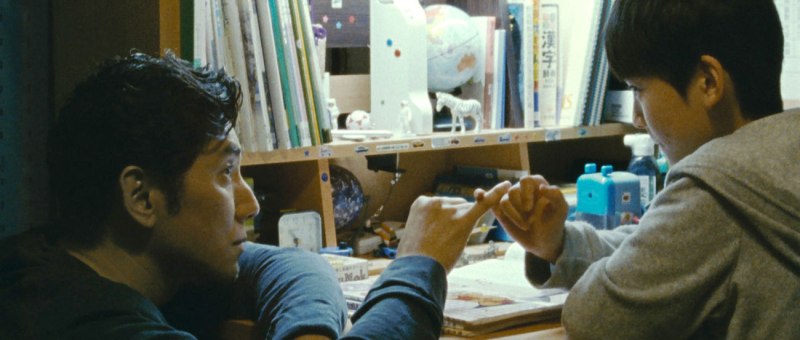
 Self disgust is self obsession as the old adage goes. It certainly seems to ring true for the “hero” of Miwa Nishikawa’s latest feature, The Long Excuse (永い言い訳, Nagai Iiwake) , in which she adapts her own Naoki Prize nominated novel. In part inspired by the devastating earthquake which struck Japan in March 2011, The Long Excuse is a tale of grief deferred but also one of redemption and self recognition as this same refusal to grieve forces a self-centred novelist to remember that other people also exist in the world and have their own lives, emotions, and broken futures to dwell on.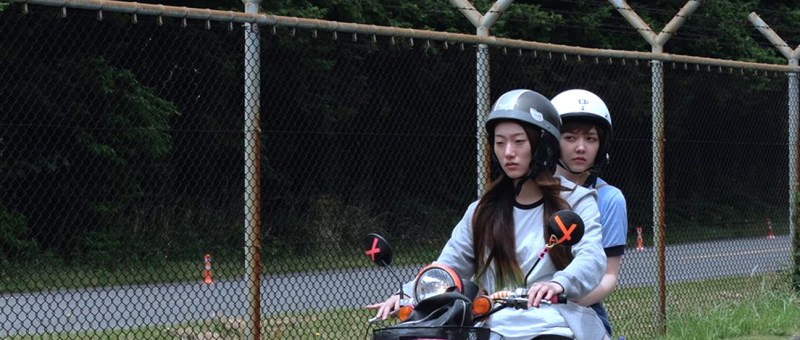
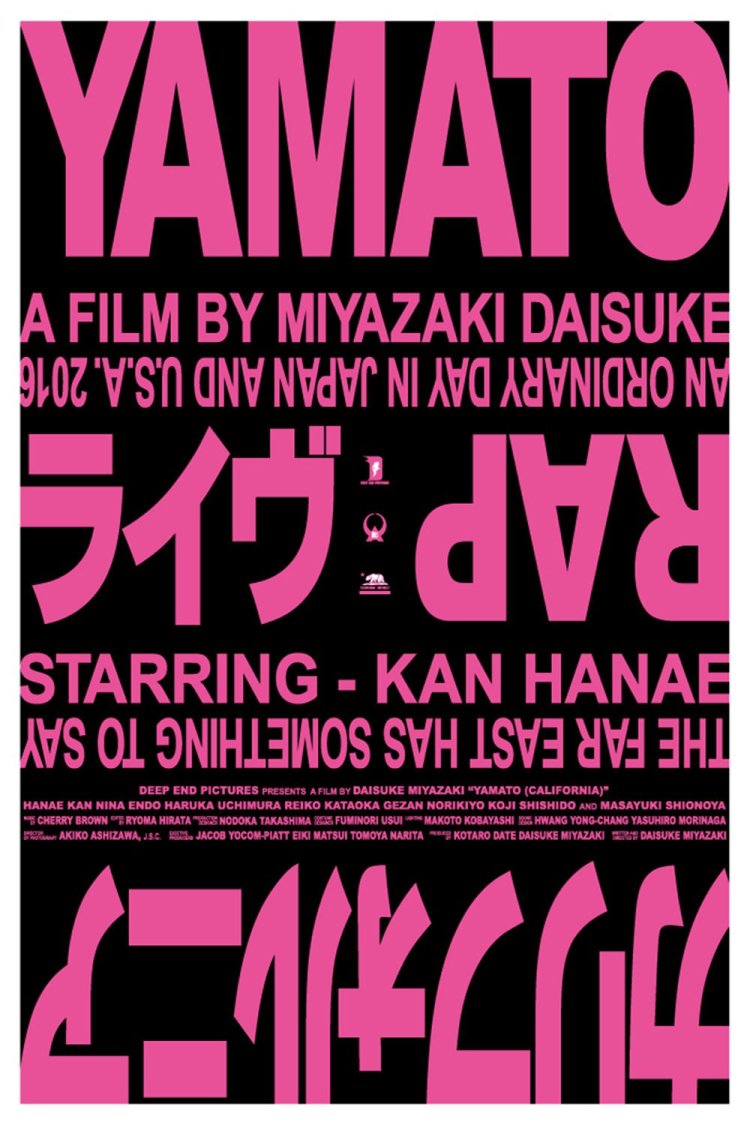 When you think of the American military presence in Japan, your mind naturally turns to Okinawa but the largest mainland US base is actually located not so far from Tokyo in a small Japanese town called Yamato which is also the ancient name for the modern-day country. The US has been a constant presence since the end of the second world war prompting resistance of varying degrees from both left and right either in resentment at perceived complicity in American foreign policy, or the desire to reform the pacifist constitution and rebuild an independent army capable of defending Japan alone. Daisuke Miyazaki’s second feature, Yamato (California) (大和(カリフォルニア) dramatises this long-standing issue through exploring the life of hip-hop enthusiast and Yamato resident Sakura (Hanae Kan) who idolises an art form born of political oppression in a country which she also feels oppresses her as a Japanese citizen living on the other side of the fence from land which technically still belongs to the US government.
 “Memories are what warm you up from the inside. But they’re also what tear you apart” runs the often quoted aphorism from Haruki Murakami. SABU seems to see things the same way and indulges an equally surreal side of himself in the sci-fi tinged Happiness (ハピネス). Memory, as the film would have it, both sustains and ruins – there are terrible things which cannot be forgotten, no matter how hard one tries, while the happiest moments of one’s life get lost among the myriad everyday occurrences. Happiness is the one thing everyone craves even if they don’t quite know what it is, little knowing that they had it once if only for a few seconds, but if the desire to attain “happiness” is itself a reason for living could simply obtaining it by technological means do more harm than good?