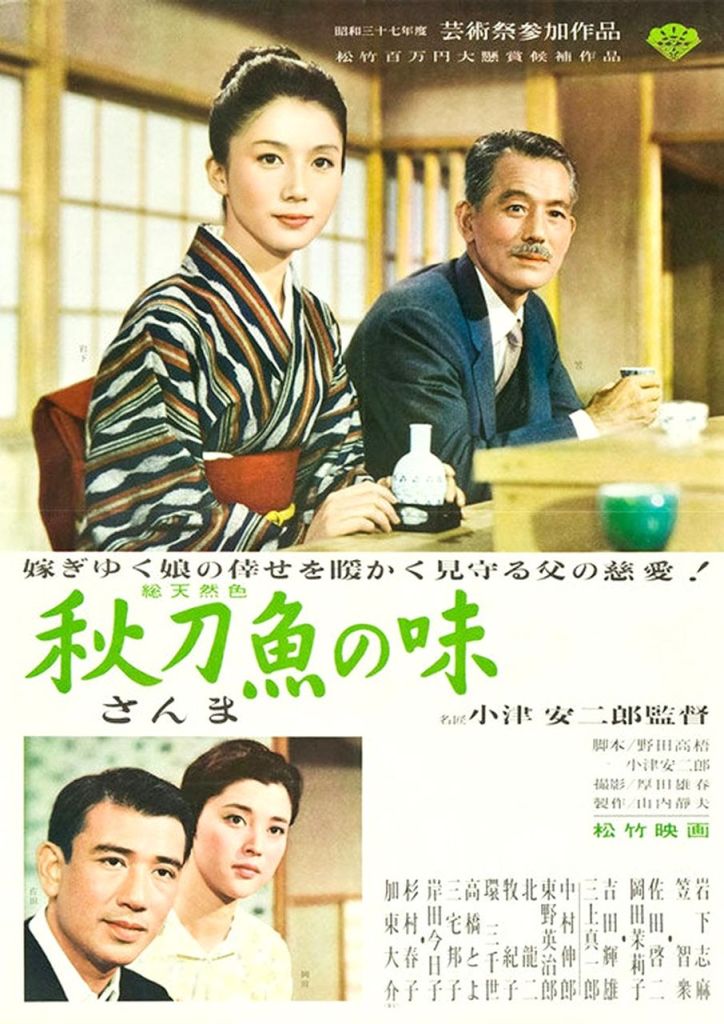
 An Autumn Afternoon (秋刀魚の味, Sanma no Aji) was to be Ozu’s final work. This was however more by accident than design – despite serious illness Ozu intended to continue working and had even left a few notes relating to a follow up project which was destined never to be completed. Even if not exactly intended to become the final point of a thirty-five year career, An Autumn Afternoon is an apt place to end, neatly revisiting the director’s key concerns and starring some of his most frequent collaborators.
Returning to the world of Late Spring, An Autumn Afternoon once again stars Chishu Ryu as an ageing father, Shuhei, though this time one with three children – the oldest, a son, married and left home, the middle one a daughter not yet married at 24, and the youngest boy still a student living at home. Michiko (Shima Iwashita), like Noriko, is devoted to the family home and has no immediate plans to marry despite the urgings of her father’s good friend who has already picked out a good prospect for an arranged marriage.
Shuhei had been content with this arrangement, after all as a 50-something man of 1962 he’s in need of someone to look after him and likes having his daughter around the house. A class reunion with some of his friends and an old teacher begins to change his mind when “The Gourd” (as the boys liked to call him) speaks somewhat unkindly of his unmarried, middle-aged daughter, later regretting that he acted selfishly in turning down marriage proposals which came her way because he wanted to keep her at home for his own upkeep. Taking the extraordinarily drunk The Gourd home, Shuhei and his friend encounter the daughter for themselves (as played by frequent Ozu collaborator Haruko Sugimura) and find her just as embittered and shrewish as The Gourd had implied. What they don’t see are her tears of heartbroken frustration at being left all alone to deal with this hopeless case of her dead drunk, elderly father.
At the end of the film, following the inevitable marriage, Shuehei retreats to a friendly bar just as the father of Late Spring had done before him though this time he goes there alone, not wanting to return to his now much quieter home before time. Whilst there the mama-san (Kyoko Kishida) for whom Shuhei has developed a fondness as something about her reminds him of his late wife, notices his attire and asks if he’s just been to a funeral. “Something like that”, he replies. Shuehei is being a little maudlin and self indulgent but what he says is almost true – he has, in a sense, lost a daughter though the Japanese way of doing things does not quite allow for the rejoinder of gaining a son.
All of this is to be expected, it is the best outcome. Time moves on and the baton passes from one generation to the next, one family is broken so that another may be created. Ozu revisited this universally tragic element of the life cycle several times throughout his career and even echoes himself in the final shots as Chishu Ryu sits with his back to the camera, less visibly shaken than in Late Spring but no less bereft. What Ozu gives us next is not the image of transience in the ebbs and flows of a stormy sea, but a parade of emptiness in which Michiko is ever present in her absence. Shuehei is not alone, he has his younger son Kazuo, but the house is now a soulless and colourless place filled with uninhabited rooms and mirrors with nothing to reflect.
In the end, life is defined by this final loneliness as children depart, setting off on a path which has to be entirely their own. The Gourd laments that he is all alone despite having, in part, destroyed his child’s chances of personal happiness in order to maintain his own, but Shuhei and his friends are also left to reflect on the same problem as fathers who’ve each successfully married off daughters only to find themselves rendered obsolete in the new family order. The times have changed, but they have not changed in this. Shuhei is left alone with his memories of youth, trying to bully his sadness into submission by humming a popular military march from his wartime glory days but the pleasures of the past are always hollow and melancholy, at best a mirage and at worst quicksand.
Ozu maintains his trademark style, mixing humour with wistful sorrow, resigned to the inherent sadness of life but determined to find the warmth there too. His sympathies, however, have shifted as he reserves a little of his bite for the modern young couple as exemplified by Shuehei’s oldest son, Koichi (Keiji Sada), and his wife (Mariko Okada) whose concerns are material (refrigerators, vacuum cleaners, handbags and golf clubs) rather than existential as they struggle to attain the “aspirational” quality of life the burgeoning post-war boom promises and have to rely on frequent “loans” from Shuehei to maintain it. The world moves on apace and leaves old sailors behind, alone and adrift on seas now much quieter than they have ever been but the peace and solitude is the sign of a life well lived and in a strange way its reward as the time slips by unhurriedly and only as painful as it needs to be.
Original trailer (no subtitles)
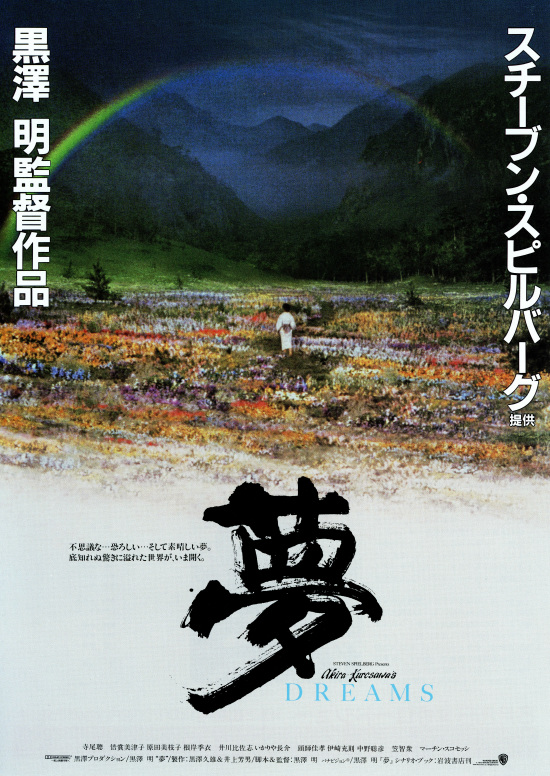 Despite a long and hugely successful career which saw him feted as the man who’d put Japanese cinema on the international map, Akira Kurosawa’s fortunes took a tumble in the late ‘60s with an ill fated attempt to break into Hollywood. Tora! Tora! Tora! was to be a landmark film collaboration detailing the attack on Pearl Harbour from both the American and Japanese sides with Kurosawa directing the Japanese half, and an American director handling the English language content. However, the American director was not someone the prestigious caliber of David Lean as Kurosawa had hoped and his script was constantly picked apart and reduced.
 Shimizu, strenuously avoiding comment on the current situation, retreats entirely from urban society for this 1941 effort, Introspection Tower (みかへりの塔, Mikaheri no Tou). Set entirely within the confines of a progressive reformatory for troubled children, the film does, however, praise the virtues popular at the time from self discipline to community mindedness and the ability to put the individual to one side in order for the group to prosper. These qualities are, of course, common to both the extreme left and extreme right and Shimizu is walking a tightrope here, strung up over a great chasm of political thought, but as usual he does so with a broad smile whilst sticking to his humanist values all the way.
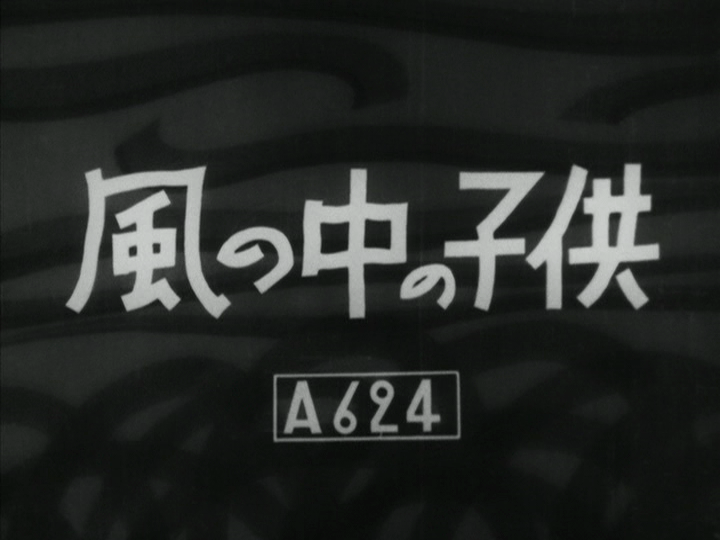 It would be a mistake to say that Hiroshi Shimizu made “children’s films” in that his work is not particularly intended for younger audiences though it often takes their point of view. This is certainly true of one of his most well known pieces, Children in the Wind (風の中の子供, Kaze no Naka no Kodomo), which is told entirely from the perspective of the two young boys who suddenly find themselves thrown into an entirely different world when their father is framed for embezzlement and arrested. Encompassing Shimizu’s constant themes of injustice, compassion and resilience, Children in the Wind is one of his kindest films, if perhaps one of his lightest.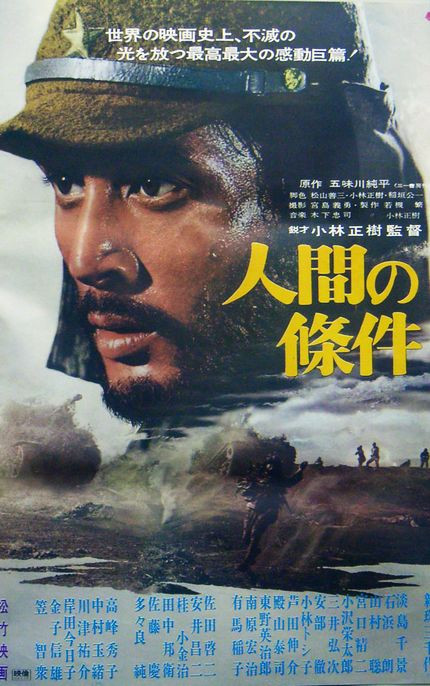
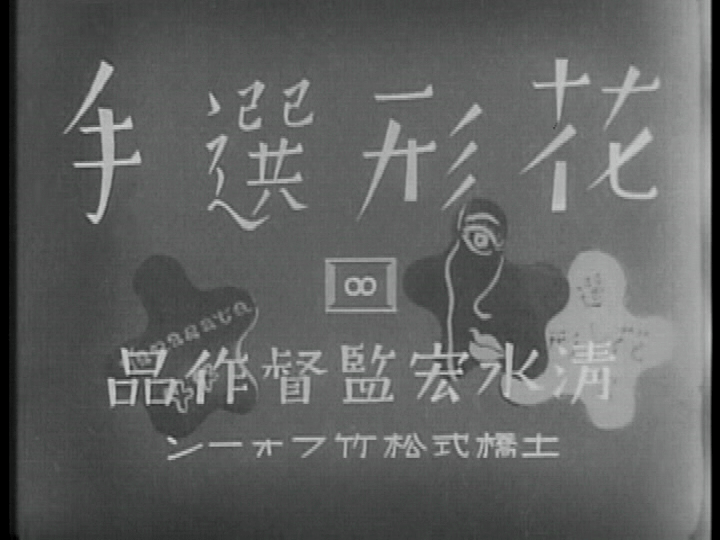 Japan in 1937 – film is propaganda, yet Hiroshi Shimizu once again does what he needs to do in managing to pay mere lip service to his studio’s aims. Star Athlete (花形選手, Hanagata senshu) is, ostensibly, a college comedy in which a group of university students debate the merits of physical vs cerebral strength and the place of the individual within the group yet it resolutely refuses to give in to the prevailing narrative of the day that those who cannot or will not conform must be left behind.
 Perhaps best known for his work with children, Hiroshi Shimizu changes tack for his 1937 adaptation of the oft filmed Ozaki Koyo short story The Golden Demon (金色夜叉, Konjiki Yasha) which is notable for featuring none at all – of the literal kind at least. A story of love and money, The Golden Demon has many questions to ask not least among them who is the most selfish when it comes to a frustrated romance.
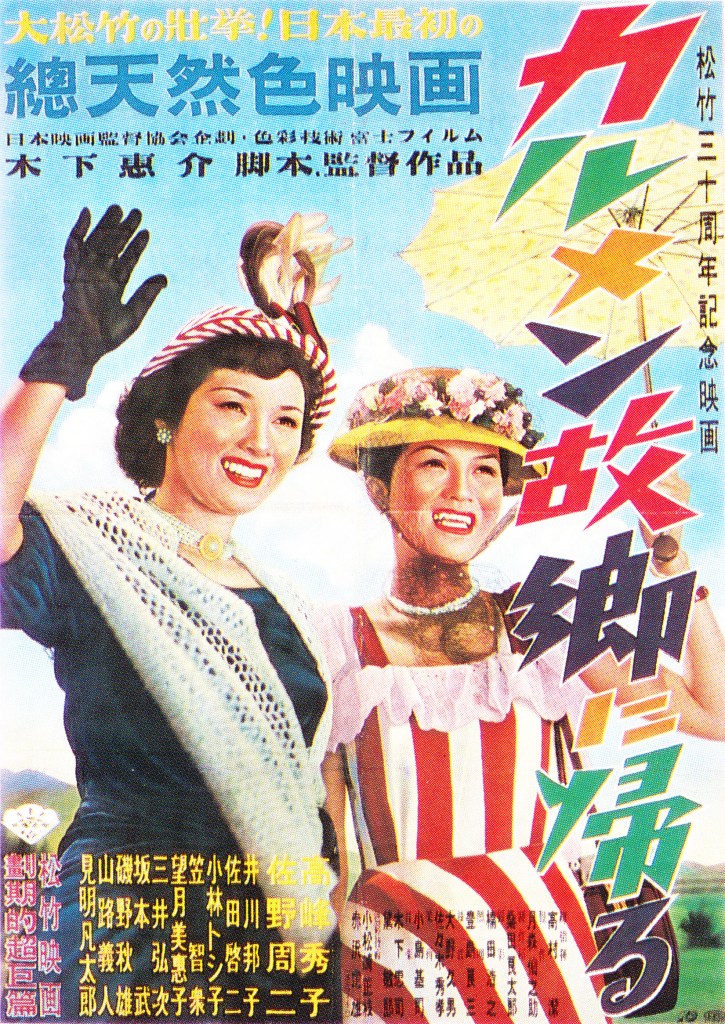 Shochiku was doing pretty well in 1951. Accordingly they could afford to splash out a little in their 30th anniversary year in commissioning the first ever full colour film to be shot in Japan, Carmen Comes Home (カルメン故郷に帰る, Carmen Kokyou ni Kaeru). For this landmark project they chose trusted director Keisuke Kinoshita and opted to use the home grown Fujicolor which has a much more saturated look than the film stocks favoured by overseas studios or those which would become more common in Japan such as Eastman Colour or Agfa. Fujicolour also had a lot of optimum condition requirements including the necessity of shooting outdoors, and so we find ourselves visiting a picturesque mountain village along with a showgirl runaway on her first visit home hoping to show off what a success she’s made for herself in the city.
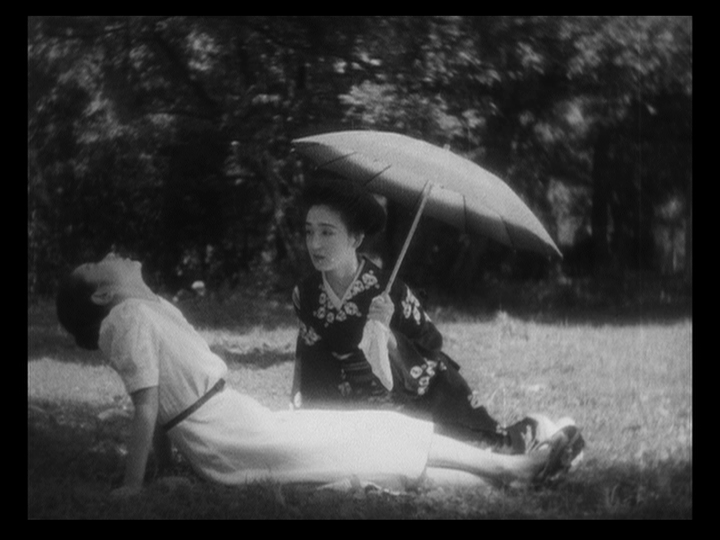 Shimizu goes on holiday! Again! Actually, when you think about it going on holiday is always inherently sad because just like everything else holidays end and you have to return to whatever it was that made you want to go on holiday in the place only with the painful reminder that a more cheerful world exists and you’re no longer in it. That rather depressing preamble out of the way, it’s time to join the temporary residents of a small hot springs resort in the picturesque countryside where a mislaid hairpin is about to kickstart a series of mini epiphanies in the diverse collection of guests.
 After Japan was defeated and later occupied by the Americans, there came the painstaking exercise of examining what exactly had happened during the conflict and assessing is who, if anyone, could be held accountable for any wrongdoing. The so called “war criminals” were divided into classes according to the severity of their crimes with Tojo himself at the top who eventually paid with his life. However, many of the men who were given the same Class A rating were just rank and file soldiers who had been “following orders”, often because they feared for their own lives if they refused. The debut directorial effort from writer Shinobu Hashimoto who provided scripts for some of Akira Kurosawa’s most famous works, I Want to be a Shellfish (私は貝になりたい, Watashi wa Kai ni Naritai), examines just one of these tragically absurd cases.
