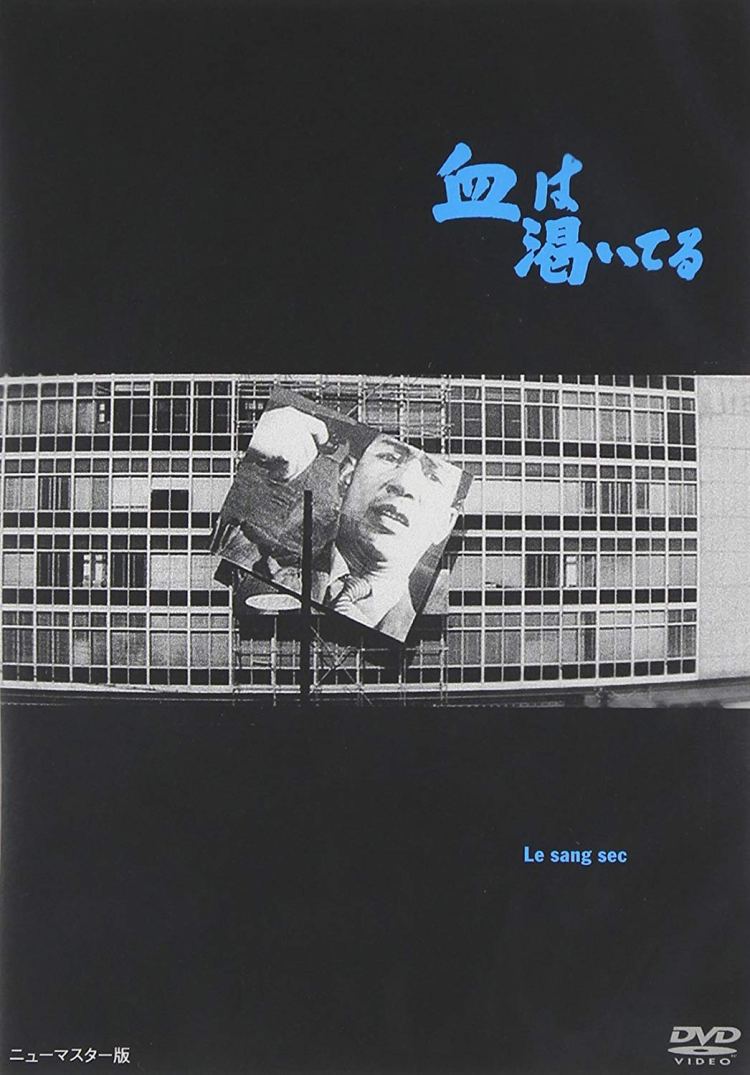
 In the new post-war economy, everything is for sale including you! Kiju (Yoshishige) Yoshida’s second feature Blood is Dry (血は渇いてる, Chi wa Kawaiteru) takes its cues from Yasuzo Masumura’s earlier Technicolor corporate satire Giants and Toys, and Frank Capra’s 1941 comedy Meet John Doe in taking a faceless corporate drone and giving him a sense of self only through its own negation. The little guy is at the mercy not only of irresponsible capitalist fat cats, but of his own imagination and the machinations of mass media who are only too keen to sell him impossible dreams of individual happiness.
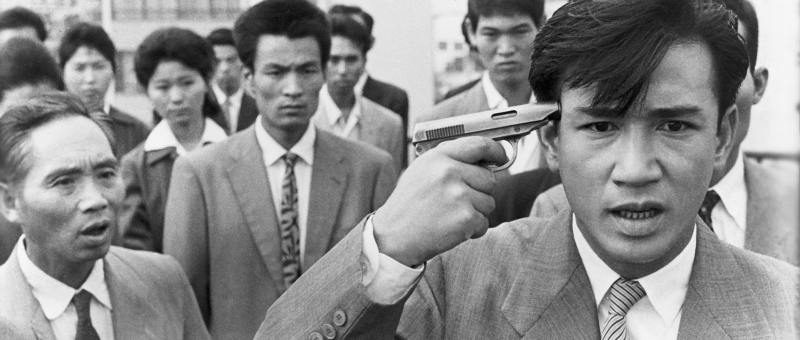
The action opens with a grandstanding rooftop speech from a former CEO to his distressed workforce informing them that because of “indifferent capitalism” this small business is going bust and everyone’s out of a job. Then, dramatically, our hero Kiguchi (Keiji Sada), steps out with a pistol and threatens to shoot himself, proclaiming that he no longer cares for his own life but doesn’t want anyone else to lose their job. Another worker, Kanai (Masao Oda), tackles Kiguchi and the gun goes off. Thankfully, he is only mildly wounded but Kiguchi’s case reaches the papers who make it into a human interest issue exemplifying the precarious economic conditions of the modern society. While he’s still somewhat current, an enterprising advertising executive hits on the idea of getting Kiguchi to act as the face of their campaign, bizarrely attempting to sell life insurance with the image of a man putting a gun to his head while proclaiming that “it’s high time everyone is happy”.
When we first meet him, Kiguchi is indeed a faceless, broken man at the end of his tether. His noble sacrifice is interpreted as an act of war on an unfair capitalist society, but as he later affirms in exasperation, Kiguchi had no political intent and never considered himself as acting with a greater purpose, he was simply terrified at the prospect of losing his job which is, in a sense, also his entire identity. Shy and mild-mannered, he stammers through speeches and curls himself into a hostile ball of awkwardness in front of the camera but ad exec Nonaka (Mari Yoshimura) is sure that only makes him a better sell for being “real” and relatable. Like the hero of Meet John Doe, however, Kiguchi starts to buy into his own hype. He fully embraces his role as the embodiment of the everyman, at once gaining and losing an identity as he basks in the unexpected faith of his adoring populace.
Kiguchi’s conversion wasn’t something Nonaka had in mind and it frightens her to realise she has lost control of her creation. Meanwhile, Nonaka’s ex, a paparazzo with a penchant for setting up celebrities in compromising situations in order to blackmail them, has it in for Kiguchi as the personification of his own dark profession. He resents the idea of using “suicide” as a marketing tool and the cynical attempt to sell the idea of happiness through the security of life insurance which, it has to be said, is a peculiarly ironic development.
Kiguchi’s liberal message of happiness and solidarity does not go down well with all – he’s eventually attacked in a taxicab by a right-wing nationalist posing as a reporter who accuses him of being a traitor to Japan, and it’s certainly not one which appeals to the forces which created him. Nevertheless, he does begin to capture something of the spirit of the man in the street who just wants to be “happy” only to have his message crushed when his image is tarnished by tabloid shenanigans and left wondering if the only way to reclaim his “artificial” identity is to once again destroy himself in sacrifice to his new ideal.
Yet Kiguchi’s motivation is both collectivist and individual as he claims and abandons his identity in insisting that he belongs to the people. His confidence is born only of their belief in him and without it he ceases to exist. Kiguchi’s entire identity has been an artificial creation with an uncertain expiry date and his attempts to buy it authenticity only damn him further while his actions are once again co-opted by outside forces for their own aims. The little guy has achieved his apotheosis into a corporate commodity leaving the everyman firmly at the mercy of his capitalist overlords, dreaming their dreams of consumerist paradise while shedding their own sense of self in service of an illusionary conception of “happiness”.
Original trailer (no subtitles)


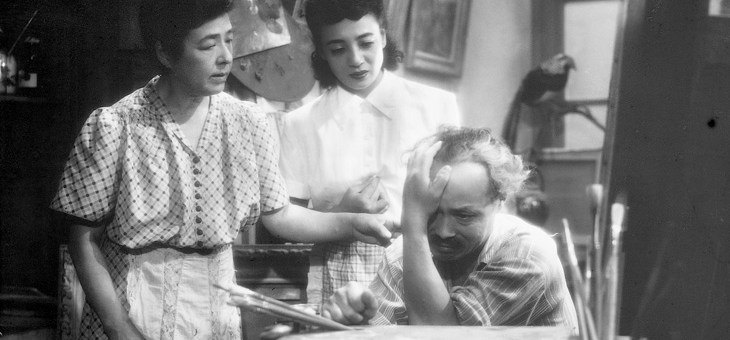

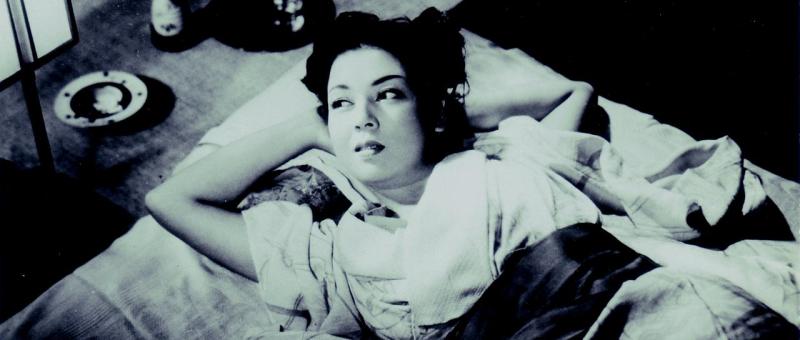
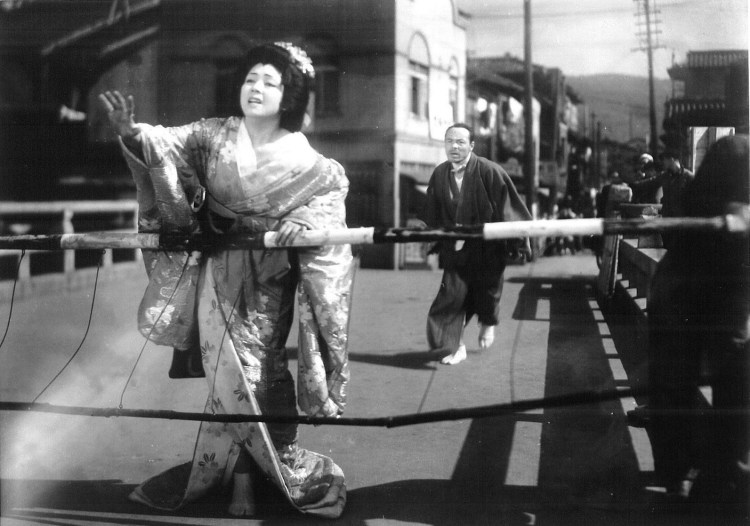
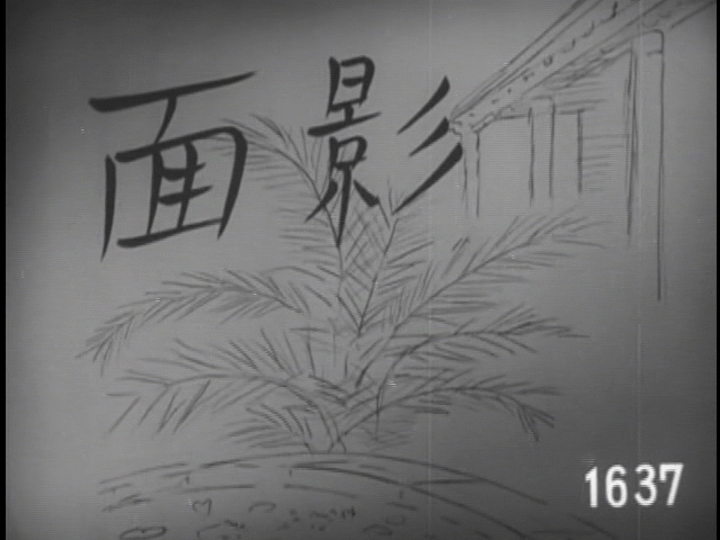 Master of the shomingeki, Heinosuke Gosho goes upscale for the post-war romantic melodrama, Vestige (面影, omokage), even if he goes out of his way to add a layer of expressionistic imagery. Inspired by Gosho’s own experiences, Vestige has an air of melancholy and of frustrated dreams but also of resignation as the two not quite lovers at the centre agree to quell their romantic yearnings and preserve their conventional, bourgeois lives at the expense of greater happiness.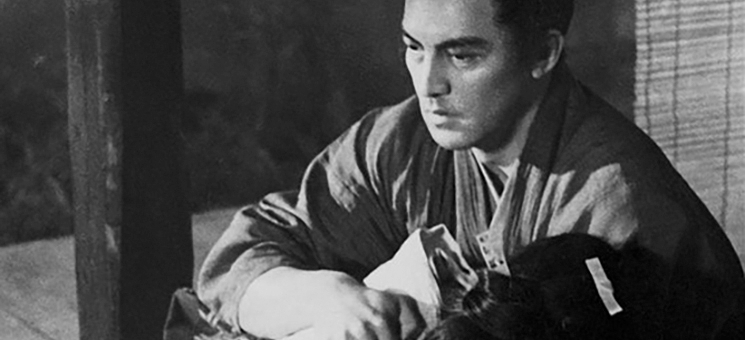
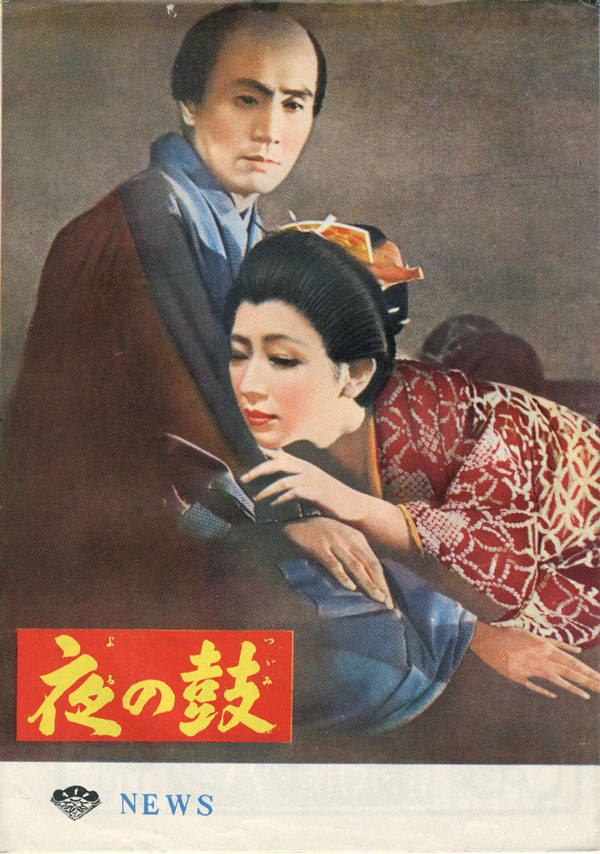
 Junichiro Tanizaki is widely regarded as one of the major Japanese literary figures of the twentieth century with his work frequently adapted for the cinema screen. Those most familiar with Kon Ichikawa’s art house leaning pictures such as war films The Burmese Harp or Fires on the Plain might find it quite an odd proposition but in many ways, there could be no finer match for Tanizaki’s subversive, darkly comic critiques of the baser elements of human nature than the otherwise wry director. Odd Obsession (鍵, Kagi) may be a strange title for this adaptation of Tanizaki’s well known later work The Key, but then again “odd obsessions” is good way of describing the majority of Tanizaki’s career. A tale of destructive sexuality, the odd obsession here is not so much pleasure or even dominance but a misplaced hope of sexuality as salvation, that the sheer force of stimulation arising from desire can in some way be harnessed to stave off the inevitable even if it entails a kind of personal abstinence.
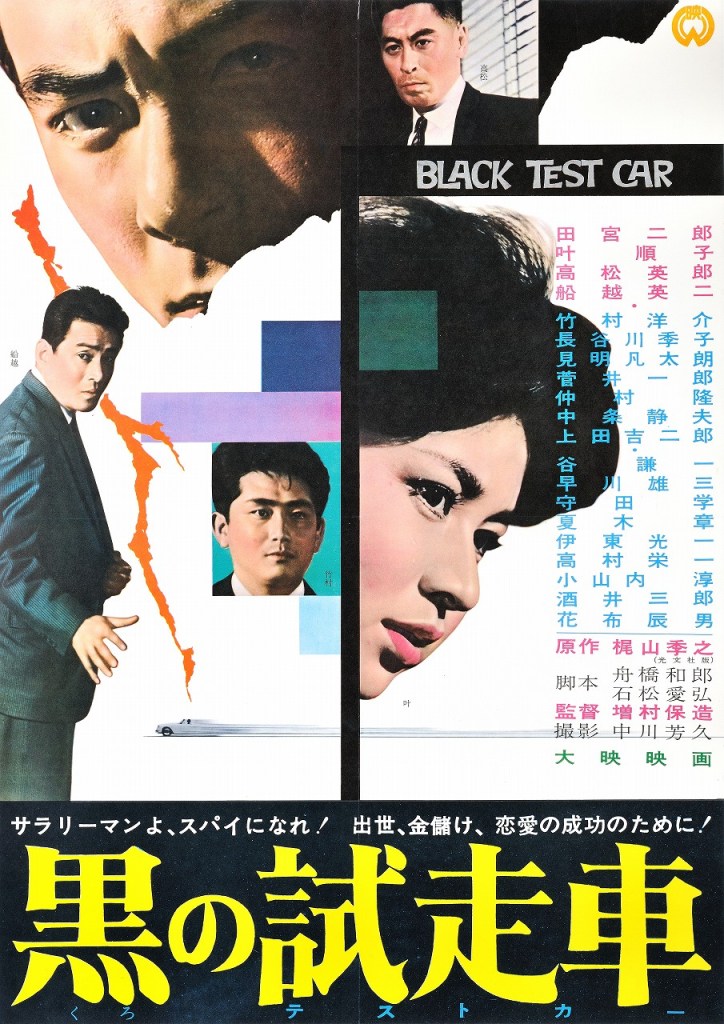 The automobile business is a high stakes game. Do you want to play faster, shinier and sleeker, or safer, family friendly and reliable? Family cars are the best sellers – everyone one wants something that’s reliable for getting to work every morning, getting the grocery shopping done and that you won’t worry about taking your kids to the park in. However, it’s the 1960s and lifestyles are shifting, men (in particular) are marrying later and they want to have fun before they do – hence having quite a lot of disposable income they can blow on a flashy two-seater sports car with no wife to complain about it. Tiger have just finished a new prototype called the Pioneer they plan to launch as a revolution in commercial sports cars which is super speedy but with the convenience of an everyday sedan. However, the Yamato company are also set to launch a new car and it keeps looking suspiciously like the Pioneer – does Tiger have a mole?
 Bunraku playwright Chikamatsu Monzaemon had a bit of a thing about double suicides which feature in a number of his plays. Though these legends of lovers driven into the arms of death by a cruel and unforgiving society are common across the world, they seem to have taken a particularly romantic route in Japanese drama. Brought to the screen by the great (if sometimes conflicted) champion of women’s cinema Kenji Mizoguchi, The Crucified Lovers (近松物語, Chikamatsu Monogatari) takes its queue from one such bunraku play and tells the sorry tale of Osan and Mohei who find themselves thrown together by a set of huge misunderstandings and subsequently falling headlong into a forbidden romance.
 Windows on Worlds