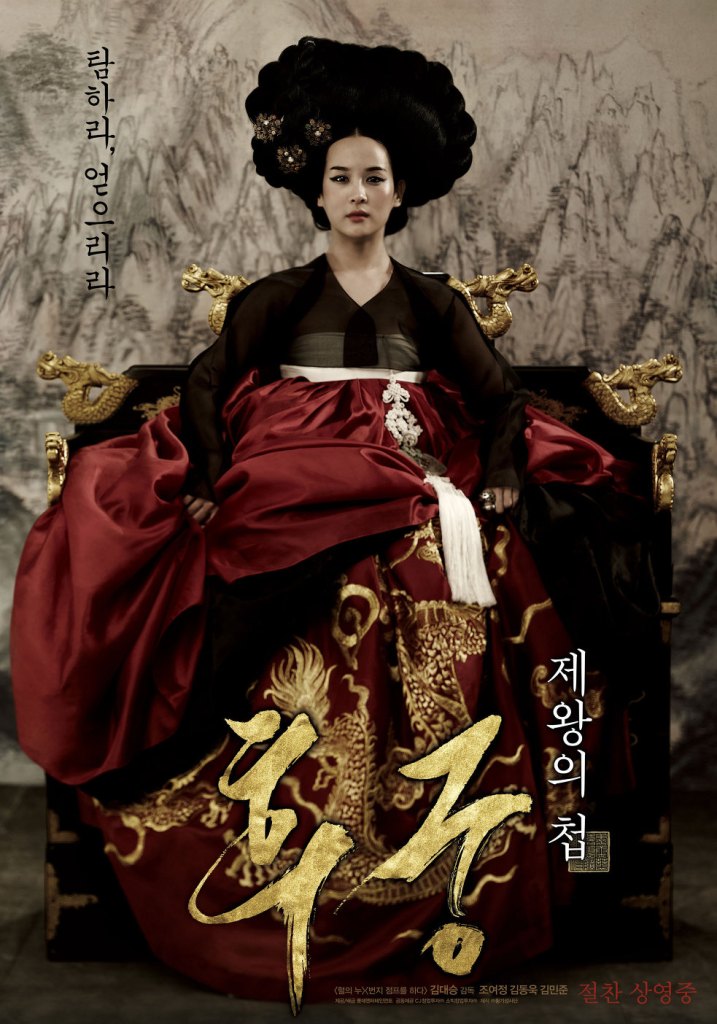
 You can become the King of all Korea and your mum still won’t be happy. So it is for poor Prince Sungwon (Kim Dong-wook) who becomes accidental Iago in this Joseon tale of betrayal, cruelty, and love turning to hate in the toxic environment of the imperial court – Kim Dae-seung’s The Concubine (후궁: 제왕의 첩, Hugoong: Jewangui Chub). Power and impotence corrupt equally as the battlefield shifts to the bedroom and sex becomes weapon and currency in a complex political struggle.
Prince Sungwon first catches sight of official’s daughter Hwa-yeon (Cho Yeo-jeong) after a hunting party and develops a dangerous attraction to her. His possessive parent, the Queen Mother (Park Ji-young), finds this worrying and manoeuvres to take Hwa-yeon out of the picture by having her brought to court as a concubine of the king. Hwa-yeon, however, has a love of her own in the roguish hanger-on Kwon-yoo (Kim Min-jun) and is willing to risk her life by defying the imperial orders and running away with him. The pair consummate their union but are discovered at first light whereupon Hwa-yeon agrees to go to court on the condition Kwon-yoo’s life is spared.
Some years later, Hwa-yeon is the reigning queen as the mother of the sickly king’s only son but her life becomes considerably more complicated when the king dies in mysterious circumstances. Power passes back to the Queen Mother who puts her son, Sungwon, on the throne, making Hwa-yeon and the young prince direct threats to her power base. Sungwon is still in love with Hwa-yeon but his mother forbids him from pursuing her. Forbidding is something his mother does quite a lot of, and it’s not long before Sungwon becomes frustrated with his lack of real power. Matters come to a head when Kwon-yoo also resurfaces as a eunuch at the imperial court.
The imperial court is a golden prison and a world in itself. Once entered, it cannot be escaped. Everyone is vying for power but no one really has any. The king’s ill health and lack of a direct heir has left him dangerously vulnerable and the Queen Mother in a position of unusual strength. If one thing is clear, it’s that she has had to play a long game to get here, done terrible things in the name of power or self preservation, and will stop at nothing to make sure she remains on top.
The Queen Mother’s ascendency is contrasted with Hwa-yeon’s fall as she finds herself forced into the court against her will. Realising her total lack of agency as the court ladies are instructed to obey protocol in undressing her for the bath rather than allowing her to undress herself, Hwa-yeon exclaims that she has no right to her own body. Hwa-yeon’s body is, now, imperial property to be used and abused by the king for his pleasure and his alone. However, the Queen Mother may have met her match in the steely and intelligent politician’s daughter who seems just as well equipped to play the game as she is.
Much has been made of the sexual content of The Concubine which was largely sold on its titillating qualities. However, even if the adult content is frank it is far from erotic as sex becomes a tool of control and manipulation – one of the few available to the subjugated women of the court environment. Aside from the first love scene between Hwa-yeon and her true love, Kwon-yoo (which is perhaps the least direct), none of the subsequent scenes is fully consensual, each a part of a wider scheme or courtly ritual. Rather than an expression of love or intimacy, sex is an act of mutual conquest in which each side, essentially, loses.
Sungwon finds himself powerless both politically and romantically, unable to wrest power away from his controlling mother or win the heart of the already brutalised Hwa-yeon. A prisoner of his own circumstances, Sungwon’s increasing feelings of impotence manifest in violence and erratic behaviour as his obsession with Hwa-yeon borders on madness. Far from a liberation, Sungwon’s sex life is, in a sense literally, dictated as his ritualised consummation of marriage is conducted in front of an audience shouting out commands from behind screen doors who eventually criticise him for his lack of stamina. Kwon-yoo has been robbed of his ability to engage in this game and his desire for revenge is intense yet he will have to take it from the shadows by stealth if at all.
Director Kim Dae-seung manages the intrigue well in crafting the intensely claustrophobic environment of the oppressive court whilst ensuring motivations and desires remain crystal clear. There are no winners here even if there is a reigning champion claiming the throne. The cycle of violence and manipulation seems set to continue as even those who entered as innocents leave with blood on their hands, having become the very thing they fought so hard against. Often beautifully shot with opulent production values, The Concubine is an ice cold thriller in which desire competes with reason but rarely, if ever, with love.
Original trailer (no subtitles)
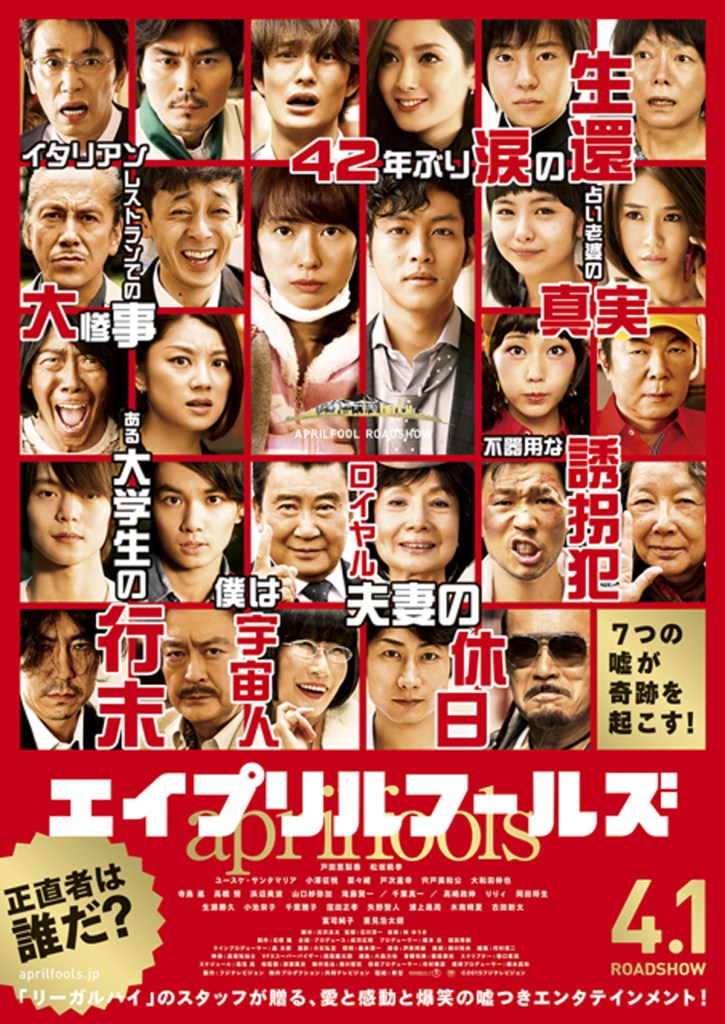 In this brand new, post truth world where spin rules all, it’s important to look on the bright side and recognise the enormous positive power of the lie. 2015’s April Fools (エイプリルフールズ) is suddenly seeming just as prophetic as the machinations of the weird old woman buried at its centre seeing as its central message is “who cares about the truth so long as everyone (pretends) to be happy in the end?”. A dangerous message to be sure though perhaps there is something to be said about forgiving those who’ve misled you after understanding their reasoning. Or, then again, maybe not.
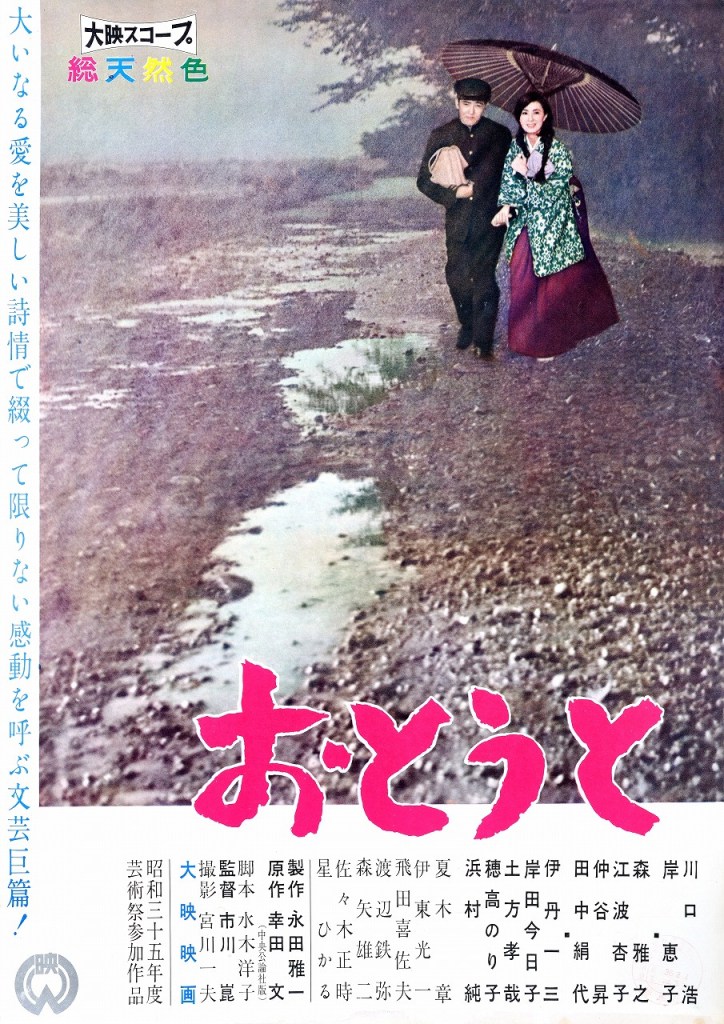 Perhaps oddly for a director of his generation, Kon Ichikawa is not particularly known for family drama yet his 1960 effort, Her Brother (おとうと, Ototo), draws strongly on this genre albeit with Ichikawa’s trademark irony. A Taisho era tale based on an autobiographically inspired novel by Aya Koda, Her Brother is the story of a sister’s unconditional love but also of a woman who is, in some ways, forced to sacrifice herself for her family precisely because of their ongoing emotional neglect.
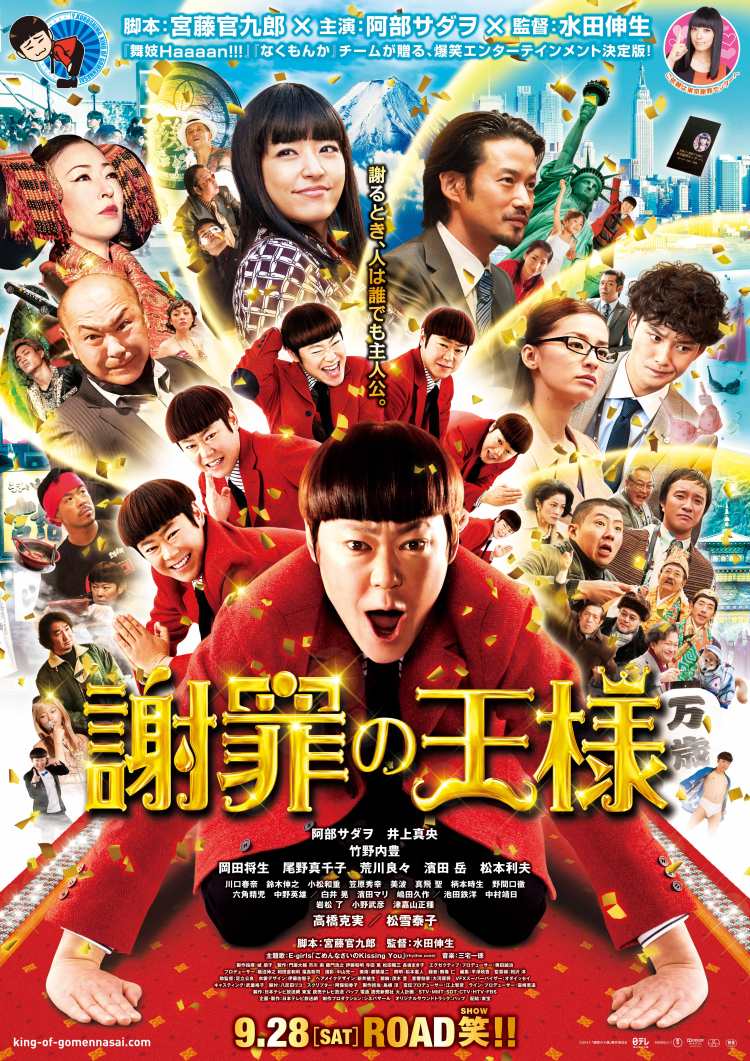 There are few things in life which cannot at least be improved by a full and frank apology. Sometimes that apology will need to go beyond a simple, if heart felt, “I’m Sorry” to truly make amends but as long as there’s a genuine desire to make things right, it can be done. Some people do, however, need help in navigating this complex series of culturally defined rituals which is where the enterprising hero of Nobuo Mizuta’s The Apology King (謝罪の王様, Shazai no Ousama), Ryoro Kurojima (Sadao Abe), comes in. As head of the Tokyo Apology Centre, Kurojima is on hand to save the needy who find themselves requiring extrication from all kinds of sticky situations such as accidentally getting sold into prostitution by the yakuza or causing small diplomatic incidents with a tiny yet very angry foreign country.
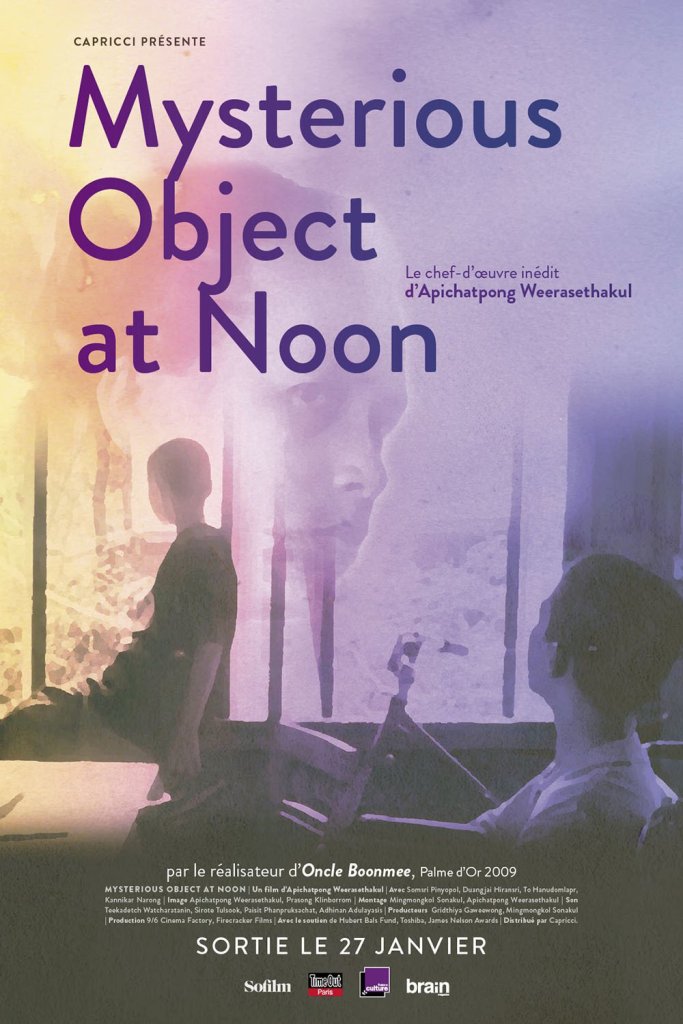 Apichatpong Weerasethakul started as he meant to go on with his debut feature, straddling the borders between art film and surrealist exercise. A cinematic riff on the classic “exquisite corpse” game, Mysterious Object at Noon (ดอกฟ้าในมือมาร, Dokfa Nai Meuman) is equal parts neorealist odyssey and commentary on the human need for constructed narrative (something which the film itself consistently rejects). Shot in a grainy black and white, Apitchatpong’s first effort was filmed over three years travelling the length of the country from North to South inviting everyone from all walks of life to contribute something to the ongoing and increasingly strange brand new oral history.
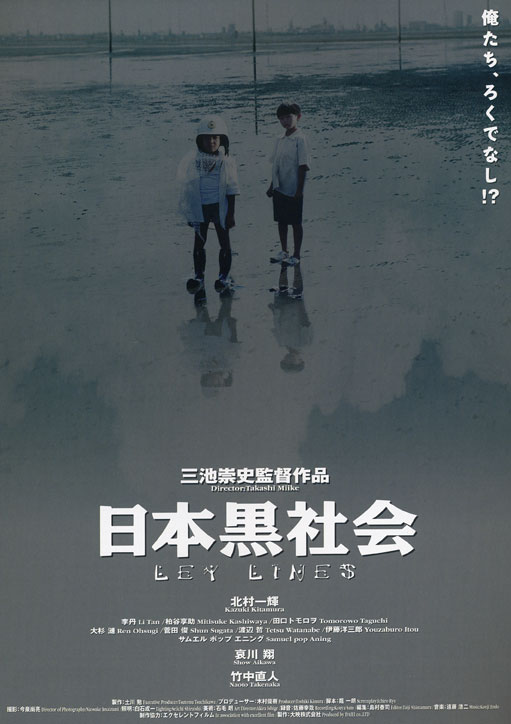 The three films loosely banded together under the retrospectively applied title of the Black Society Trilogy are not connected in terms of narrative, characters, tone, or location but they do all reflect on attitudes to foreignness, both of a national and of a spiritual kind. Like Tatsuhito in the first film,
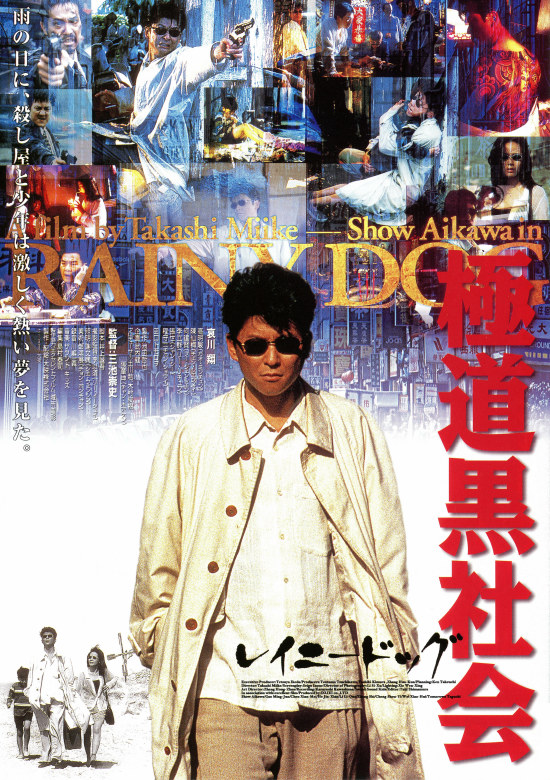 They say dogs get disorientated by the rain, all those useful smells they use to navigate the world get washed away as if someone had suddenly crumpled up their internal maps and thrown them in the waste paper bin. Yuji (Show Aikawa), the hero of Rainy Dog (極道黒社会, Gokudo Kuroshakai) – the second instalment in what is loosely thought of as Takashi Miike’s Black Society Trilogy, appears to be in a similar position as he hides out in Taipei only to find himself with no home to return to. Miike is not generally known for contemplative mood pieces, but Rainy Dog finds him feeling introspective. A noir inflected, western inspired tale of existential reckoning, this is Miike at his most melancholy but perhaps also at his most forgiving as his weary hitman lays down his burdens to open his heart only to embrace the cold steel of his destiny rather than the warmth of his redemption.

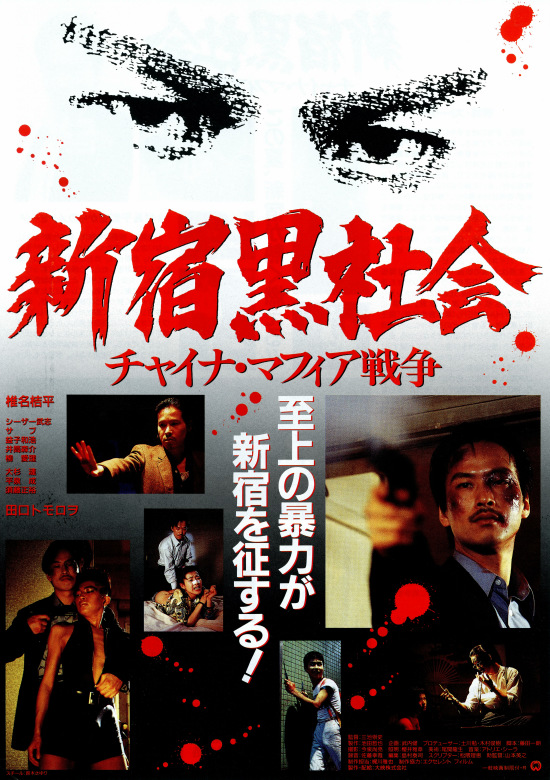 These days Takashi Miike is known as something of an enfant terrible whose rate of production is almost impossible to keep up with and regularly defies classification. Pressed to offer some kind of explanation to the uninitiated, most will point to the unsettling horror of
 Lav Diaz is many things but he’s not especially known for his brevity. Elegy to the Visitor From the Revolution (Elehiya Sa Dumalaw Mula Sa Himagsikan) is something of a departure in that regard as it runs a scant eighty minutes but is, nevertheless, imbued with the director’s constant themes of loss, melancholy and despair conveyed across a tripartite structure peopled by three very different yet interconnected sets of characters. To say “only” eighty minutes long, yet Elegy to the Visitor From the Revolution first began as a one minute short, intended to form a part of Nikalexis.MOV – an omnibus dedicated to the memory of film critics Alexis Tioseco and Nika Bohinc tragically killed during a home invasion. Diaz’ film, however, outgrew its origins to become a stand alone feature in its own right.
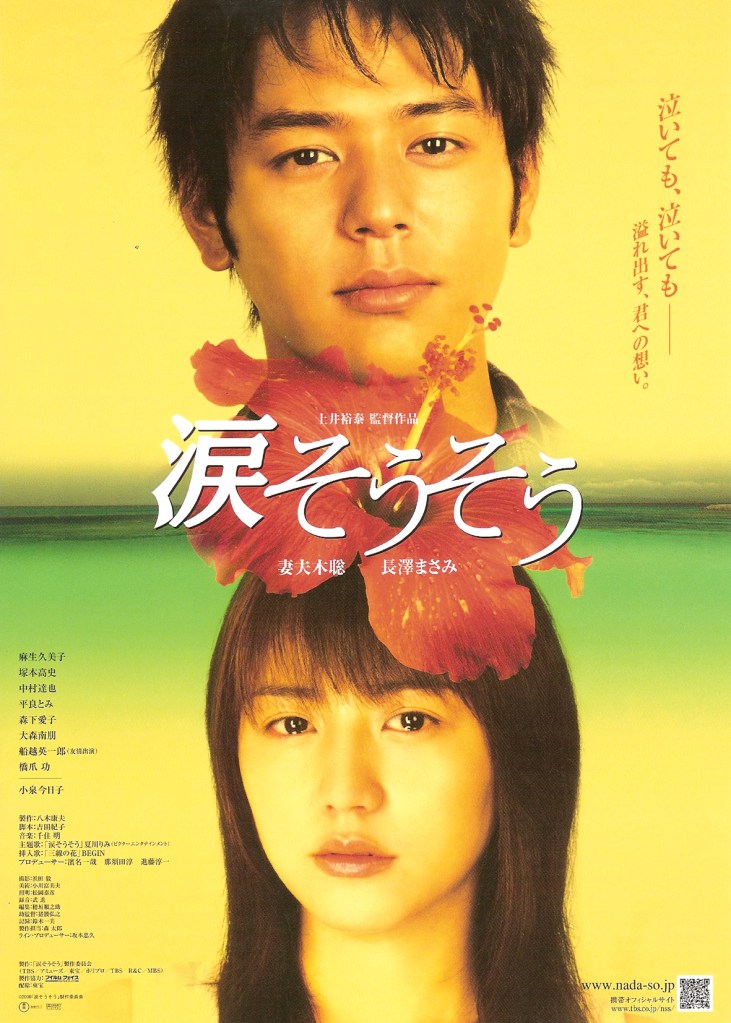 Coming in at the end of the “pure love” boom, Nobuhiro Doi’s second feature, Tears for You (涙そうそう, Nada So So) is presumably named to tie in with his smash hit debut

