Among the most well-regarded of his works, Natsume Soseki’s Kokoro (こころ) is a deeply felt mediation on guilt, repression, atonement, and despair as well as an examination of life on a temporal threshold. Kon Ichikawa’s long career would be marked by literary adaptations both of classics and genre fiction but even among these Kokoro is something of an exception, marshalling all of his skills bar his trademark irony in a melancholy tale of loneliness, self loathing, and the destructive effects self-destruction on those caught in the cross fire.
Ichikawa opens in media res as Nobuchi (Masayuki Mori) and his wife, Shizu (Michiyo Aratama), appear to have had an argument. She darns angrily while he paces and eventually seems to relent on his decision not to let her accompany him to the grave of a mutual friend, Kaji (Tatsuya Mihashi), who died when Nobuchi was still a student. Eventually Nobuchi goes alone but is disturbed in the graveyard by the approach of an enthusiastic young university student, Hioki (Shoji Yasui), who has been redirected by Shizu after turning up to ask to borrow some books. Nobuchi is not really in the mood to talk but the two men chat, eventually sharing a drink together in the local bar before Nobuchi abruptly returns home, pausing only to invite Hioki to visit another time for the books he wanted to borrow.
Though the marriage of Nobuchi and Shizu may seem to be a model one, their lives together are mostly performance. Nobuchi is a melancholy, gloomy man who does not work and lives the life of a scholar, living off family money. The household is not wealthy but they are able to afford one maid and live in reasonable comfort. They have no children and, it seems, the marriage may be one of companionship rather than passion.
On their first meeting Nobuchi refuses to tell Hioki the reason why he is the way he is, but decides he must explain and that Hioki is the only person he can unburden himself to. Badly let down by those who should have had his best interests at heart at a young age, Nobuchi has learned not to trust, believes that love is a “sin”, and that he is unworthy of any kind of personal happiness or fulfilment. As a young man, Nobuchi did something completely unforgivable for the most selfish (and fiendishly complicated) of reasons and his best friend, Kaji, later died as a direct result.
Where Nobuchi is cynical, Kaji is ascetic and closed off but sincere in his Buddhist practice. Nobuchi’s actions are not only hurtful in their deliberate betrayal, but amount to a slow implosion of Kaji’s entire spiritual universe. Having been tempted away from his religious beliefs by irrepressible desire, Kaji’s path to spiritual fulfilment has been severed and his path to other kinds of happiness blocked by Nobuchi’s own panicked act of personal betrayal. Unable to reconcile his cowardly, cruel actions which have, in a sense, broken Kaji’s “heart”, Nobuchi resolves to deny himself the life he stole from his friend, committing himself to a living death defined by the absence of physical love, desire, or success.
Hioki first meets Nobuchi when he sees him attempt to walk into the sea and saves him from drowning. Immediately drawn to him, Hioki believes he and the man he calls “sensei” share the same kind of existential loneliness. His eagerness to forge a friendship with the older, aloof scholar may seem strange but Ichikawa is keen to build on a much disputed subtext of the original novel in Nobuchi’s possible repressed homosexuality. Hioki steps into the space vacated by Kaji which has been empty the last 15 years as the sort of man who might understand Nobuchi’s “heart”.
Shizu attempts to ask the question directly, both about Nobuchi’s relationship with Kaji whose name she is forbidden to mention and to new friend Hioki whom she fears maybe taking Kaji’s place in her husband’s affections. Pleading that she just wants to understand his “heart”, Shizu tries to get some clarification on the empty hell that is her married life, but Nobuchi’s heart is firmly closed to her and she’s shut out once again.
On hearing of the death of the Emperor Meiji, Nobuchi’s gloom descends still further as he feels himself to be a man who’s outlived his age. At one point, long before, he pushes Kaji on his spiritual weaknesses prompting him to admit he doesn’t know whether to go forward or back. Nobuchi, cynical and perceptive, points out that there likely is no back even if you wanted to go there. Taking the teacher/student relationship to its natural conclusion, Nobuchi’s final testament in which he confesses the circumstances which have led to his spiritual death is intended only for Hioki in the hope that the younger man can learn from his mistakes and prepare himself to step forward into the bright new age where Nobuchi fears to tread. Once again his actions are selfish in the extreme, but there is something universally understood in Nobuchi’s particular pain and the steps he takes to ease it.
Previously available on DVD from Eureka, now sadly OOP.
Scene from midway through the film

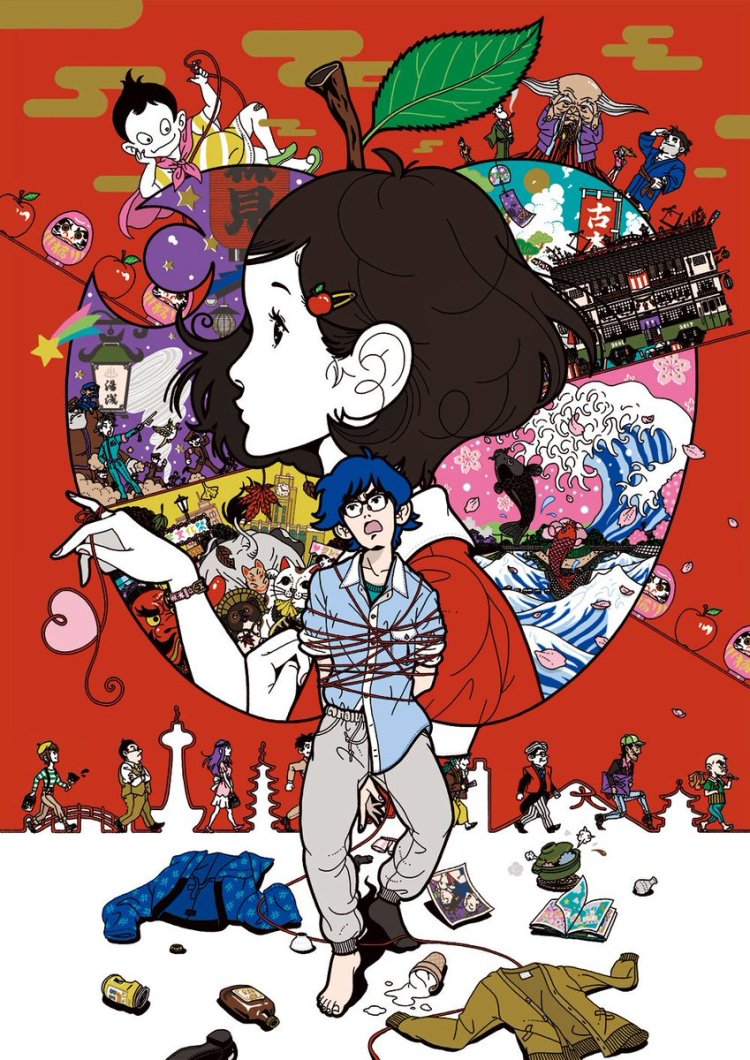 Wales’ premier showcase for Japanese animation returns this September with some of the best in recent anime plus events and special guests. This year the festival runs for three bumper days at Chapter Arts Centre Cardiff (29th September – 1st October) before moving on to Aberystwyth Arts Centre for one day only, October 28th 2017.
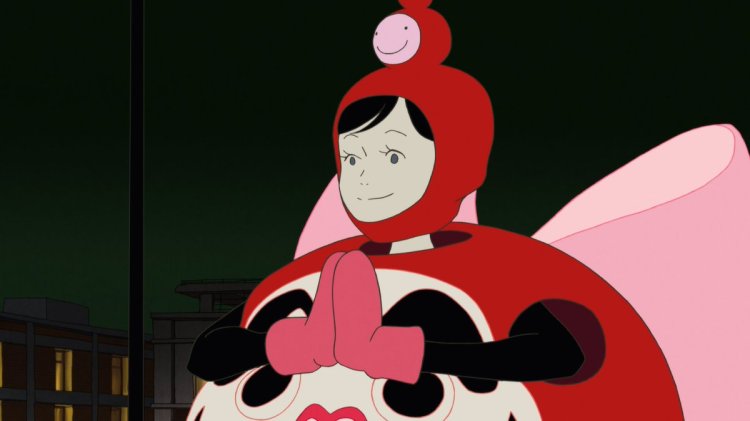 Opening the festival will be the latest from Tatami Galaxy’s Masaaki Yuasa – The Night is Short, Walk on Girl in which a dark haired girl roams the dark city streets while her secret admirer waits patiently for an opportunity to reveal himself, little knowing that the dark haired girl feels exactly the same way…
 Next up on Saturday 30th, Napping Princess sees the return of Ghost in the Shell SAC’s Kenji Kamiyama with a much more family friendly effort than might be expected. Regular teenage girl Kotone is sleeping her life away but her final summer vacation will provide unexpected adventures as she sets out to save the Tokyo Olympics from becoming an international disaster whilst solving the long buried mystery of her family origins.
 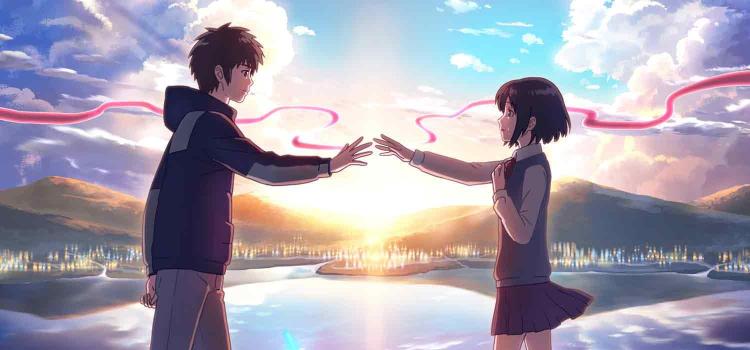 This one likely needs no introduction, but for the uninitiated Makoto Shinkai’s latest effort, Your Name, is a body swapping tale of star crossed lovers which has a much happier conclusion than Shinkai’s generally melancholy fare.
 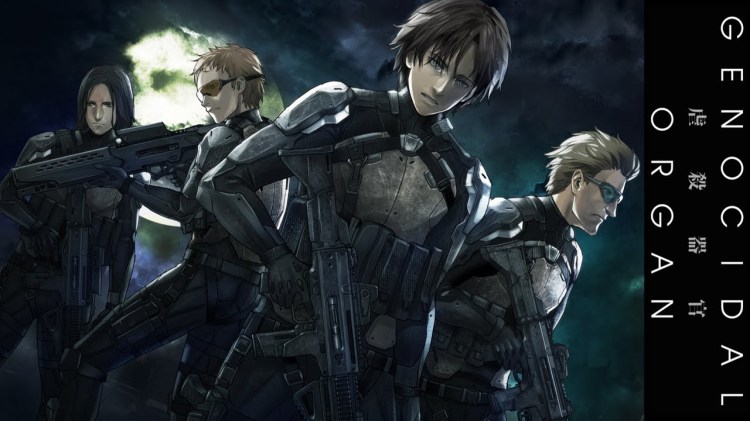 The third in a series of three feature animations inspired by the works of late science fiction author Project Itoh (the other two being
 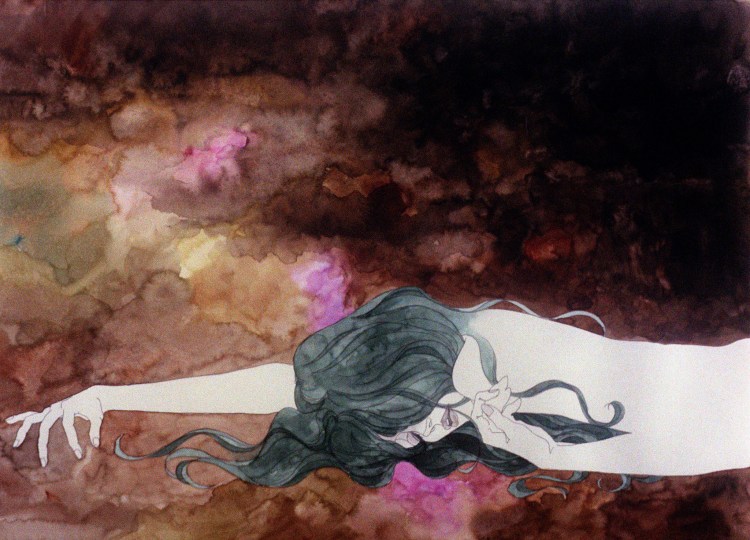 Produced by Osamu Tezuka, Eiichi Yamamoto’s Belladonna of Sadness has been little seen since its 1973 release but a recent 4K restoration is helping to change that for the better so this psychedelic exploration of sex, witchcraft, and folklore can finally be properly appreciated.
  Sunday’s first offering is a heartrending story of friendship and redemption between a girl with hearing problems and the boy who mercilessly bullied her in childhood only to get a taste of his own medicine and intensely regret it. Read our review of A Silent Voice
 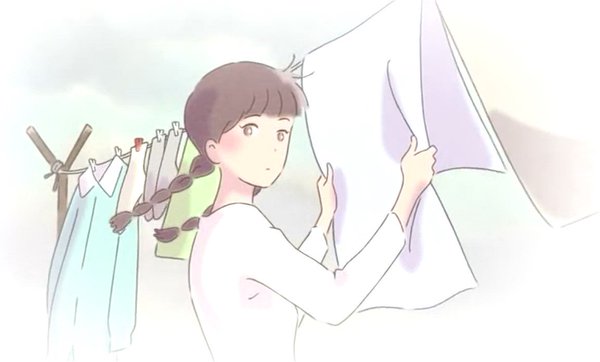 Production I.G. is one of the most well regarded animation studios currently in operation this and series of four shorts by different directors demonstrates its strengths and versatility.
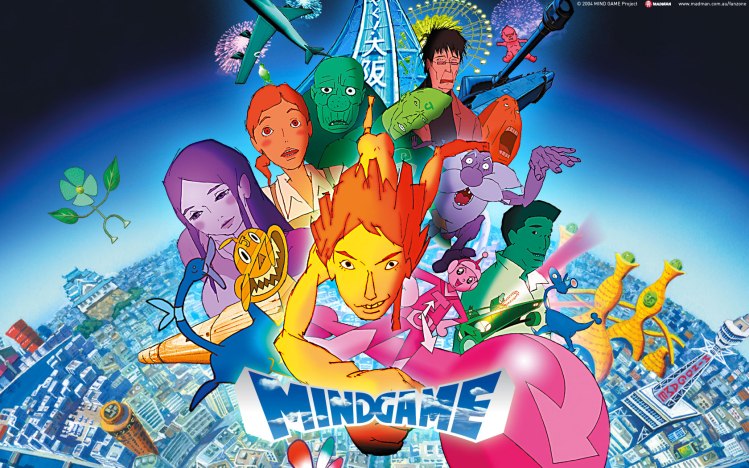 Masaaki Yuasa’s 2004 debut, Mind Game, will also be screened as the closing movie in Cardiff on 1st October. Adapted from a manga by Robin Nishi, the anime follows an aspiring mangaka, also named Nishi, who runs into his teenage crush only to find out she is about to marry someone else, gets mixed up with yakuza, goes all the way to heaven and back, and then gets trapped inside a whale where he meets God…
 Following a second screening of Napping Princess at 11am, the festival continues at Aberystwyth Arts Centre with a screening of the Sword Art Online movie, Ordinal Scale, which follows Kirito and co. into the latest game using the brand new Augma system.

 The
The 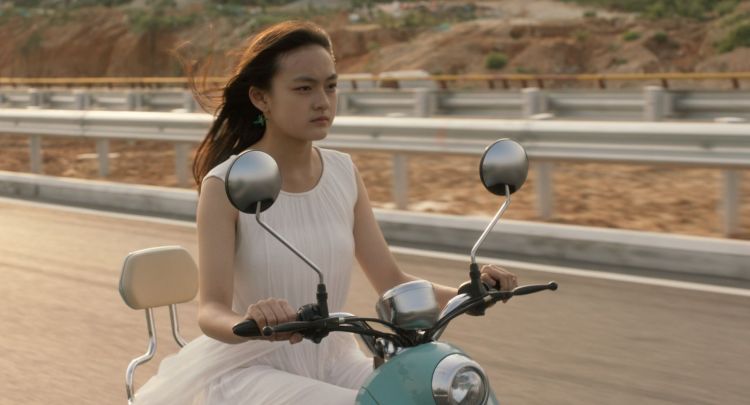 Chinese independent cinema has been in the ascendent recently, becoming a regular presence at high profile festivals. This year’s selection of films from the mainland includes two very different animated features alongside comedy, action and arthouse.
 Two giants of Hong Kong cinema return – celebrated filmmaker Ann Hui with a tale of love and resistance, and legendary cinematographer Christopher Doyle shooting a noir fairytale for Jenny Suen.
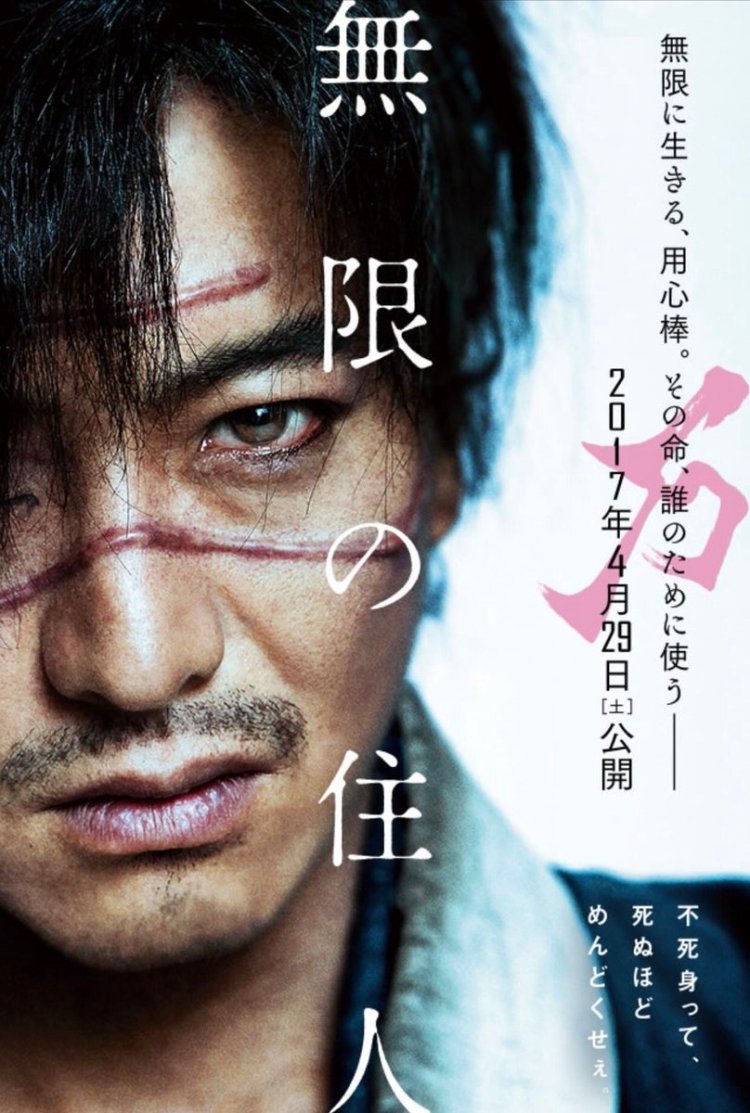
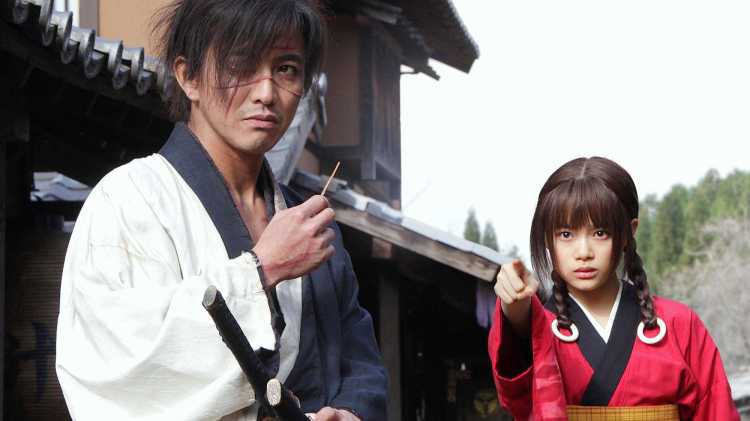 Japanese entries are dominated by animation but there’s also space for Takashi Miike’s manga adaptation Blade of the Immortal which headlines the Thrill section, as well as Naoko Ogigami’s latest Close-Knit, and the recent 4K restoration of 60s avant-garde masterpiece Funeral Parade of Roses.
 Everything you’d expect from Korea from anarchic documentary to violent procedural and the annual return of Hong Sang-soo.
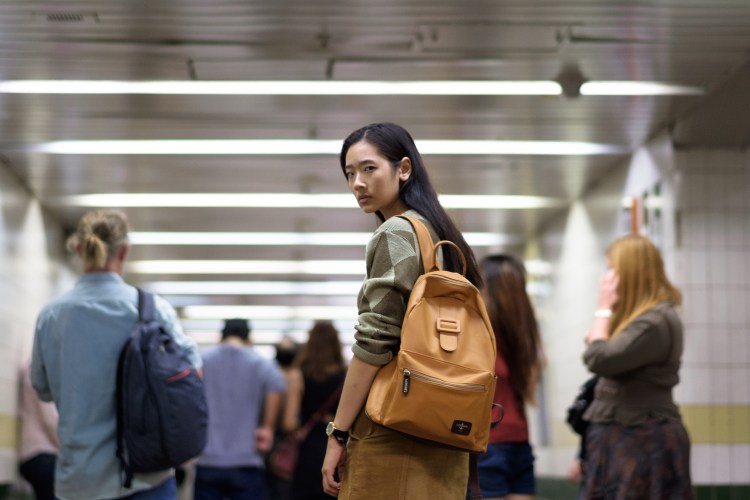 Thailand’s two entries feature youth looking forward and age looking back.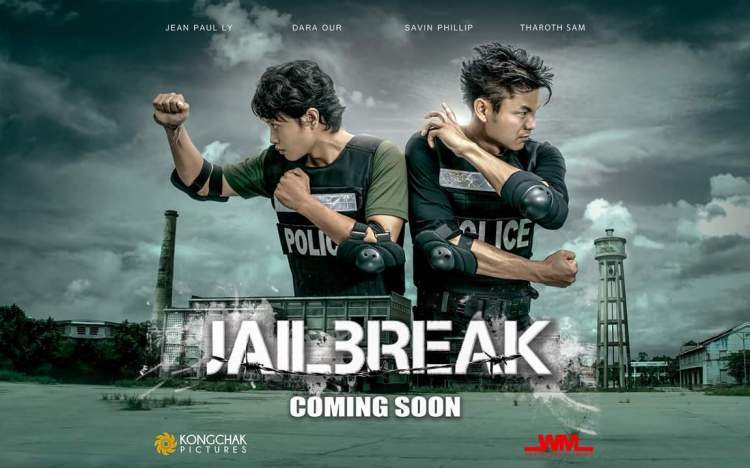
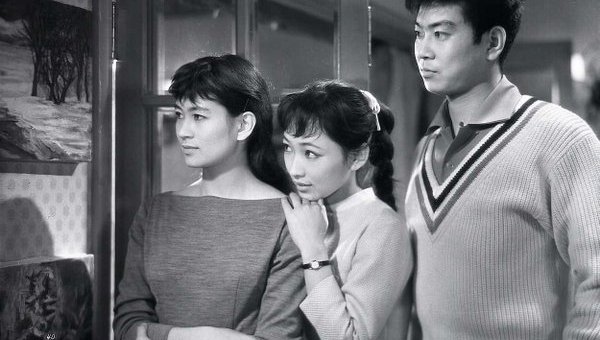
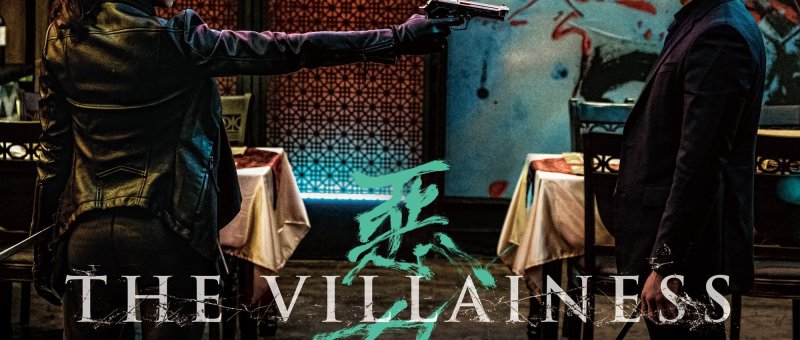
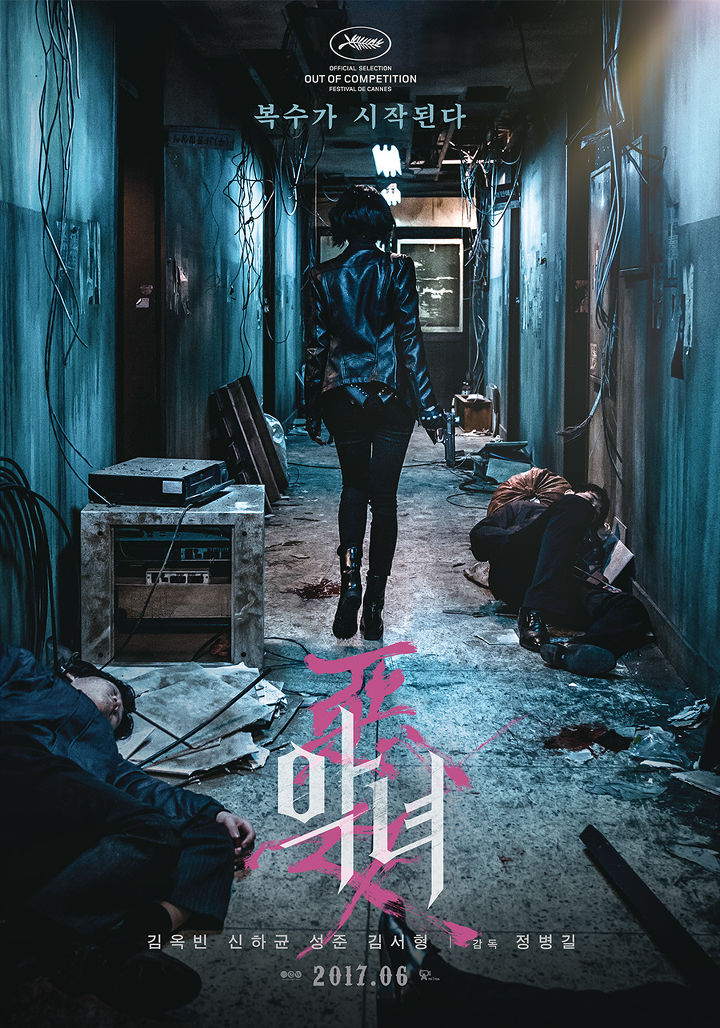 Vengeance is a doubled edged sword, it cannot help but wound the wielder. The heroine of Jung Byung-gil’s ironically titled The Villainess (악녀, Aknyeo) has more to be revenged of than even she knows. Yes, the narrative beats are familiar and Jung has clearly drawn inspiration from Luc Besson’s seminal hit woman movie La Femme Nikita as well as the long history of female revenge films from Lady Snowblood to Kill Bill, but he does it with style and style is always hard to argue with. A new kind of action cinema, The Villainess makes a performer of its camera, darting frantically like an animal on the run and then drifting listlessly between dreamlike visions of half remembered traumas. Jung remains firmly in B-movie territory but owns it, unafraid to embrace the genre’s more extreme qualities and all the better for it.