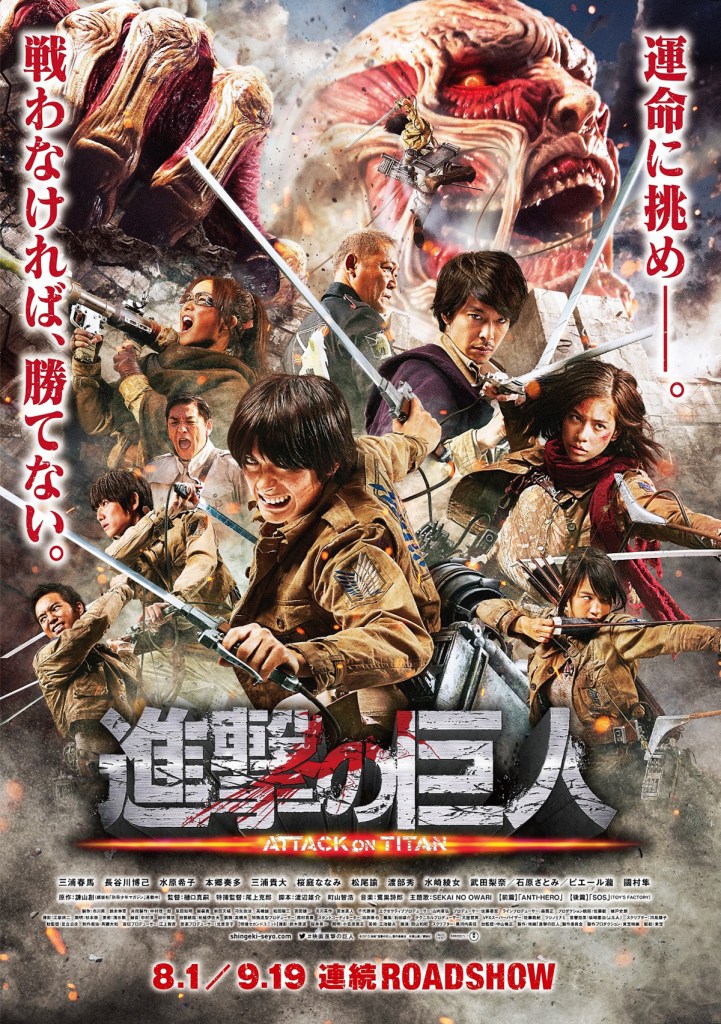
 Review of the first of the two part live action Attack on Titan (進撃の巨人 ATTACK ON TITAN, Shingeki no Kyojin) extravaganza first published by UK Anime Network.
It is a law universally acknowledged that a successful manga must be in want of an anime adaptation. Once this simple aim has been achieved, that same franchise sets its sights on the even loftier goals of the live action movie. This phenomenon is not a new one and has frequently had extremely varied results but fans of the current cross over phenomenon that is Attack on Titan may find themselves wondering if perhaps more time should have been allowed before this much loved series tried its luck in the non animated world.
Throwing in a few changes from the source material, the film begins with the peaceful and prosperous walled city where childhood friends Eren, Armin, and Mikasa are young adults just about to start out on the next phase of their lives. Eren, however, is something of a rebellious lost soul who finds himself gazing at the land beyond the walls rather than on a successful future in the mini city state. However, little does he know that the Titans – a race of man eating giants responsible for the destruction which saw humanity retreat behind the walls in the first place, are about to resurface and wreak havoc again. His dreams of a more exciting life may have been granted but humanity pays a heavy price.
Fans of the manga and anime may well be alarmed by certain elements of the above paragraph. Yes, the film makes slight but significant changes to its source material which may leave fans feeling confused and annoyed as the film continues to grow away from the franchise they know and love so well. For a newcomer, things aren’t much better as characterisation often relies of stereotypes and blunt exposition to get its point across. Attack on Titan actually has a comparatively starry cast with actors who’ve each impressed in other high profile projects including Haruma Miura (Eternal Zero), and Kiko Mizuhara (Norwegian Wood, Helter Skelter) as well as Kanata Hongo (Gantz) but even they can’t bring life to the stilted, melodramatic script. Things take a turn for the worse when Satomi Ishihara turns up having presumably been given the instruction to play Hans as comic relief only with a TV style, huge and bumbling performance.
That said, there are some more interesting ideas raised – notably that even a paradise becomes a prison as soon as you put a wall around it. Indeed, everything seems to have been going pretty well inside the walls until Eren suddenly decides he finds them constraining. Once the Titans break through, the very mechanism which was put in place for humanity’s protection, the walls themselves, become the thing which damns them as they’re trapped like rats unable to escape the Titan onslaught.
Machines are now outlawed following past apocalyptic events – humanity apparently can’t be trusted not to destroy itself and this cheerful, feudal way of life is contrasted with the chaos and pollution which accompanied the technologically advanced era. Unfortunately, a reversion to distinctly old fashioned values also seems to have occurred as we’re told you need permission to get married (as sensible as this may be from a practical standpoint in a military society) and the single mother gets munched just as she’s making the moves on a potential new father for her child. The Titans themselves have also been read as a metaphor for xenophobia which isn’t helped by the almost fascist connotations of the post attack society.
Much of this is really overthinking what appears to be an intentionally silly B-movie about man eating giants running amok in a steampunk influenced post-apocalyptic society but then it does leave you with altogether too much time to do your thinking while you’re waiting for things to happen. The original advent of the Titans is a little overplayed with the deliberately gory chomping continuing far too long. Action scenes fare a little better but suffer from the poor CGI which plagues the rest of the film. This isn’t the Attack on Titan movie you were expecting. This is a monster movie which carries some extremely troubling messages, if you stop to think about them. The best advice would be to refuse to think at all and simply settle back for some kaiju style action but fans of either campy monster movies or any other Attack on Titan incarnation are likely to come away equally disappointed. It only remains to see if Part 2 of this bifurcated tale can finally heal some of the many holes in this particularly weak wall.
US release trailer:
 Hiroshi Shimizu is well known as one of the best directors of children in the history of Japanese cinema, equalled only by the contemporary director Hirokazu Koreeda. The Shiinomi School (しいのみ学園, Shiinomi Gakuen) is one of the primary examples of his genius as it takes on the controversial themes of the place of the disabled in society and especially how children and their parents can come to terms with the many difficulties they now face.
 No names, no strings. That’s the idea at the centre of Daisuke Miura’s adaptation of his own stage play, Love’s Whirlpool (愛の渦, Koi no Uzu). Love is an odd word here as it’s the one thing that isn’t allowed to exist in this purpose built safe space where like minded people can come together to experience the one thing they all crave – anonymous sex. From midnight to 5am this group of four guys and four girls have total freedom to indulge themselves with total discretion guaranteed.
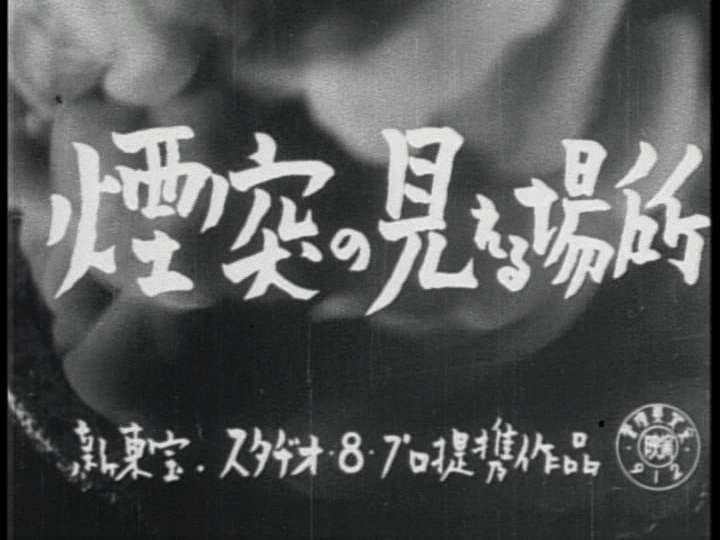 Where Chimneys are Seen (煙突の見える場所, Entotsu no Mieru Basho) is widely regarded as on of the most important films of the immediate post-war era, yet it remains little seen outside of Japan and very little of the work of its director, Heinosuke Gosho, has ever been released in English speaking territories. Like much of Gosho’s filmography, Where Chimneys are Seen devotes itself to exploring the everyday lives of ordinary people, in this case a married couple and their two upstairs lodgers each trying to survive in precarious economic circumstances whilst also coming to terms with the traumatic recent past.
 Making a coming of age film when you’re only 14 is, in many ways, quite a strange idea but this debut feature from Ryugo Nakamura was indeed directed by a 14 year old boy. Focussing on a protagonist not much younger than himself and set in his native Okinawa, Catcher on the Shore (やぎの冒険, Yagi no Boken) is the familiar tale of a city boy at odds with his rural roots and the somewhat cosy, romantic relationship people from the town often have with matters of the countryside.
 Throughout his career Lee Sang-il has shown himself adept at creating ensemble character dramas but nowhere is this as much in evidence as in his well crafted debut, Border Line. Focussing on the unlikely overlapping stories of a number of people who each find themselves crossing a threshold of a more spiritual nature, Border Line traces back each of the fractures in contemporary society to the broken cord of the parental bond.
 Hibari Misora was one of the leading lights of the post-war entertainment world. Largely active as a chart topping ballad singer, she also made frequent forays into the movies notably starring with fellow musical stars Izumi Yukimura and Chiemi Eri in the
 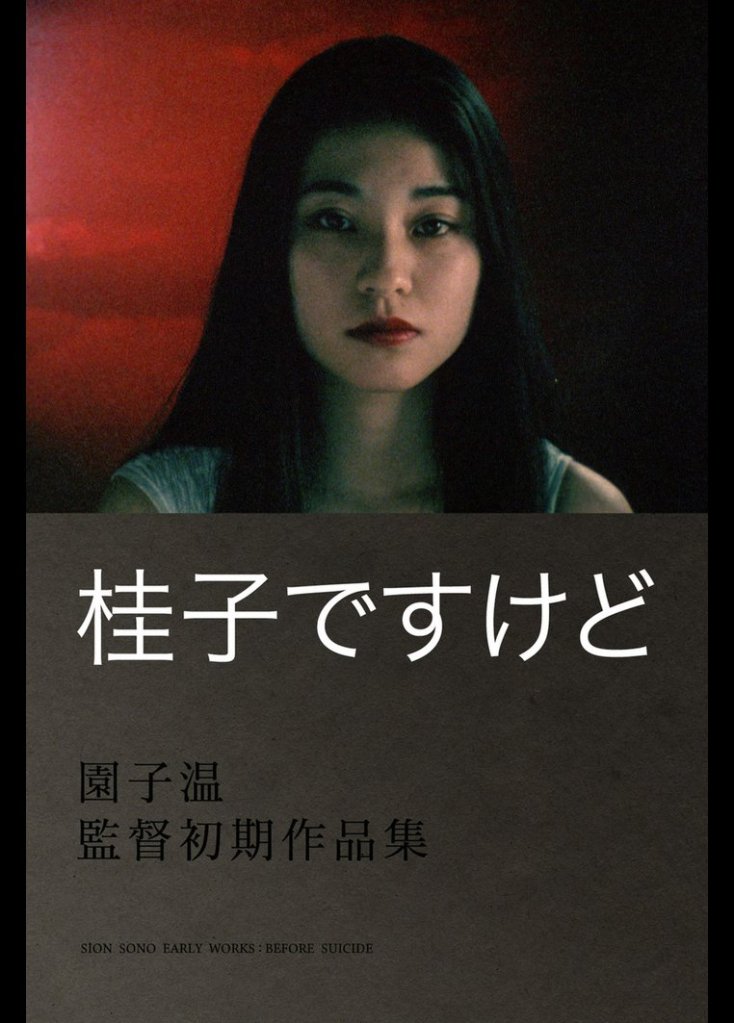 I was 21 years when I wrote this song, I’m 22 now but I won’t be for long…the leaves that are green are turning to brown for the heroine of Keiko Desu Kedo (桂子ですけど, “I am Keiko”). Approaching her 22nd birthday and with the recent death of her father ever present in her mind, she’s begun to feel the passage of time even more keenly. She doesn’t want to miss out on or forget anything so she’s going to share with us the last three weeks of her 21st year on Earth.
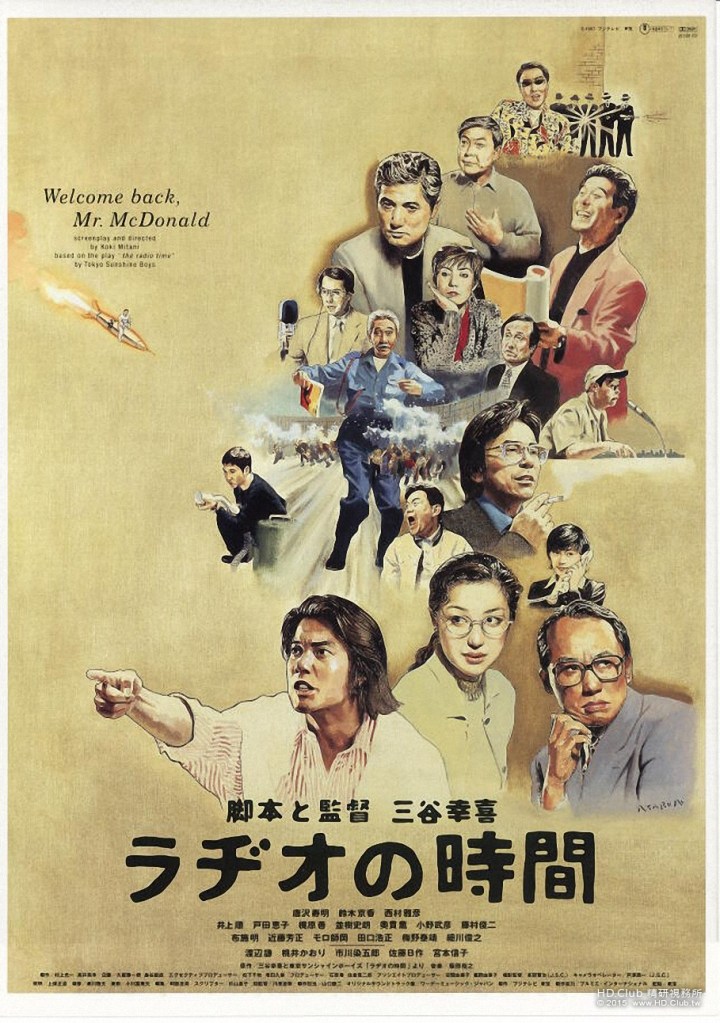 Koki Mitani is one of the most bankable mainstream directors in Japan though his work has rarely travelled outside of his native land. Beginning his career in the theatre, Mitani is the master of modern comedic farce and has the rare talent of being able to ground often absurd scenarios in the humour that is very much a part of everyday life. Welcome Back, Mr. McDonald (ラヂオの時間, Radio no Jikan) is Mitani’s debut feature in the director’s chair though he previously adapted his own stage plays as screenplays for other directors. This time he sets his scene in the high pressure environment of the production booth of a live radio drama broadcast as the debut script of a shy competition winner is about to get torn to bits by egotistical actors and marred by technical hitches.
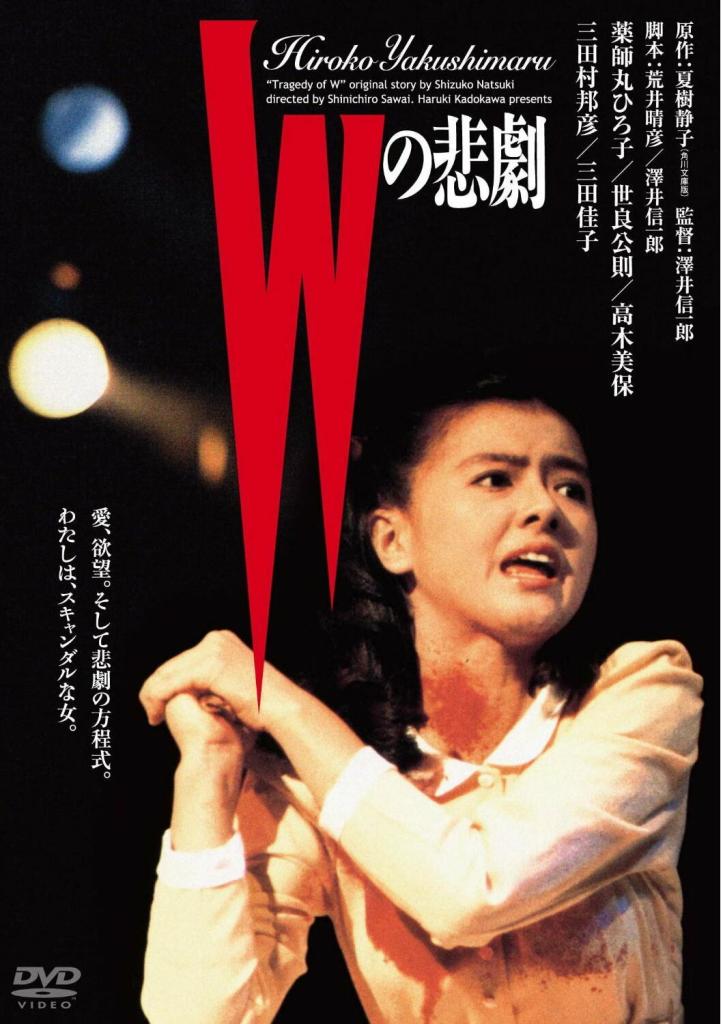 Hiroko Yakushimaru was one of the biggest idols of the 1980s. After starring in Shinji Somai’s
