 Just look at at that title for a second, would you? Crying Out Love, in the Center of the World, you’d be hard pressed to find a more poetically titled film even given Japan’s fairly abstract titling system. All the pain and rage and sorrow of youth seem to be penned up inside it waiting to burst forth. As you might expect, the film is part of the “Jun ai” or pure love genre and focusses on the doomed love story between an ordinary teenage boy and a dying girl. Their tragic romance may actually only occupy a few weeks, from early summer to late autumn, but its intensity casts a shadow across the rest of the boy’s life.
The story begins 17 years later, in 2004 when Sakutaro is a successful man living in the city and engaged to be married. Whilst preparing to move, his fiancée, Ritsuko, who happens to be from the same hometown, finds an old jacket of hers in a box which still has a long forgotten cassette tape hidden in the pocket. Dated 28th October 1986, the tape takes Ritsuko back to her childhood and a long forgotten, unfulfilled promise. She leaves a note for Sakutaro and heads home for a bit to think about her past while he, unknowingly, chases after her back to the place where he grew up and the memories of his lost love which he’s been unable to put to rest all these years…
In someways, Crying Out Love is your typical weepy as a young boy and girl find love only to have it cruelly snatched away from them by fate. Suddenly everything becomes so much more intense, time is running out and things which may have taken months or even years to work out have to happen in a matter of hours. In real terms, it’s just a summer when you’re 17 but then when you’re 17 everything is so much more intense anyway even when you don’t have to invite Death to the party too. Aki may have a point when suggesting that the the love the local photographer still carries for their recently deceased headmistress who married another man only lasted so long because it was unfulfilled. Perhaps Aki and Sakutaro’s love story would have been over by the end of high school in any case, but Sakutaro was never given the chance to find out and that unfinished business has continued to hover over him ever since, buzzing away in the back of his mind.
“Unfinished business” is really what the film’s about. Even so far as “pure love” goes, there comes a time where you need to move on. Perhaps the photographer might have been happier letting go of his youthful love and making a life with someone else, although, perhaps that isn’t exactly fair on the “someone else” involved. The photographer’s advice, as one who’s lived in the world a while and knows loneliness only too well, is that the only thing those who’ve been left behind can do is to tie up loose ends. Sakutaro needs to come to terms with Aki’s death so he can finally get on with the rest of his life.
There is a fair amount of melodrama which is only to be expected but largely Crying out Love skilfully avoids the maudlin and manages to stay on the right side of sickly. The performances are excellent across the board with a masterfully subtle performance from Takao Osawa as the older Sakutaro equally matched by the boyishness of a young Mirai Moriyama as his teenage counterpart. The standout performance however comes from Masami Nagasawa who plays the seemingly perfect Aki admired by all for her well rounded qualities from her sporting ability to her beauty and intelligence but also has a mischievous, playful side which brings her into contact with Sakutaro. Her decline in illness is beautifully played as she tries to put a brave face on her situation, determined not to give in and clinging to her romance with Sakutaro even though she knows that she will likely not survive. Kou Shibasaki completes the quartet of major players in a slightly smaller though hugely important role of Sakutaro’s modern day fiancée saddled with a difficult late stage monologue which she carries off with a great deal of skill.
Impressively filmed by Isao Yukisada who neatly builds the films dualities through a series of recurrent motifs, Crying Out Love, in the Center of the World is not without its melodramatic touches but largely succeeds in being a painfully moving “pure love” story. Beautiful, tragic, and just as poetic as its title, Crying Out Love, in the Center of the World is a cathartic romance that like Sakutaro’s memories of Aki is sure to linger in the memory for years to come.
The Japanese R2 DVD release of Crying Out Love, In the Center of the World includes English subtitles (Hurray!).
(Unsubbed trailer though, sorry)
 For 1970’s If You We’re Young: Rage (君が若者なら, Kimi ga Wakamono Nara), Fukasaku returns to his most prominent theme – disaffected youth and the lack of opportunities afforded to disadvantaged youngsters during the otherwise booming post-war era. Like the more realistic gangster epics that were to come, Fukasaku laments the generation who’ve been sold an unattainable dream – come to the city, work hard, make a decent life for yourself. Only what the young men find here is overwork, exploitation and a considerably decreased likelihood of being able to achieve all they’ve been promised.
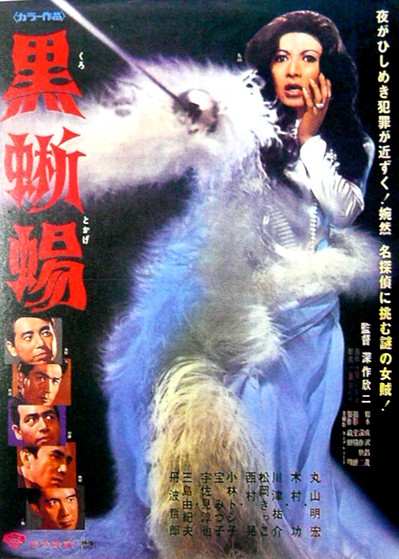 Those who only know Kinji Fukasaku for his gangster epics are in for quite a shock when they sit down to watch Black Rose Mansion (黒薔薇の館, Kuro Bara no Yakata). A European inflected, camp noir gothic melodrama, Black Rose Mansion couldn’t be further from the director’s later worlds of lowlife crime and post-war inequality. This time the basis for the story is provided by Yukio Mishima, a conflicted Japanese novelist, artist and activist who may now be remembered more for the way he died than the work he created, which goes someway to explaining the film’s Art Nouveau decadence. Strange, camp and oddly fascinating Black Rose Mansion proves an enjoyably unpredictable effort from its versatile director.
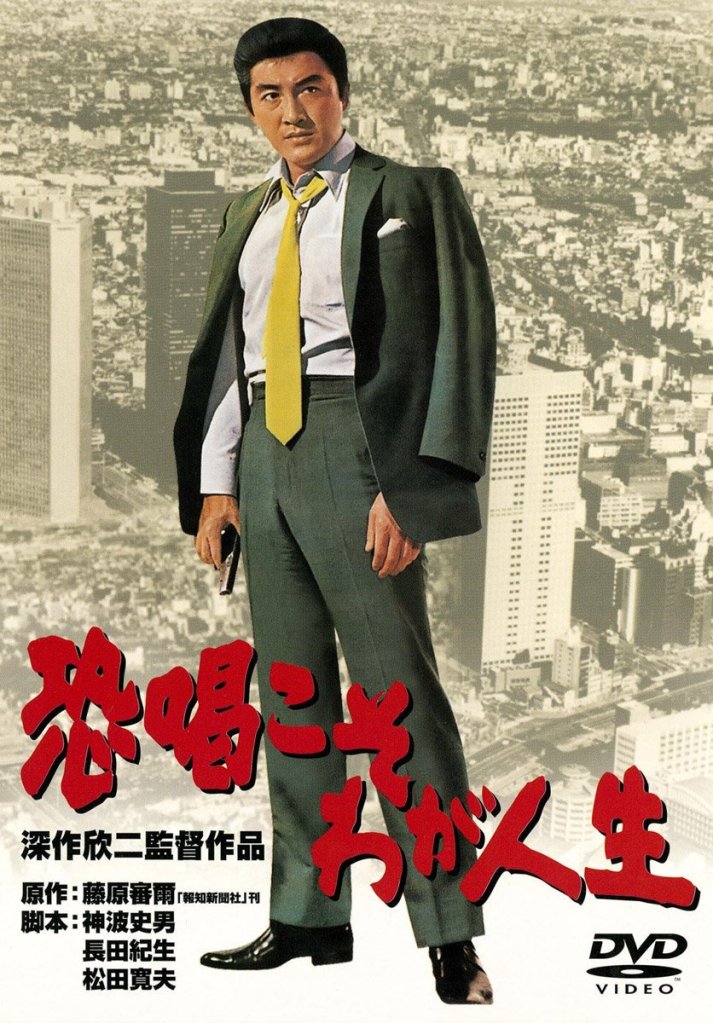 Suffice to say, if someone innocently asks you about your hobbies and you exclaim in an excited manner “blackmail is my life!”, things might not be going well for you. Kinji Fukasaku is mostly closely associated with his hard hitting yakuza epics which aim for a more realistic look at the gangster life such as in the
  These days we think of Sion Sono as the recently prolific, slightly mellowed former enfant terrible of the Japanese indie cinema scene. Hitting the big time with his four hour tale of religion and rebellion Love Exposure before more recently making a case for ruined youth in the aftermath of a disaster in Himizu or lamenting the state of his nation in Land of Hope what we expect of him is an energetic, sometimes ironic assault on contemporary culture. However, his beginnings were equally as varied as his modern output and his first feature length film, Bicycle Sighs (自転車吐息, Jidensha Toiki), owes much more to new wave malaise than to post-punk rage.
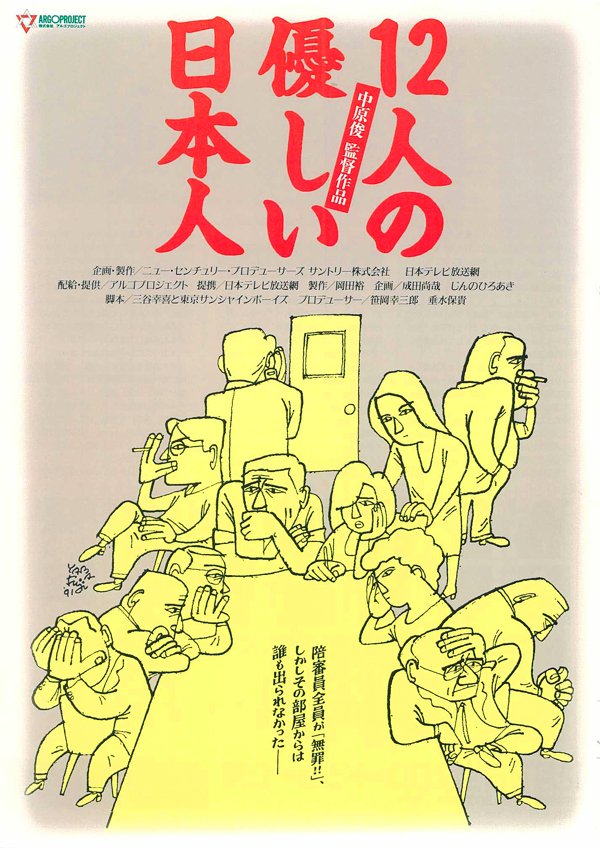 As you might be able to tell from its title, Gentle 12 (12人の優しい日本人, Juninin no Yasashii Nihonjin) is a loose Japanese parody of the stage play 12 Angry Men notably filmed by Sidney Lumet back in 1957. The Japanese title literally translates as “12 Kindly Japanese Guys” and the film takes the same premise of twelve jurors debating the verdict in a murder case which was previously thought fairly straightforward. This time our jury is a little more balanced as it’s not just guys in the room and even the men are of a more diverse background.
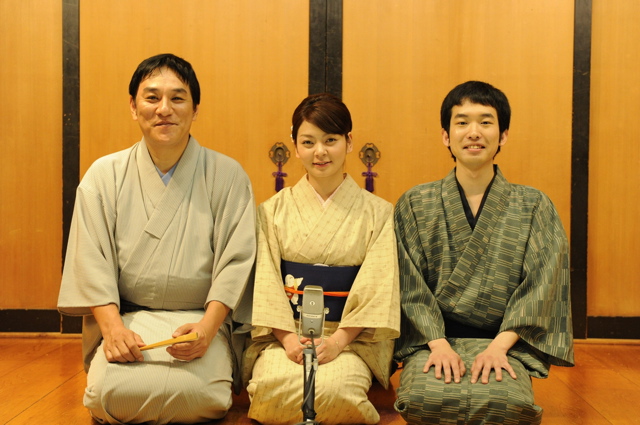 When it comes to the classic Japanese art forms, kabuki, noh and maybe even bunraku are not so uncommon overseas. Rakugo, however, has not been as lucky. Famously impenetrable for non-native speakers even if their language skills are otherwise top notch, rakugo is the art of traditional comic story telling in which the “rakugo-ka” recites a standard monologue with the aim of mining it for laughs in their own individual fashion. These stories date back to the Edo-era and rely heavily on classic Japanese puns, stock characters and cultural assumptions, consequently, their appeal has been on the wane in Japan for sometime. That’s not to say the art form is quite dead yet though, as real life rakugo-ka Shinpei Hayashiya’s Rakugo Monogatari attempts to prove.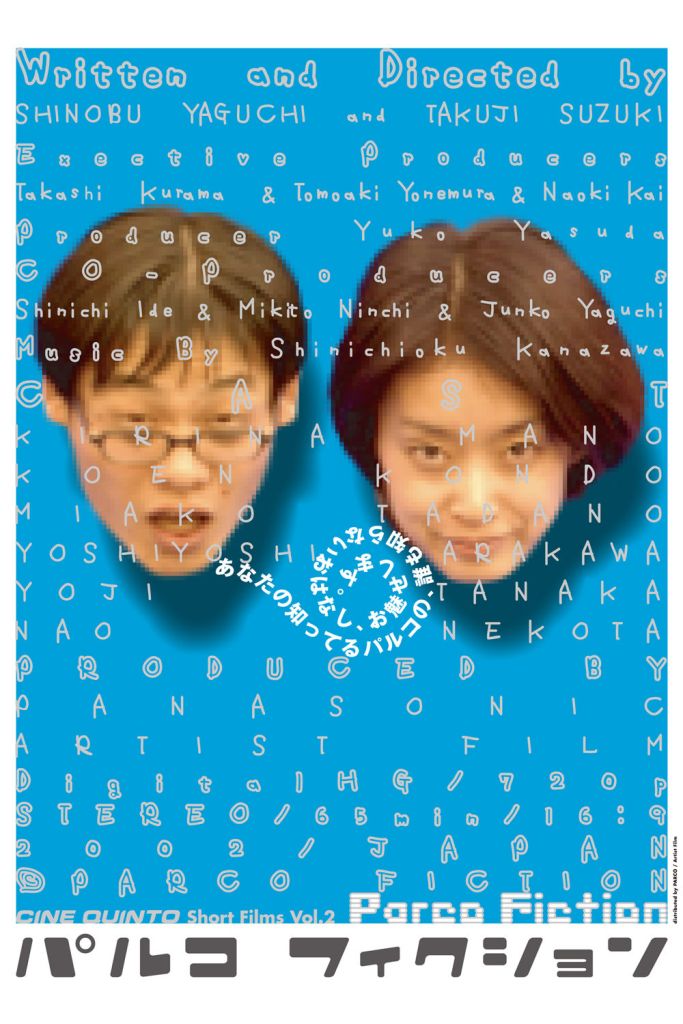
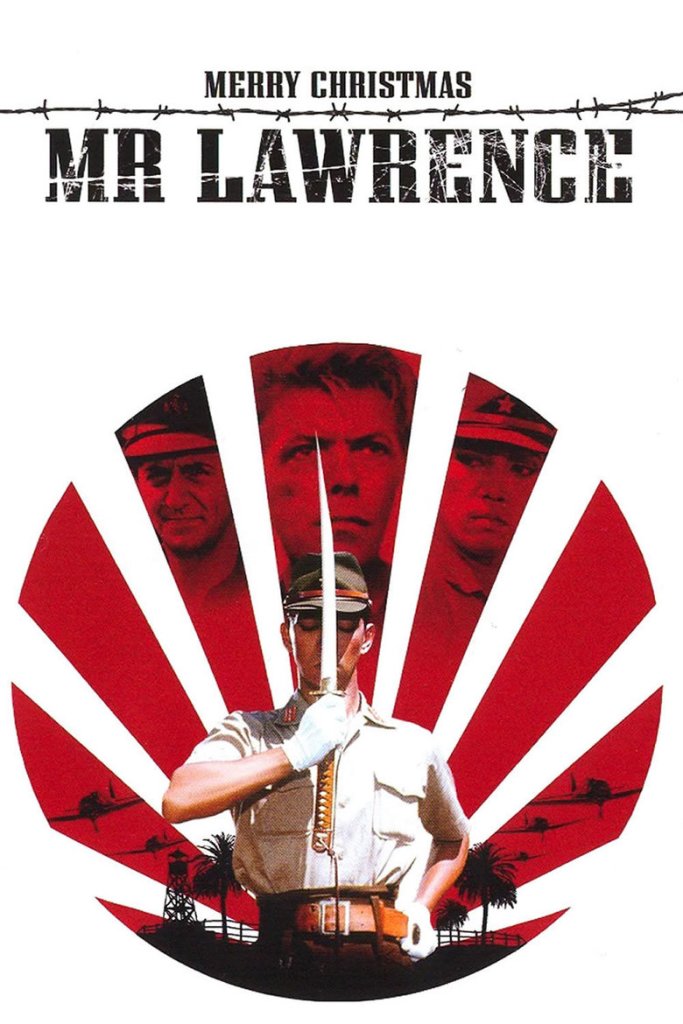 Of all the post-war Japanese filmmakers, the one who liked to twist the knife the most was surely Oshima. No subject too taboo, no pain too raw – he liked to find the sore spot and poke at it a little, if only in the hope of encouraging an accelerated healing, albeit one which would leave a scar to remind you that once you suffered. With Merry Christmas, Mr. Lawrence (戦場のメリークリスマス, Senjou no Merry Christmas) he takes an unflinching look at the treatment of Japan’s prisoners of war and contrasts the Japanese forces with the different attitudes of the (mostly) British soldiers held within the walls of the camp.

