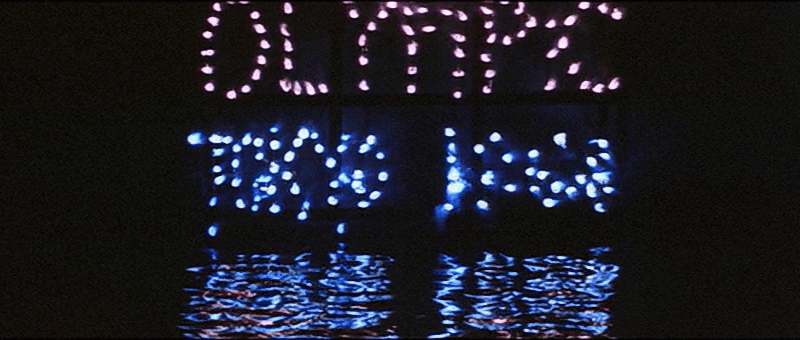

Like many directors of his generation, Kiju (Yoshishige) Yoshida began his career at Shochiku working on the studio’s characteristically inoffensive fare before being promoted as one of their youth voices through which they hoped to capture a similar audience to that attracted by Nikkatsu’s Sun Tribe movies. Yoshida’s films may have spoken to youth but they were perhaps not quite what the studio was looking for nor the kinds of projects that he really wanted to work on, which is one reason why 1964’s Escape from Japan (日本脱出, Nihon Dasshutsu), an anarchic B-movie crime thriller of intense paranoia all maddening angles and claustrophobic composition, was his last for Shochiku, the final straw being their decision to change the ending without telling him and release the film while he was away on honeymoon.
Set very much in the present, the film opens with a young man miming to American jazz which turns out to be part of the floor show being performed by the band on the stage below for whom he is a reluctant roadie. Tatsuo (Yasushi Suzuki) dreams of going to America to rediscover “real jazz” and subsequently bring it back to Japan. He has the strange idea that America is a true meritocracy where his talent will be recognised, unlike Japan where it is impossible for him to succeed because he is not particularly good looking or possessed of “star quality”. Feeling himself indebted to the band’s drug-addled drummer Takashi (Kyosuke Machida) for helping him get the roadie gig with the false promise of becoming a singer, Tatsuo agrees to help him commit an elaborate robbery of the “turkish bath” (low level sex services and precursor to the modern “soaplands”) where his girlfriend Yasue (Miyuki Kuwano) works. Only it all goes wrong. The guys kill a policeman during the escape, and the other hotheaded member of the gang becomes convinced that Yasue may talk now that they’ve got involved with murder so they should finish her off too by forcing her to take an overdose of sleeping pills.
Absolutely everyone is desperate to escape Japan for various different reasons. Tatsuo because of his obsession with American jazz and the freedom it represents to him coupled with the sense of impotence he feels in an oppressive society which refuses to recognise his talent because he doesn’t look the part. He jokes with his next-door neighbour, a sex worker who has redecorated her apartment in anticipation of impressing the tourists arriving for the Olympics, that he envies women and wishes he could find a “sponsor” to take him to the States, but later can offer only the explanation that Japan doesn’t interest him when probed over why he was so desperate to leave.
“Korea or anywhere else, it’s better than Japan” Yasue later adds, consoling Tatsuo as she informs him that their escape plan won’t work because all of the US military planes are being diverted to Korea to bring in extra help for the Olympics. Bundled into a van filled with chicken carcases as a potential stowaway, he discovers another escapee – a Korean trying to go “home”, or rather to the North (presumably having missed out on the post-war “repatriation” programs) where he claims there are lots of opportunities for young people only to lose his temper when Tatsuo explains that he wants to become a jazz singer. He doesn’t want decadent wastrels in his communist paradise and would rather Tatsuo not mess up his country. Yet they are each already dependent on the Americans even for their escape, making use of military corruption networks and getting Yasue’s friend’s GI squeeze into trouble through exposing his black-marketeering.
Tatsuo and Yasue find they have more in common than they first thought, both “deceived” by those like Takashi who turned out to be a feckless married man and father-to-be risking not only his own future but that of his unborn child solely to fuel his escapist drug habit (which was perhaps the reason for the lengthy hospital stay from which he had just returned). Yasue was just trying to save up enough money to open a hairdresser’s in her hometown, but Takashi told her he was a “famous jazz drummer” and presumably sold her the same kind of empty dreams as he did Tatsuo. Giving up on her own future, realising that even in America the sex trade is all that’s waiting for her, Yasue tries to engineer Tatsuo’s escape but he, traumatised by his crimes, descends further into crazed paranoia, eventually finding himself right in the middle of the Olympics opening ceremony. This is event is supposed to put Japan back on the map as a rehabilitated modern nation, but perhaps all it’s doing is creating an elaborate smokescreen to disguise all the reasons a man like Tatsuo and a woman like Yasue might want to be just about anywhere else. Yoshida seems unimpressed with the modern nation and its awkward relationship with the Americans, perhaps a controversial point in the immediate run up to the games. Shochiku neutered his attempt to depict a man driven to madness by the impossibilities of his times, but a sense of that madness remains as Tatsuo finds himself on the run and eventually suspended neither here nor there, trapped in a perpetual limbo of frustration and futility.
Original trailer (no subtitles)
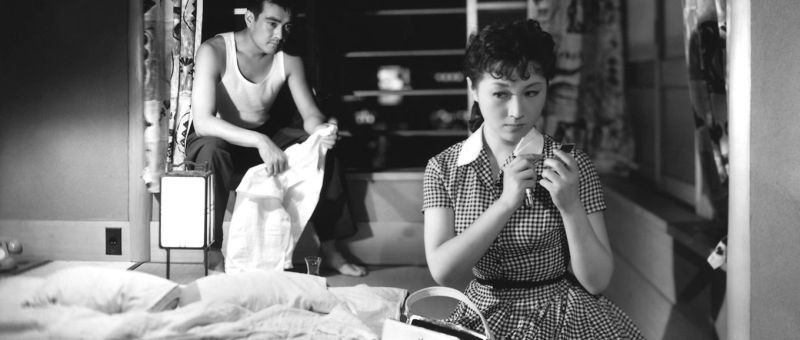
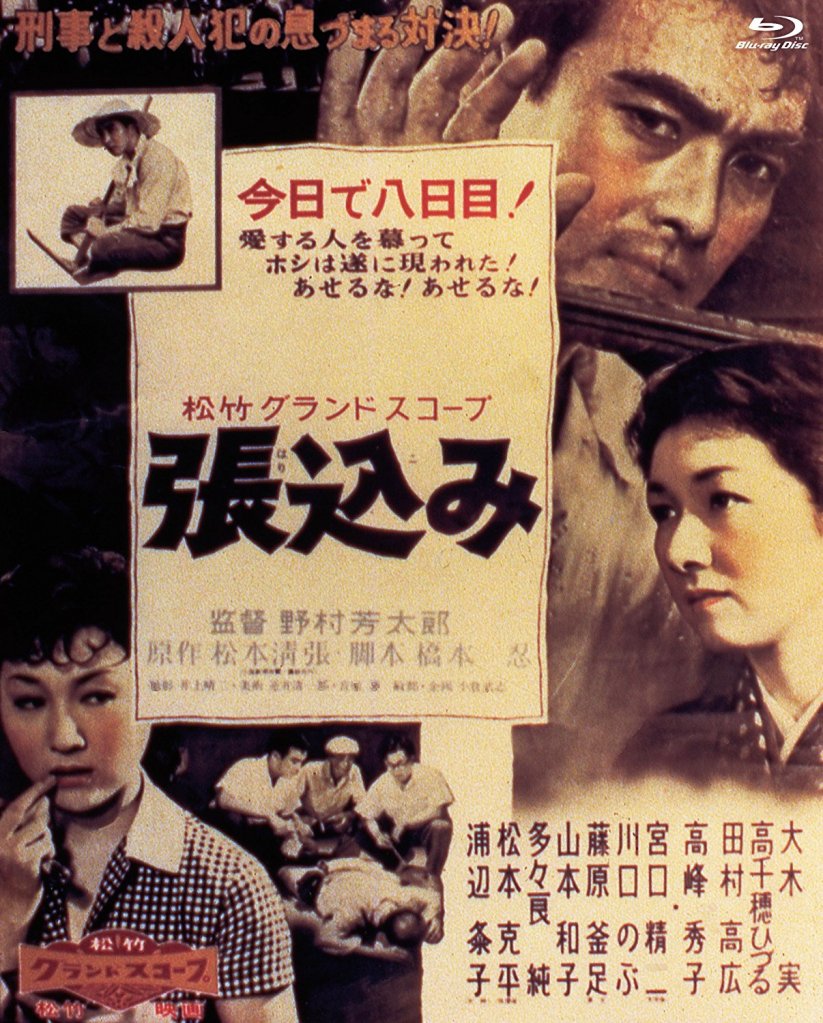

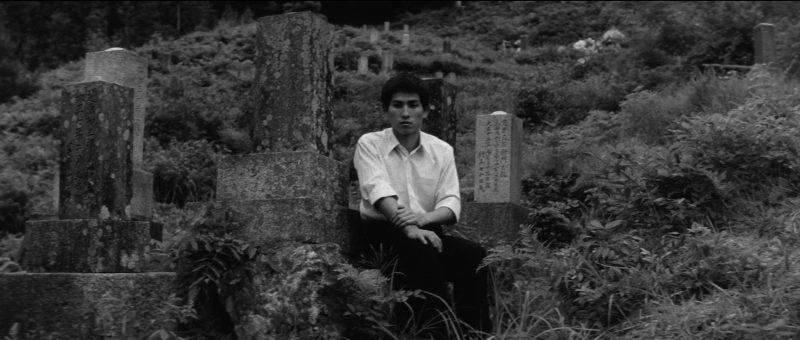

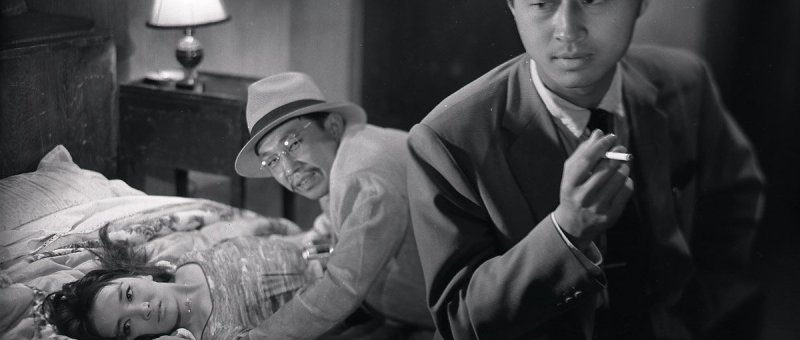
 Looking from the outside in, the Tokyo of 1960 seems to have been one of rising economic prosperity in which post-war anxiety was beginning to transition into a relentless surge towards modernity, but there also seems to have been a mild preoccupation with the various dangers that same modernity might present. Like
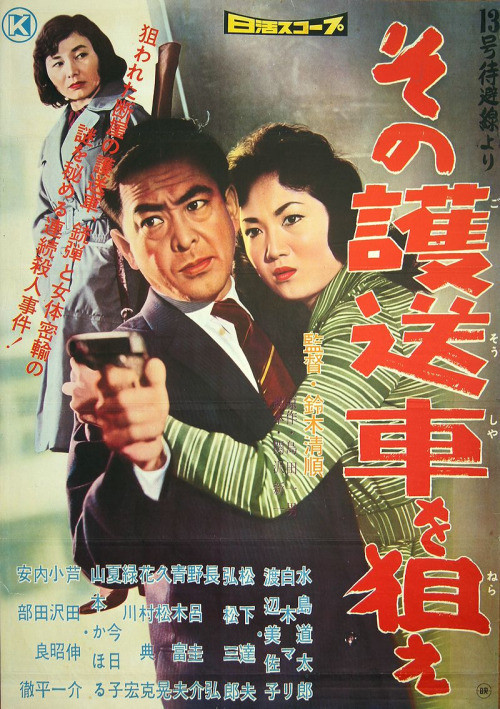
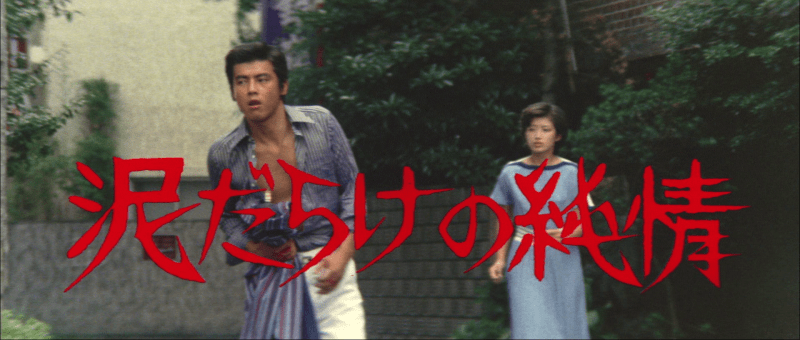

 When AnimEigo decided to release Hideo Gosha’s Taisho/Showa era yakuza epic Onimasa (鬼龍院花子の生涯, Kiryuin Hanako no Shogai), they opted to give it a marketable but ill advised tagline – A Japanese Godfather. Misleading and problematic as this is, the Japanese title Kiryuin Hanako no Shogai also has its own mysterious quality in that it means “The Life of Hanako Kiryuin” even though this, admittedly hugely important, character barely appears in the film. We follow instead her adopted older sister, Matsue (Masako Natsume), and her complicated relationship with our title character, Onimasa, a gang boss who doesn’t see himself as a yakuza but as a chivalrous man whose heart and duty often become incompatible. Reteaming with frequent star Tatsuya Nakadai, director Hideo Gosha gives up the fight a little, showing us how sad the “manly way” can be on one who finds himself outplayed by his times. Here, anticipating Gosha’s subsequent direction, it’s the women who survive – in large part because they have to, by virtue of being the only ones to see where they’re headed and act accordingly.
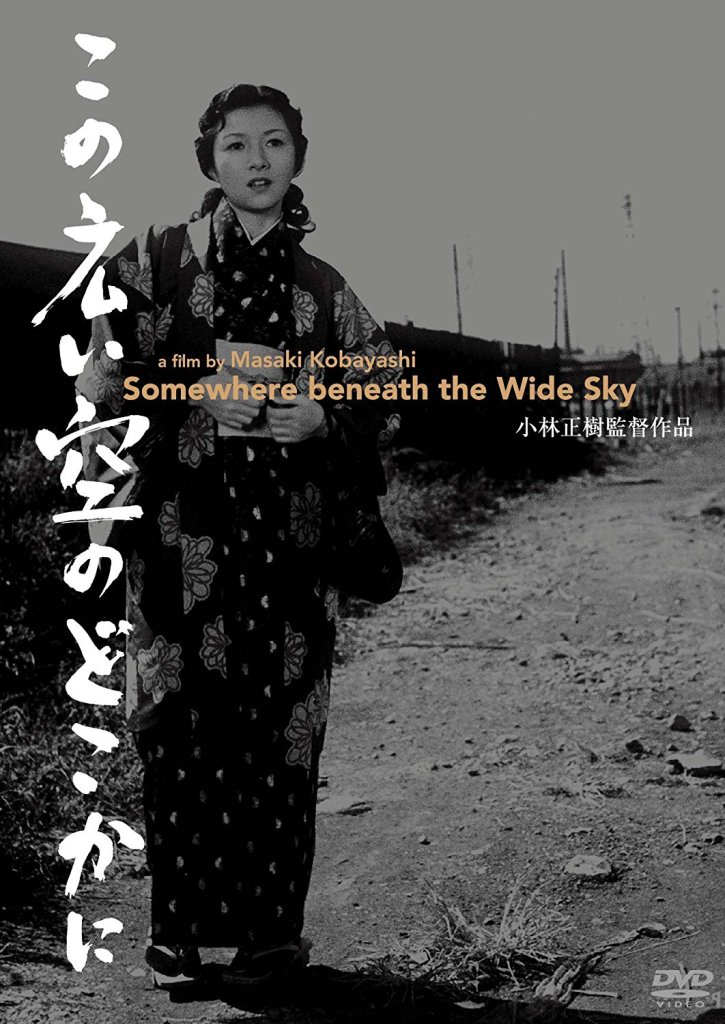 Of the chroniclers of the history of post-war Japan, none was perhaps as unflinching as Masaki Kobayashi. However, everyone has to start somewhere and as a junior director at Shochiku where he began as an assistant to Keisuke Kinoshita, Kobayashi was obliged to make his share of regular studio pictures. This was even truer following his attempt at a more personal project –
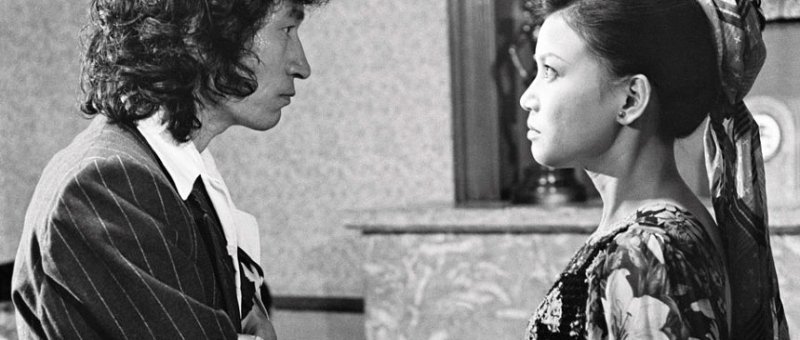
  Things take a slight detour in the third of the Outlaw series this time titled “Heartless” (大幹部 無頼非情, Daikanbu Burai Hijo). Rather than picking up where we left Goro – collapsed on a high school volleyball court, it’s now 1956 and we’re with a guy called “Goro the Assassin” but it’s not exactly clear is this is a side story or perhaps an entirely different continuity for the story of the noble hearted gangster we’ve been following so far. The only constant is actor Tetsuya Watari who once again plays Goro Fujikawa but in an even more confusing touch the supporting characters are played by many of the actors who featured in the first two films but are actually playing entirely different people….
