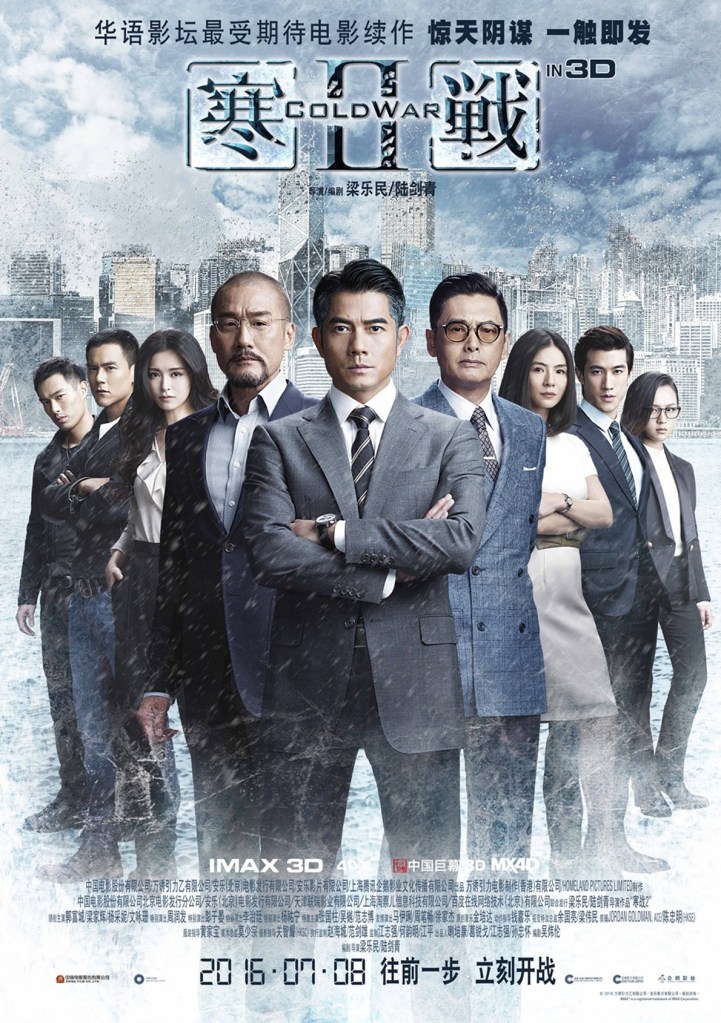
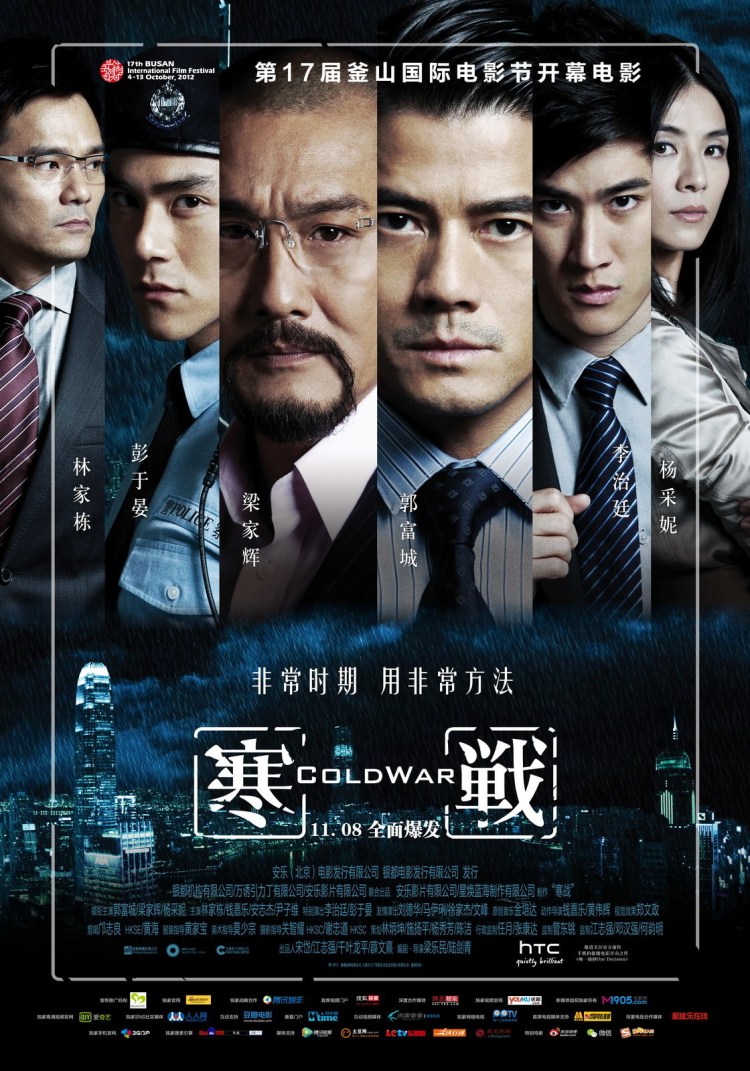
 Cold War 2 (寒戰II) arrives a whole four years after the original Cold War rocked Hong Kong with police corruption scandals and fantastically convoluted internal plotting. Heroic policeman Sean Lau (Aaron Kwok) may have won the day, even if he ultimately had to compromise himself to do it, but the police van is still missing and MB Lee (Tony Leung Ka-fei) is still lurking in the background. As is his son, Joe (Eddie Peng) – languishing in prison but apparently still with the resources to cause trouble whilst behind bars.
Joe Lee has Lau’s wife kidnapped, forcing Lau to compromise himself by giving in to his demands all of which culminates in an intense subway set piece in which Lau inadvertently ends up handcuffed to an exploding smoke bomb while Joe Lee escapes. Embarrassing is not the word. Lau now looks bad, and old rivals have their eyes on the police chief’s chair. An enquiry is currently underway into goings on at police HQ lead by top lawyer Oswald Kan (Chow Yun-fat) but his impartiality is severely damaged when one of his own is caught in the crossfire whilst investigating Joe Lee’s nefarious activities.
Like the first film, Cold War 2 is an intense interpersonal thriller though this time the enemies are even closer as the old boys network becomes the means by which commissioners are unseated and installed. Service records are everything – Lau is unpopular with his colleagues because he started out at ICAC and has never served as a rank and file policemen. From one point of view, this makes him an ideal candidate because he has no personal ties to the body of serving officers but his rivals despise him for this very reason. He isn’t one of them, does not have first hand understanding of front line policing, and most importantly is not a part of their interconnected layers of military style brother-in-arms loyalties.
Lau’s predictable miscalculation regarding Joe Lee creates an opportunity to get rid of him and take back the force. “Save the police” is a message which is repeated over and over as the plotters attempt to win others over to their cause, insisting that Lau has lost the media battle for the hearts and minds of a public now trained to be afraid of their police force. Lau is the continuity candidate – mistakes have been made, but his stately manner and apparently steady hands may yet win the day. Those same hands are getting dirtier by the second, but they’ve been brushing the morally grey, not (yet, at least) immersed in the red of innocent blood like those of the corrupt top brass at police HQ.
If the plotting is intricate and filled with double crosses and betrayals, directors Luk and Leung have ensured a steady stream of explosive action sequences to accompany the ongoing cerebral games. Cold War also had its share of action packed spectacular set pieces but Cold War 2 may surpass them with the surprise factor alone including one shocking multi-car pileup inside a tunnel in which cars, buses and bikes go flying before an all out fire fight ensues. Lau’s constant gazing at the “Asia’s Safest City” signs which adorn police headquarters (right next to the metal detectors you need to pass through to get in) has never looked so melancholic and drenched in irony.
It’s a battle for the soul of the police service, but it’s being fought as a dirty war. Lau is the decent and honest man forced to behave in a slightly less honest and decent way, even if for the best of reasons. His rivals are running on pure ambition and pettiness. Despite their claims they do not have the interests of the people of Hong Kong as their foremost concern. The corruption stems far further back than anyone might have previously guessed and is more or less coded into the system. The police van and equipment are still missing and the central plotters are still in place. This is a partial victory at best but then what kind of action fest wouldn’t leave a door open for a sequel. The cold war maybe about to turn hot, but you can rely on the steely eyed Police Commissioner Sean Lau to be there, ready and waiting, when the first shots are fired.
Original trailer (English Subtitles)
 Often, people will try to convince of the merits of something or other by considerably over compensating for its faults. Therefore when you see a movie marketed as the X-ian version of X, starring just about everyone and with a budget bigger than the GDP of a small nation you should learn to be wary rather than impressed. If you’ve followed this very sage advice, you will fare better than this reviewer and not find yourself parked in front of a cinema screen for two hours of non-sensical European fantasy influenced epic adventure such as is League of Gods (3D封神榜, 3D Fēng Shén Bǎng).
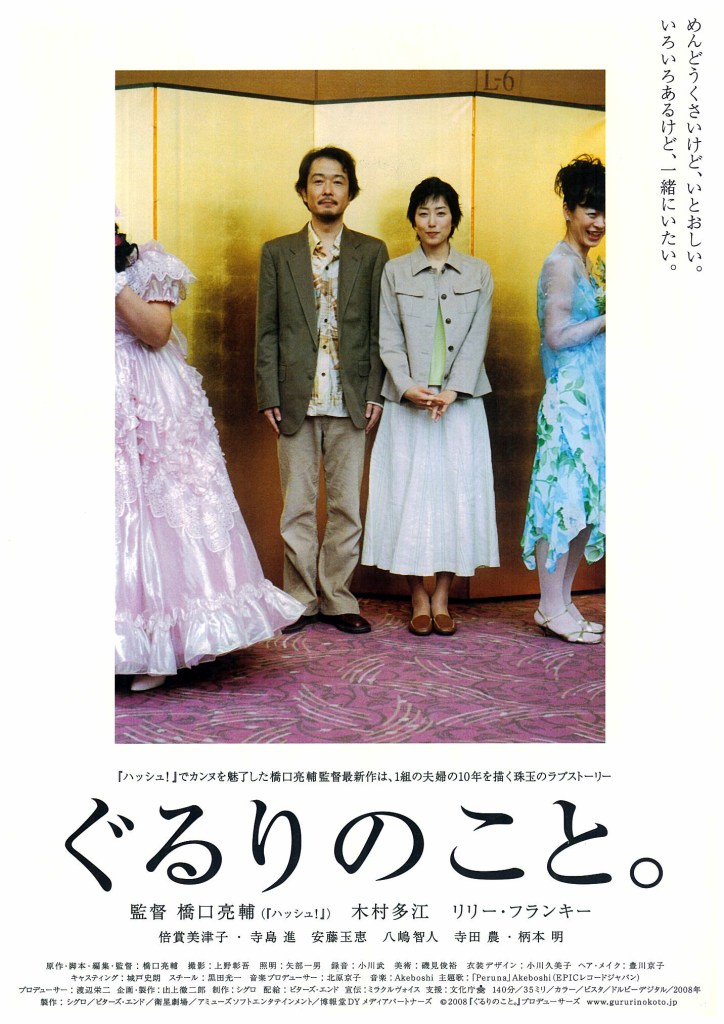 Ryosuke Hashiguchi returns after an eight year absence with All Around Us (ぐるりのこと。Gururi no Koto) and eschews most of his pressing themes up this by point by opting to depict a few “scenes from a marriage” in post-bubble era Japan. Set against the backdrop of an extremely turbulent decade which was plagued by natural disasters, terrorism, and shocking criminal activity Hashiguchi shows us the enduring love of one ordinary couple who, finding themselves pulled apart by tragedy, gradually grow closer through their shared grief and disappointment.
 The family drama is a mainstay of Japanese cinema, true, but, it’s a far wider genre than might be assumed. The rays fracture out from Ozu through to
 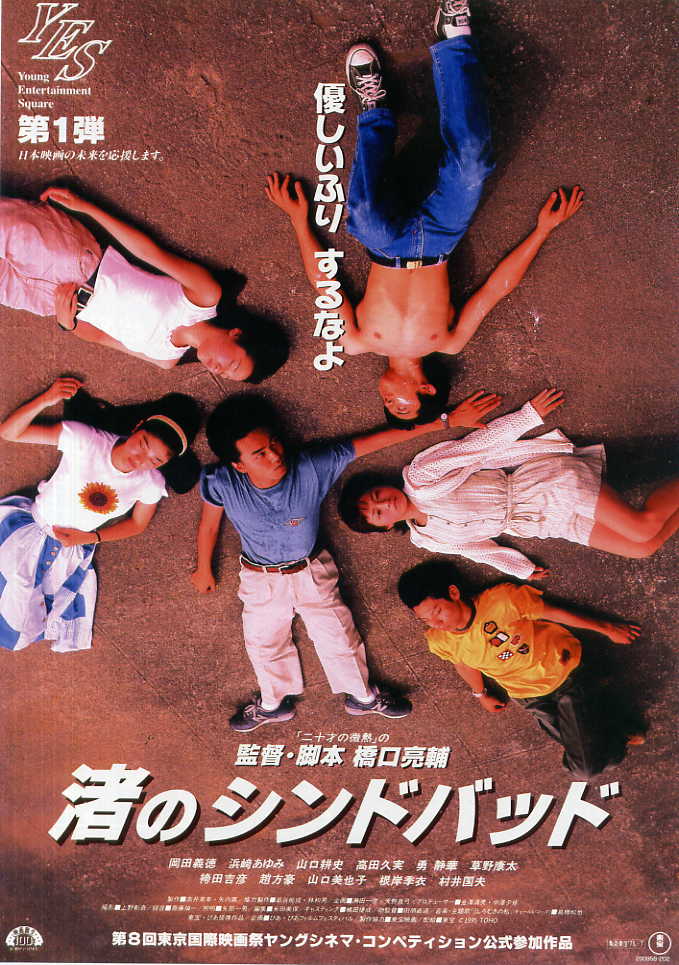 Adolescent romance is complicated enough at the best of times but the barriers are ever higher if you happen to be gay in a less than tolerant society. Ryosuke Hashiguchi’s second feature Like Grains of Sand (渚のシンドバッド, Nagisa no Sinbad) takes a slight step back in time from
 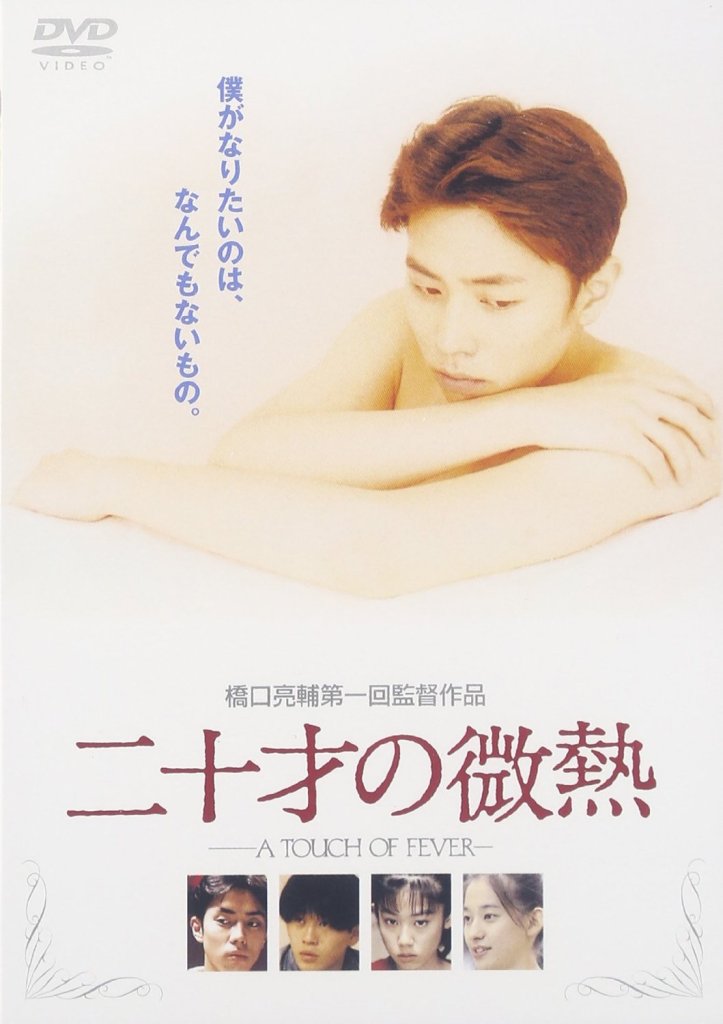 Ryosuke Hashiguchi’s debut feature A Touch of Fever (二十才の微熱, Hatachi no Binetsu) proved a surprise box office hit in Japan and is also credited for helping to bring male homosexuality into the mainstream. A no-budget movie shot on 16mm, A Touch of Fever is the story of two ordinary boys each going about their everyday lives whilst also beginning to understand themselves in terms of their sexualities, mirroring each other perfectly in their inner confusion.
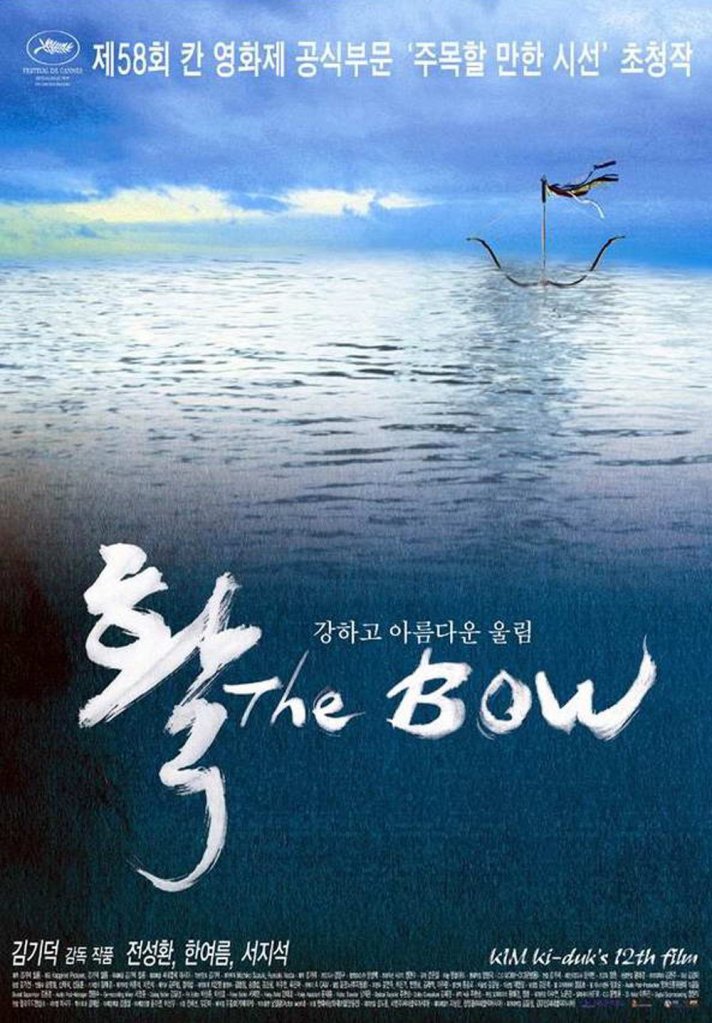 Kim Ki-duk is not known for his conventional approach to morality but even so his 12th feature, The Bow (활, Hwal), takes things to a whole new level of uncomfortable complexity. While nowhere near as extreme as some of Kim’s other work, The Bow takes the form of a fable as an old man and a young girl remain locked inside a mutually dependent relationship which, one way to another, is about to change forever.
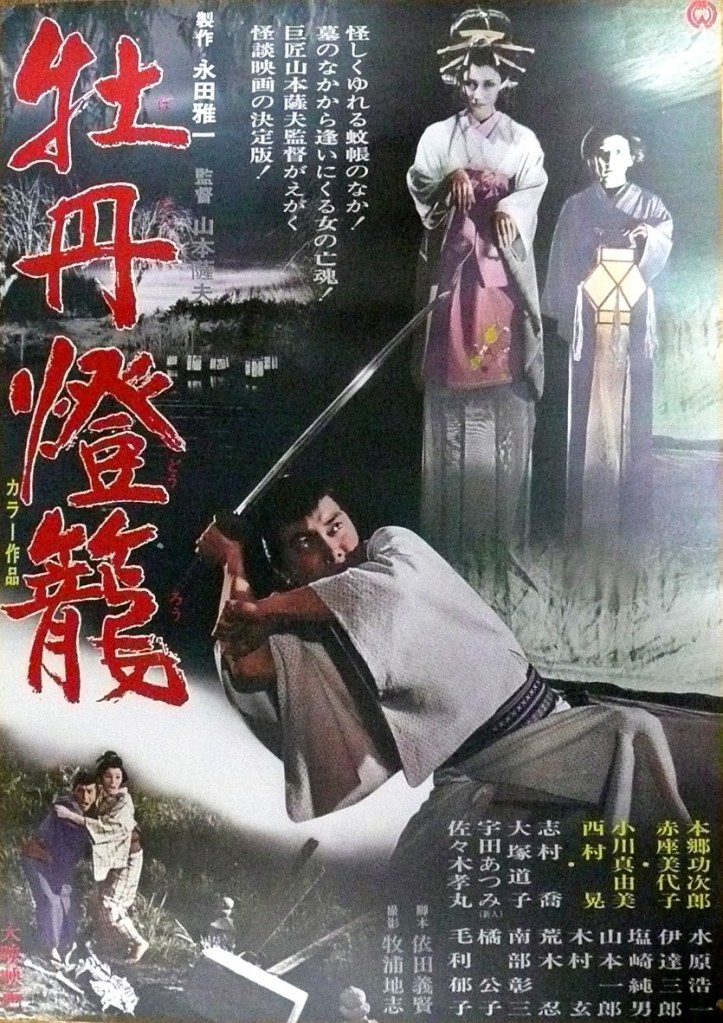 The Peony Lantern (牡丹燈籠, Kaidan Botan Doro) has gone by many different names in its English version – The Bride from Hades, The Haunted Lantern, Ghost Beauty, and My Bride is a Ghost among various others, but whatever the title of the tale it remains one of the best known ghost stories of Japan. Originally inspired by a Chinese legend, the story was adapted and included in a popular Edo era collection of supernatural tales, Otogi Boko (Hand Puppets), removing much of the original Buddhist morality tale in the process. In the late 19th century, the Peony Lantern also became one of the earliest standard rakugo texts and was then collected and translated by Lafcadio Hearn though he drew his inspiration from a popular kabuki version. As is often the case, it is Hearn’s version which has become the most common.
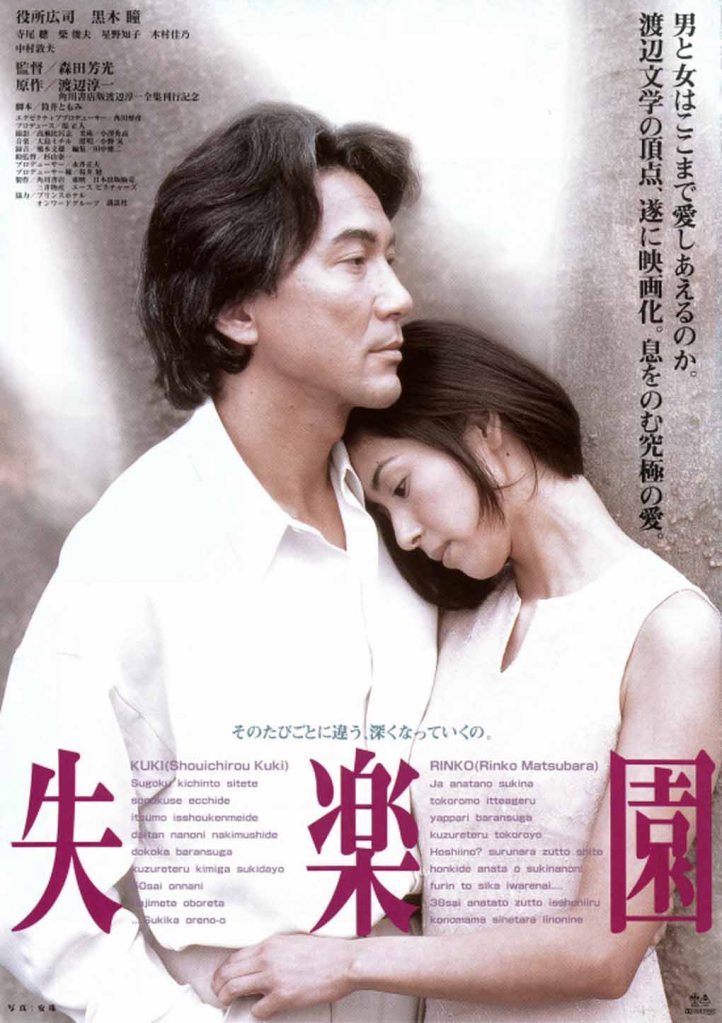 Yoshitmitsu Morita tackled many different genres during his extremely varied career taking in everything from absurd social satire to teen idol vehicles and high art films. 1997’s Lost Paradise (失楽園, Shitsurakuen) again finds him in the art house realm as he prepares a tastefully erotic exploration of middle aged amour fou. Based on the bestselling novel by Junichi Watanabe, Lost Paradise also became a breakout box office hit as audiences were drawn by the tragic tale of doomed late love frustrated by societal expectations.
