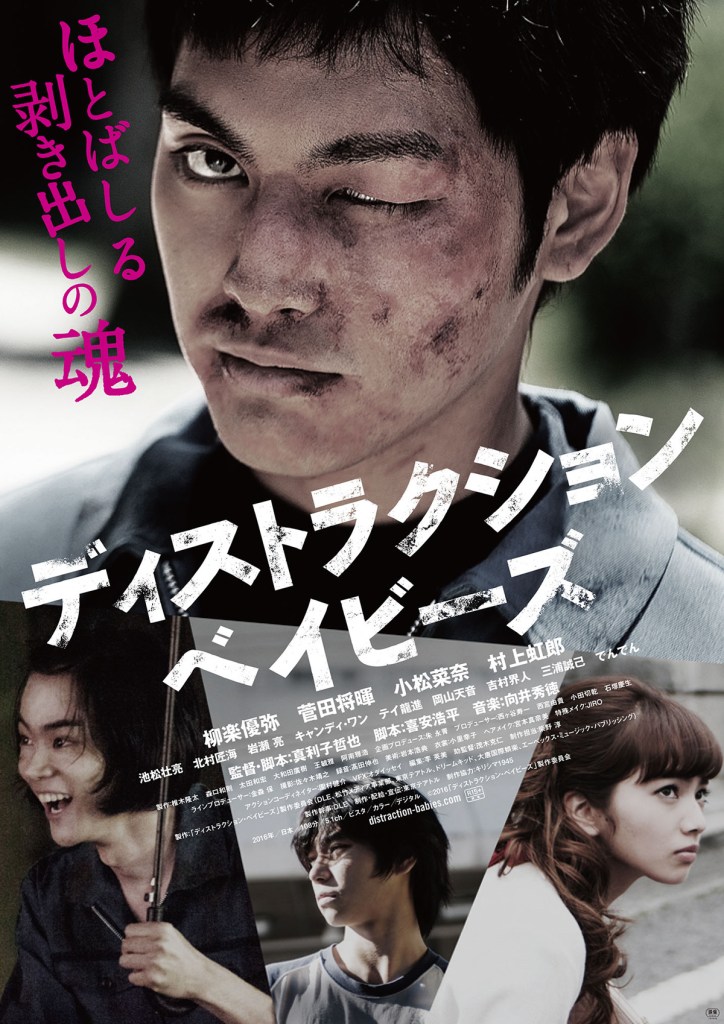
 Post-golden age, Japanese cinema has arguably had a preoccupation with the angry young man. From the ever present tension of the seishun eiga to the frustrations of ‘70s art films and the punk nihilism of the 1980s which only seemed to deepen after the bubble burst, the young men of Japanese cinema have most often gone to war with themselves in violent intensity, prepared to burn the world which they feel holds no place for them. Tetsuya Mariko’s Destruction Babies (ディストラクション・ベイビーズ) is a fine addition to this tradition but also an urgent one. Stepping somehow beyond nihilism, Mariko’s vision of his country’s future is a bleak one in which young, fatherless men inherit the traditions of their ancestors all the while desperately trying to destroy them. Devoid of hope, of purpose, and of human connection the youth of the day get their kicks vicariously, so busy sharing their experiences online that reality has become an obsolete concept and the physical sensation of violence the only remaining truth.
The rundown port towns of Shikoku are an apt place to stage this battle. Panning over the depressingly quiet harbour, urgent, thrumming electric guitars bring tension to the air as the younger of two brothers, Shota (Nijiro Murakami), catches sight of his only remaining family member, older brother Taira (Yuya Yagira). Currently in the middle of getting a beating from local thugs, Taira signals his intention to leave town, which he does after his boss breaks up the fight and tells him to get lost.
By the time Shota has crossed the river, his brother is already lost to him. A vengeful, crazed demon with strange, burning eyes, Taira has taken the same path as many an angry young man and headed into town spoiling for a fight. Driven by rage, Taira fights back but only to be fought with – he craves pain, is energised by it, and rises again with every fall stronger but a little less human.
As he says, he has his rules (as mysterious as they may be), but Taira’s violent exploits eventually find a disciple in previously cowardly high school boy Yuya (Masaki Suda) who discovers the potential violence has to create power from fear in witnessing Taira’s one man war of stubbornness with the local yakuza. Yuya, a coward at heart, is without code, fears pain, and seeks only domination to ease his lack of self confidence. Taira, random as his violence is, attacks only other males capable of giving him what he needs but Yuya makes a point of attacking those least likely to offer resistance. Proclaiming that he always wanted to hit a woman, Yuya drop kicks schoolgirls and sends middle aged housewives and their shopping flying.
The sole female voice, Nana (Nana Komatsu) – a kleptomaniac yakuza moll who finds her validation though shoplifting unneeded items selected for the pleasure of stealing them, originally finds the ongoing violence exciting as she watches the viral videos but feels very differently when confronted with its real, physical presence and each of the implied threats to her person it presents. Tough and wily, Nana is a survivor. Where Taira staked his life on violence and Yuya on the threat of it, Nana survives through cunning. The victory is hers, as hollow as it may turn out to be.
Mariko’s chilling vision paints the ongoing crime spree as a natural result of a series of long standing cultural norms in which contradictory notions of masculinity compete with a conformist, constraining society. The entire founding principle of the small town in which the film takes place is that men come of age through violence, though the older man who has (or claims to have) provided the bulk of parental input for these parentless brothers describes Taira as if he were the very demon such festivals are often created to expel. Men of 18 years carry the portable shrines, he repeatedly says, but 18 year old Taira is a “troublemaker” and “troublemakers” must leave the town altogether.
If Taira sought connection through violence, Shota continues to seek it through human emotions – searching for his brother, hanging out with his friends, and drawing closer to his brother’s boss who offers him differing degrees of fatherly input. In contrast to his peers, Shota seems to disapprove of the way his cocksure (false) friend Kenji (Takumi Kitamura) treats women though it is also true that Kenji is actively frustrating his attempts to find his brother whilst dangling a clue right before his eyes. Nevertheless, the harshness of this unforgiving world seems determined to turn Shota into the same rage filled creature of despair as his older brother as injustice piles on injustice with no hope of respite.
Destruction Babies is apt name for the current society – born of chaos, trapped in perpetual childhood, and thriving on violence. Taira and Shota were always outsiders in a world which organises itself entirely around the family unit but the force which drives their world is not love but pain, this world is one underpinned by the physical at the expense of the spiritual. Metaphorically or literally, the lives of the young men of today will entail repeated blows to the face while those of the young women will require ingenious sideward motions to avoid them. Oblique, ambiguous, and soaked in blood, Destruction Babies is a rebel yell for a forlorn hope, as raw as it is disturbing.
Screened as part of the Japan Foundation Touring Film Programme 2017 and set for UK release from Third Window Films later in the year.
Original trailer (English subtitles)

 They say the way to a man’s heart is through his stomach, but for some guys you’ll have to do a whole lot of baking. Based on the popular manga which was also recently adapted into a hit anime (as is the current trend) My Love Story!! (俺物語!!, Ore Monogatari!!) is the classic tale of innocent young love between a pretty young girl and her strapping suitor only both of them are too reticent and have too many issues to be able to come round to the idea that their feelings may actually be requited after all. This is going to be a long courtship but faint heart never won fair maiden.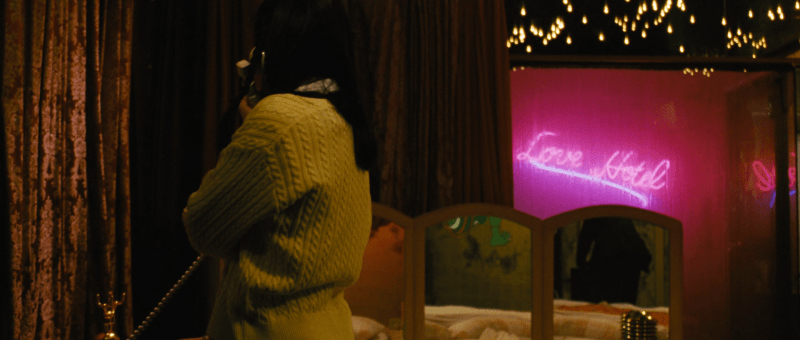

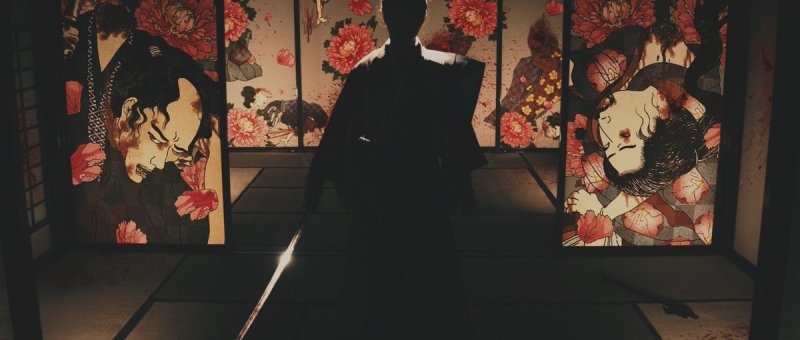
 All life is suffering, and all suffering is caused by desire. Ninko, the titular monk at the centre of this entertaining oddity from Norihiro Niwatsukino, seems to have taken this to heart and is suffering more than most in his attempts to reach Nirvana. Suffering of Ninko (仁光の受難, Ninko no Junan) takes its cues from the Hyaku-monogatari classical Japanese tales of ghosts and the supernatural as its seemingly comic story of a pretty monk and his ironic talent for attracting the wrong kind of attention gradually darkens until its unexpectedly strange finale. Visually striking if a little rough around the edges, Suffering of Ninko has a pleasantly organic quality as if its narrator were really making it up as she goes along only to tire of it a little by the end and give us a suitably spooky conclusion to send us on our way.
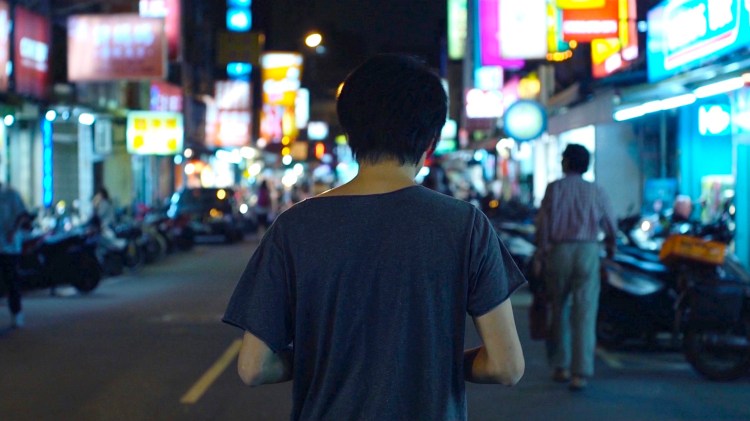 We don’t move forward in this dance, comments the lady currently being waltzed by a charming lost soul. Don’t worry, he says, that’s not a bad thing. Indeed, Out There, the first independent feature film from director Takehiro Ito exists in a fixed yet liminal space, here and not there as its protagonist finds himself without the proper place to be. Conceived as a way of salvaging some of the material collated for a documentary on the late Taiwanese director Edward Yang, Out There takes more of its cues from Tsai Ming-liang or even Lav Diaz in its preoccupation with the intersection between time, existence, and place. If that all sounds to weighty, there’s a little whimsy in here too, but the intent is a serious one as nationhood (or the lack of it), drifting cultures, love and history all conspire to confuse and distract the course of a young man in search of an identity which is entirely his own.
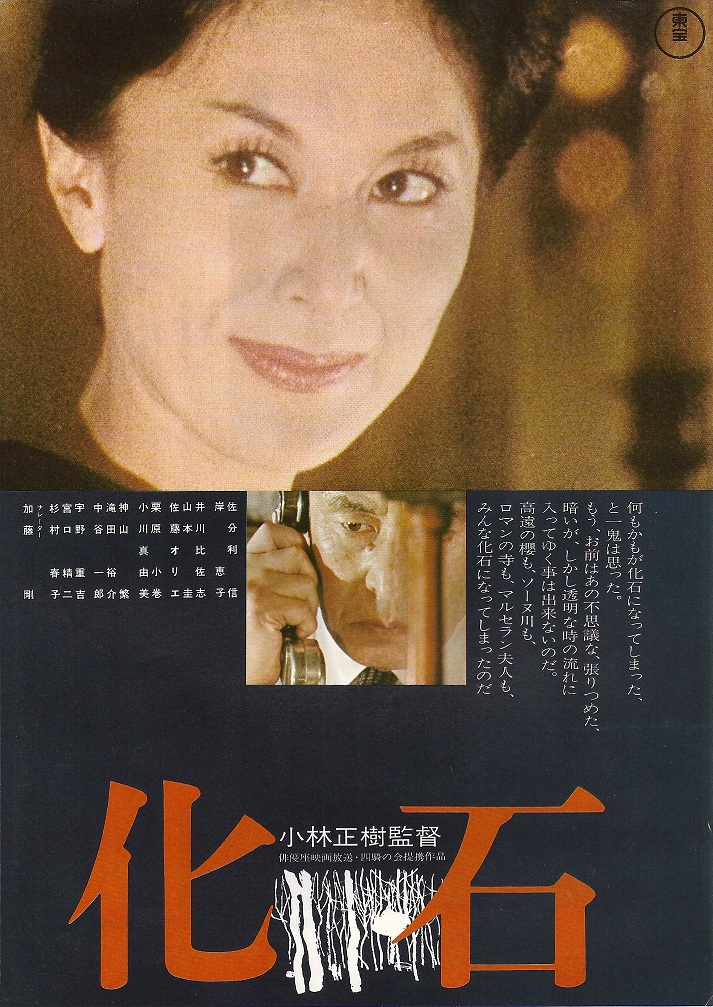 Throughout Masaki Kobayashi’s relatively short career, his overriding concern was the place of the conscientious individual within a corrupt society. Perhaps most clearly seen in his magnum opus,
  In this brand new, post truth world where spin rules all, it’s important to look on the bright side and recognise the enormous positive power of the lie. 2015’s April Fools (エイプリルフールズ) is suddenly seeming just as prophetic as the machinations of the weird old woman buried at its centre seeing as its central message is “who cares about the truth so long as everyone (pretends) to be happy in the end?”. A dangerous message to be sure though perhaps there is something to be said about forgiving those who’ve misled you after understanding their reasoning. Or, then again, maybe not.
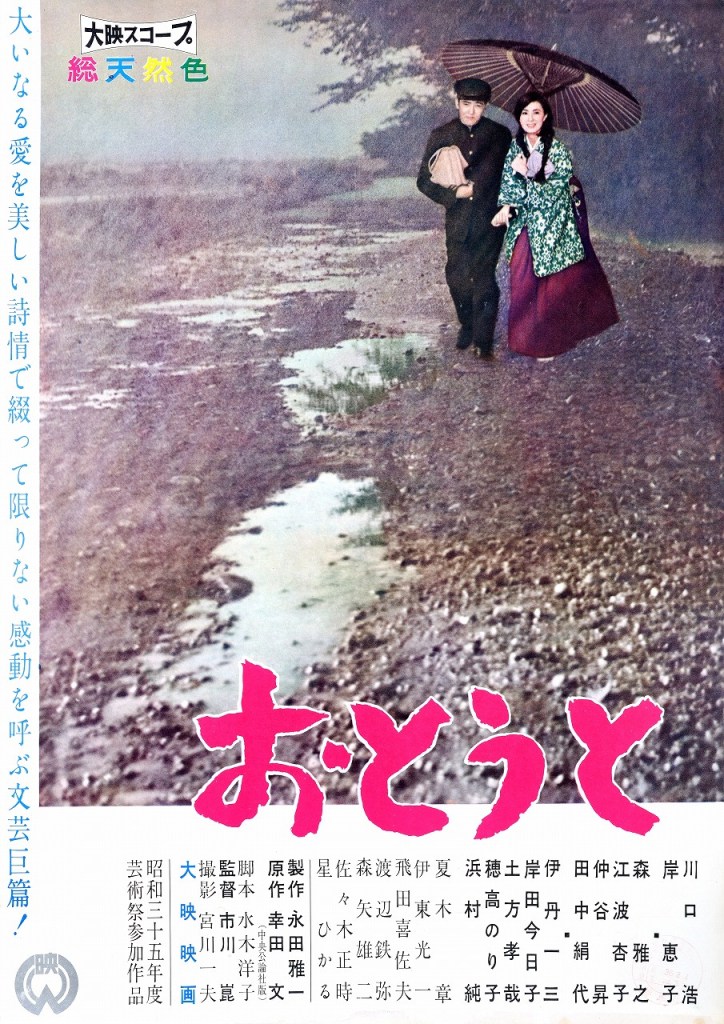 Perhaps oddly for a director of his generation, Kon Ichikawa is not particularly known for family drama yet his 1960 effort, Her Brother (おとうと, Ototo), draws strongly on this genre albeit with Ichikawa’s trademark irony. A Taisho era tale based on an autobiographically inspired novel by Aya Koda, Her Brother is the story of a sister’s unconditional love but also of a woman who is, in some ways, forced to sacrifice herself for her family precisely because of their ongoing emotional neglect.
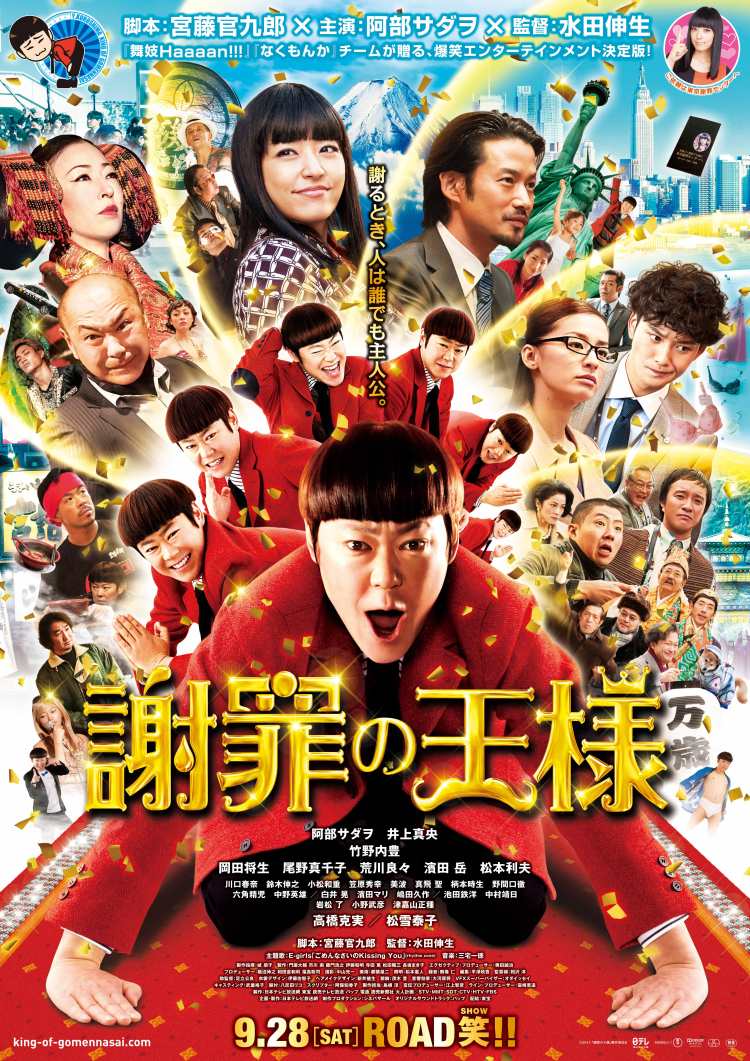 There are few things in life which cannot at least be improved by a full and frank apology. Sometimes that apology will need to go beyond a simple, if heart felt, “I’m Sorry” to truly make amends but as long as there’s a genuine desire to make things right, it can be done. Some people do, however, need help in navigating this complex series of culturally defined rituals which is where the enterprising hero of Nobuo Mizuta’s The Apology King (謝罪の王様, Shazai no Ousama), Ryoro Kurojima (Sadao Abe), comes in. As head of the Tokyo Apology Centre, Kurojima is on hand to save the needy who find themselves requiring extrication from all kinds of sticky situations such as accidentally getting sold into prostitution by the yakuza or causing small diplomatic incidents with a tiny yet very angry foreign country.
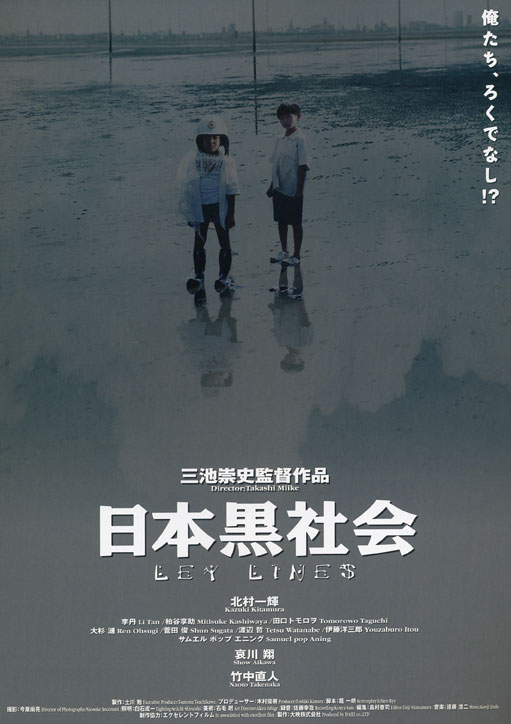 The three films loosely banded together under the retrospectively applied title of the Black Society Trilogy are not connected in terms of narrative, characters, tone, or location but they do all reflect on attitudes to foreignness, both of a national and of a spiritual kind. Like Tatsuhito in the first film,
