
Fantasia International Film Festival Confirms Complete 2026 Programme

The Fantasia International Film Festival returns for its 30th edition taking place once again in Montreal from July 16 to Aug. 2. As usual this year’s programme includes a host of new and classic features from East Asia:

China
Hong Kong

Indonesia

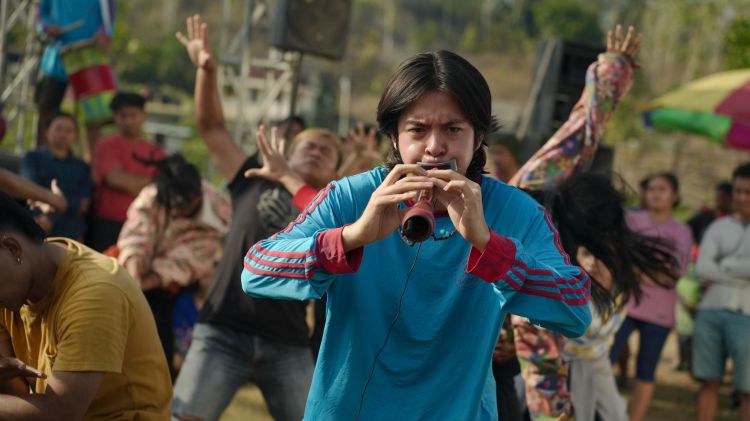
  • Levitating – Supernatural drama in which a young man dreams of becoming a shaman.
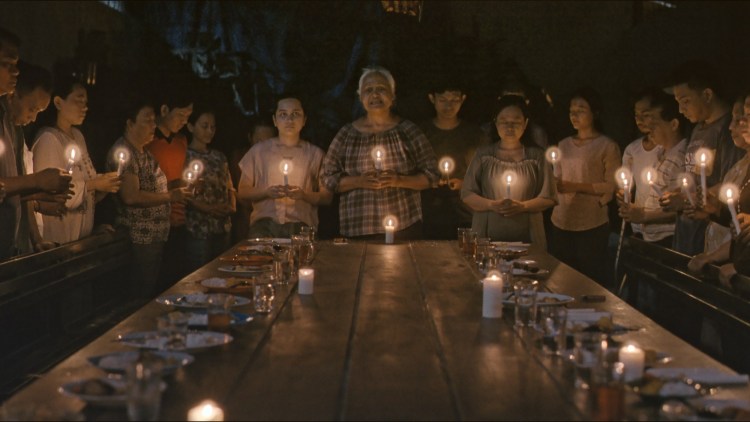
  • Sleep No More – Darky comic supernatural thriller from Edwin.

Japan
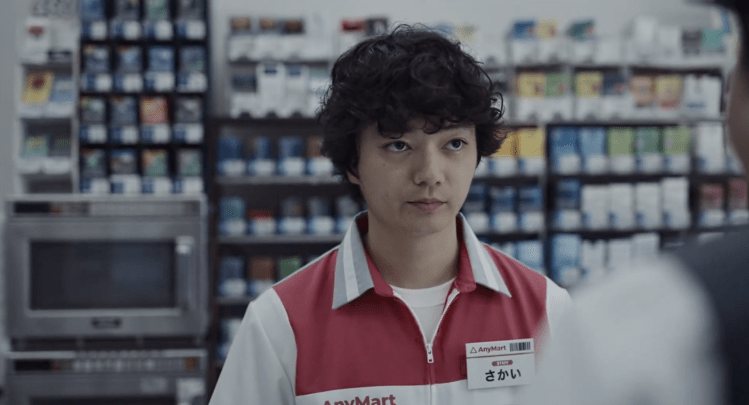
  • AnyMart – Bloody combini life satire starring Shota Sometani.
  • Beasts Clutching at Straws – Crime thriller directed by Hideo Jojo and adapted from the novel by Keisuke Sone previously adapted in Korea as Beasts Clawing at Straws.
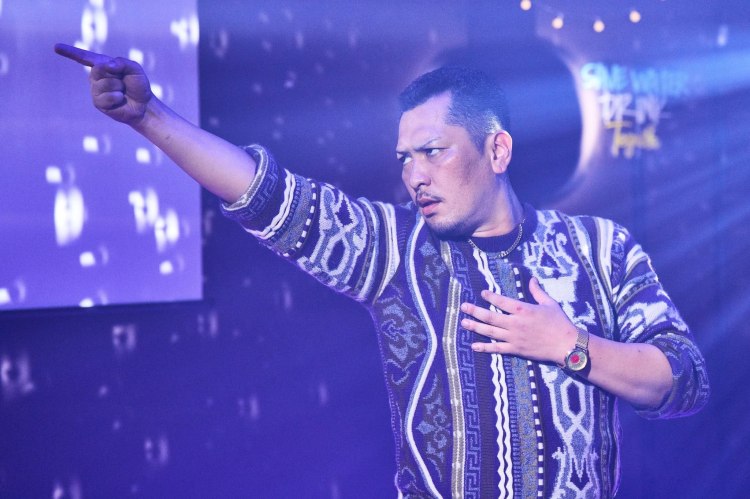
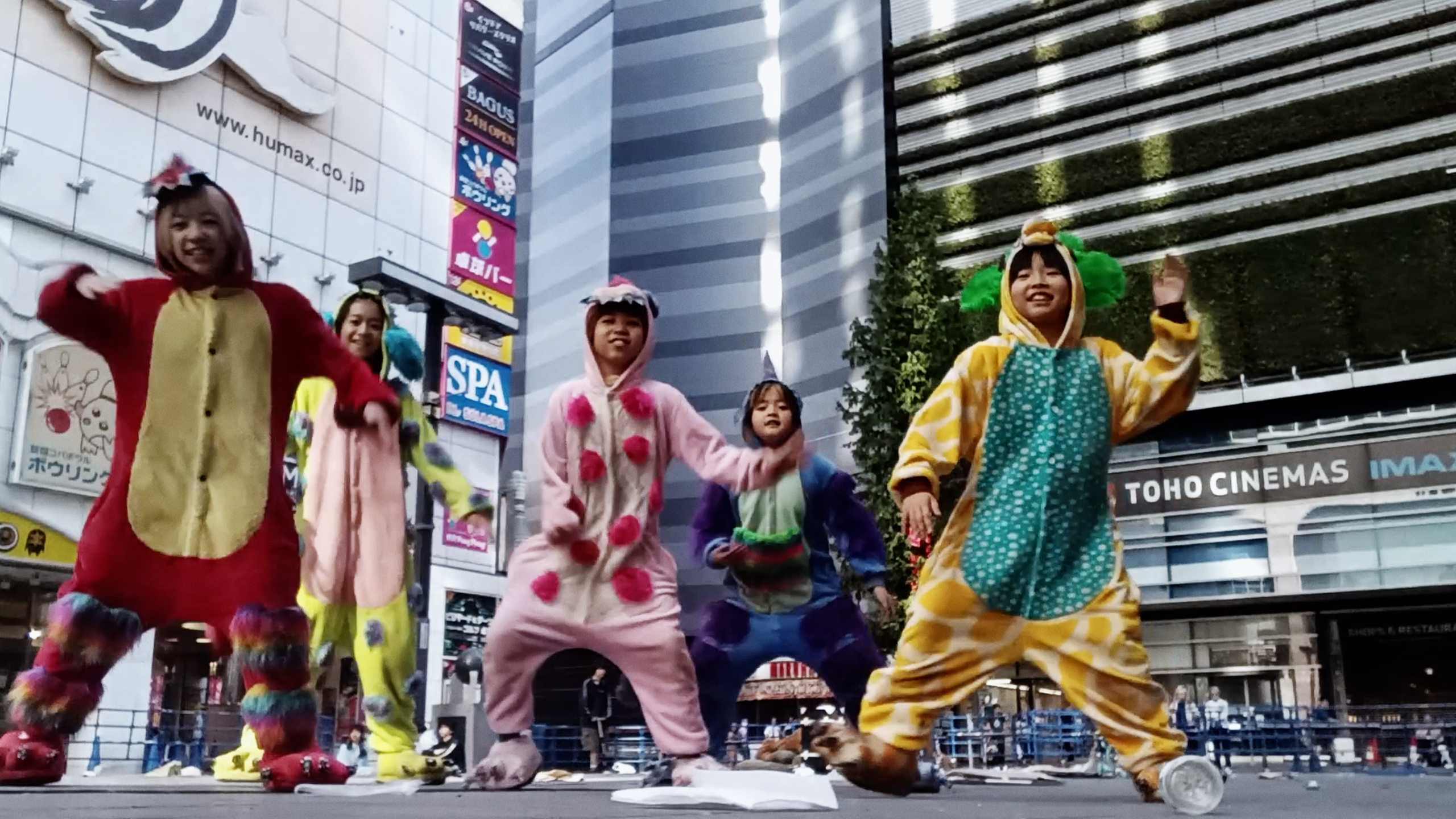
  • Break Free – Zany comedy in which a yakuza’s tiktok dance goes viral.
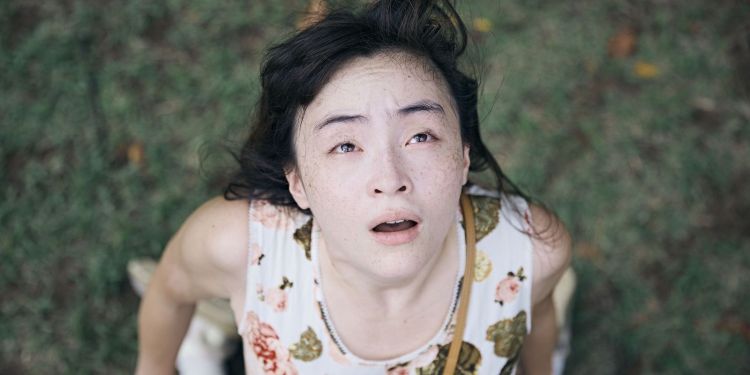
  • Captured! – Quirky horror in which a young woman starts a horror blog only to find herself haunted for real.
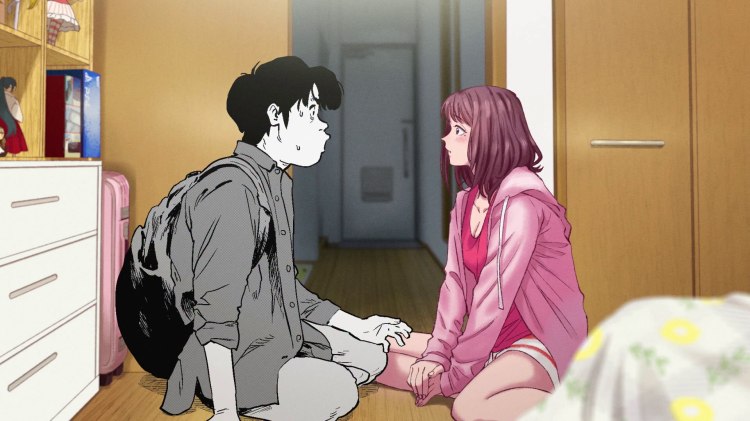
  • Cherry and Virgin  – Animation exploring the relationship between a commercial illustrator and an erotic manga artist.
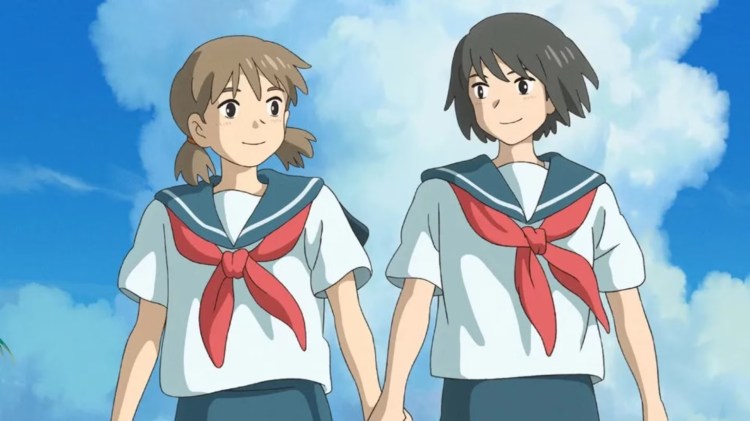
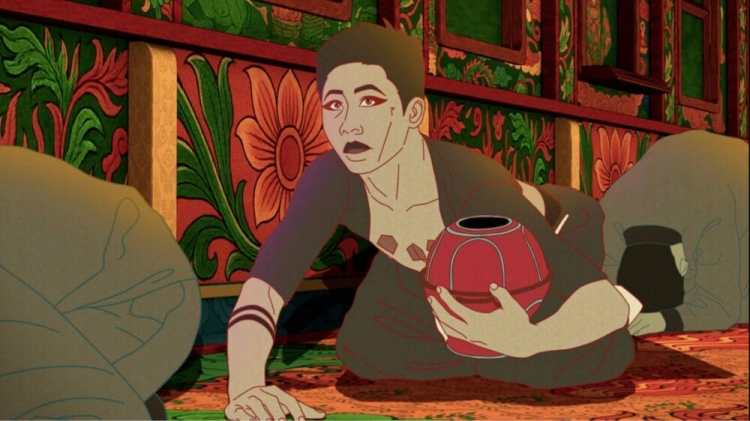
  • Cocoon – One Summer of Girlhood  – Animated adaptation of the manga by Machiko Kyo recounting the story of the Lily Corps during the Battle of Okinawa.
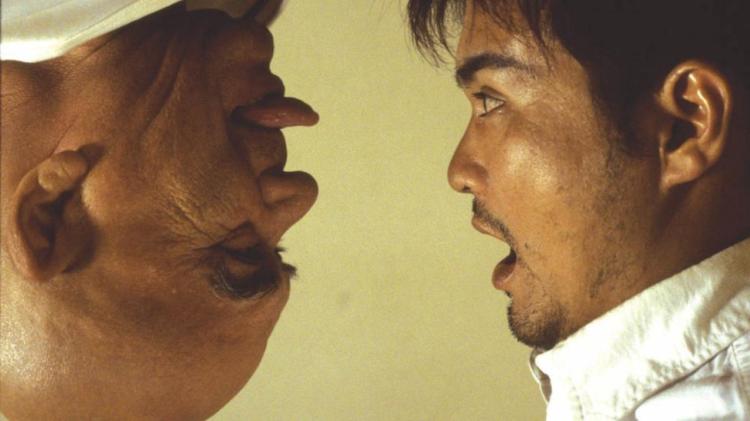
  • Gozu – Surreal gangster drama from Takashi Miike.
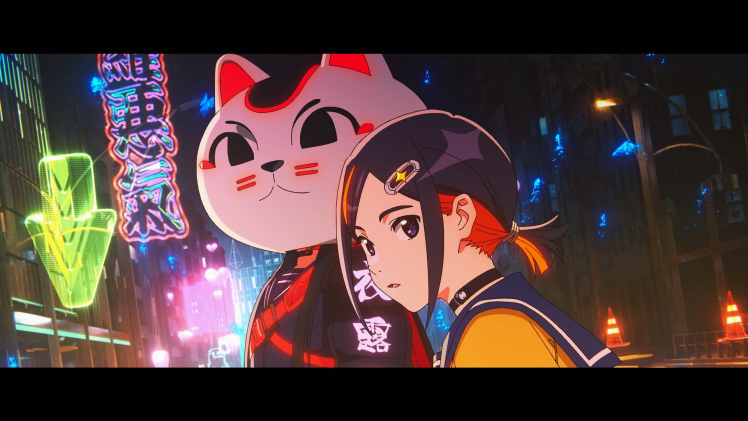
  • GROTESQQQUE – Three part anime anthology from Atsushi Nishigori. World Premiere.
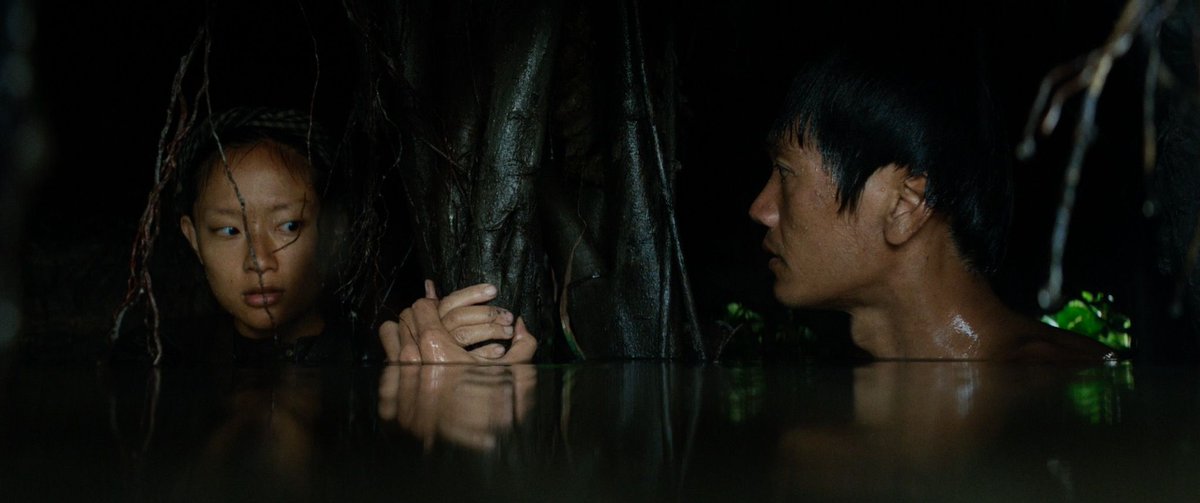
  • The Mouths – Horror from Takashi Shimizu in which university friends investigate a haunted tree.
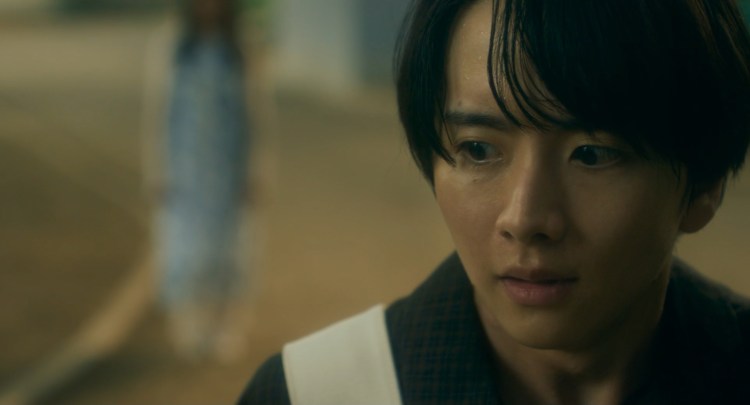
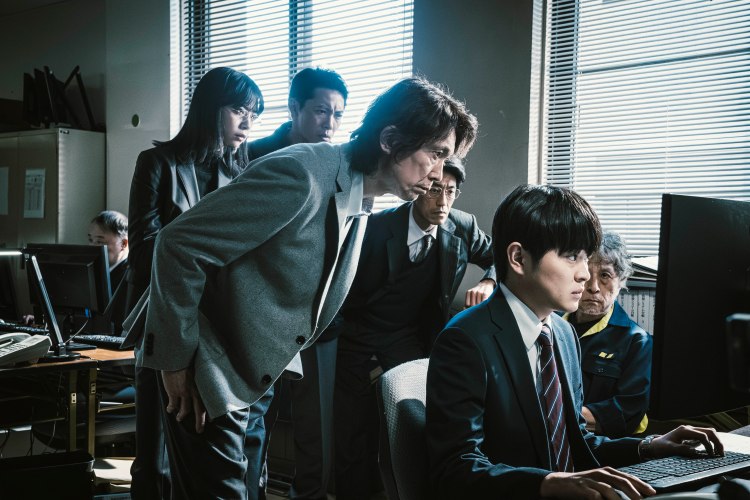
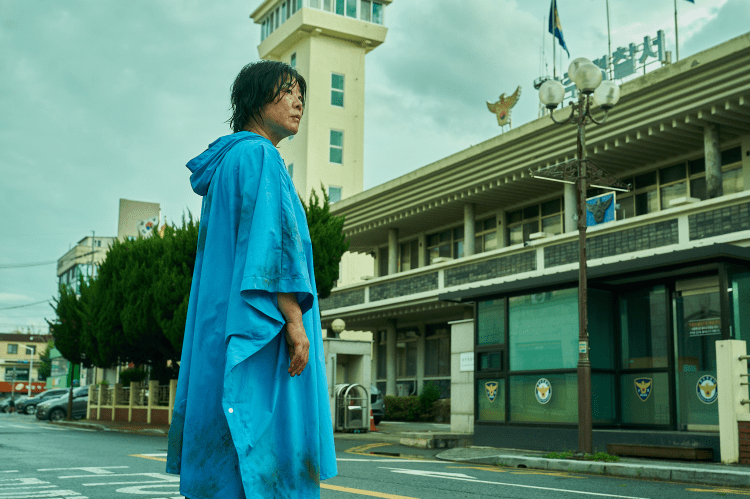
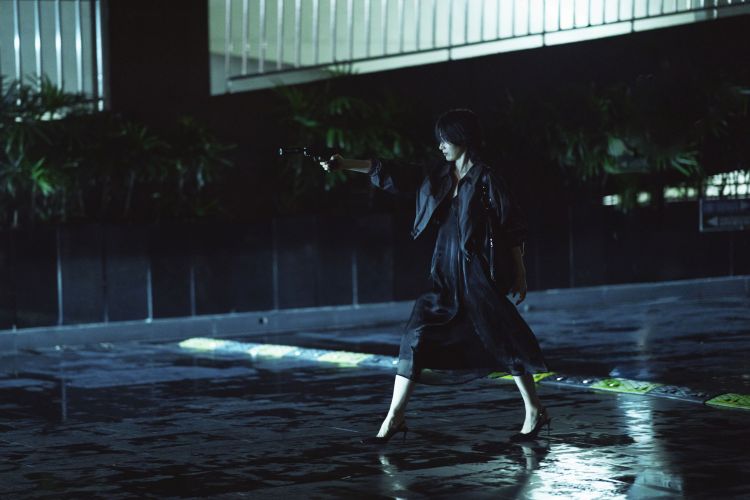
  • Nameless – A man who can kill with a seemingly invisible weapon goes on the rampage after being harangued by a religious woman in a cafe, leaving police and witnesses baffled in Hideo Jojo’s adaptation of the manga by actor and comedian Jiro Sato. Review.
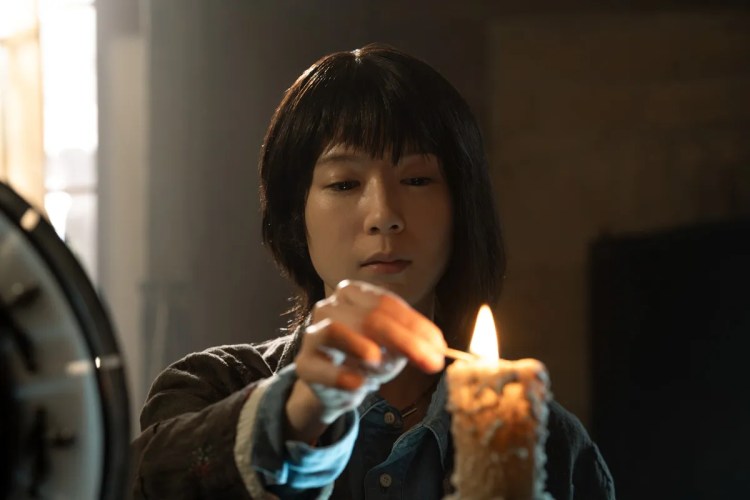
  • Never After Dark – Horror from Dave Boyle following a spirit medium who guides wandering souls to the afterlife.
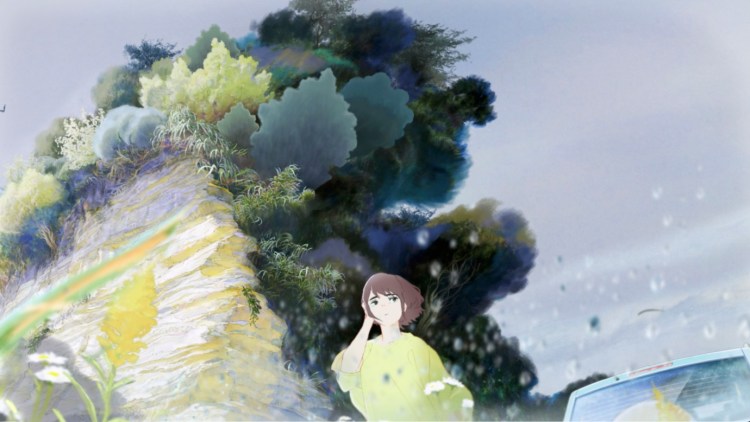
  • A New Dawn – Anime in which childhood friends reunite and two brothers face the closure of their family fireworks factory.
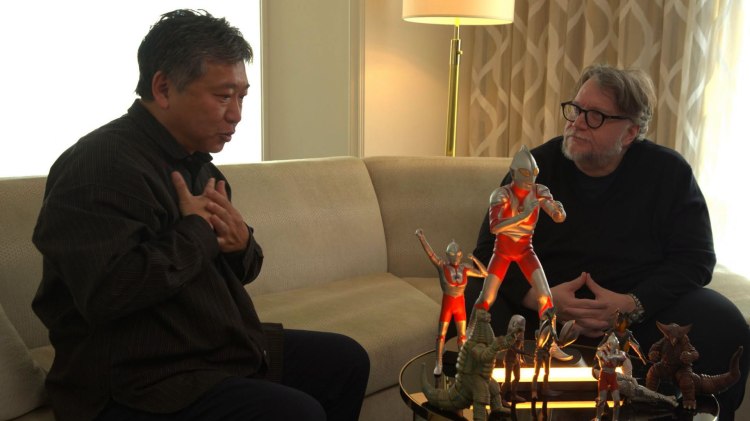
  • The Origin of Ultraman – Documentary exploring the origins of the classic tokusatsu series overseen by Hirokazu Koreeda.
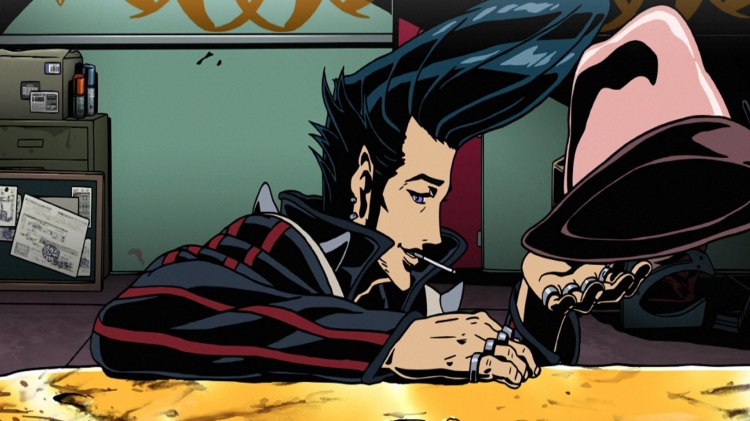
  • Redline – Takeshi Koike’s classic 2009 racing-themed anime.
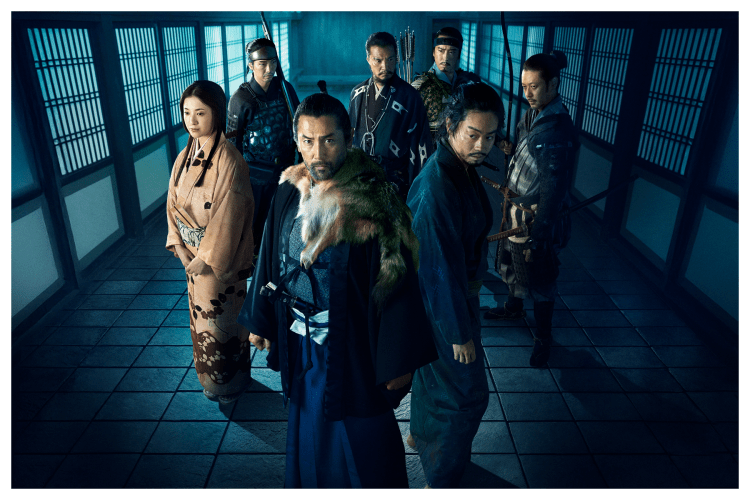
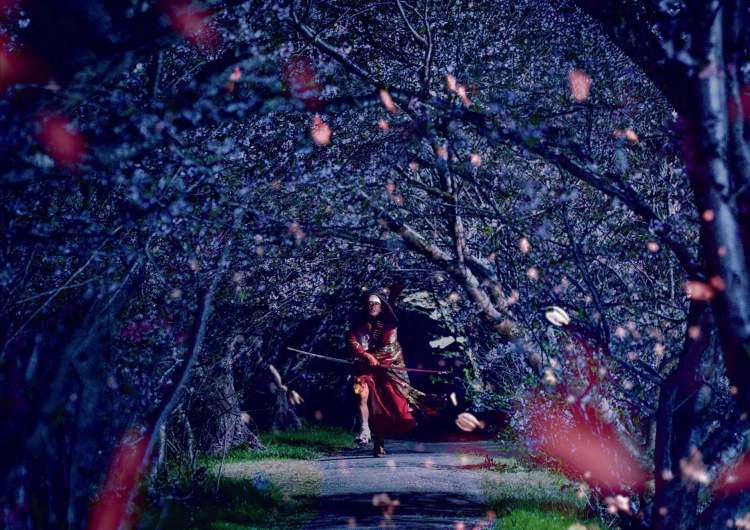
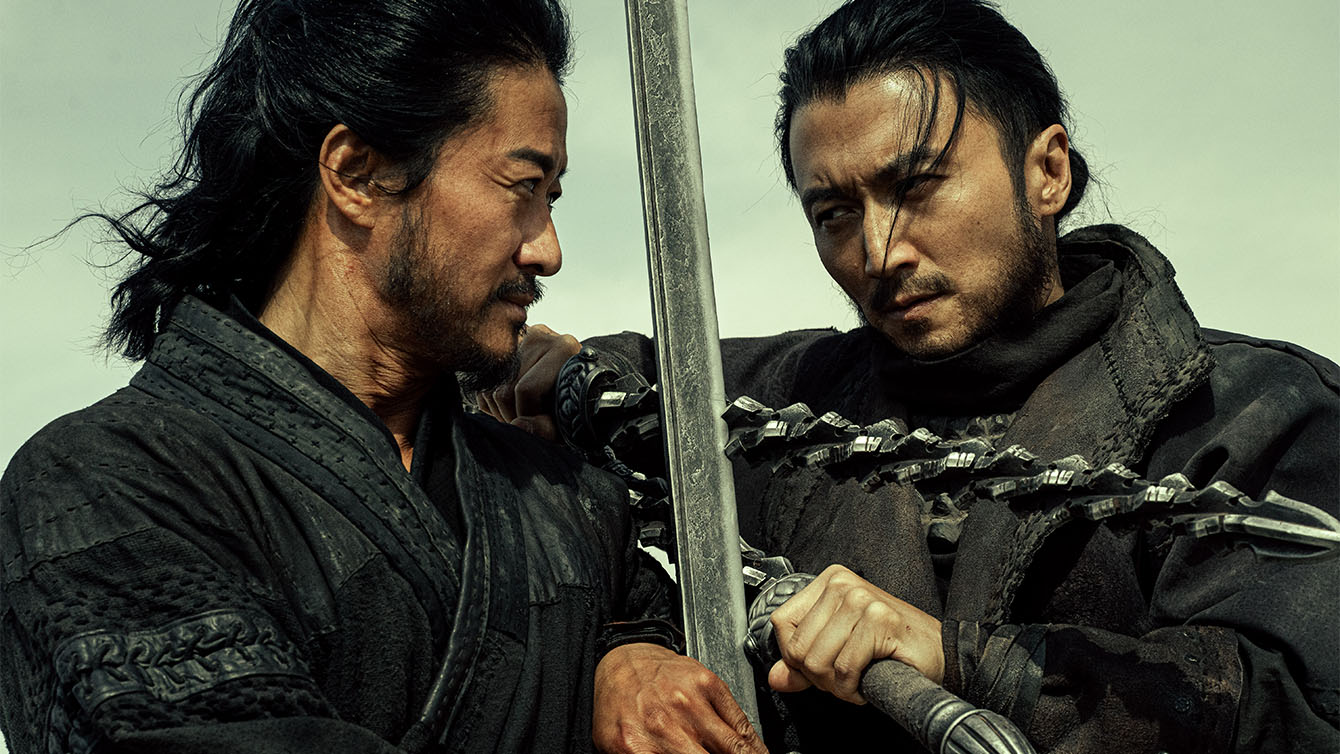
  • The Samurai and the Prisoner – Mystery period drama from Kiyoshi Kurosawa.
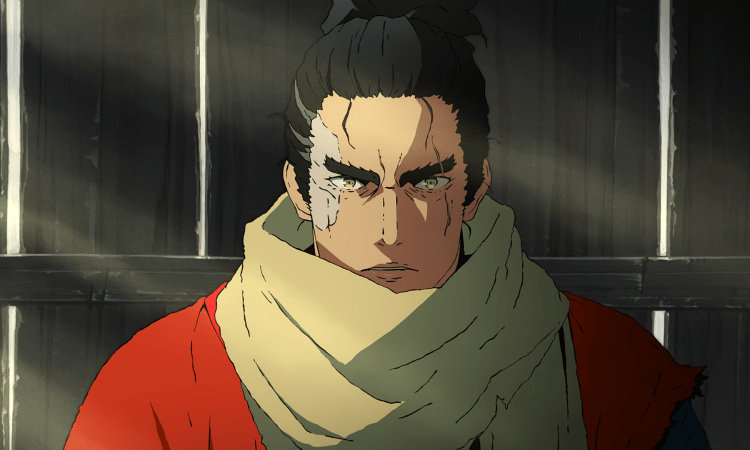
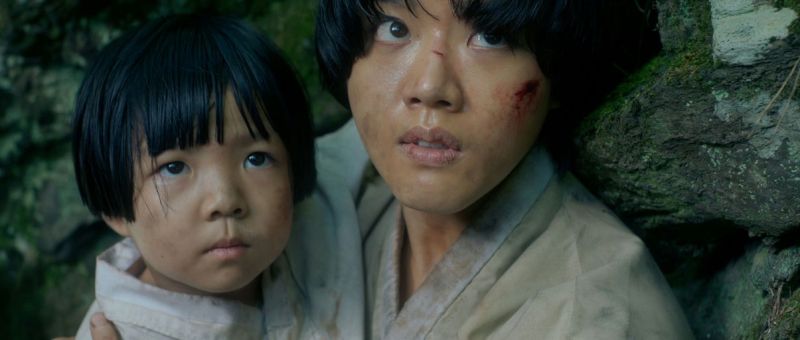
  • Sekiro: No Defeat – Anime set in the Sengoku era in which a ninja must rescue a kidnapped child.
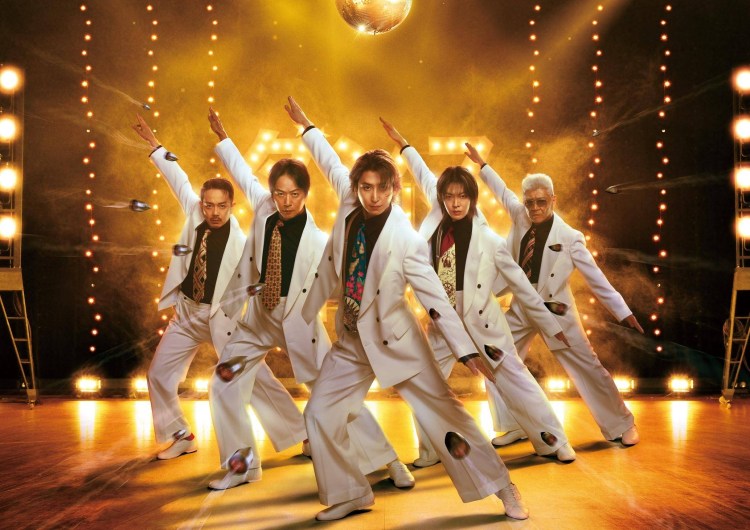
  • The Specials – Comedy from Eiji Uchida in which yakuza must post as a dance troupe to assassinate a rival.
  • Suzuki=Bakudan – Cat and mouse game between a mass bomber and a brainy policeman. Review.
  • TOKYO BURST: Crime City – Japanese spin-off of Ma Dong-seok’s Roundup series directed by Eiji Uchida.
  • Village of Eight Gravestones – Adaptation of the classic novel by Seishi Yokomizo directed by Takashi Shimizu.
  • When You Open the Door – Horror starring Serena Motola as a young woman drawn to a woodland shrine.
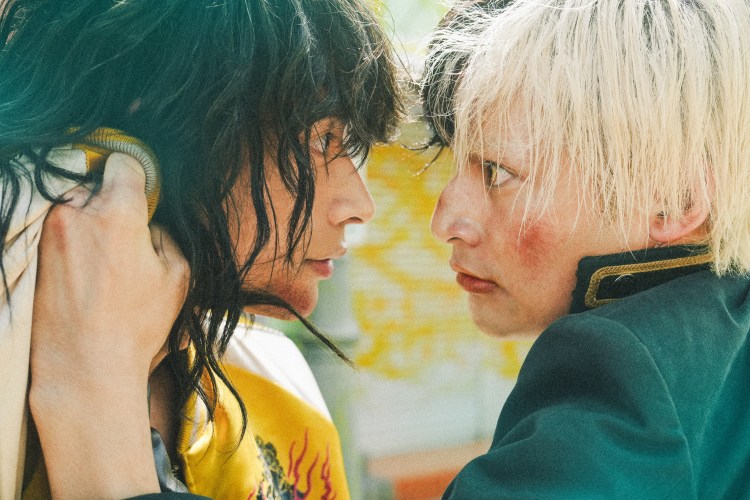
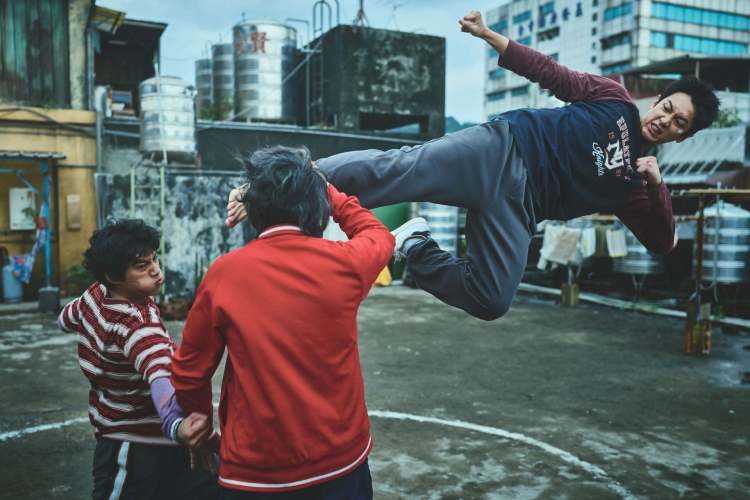
  • Wind Breaker – High school fighting drama from Kentaro Hagiwara.
  • You Are the Film – Directorial debut from screenwriter Makoto Ueda in which a screenwriter and musician somehow end up watching each other’s experience on the big screen.

Philippines
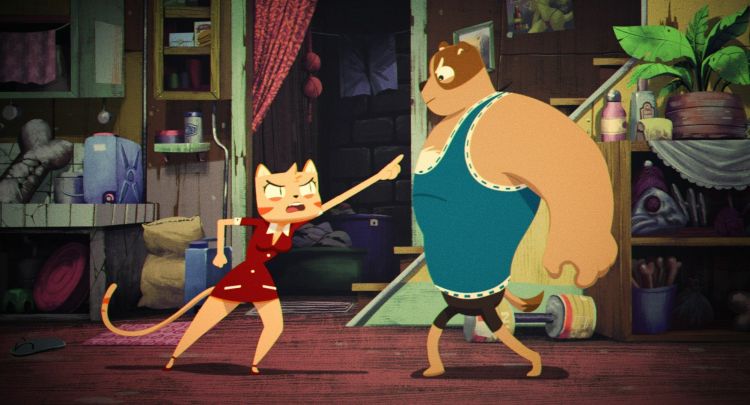
  • Hayop Ka! – Steamy grown-up animation following the romantic adventures of a shopworker.
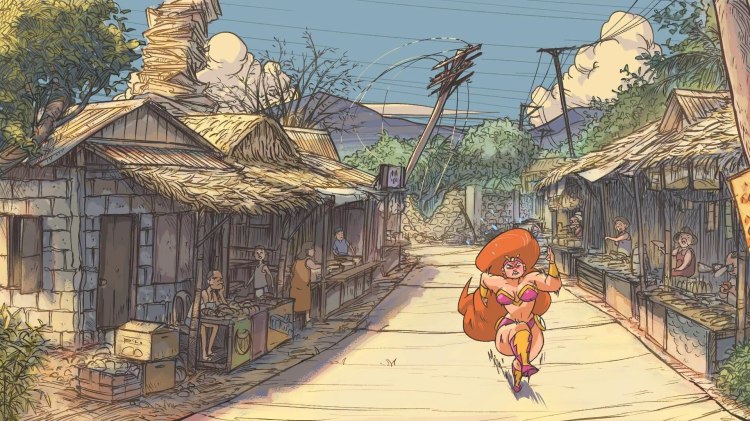
  • Zsazsa Zaturnnah – LGBTQ+ themed superhero animation.

South Korea
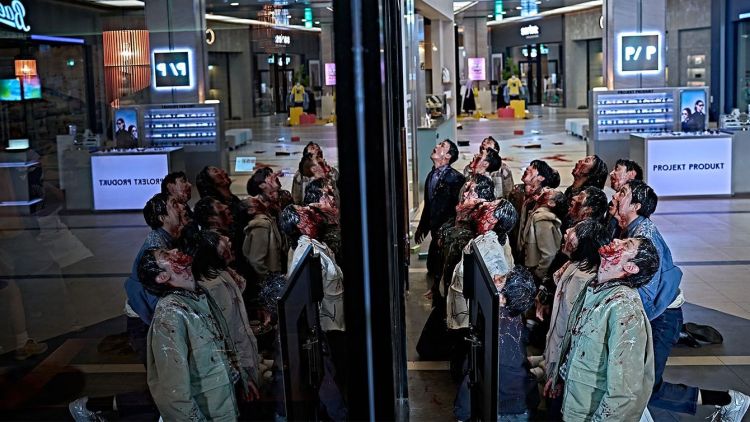
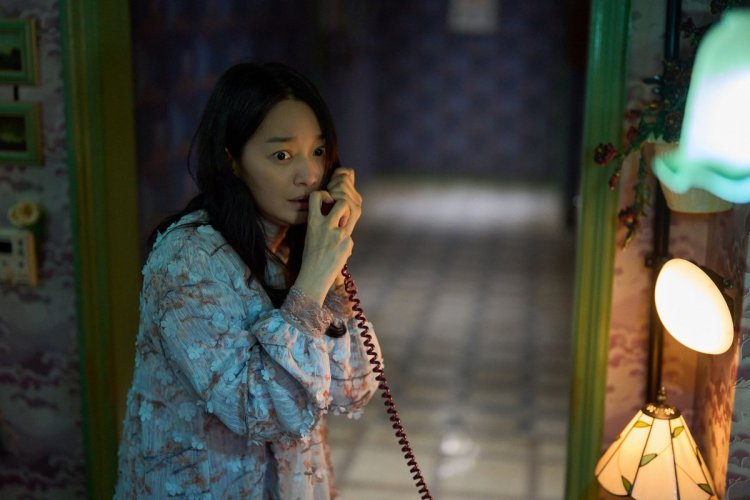
  • Colony – Latest from Yeon Sang-ho in which a professor is trapped in a building with a mysterious virus.
  • The Eyes – Korean take on Julia’s Eyes.
  • The Journey to Gyeong-Ju – A mother sets out to get revenge against the man who killed her youngest child.
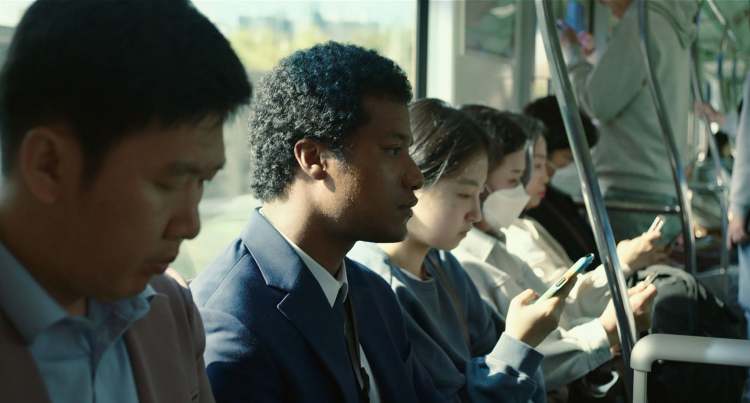
  • The Mutation – A man discriminated against because of his skin colour and a gay woman whose partner took her own life after being forced into a heterosexual marriage embark on a road trip.
  • Niko – A broke screenwriter suddenly disappears in Seoul.
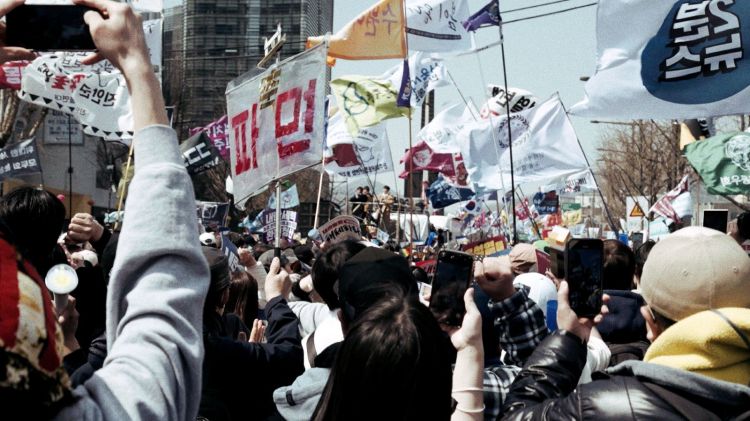
  • The Seoul Guardians – Documentary focusing on Yoon Suk-yeol’s declaration of martial law.
  • Tristes Tropiques – Children trained to be assassins turn against each other in this action thriller from Park Hoon-jung.

Taiwan
Thailand

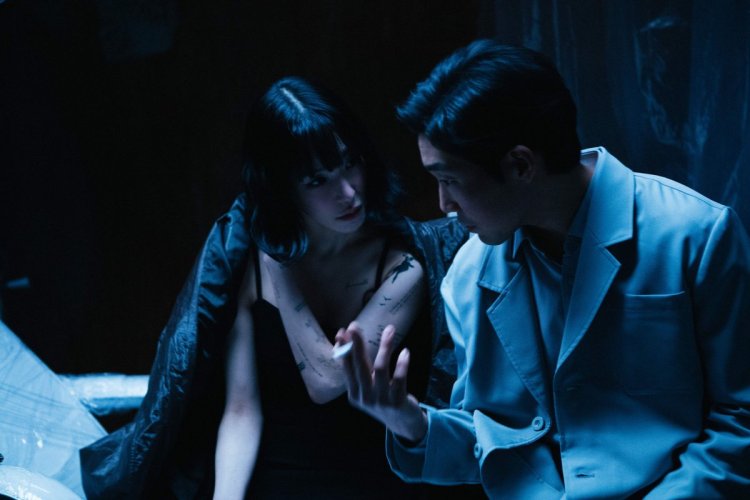
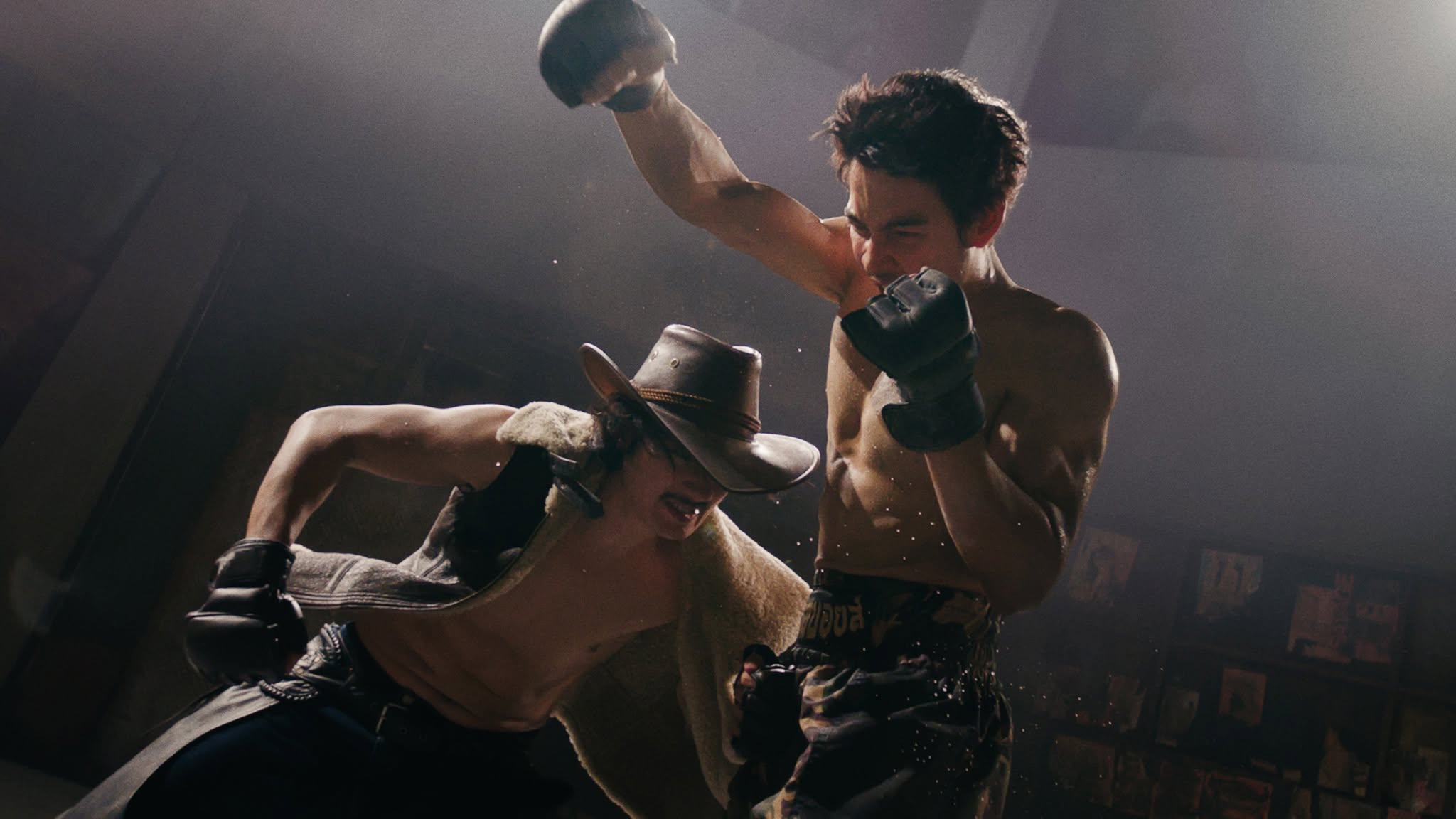
  • God Skin – A desperate young man agrees to fight in a tournament in which rich people can send booster shots to their favourite players through VR tattooes.

Vietnam
The Fantasia International Film Festival runs in Montreal, Canada, July 16 to Aug 2. Full details for all the films along with scheduling and ticketing information are available via the official website, and you can also keep up with all the latest news via the festival’s Facebook page, Bluesky, Instagram, and Vimeo channels.
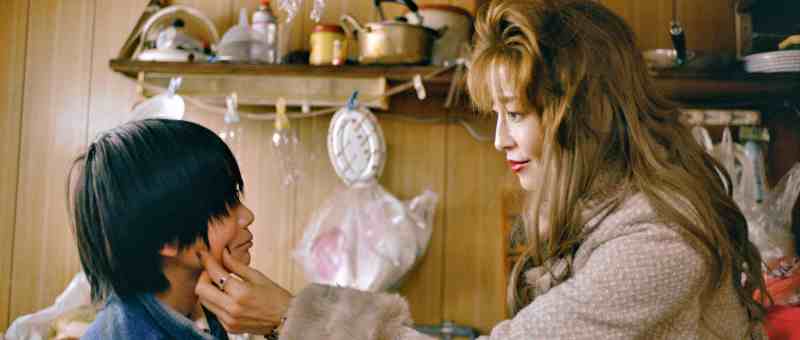
Numb (しびれ, Takuya Uchiyama, 2025)

At 11-years old, Daichi (Anji Kato / Tsukasa Enomoto / Takumi Kitamura as a child, teen, and adult respectively) is mostly living alone as his bar hostess mother is absent for days at a time leaving him with only a small amount of money to feed himself until the next time she returns. Rendered mute by the childhood trauma of his father’s domestic violence, he lives an almost entirely isolated experience, shying away from contact with adults and no longer attending school.  Given his circumstances, he has become used to shoplifting and pilfering from neighbours, but even this is perhaps partly born of his desire to avoid potentially dangerous interactions.

Unlike similar Japanese dramas, Takuya Uchiyama’s semi-autobiographical film Numb (しびれ, Shibire) is less interested in the ways that a boy like Daichi has been failed by society than his subjective experience. It is, however, notable how easy it seems to have been for him to fall through the cracks. No one ever seems to get in contact to ask why he hasn’t been in school nor does anyone appear to investigate his living standards. The landlord of his building takes advantage of the situation to extract sexual favours from his mother, Aki (Rie Miyazawa), who grants them in order to ensure they can stay in their home, a prefab shed on the roof where the water is often cut off because she hasn’t paid the bill. Though just a child, Daichi drags a canister that would normally hold kerosene down to the river, fills it, then has to carry it home and up the stairs to the roof all alone. He washes his mother’s clothes and dries them in the stairwell. Despite having no money, he spends his last coins on beer and cigarettes from a vending machine for her.

Yet at the same time, his mother’s circumstances are also caused by her trauma of suffering domestic abuse at the hands of his father (Masatoshi Nagase) who seems to have at point abandoned them. Working as a bar hostess necessarily means she is often absent at night, though her increasing dependency on drugs and alcohol along with their precarious living situation forces her into acts of casual sex work. To that extent, the course of her life is directly contrasted with that of her older sister with whom the pair later move in. Tomoko has become a Jehovah’s Witness and religious obsessive who does not exactly treat the pair with kindness or compassion. A line of red tape divides the apartment with Aki and Daichi occupying the living area but forbidden from crossing the threshold into Tomoko’s religious sanctuary. She appears judgemental of her sister and is at least party to her signing a Do Not Resuscitate order, though she insists that has nothing to do with her religious beliefs and was entirely Aki’s decision. Nevertheless, she coldly tells Daichi to get out of town once his mother dies and implies she finds his existence an embarrassment.

Denied any kind of emotional connection with parental figures, Daichi’s only source of positive input comes from a Russian labourer who discourages him from hanging around near the construction site which he says is dangerous due to the high levels of Russian drug users. Ivan gives him fatherly advice and comfort despite their apparently only meeting twice, but at the same time it’s clear that by virtue of his presence in Japan he has at least physically been absent from the life of his son back in Russia. Nevertheless, he presents an image of positive paternity to counter that from each of the men Aki becomes involved with who are violent towards her and tell Daichi that they’ve always hated his eyes, presumably because they are filled with contempt and remind them of what utter failures they have become. 

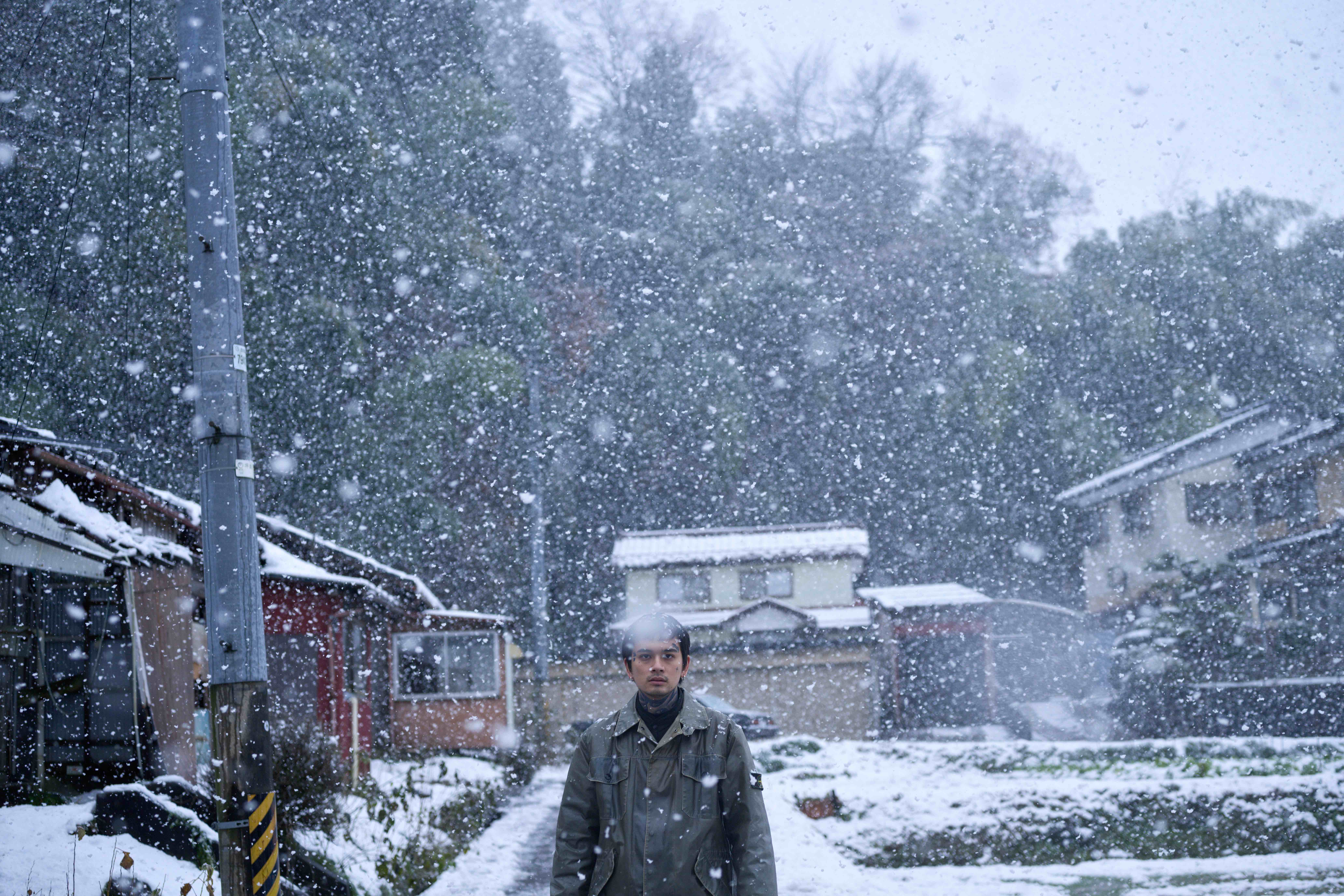
Forced into an early adulthood, the older Daichi makes ends meet covertly dealing drugs as a barman and appears to be trapped in a state of inertia by unresolved childhood trauma. A violent confrontation with his father solves nothing, though a kind of release arrives in finally letting go of his mother and taking her advice to move on. Shot on 16mm, the film captures the bleakness and isolation of Daichi’s life in snowy Niigata where it always seems to be Christmas for everyone but him as he slowly embarks upon a path towards recovering his voice.


Numb screens as part of this year’s JAPAN CUTS.

Bird of Paradise (媽樣年華, Wu Chui-yi, 2026)

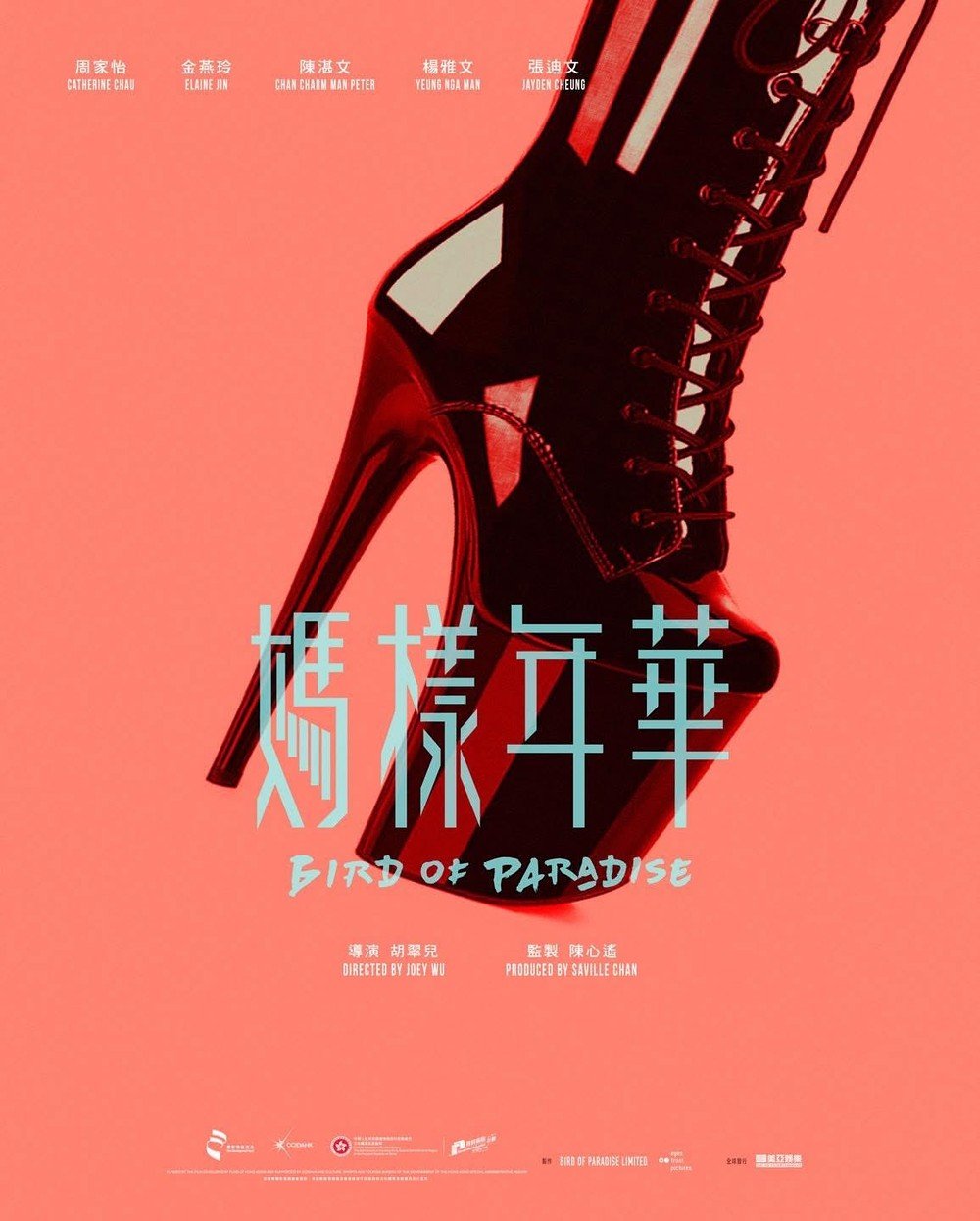
Feeling trapped in her marriage to a dull and patriarchal husband, a middle-aged woman finds a new lease on life after taking up pole dancing in Wu Chui-yi’s lighthearted drama Bird of Paradise (媽樣年華). Having lived only for her husband and son, Yeun begins to crave self-fulfilment, yet knows that her new hobby won’t go down too well with her family and is forced to keep it a secret even as her newfound confidence begins to grow.

After realising she’s actually taking the same class as her teenage son’s crush Shan, Yuen ends up using a different name at the studio further compounding the fracturing of her identity and echoing her assertion that pole dancing allowed to see another version of herself that was beautiful, amazing, and free. Ironically, Shan seems to have a lot of the confidence that Yuen has lost and perhaps bears out the advice she receives from a supportive shop assistant that the projection of beauty is largely a matter of conviction. Believe yourself to be beautiful, and others will too. 

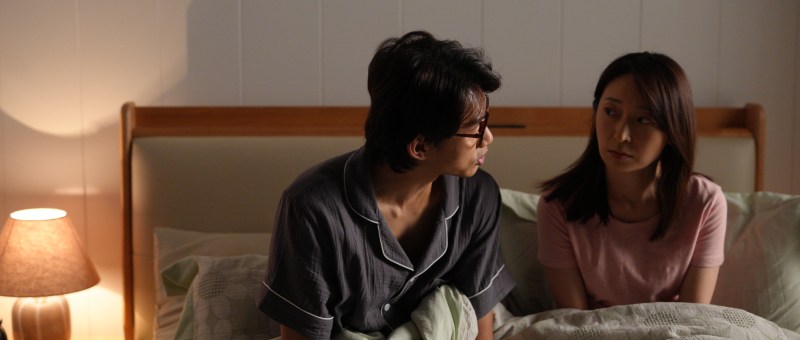
Her husband Ming-lam, however, who happens to be Shan’s high school teacher, constantly tries to suppress the new version of herself that she’s becoming. He complains that she’s getting “further and further out of line” by coming home later in the evenings, dismissively telling her that if she wants to gossip, play mahjong, or talk K-dramas with her friends she can do that in the afternoons. Yuen’s making the “wrong” breakfast and going out of sync with the meal calendar seems to signal the beginning of her rebellion as she begins to look for new sources of fulfilment when Ming-lam rejects unscheduled intimacy and otherwise treats her as little more than a glorified housekeeper. Despite criticising her for neglecting her household duties, he later suggests her life is easy with only the need to put a cloth round every now and then as he otherwise provides her with a materially comfortable life while entirely rejecting her emotional needs.

At the school too, Ming-lam is a strict disciplinarian who runs the morning outfit patrol and tells the children off for minor uniform infractions while making his son pretend they aren’t related. During their careers survey, Shan quips that her plan is to marry a wealthy man, and Ming-lam criticises her for a lack of ambition in wanting such an “empty and meaningless” life despite being exactly the one to which he’s condemned his wife not entirely to her will. Shan later turns this criticism back on him, telling Yuen that his need for control over his students is probably a means of compensating for a dull life that he internally resents. 

Yet Ming-lam is really just a depressing embodiment of an outdated idea of masculinity and an obsession with middle-class properness and respectability. He tells Yuen he just wants her to be a “normal wife”, which is to say subservient to him and confined within the domestic space. He genuinely thinks he’s helping his pupils by keeping on the straight and narrow without considering that he’s stifling their the creativity and individuality. When Shan practices her pole dance at school, he sees it only and lewd and bans it in part for “giving the boys dirty thoughts.” He can’t see that Shan dances for herself and resents Yuen’s growing confidence along with her desire for an identity outside of wife and mother. 

Yuen’s free-spirited mother Feng Mei too decides to look for fulfilment alone rather than relying on a man to accompany her to fulfil her late husband’s wish to take her up in a hot air balloon. Though Ming-lam’s sudden change of heart may seems improbable, Yuen’s transformation also reminds him of the romantic young man he once was and that his wife’s happiness is the most important thing. It is not for him to decide what sort of happiness she might want, but only to support her in chasing it. Yuen’s newfound self-confidence begins to improve the world around her, making her home a brighter, airier space rather than one ruled by oppressive routine and encouraging others to be more of themselves too rather than being confined by social expectation or the desires of others.


Bird of Paradise screens as part of this year’s New York Asian Film Festival.

Trailer (Traditional Chinese / English subtitles)

Burn (炎上, Makoto Nagahisa, 2026)

“You may not be okay, but neither is anyone else,” a well-meaning young woman advises neatly encapsulating the world of the Toyoko kids in Makoto Nagahisa’s second feature, Burn (炎上, Enjo). A little less anarchic than his debut We Are Little Zombies, the film is one of several exploring the fate of these displaced teens the media has often liked to demonise as means of deflecting the fact that society has largely failed them and the adults who should be helping often only make things worse.

This contrast is clear in the opening scenes in which Jurie’s (Nana Mori) Christian parents sing a hymn about the world being full of light, but Jurie’s father (Kanji Furutachi) is a crazed authoritarian who beats her and her sister with a belt while insisting that Jurie’s persistent stammer is a reflection of her “tainted soul”. Ironically, asking her sister if she believes in God, Jurie starts to pray for her father’s death. “If God exists, He took his fucking time,” she quips when her father finally drops dead a few years later. But the abuse doesn’t end. Her mother takes her father’s place and begins to beat them just as she was beaten. 

Shinjuku, is one sense, a place full of light given its brightness and shining signs, but in the real world you can’t have light without shadow. After running away, Jurie is taken in by a community of similarly displaced teens led by an adult Fagin-like character known as Kami (Wataru Ichinose), which is ironically the same as the word for “God”. He describes himself as a guardian angel who whose job it is to make everyone feel safe, yet there’s something disingenuous about his warm-hearted claims that this is a place that accepts everyone and that no matter what society may choose to reject, he is glad that they were born. His golden fangs seem to hint at something cruel and greedy echoed in his reluctance to left Jurie leave, insisting that she won’t make it in the real world despite having told her she needs to become independent.

Mitsuba (Aoi Yamada), who has a disability stemming from a traumatic childhood incident, similarly finds her attempt to find escape through a relationship with a host foundering. Ironically named “Hikari” which means light, he justifies himself to her in insisting that he’s a victim too having been abused by his mother as a child, though in the end Mitsuba’s need to be loved can only be satisfied transactionally as she deludes herself into thinking her relationship with Hikari is “real” even as he continues to exploit her. To earn the money pay him, she ironically takes to sex work and encourages Jurie to join her in an effort to earn a million yen and then go back to save her sister. One of their clients presents them with a strange-looking dildo that sort of resembles a wand used by magical girls in anime which they wave as though transforming, but later describe themselves as performing an exorcism after meeting clients.

The men that buy their services are just another symptom of an exploitative society. When Jurie almost overdoses and is taken to hospital, the police don’t send her back to her family but do place her in a childcare facility where she feels imprisoned. The implication is that society would rather hide these children away rather than attempt to help them. Jurie longs for the freedom of the city and escapes to return, but in the end discovers only darkness. The film shares its Japanese title with Kon Ichikawa’s adaptation of Mishima’s The Temple of the Golden Pavilion, Conflagration, which is also about a young man who decided to burn it all down in protest against a profane world, though Jurie seeks escape from the collective punishment of the contemporary society along with the traumatic legacy of her father’s abuse. Nagahisa mixes iPhone social media footage capturing the kids’ world from their perspective with dreamlike imagery and a video game aesthetic as Jurie looks for a way out of the labyrinth of her trauma while setting the world ablaze in her mind. What she discovers in the ashes, however, maybe a renewed hope for the future and the possibility of a different kind of salvation.


Burn screens as part of this year’s JAPAN CUTS.

Trailer (Engliish subtitles)

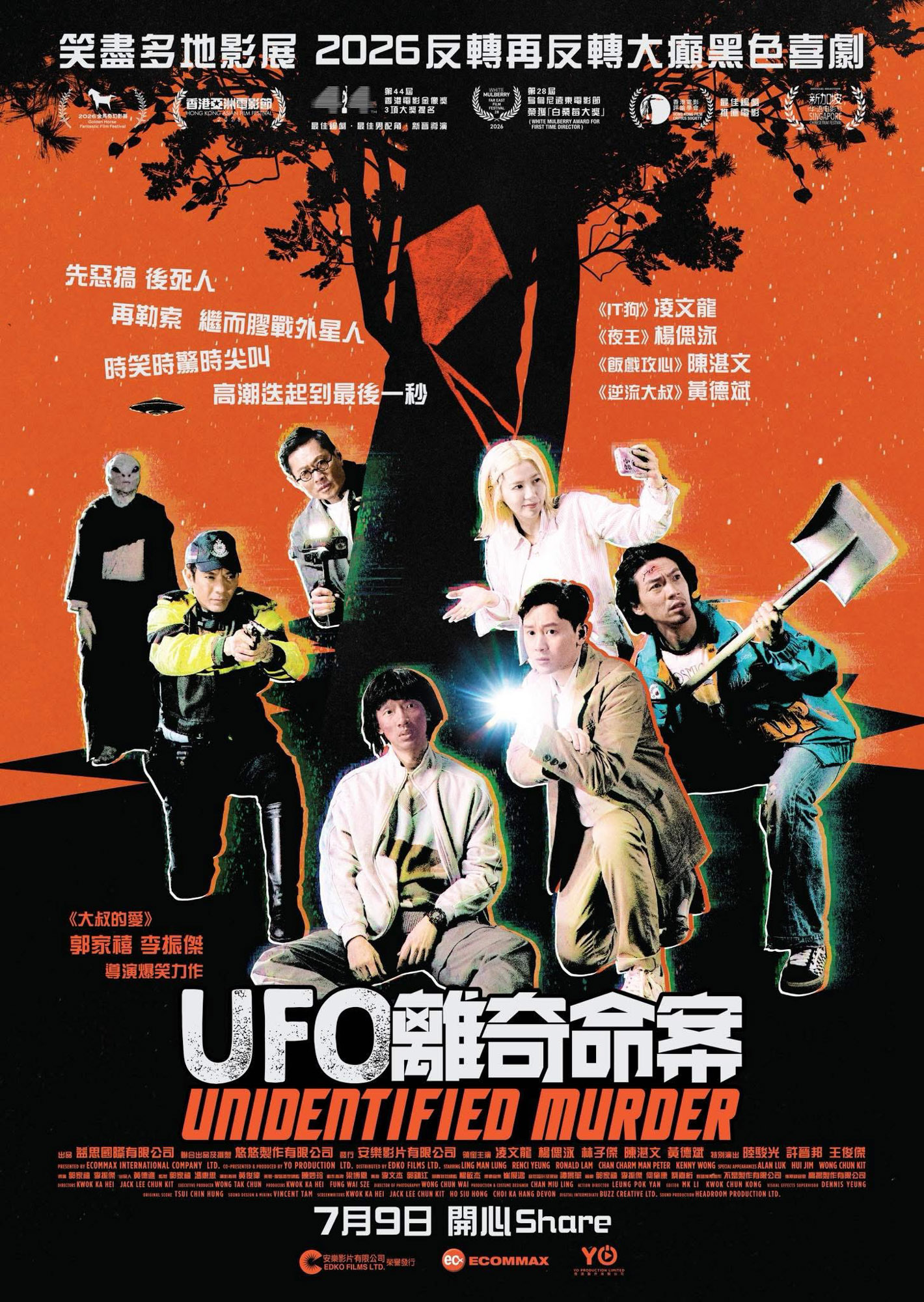
Unidentified Murder (UFO離奇命案, Kwok Ka-Hei & Jack Lee Chun-Kit, 2025)

The line between a prank and a scam maybe be necessarily thin in Kwok Ka-Hei and Jack Lee Chun-Kit farcical comedy Unidentified Murder (UFO離奇命案) in which nothing is quite as it first seems. Unfolding with an almost Rashomon-like structure, the film slowly peels back the layers of reality to reveal that pretty much everyone is playing a trick on someone, sometimes rooted in a childish sense of fun, but equally a desire for attention and the money that can be generated from it in today’s attention-obsessed society.

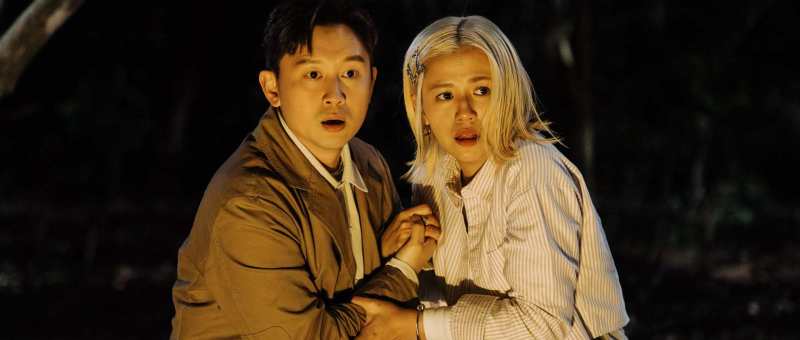
Twenty-five years ago, Kit (Ronald Lam Tsz-Kit) and Mark (Ling Man-lung) went up the mountain with their friend Ho but returned alone. Ho’s disappearance has apparently become a legendary local mystery with the boys claiming that Ho was abducted by aliens, though some seem to believe that their story is either a trauma-born fiction or a deliberate attempt to disguise their role in whatever may have happened to their friend. In any case, the film opens with an attempt by online content creator Man (Renci Yeung) of the “Prank My Boyfriend” video channel to play a trick on her boyfriend Mark by getting an actor, Kim (Peter Chan Charm-Man), to be the retuned Ho abruptly released by the aliens after 25 years. To begin with, this doesn’t seem like a very funny prank and could be crushingly insensitive. One might assume the now middle-aged men are carrying a degree of trauma about the failure to protect their friend, or else if they really were responsible for his disappearance in someway, it could turn out of be a dangerous situation for everyone. 

Nevertheless, Mark doesn’t seem to be particularly phased by Man’s prank and, on fact, sets out of prank her back by getting Kim onside to pretend that he and Kit kill him while planning to move Ho’s body due to the increased interest generated by the incident’s 25th birthday. This doesn’t seem like a very funny prank either, and it’s difficult to deny that this ultimately farcical situation began with a series of very bad decisions especially as this particular stunt is intended to work up to a marriage proposal. Unfortunately, however, nothing goes to plan and when it looks like Kim might be dead for real, the gang get a mysterious text trying to blackmail them threatening to release Man’s video of them murdering Kim online.

Or course, there’s a possibility that this is another prank too, or, to be frank, more of a scam. In this world, nothing really is certain and no one is really who they seem to be. A good friend might be playing a trick on you that could unwittingly be hurtful or insensitive though they may not mean it, while likewise they may be trying to con you out of a bit money to fight their own desperate circumstances. There’s a kind of childishness that underplays most of the trickery like a lie told by a child to get out of trouble that they then have to commit to for the rest of their lives. In this way a trick can become a shared secret, like an alternate reality that binds people together in ways few other things can. Others my be wilfully deceived by watching things like the Stardust Memories channel that purports to show evidence of aliens but may not be completely on the level. To that extent, at least Man’s channel is honest about its intentions even if it’s not clear to what extent Mark is already in on the joke.

Even if you regard it as harmless fun, these pranks too could wind up having devastating consequences and escalating to levels of death and violence all based on a series of misunderstandings. So confusing do things become while out in the mountain forest that Man even tries to grab the gun from a policeman and points it at her friends certain that they’re pranking her only to be shocked when the gun later goes off. But what could have unraveled a long-time mystery and exposed things best left buried or resulted in deadly consequences instead becomes another bonding exercise in which a group of people generate an unexpected friendship though all being in on the joke, each letting the incident end with good humour and no harm done. Filled with farcical comedy and an ironic cynicism the film seems to say that in this world where everything is grift being in on joke might be the only thing that makes life worth living.


Unidentified Murder screens as part of this year’s New York Asian Film Festival.

Trailer (English subtitles)

Magical Secret Tour (マジカル・シークレット・ツアー, Chihiro Amano, 2026)

When her husband falls into a coma and she discovers he’s left them in huge amounts of debt due to an undisclosed gambling problem, an ordinary housewife finds herself at the mercy of an already strained society in which it seems everyone is struggling to the extent that they have no capacity to listen to other people’s troubles. Inspired by a real-life case in which a group of women was arrested for smuggling gold into the country in 2017, Chihiro Amano’s lighthearted crime drama Magical Secret Tour (マジカル・シークレット・ツアー) is a condemnation both of a society ruled by money and the various ways that women are still expected to clear up the messes of irresponsible men.

Wakako (Kasumi Arimura) is quickly made to feel guilty for not having noticed anything wrong with her husband or their family finances while also expected to shoulder the burden of the repayment plan to his former employer to cover the money he embezzled on top of his hospital fees which must now be paid in full because he was unemployed and had no insurance. When she tries to turn for her own family for her help, her mother is not happy to see her and seems put out that she’s turned up unexpectedly. It seems their family garage business is in trouble while they are already under strain due to needing to pay for their bedridden grandfather’s medical treatment. Her mother leaves abruptly before Wakako has the chance to explain the situation denying her the possibility of both financial assistance and emotional support. 

Apparently ineligible for any kind of government assistance, Wakako’s attempts at job-hunting fail because she is a mother of two with one only an infant and has also been out of the workforce for too long for any career experience to count. Even when her husband does eventually make a partial recovery, he blasts her for neglecting her responsibilities and overburdening his mother by asking for help with childcare. Despite having let her down so badly, he insists he’ll get a job once he’s better and discourages her from continuing to work even though she tells him that she enjoys it and finds it fulfilling. To that extent, her experiences have shown her that she did not really need to be dependent on a man for money as society somewhat encouraged her to be and could also look for fulfilment outside the home as an independent woman. 

Nevertheless, the only work she can find means turning to criminality, first by agreeing to a loan shark’s dodgy gold-smuggling scheme by taking the kids to Singapore for a few days and then returning laden down by gold bars they smuggle through customs to avoid importation taxes. While there she meets two other women in similar situations. Kiyoe (Haru Kuroki) is a scientific researcher in her early 40s who faces persistent sexism at work where her boss steals credit for her discoveries and faces no consequences for fiddling his expenses. Unable to find a new position thanks to a poor publication history, she wants the money to provide for her future. Mayu (Sara Minami), meanwhile, is trying to escape her toxic mother while pregnant herself and working as a bar hostess. 

The women justify themselves that what they’re doing is basically a victimless crime and just really a bit sneaky rather than morally wrong even if aware it’s illegal. A disclaimer at the end of the film implies the law has been tightened since 2017, but the stakes are also fairly low as it seems they’d mostly likely just be asked to pay the tax if they got caught, so trying to smuggle it seems like a no-brainer to them. Even so, the film skirts around Wakako’s involvement with the criminal gang from whom one would expect some sort of payback after she runs off with some of their gold after her own attempt to run a similar business inevitably runs into trouble. Instead it focuses on her sense of isolation in which the mother can end up being pushed out of both families, disregarded and taken for granted while expected to pick up her husband’s slack even if he hasn’t kept his part of the bargain by providing financial stability while otherwise absent from the domestic space. The only way to make a man play his part in child-rearing might ironically be divorce, though it seems likely it might just be him overburdening his mother this time. In any case, Wakako’s magical secret tour does seem to have led her to a more fulfilling place even it may in other ways be bittersweet. 


Magical Secret Tour screens as part of this year’s New York Asian Film Festival.

Trailer (English subtitles)

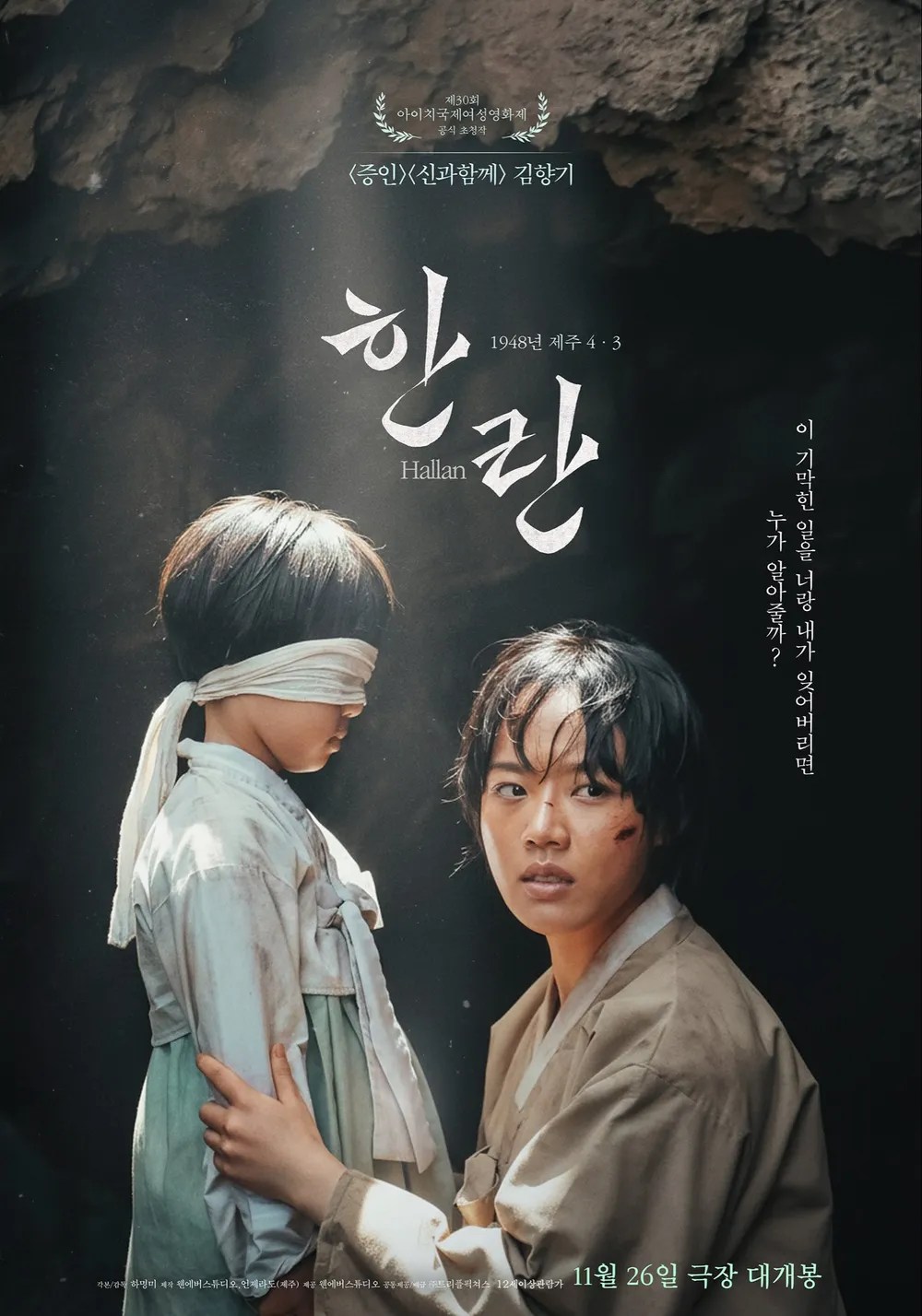
Hallan (한란, Ha Myung-mi, 2025)

Jeju Island had been at the forefront of the resistance to the Japanese during the colonial era and its transition into the new post-war reality had been more orderly than that of the mainland. Nevertheless, the Korea’s sovreingity had not been returned and the South remained under the governance of the occupying American military while the North was controlled by the Soviet Union. Many on the island objected to the proposed elections which were to take place in South only, fearing that it would lead to permanent division of the nation. Once police fired on protestors making the anniversary of the protest movement, an armed conflict arose between guerrilla fighters who took to the mountains and the police and military backed by the extreme right-wing Northwest Youth League that had been dispatched from the mainland to suppress the rebellion.

Ten percent of the island’s population are said to have died during the massacre, with many more fleeing to North Korea or Japan, though the events were suppressed during the long years of military dictatorships with their history little known. Ha Myung-mi’s Hallan (한란) aims to shed light on these historical events by following a collection of ordinary villagers whose peaceful lives are disrupted by a political conflict that some feel to be very distant and not particularly anything to do with them. To that extent, the film aims for a kind of political neutrality in which it depicts the South Korean soldiers and insurrectionists as little different from other. Sergeant Park is a crazed sadist who is drunk on his own power and obsessed with rooting out “commies”, while Jeongnam  is a paranoid authoritarian. Each of them kill members of their own side with little hesitation. Sergeant Park executes a local soldier who advised a collection of elderly people coming down from the mountain in response to a pamphlet promising their lives would be spared if they surrendered, that they shouldn’t trust the military and would be better to remain in hiding. Jeongnam kills a comrade who wants to look for his family fearing he will expose their plan to blow up an army base with dynamite left behind by the Japanese. The only innocents are the apolitical villagers who are caught between the two. 

But in characterising the rebels in this way, the film leans towards favouring the authorities if while denouncing their conduct and subtly implicating the American occupation forces for tacitly backing them. The only source of resistance comes from a conflicted Christian soldier who is racked with guilt over what he’s been asked to do, but still asks God to help him detect communists which suggests he does not necessarily think this actually wrong if the right people are being targeted. Rooting the resistance in faith further muddies the waters and perhaps just introduces a third source of potential authoritarism in the presence of organised religion, while simultaneously adding a subtly anti-communist sentiment.

Conversely, the presence of the village’s shamaness adds a slightly less problematic voice of moral authority as she does her best to protect the villagers while staying behind to fulfil her role in service to the gods. Much of the film focuses on a little girl, Hae-sang, trying to find her mother in the mountains after surviving the massacre in her village conducted in retaliation for losses on the army’s side. That she becomes mute after witnessing so much trauma mimics the way in which these events have been suppressed and continue to haunt the island into the present day. Hae-sang’s mother Ajin had wanted a “better world” for her in which she could be educated and wouldn’t necessarily be left with no other option than to be a diver like she was, though the film’s melancholy conclusion largely renders this desire along with the idea of Hae-seng has a historical witness rather moot. Nevertheless, the film takes it’s title from a local wild plant sprouting all over the mountain that comes to stand in for the local people whom the authorities may have attempted to ruthlessly weed out but instead have endured and grown stronger in the face of hardship and adversity.


Hallan screens as part of this year’s New York Asian Film Festival.

Trailer (Korean subtitles only)

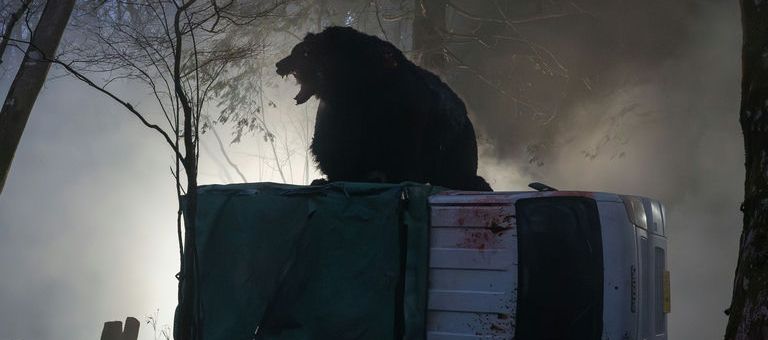
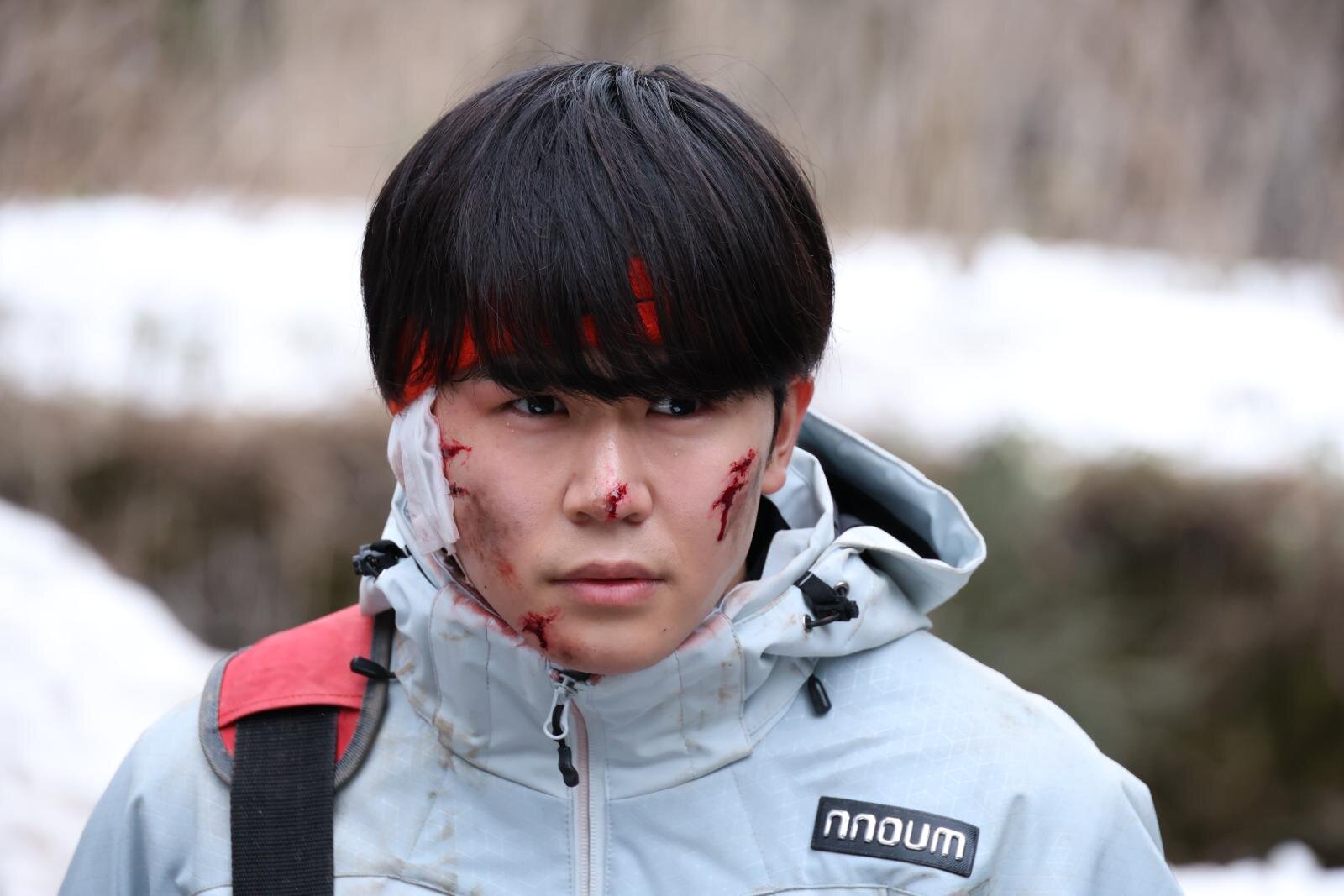
HIGUMA!! The Killer Bear (ヒグマ!!, Eisuke Naito, 2025)

Last year Japanese society was sent into an existential panic due to a severe increase in the number of bear attacks as the creatures were forced to venture beyond their natural habitat due to climate change and the impacts of human behaviour on the rural environment. Eisuke Naito’s Higuma!! The Killer Bear (ヒグマ!!) then arrives at an apt time, though in this case, the bear seems to symbolise something else acting as a kind of karmic supernatural entity attacking those encroaching on its territory while drawn away from the safety of the city by greed and desperation.

The cities are, it seems, in quite a bad way. Eighteen-year-old Sora (Fuku Suzuki) is an aspiring game developer, though the complaints that his retro 3D-platformer is too hard with janky character design might equally apply to the challenges of modern life. He’s just got into university, but his happiness is short-lived as his father takes his own life shortly afterward having been scammed out of all his savings and therefore unable to pay his son’s tuition fees. While his mother tries to make the best of the situation and insists she’ll figure something out so he can continue with his education, Sora is resentful and angry until unwisely agreeing to a shady job ad promising a large amount of money for delivering “an envelope” to an unspecified location. It’s after this that he’s plunged into a confusing world of backstreet crime, scams, and exploitation that he cannot otherwise escape.

Yet at the same time, this otherworld feels oddly like a video game and is often framed like an old-school arcade scroller, classic first-person shooter, or RPG as Sora is dragged further into this morally compromised sector of society. After being witness to his boss scamming an old lady out of her cash card and ink stamp, he’s charged with retrieving a precious gem from an agent turned rogue that looks a bit like a rupee from the world of Zelda and feels like a video game MacGuffin. The young woman, a former SDF member, decided to keep it for herself having been offered only 30,000 yen to steal it though it’s apparently worth ten million. It turns out that she’s a kind of victim too. Not only was she kicked out of the SDF for punching a superior officer who was sexually harassing her, but has become hooked on a live-streaming host and fallen into financial ruin. This has become such a common problem lately that legislation has been introduced specifically to stop hosts exploiting women and forcing them into sex work. Though Wakabayashi (Wan Marui) knows intellectually that this relationship is entirely one-sided and not actually real, she feels compelled to keep supporting him in part because he was the only person who listened to her worries and accepted her as she was even though she knows this is just part of his job.

That her desire for connection and acceptance can only be fulfilled through a transactional arrangement speaks of an increasing sense of disconnection and alienation just as Sora is dragged into this hellish world through an online ad, never having met his handler who goes by the ironic handle of “Angel”. It’s the need to get rid of Wakabayashi that forces the gang out of their natural habitat and into the bear’s territory of the forest where the human civility that marks urbanity is largely dissolved. Yet there’s a sense of human solidarity that emerges between Sora and Wakabayashi in which they call each other by their own names as they try to battle the bear even if they also give in to their greed by staying in the mountains longer than they need to in order to retrieve the gemstone which the bear has swallowed.

Another kind of human connection is brokered by Sora’s interaction with a young boy who is playing the game he designed. The boy has been told not to talk to strangers or his games will be taken away, but decides to trust Sora and ironically gives him some bear-shaped snacks. He ends up fulfilling the role of a wizard in an RPG, gifting Sora some much needed special items after he manages to beat his own game. This newfound senes of achievement allows Sora to regroup and decide to do the right thing, not only calling his mother to explain what’s going on honestly, but going back to confront the bear and save Wakabayashi. On his way back to the mountain, he passes a collection of elderly people who are running an anti-scammer drill which seems to be organised much like the bear catching drills being run various cities, only in that case, Sora would also be a kind of bear. Filled with darkly absurd humour, the film seems to say man is the most deadly predator and the cities are the place of real danger, but allows Sora to overcome his sense of despair in using his unique and specialist knowledge along with a sense of human solidarity to finally beat back the existential threats of an exploitative society. 


HIGUMA!! The Killer Bear screens as part of this year’s New York Asian Film Festival.

Trailer (English subtitles)

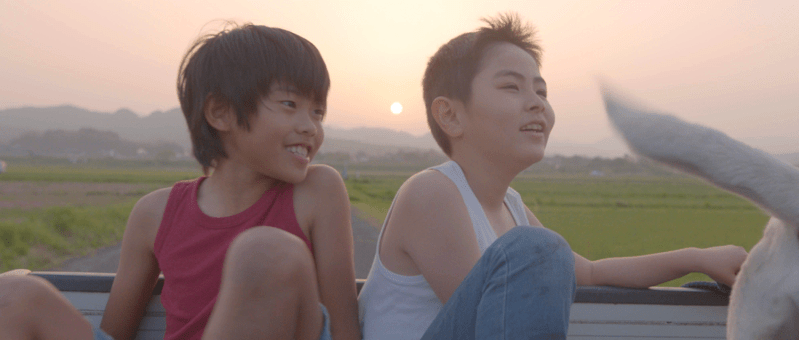
Vicissitude (郷, Takuro Ijichi, 2024)

A dejected young man finds himself pondering lost wonder amid the vicissitudes of life in Takuro Ijichi’s poetic debut feature. Drawing inspiration from Terence Malik, the film finds a sense of awe and serenity in the natural landscape that contrasts with the demands of a modern, more urban way of life with its resulting pressures that leave the hero, Gaku, floundering without direction in the wake of the implosion of his baseball playing dreams.

Indeed, baseball becomes a kind of metaphor as Gaku finds himself running in an endless loop. This first chapter titled competition itself at first seems to be a lost paradise from which Gaku is unexpectedly expelled. After showing some potential as a high school baseball player, Gaku’s determination to turn pro is ridiculed by teachers as childish and unrealistic. While he devotes himself to perfecting his craft at the expense of human relationships such as his connection with female classmate Saki, his less than friendly rivalry with another boy spills over into spite and resentment. When he is deliberately injured, Gaku at first tries to hide it, but then faces both disappointment and humiliation in being kicked off the team ending his baseball playing dreams for good.

It’s at this point that Gaku begins to idealise his rural childhood and friendship with another local boy, Ryu. Largely left to their own devices the pair play in the fields and forests and bask in a sense of wonder for the natural world. At first they float paper boats, then take to a real one to ride the waves of a local lake. Conversations with his elderly grandmother about the war lend the place a sense of history and continuity as Gaku finally turns back to nature to ask himself where it is that he belongs. He tries to find his way back and reclaim something that he’s lost while battling uncertainty. Yet this bygone world seems slightly outside of his reach, lent an elegiac quality by Ijichi’s wistful cinematography and melancholic score.

The early death of a fellow baseball team player in an accident similarly reinforces the themes of transience and impermanence, reminding Gaku that his life is short and fleeting. Yet his constant circling of the baseball field is not a futile effort so much as a training ground for life in which he figures out what it is he’s running towards and eventually discovers the courage to chase it. He reflects that the people around him and the town may have changed, yet his homeland remains the same lending him the sense of certainty he’d been missing in a solid foundation to his life. 

These realisations are echoed in the film’s non-linear structure in which Gaku is thrown back to his childhood memories while contemplating his current sense of confusion and emptiness in the present. He asks himself if having all the answers is really necessary in life while actively looking for them inside his past. The conclusion he may come to is that it isn’t, really. Life is an ongoing process or a kind of evolution that doesn’t so much lead towards a kind of solution as being one in and of itself. What becomes important is accepting its vicissitudes and learning to savour each moment while reassessing what’s important, such as human relationships and the sense of joy and wonder to be found in the natural world.

Playing out more as a tone poem, Ijichi is content to let the narrative drift on the waves of time, as he puts it, focusing more on images of transience such as flowing water, rolling waves, and floating clouds that reflect a sense of perpetual loss echoing Gaku’s inner turmoil. Nevertheless, it’s within the natural environment that Gaku begins to find the answers he’s looking for that give him a sense of direction in his life and the courage to embrace it in all of its tragedy, absurdity, joy and sorrow. 


Vicissitude screens as part of this year’s Toronto Japanese Film Festival.

Trailer (English subtitles)

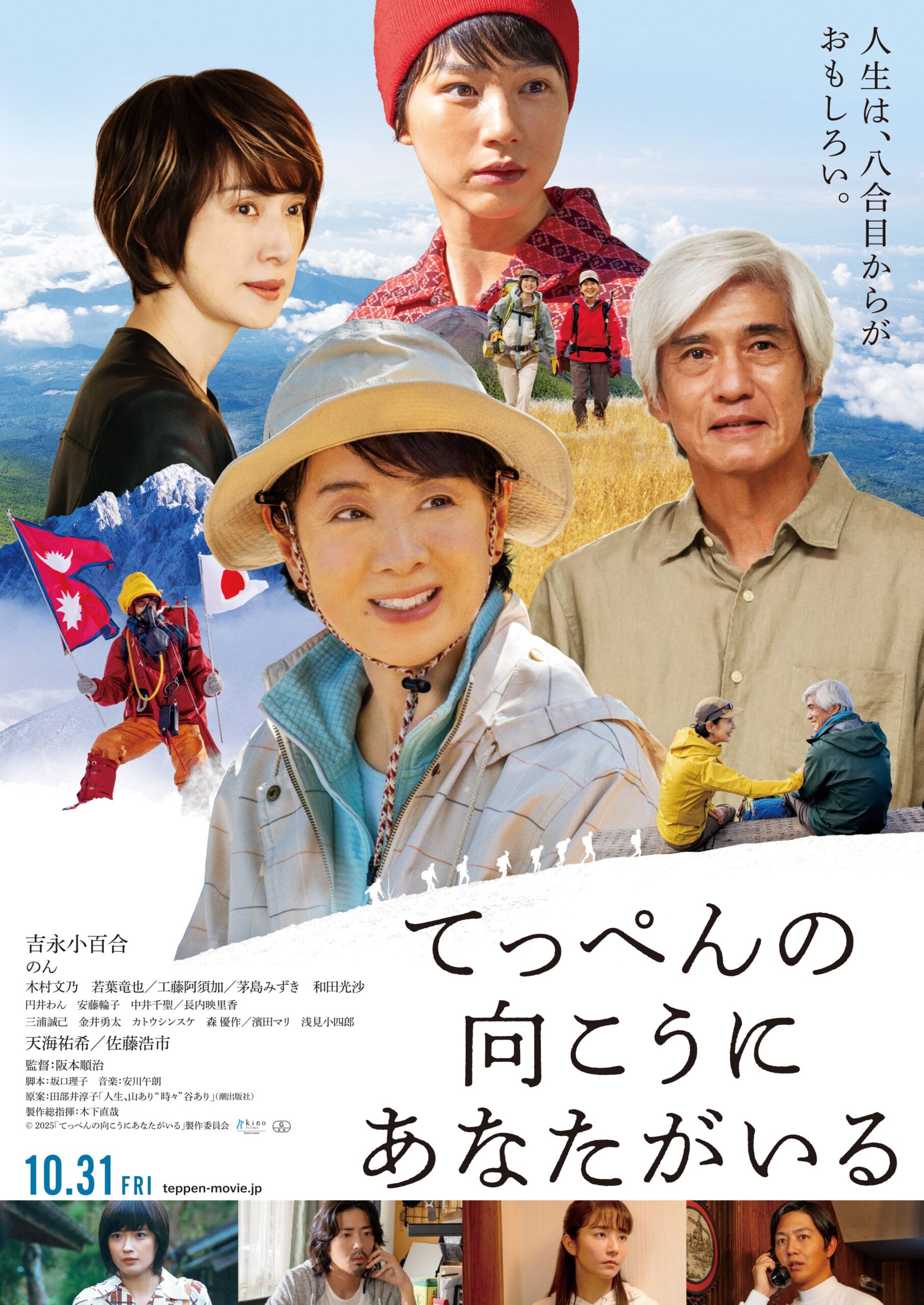
Climbing for Life (てっぺんの向こうにあなたがいる, Junji Sakamoto, 2025)

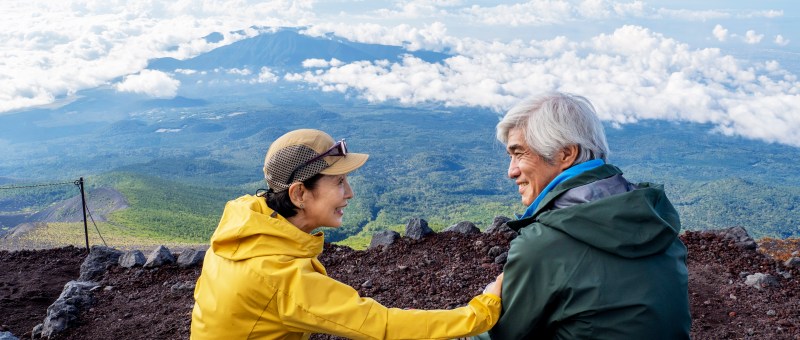
A world-famous, record-breaking mountain climber faces the final ascent in Junji Sakamoto’s fictionalised biopic of Junko Tabei, the first Japanese woman to reach the summit of Everest. Here named Tabe, the highest mountain Junko (Sayuri Yoshinaga / Non) has to climb seems to be the patriarchal nature of Japanese society in the 1970s. The film does, however, mistakenly imply that sexism is an issue that has now been solved in the film’s contemporary setting of 2010-16 in which women hold positions of authority and are free to fulfil themselves outside the home on an equal footing with men.

Of course, this is not really the reality even if, in some ways, the situation may be much better than during the high prosperity era during which Junko was a trailblazer in more ways than one. When she decides to mount an all-female expedition team to conquer Everest, she’s mainly met with derision and scorn. While she and female reporter Etsuko (Yuki Amami / Mizuki Kayashima) do the rounds of various companies looking for sponsorship, the elderly male CEOs are incredibly confused and accuse them of being traitors to their sex. They questions whether it’s safe for women to do something like this without any men around (though in the interests of clarity, all the Sherpas appear to me male), and also what wonder what their husbands are supposed to do for the six months they’ll be away shirking their domestic responsibilities. Even when they encounter a man who is closer to their own generation and sounds supportive, stating that the era of gender equality has arrived, it turns out to be all talk. He does not take their proposal seriously and even asks which part of it he should read as if it wasn’t really important. In the end, his “support” doesn’t transfer into any investment.

In the present day, Etsuko remarks that there were a lot of useless men around back then, as if men are universally different now. She herself has become a senior reporter and is in a position of authority over younger male reporters in the newsroom. Likewise, Junko’s main physician in the later stages of her treatment following a cancer diagnosis is also female and makes a point of listening to her patient’s wishes and concerns. It does not appear that Etsuko ever married or had children, but no one of is critical of them for “abandoning” their domestic responsibilities to pursue a career in the way they were of Junko when she left her daughter behind to climb Everest. To that extent the film paints a rosier picture of the contemporary society than might actually be the case given the still persistent levels of sexism and gender bias that still present barriers to woman’s ability to find fulfilment whether within the domestic environment or outside of it.

Nevertheless, Junko’s husband Masaaki (Kôichi Sato) is depicted as a shining example of confident masculinity in his support for his wife’s endeavours. A sister-in-law looks after daughter Noriko during the day with Masaaki on parental duties outside of his shifts as a mechanic. Even so, Junko’s success is seen to have a negative effect on her children who do feel a degree of resentment towards her. Noriko has largely taken it in her stride, but also feels a sense of regret that Junko is not just her mother but someone she has to share with the world. When this spurs her on to deepen their relationship in adulthood, younger son Shintaro (Ryuya Wakaba) who was born after Everest is hugely resentful and struggles to emerge from his mother’s shadow or the pressure of being the child of a famous person. He doesn’t like it that people have expectations of him because of who his mother is and feels as if he is held to a different standard because of it, causing him to become rebellious at school. The situation becomes so bad that he eventually moves in with relatives and transfers to the relatively more anonymous Fukushima where his teacher gives him some harsh lessons in humility, reminding him that he is not “Junko’s Tabe’s son”, but that Junko Tabe just happens to be his mother.

Shintaro’s views also seem to be more patriarchal than those of his father whom he verbally attacks insisting that he must also be resentful of Junko and that if it were not for losing his big toes to frostbite it would have been him conquering Everest, not her. While Shintaro appears to feel emasculated by his mother and looks down on his father for what he sees as weakness, Shintaro is able to put his personal frustrations aside and devote himself wholeheartedly to supporting Junko. It’s not until Junko’s illness becomes serious that Shintaro is able to reconcile with her and find a more stable path in life through helping with her programme to bring high school students displaced by the 2011 earthquake to climb Mount Fuji.

Mountains take on an almost sacred presence for Junko with Mount Fuji in particular becoming a constant motif. The film depicts her final battle with cancer as being yet another mountain to climb, though knowing your limitations is also part of the art of climbing and so when she comes to the realisation that she can no longer reach the summit, she decides to plan her descent. The poignant closing moments have her looking at a photo of the women’s team and insisting they will all go together, expressing a degree of sadness that the group fell apart after Everest with some resentful that Junko had progressed to the summit alone rather than postpone to regroup to call off the ascent to try again another time. All of the press attention fell on her alone forgetting the efforts of those who’d stayed at base camp and without whom Junko’s success would not have been possible. Female solidarity is also vulnerable to these kinds of pressures, the film implies, though Junko’s friendship with Etsuko endures right to the end. Though the conclusion is bittersweet, the closing moments at least focus more on a life well lived amid the majesty of the mountains rather than dwelling on its inevitable tragedy.


Climbing for Life screens as part of this year’s Toronto Japanese Film Festival.

Trailer (English subtitles)