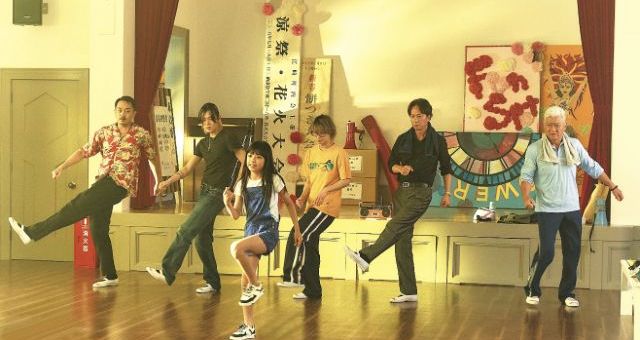
Crossing a Dawn (今晚正好, Zhao Badou, 2026)

“Beijing is Beijing, no need to romanticise it,” according to the practically minded heroine of Zhao Badou’s romantic odyssey, Crossing a Dawn (今晚正好, jīnwǎn zhènghǎo). A little less zany than 2012’s similarly themed Lacuna, the heroes of Zhao’s tale of city serendipity are in their own ways yearning to believe in something beyond urban cynicism with its lack of affordable housing, dissatisfying dating app romance, scammers, and pressure to conform to socially defined notions of success.

In their own ways, Qiu (Ma Sichun) and Yuzhou (Edward Chen) are each displaced people struggling to get a foothold in the city. They spend the entire night wandering around in part because they can’t find anywhere to hook up. For various reasons that only will be disclosed in a final moment of mutual vulnerability, neither than take the other one home while they’re kicked out of a hotel when a receptionist figures out what they were planning on doing there. An attempt to borrow a friend’s apartment is also frustrated, firstly by nosy neighbours and the need to avoid waking her roommate, and then by the friend coming home unexpectedly after catching her boyfriend with another girl. Tinting (Lv Xingchen) hadn’t wanted to move in with him to preserve her own space and independence, only for him to complain it made him feel “insecure”.  

Qiu may seem cynical and materialistic, but in another way she is trying to exert a degree of control by asserting dominance over her dating life. Perhaps bearing out the superficiality of dating app culture, she seems to go for conventionality handsome men but is generally disappointed. This one wants to meet her in a supermarket, for some reason, but turns out to have been using an outdated photo. Qiu feels as if she’s once again been “scammed” by this duplicitous city, though her would be date may have an ironic point about ageism. He complains that he’s done a lot of interesting things in his life and is still the fun-loving and adventurous person he was in his youth, but no one gives him a chance. Qiu is saved from this encounter by Yuzhou, in the supermarket in search of somewhere to return his power bank, though their criticism of him turns out to be somewhat hypocritical given the extent to which both he and Qiu are misrepresenting themselves. After all, as Qiu later reflects, who can resist the temptation to make out their lives are a little more impressive than they really are if it’s just going to be for one night?

It’s clear that Qiu isn’t really looking for anything more than that. Her constant references to making money may seem cynical but also hint at the extent to which money is the only thing that can be relied on in this environment, even if others may try to con it out of you. Her desire to own her own apartment is symbolic of that root herself in this city and carve out a domestic space that’s hers alone. Yuzhou, meanwhile, says he prefers renting because it offers more freedom. In contrast to Qiu’s straightforward practicality, he is more soulful and romantic, countering Qiu’s desire for ownership by suggesting that the place doesn’t matter as long as you get to live with the person you love. 

Qiu may not, however, be quite as cynical as she seems so much as she is afraid to trust in this moment of city serendipity. Beijing beats you down, she says, like the woman still looking for a dog who went missing a year ago driven out of her mind by loneliness and disillusionment. Yuzhou has been here two years, but feels as if he’s achieved less than nothing. Their long walk through the city takes them from walk-up, multiple occupancy apartments to a vast, unoccupied mansion full of unused rooms watched over by one of Qiu’s previous hookups whose name she never found out. He too is experiencing romantic drama with a free-spirited young woman equally afraid to face her feelings. As the night wears on, the pair begin to generate a kind of intimacy that paves the way towards emotional authenticity. Whether this one magical night in the city, or the beginning of something more, they have at least crossed their own kind of dawn, now less guarded and more open to the possibilities of the world around them.


Trailer (Simplified Chinese & English subtitles)
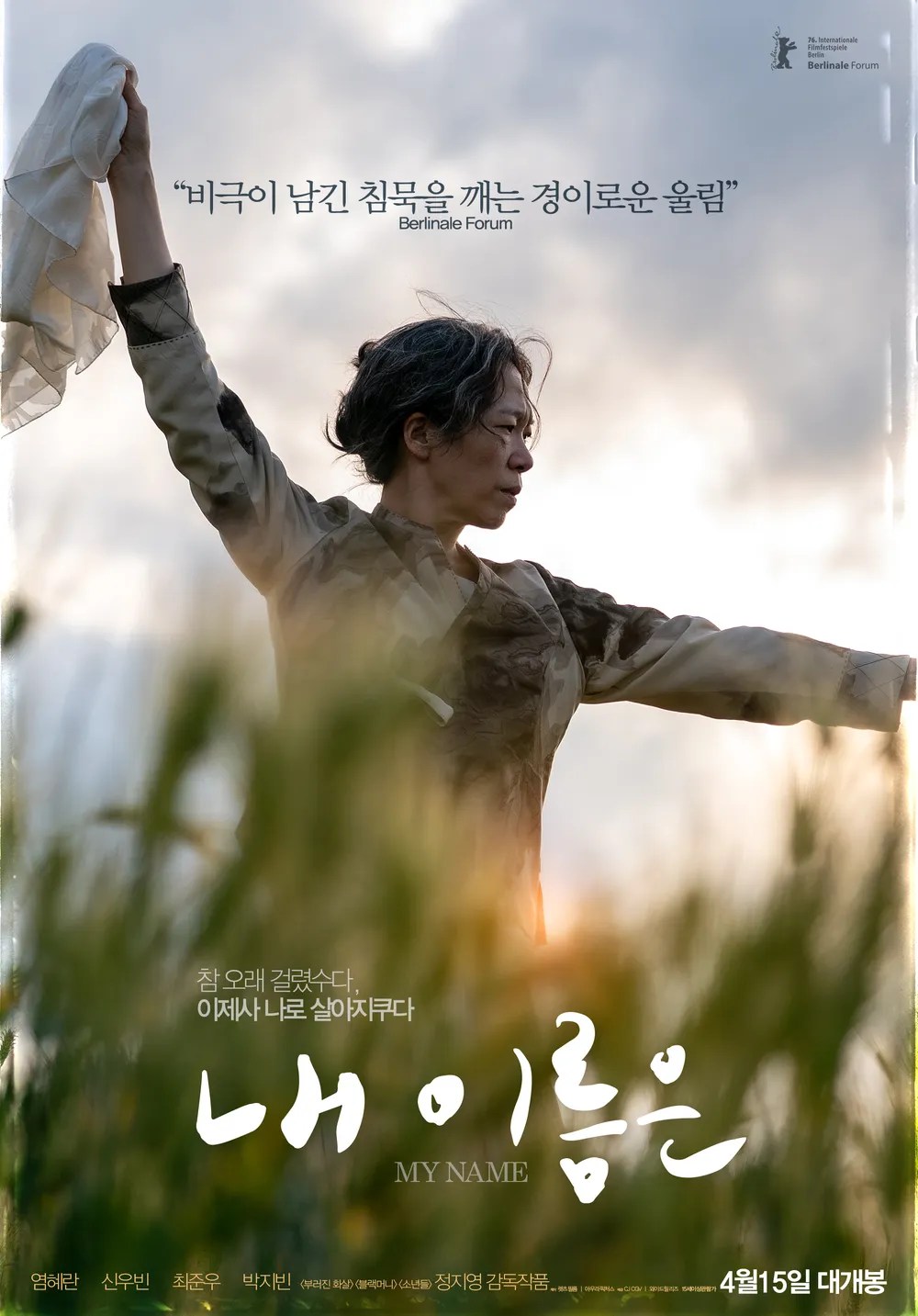
My Name (내 이름은, Chung Ji-young, 2026)

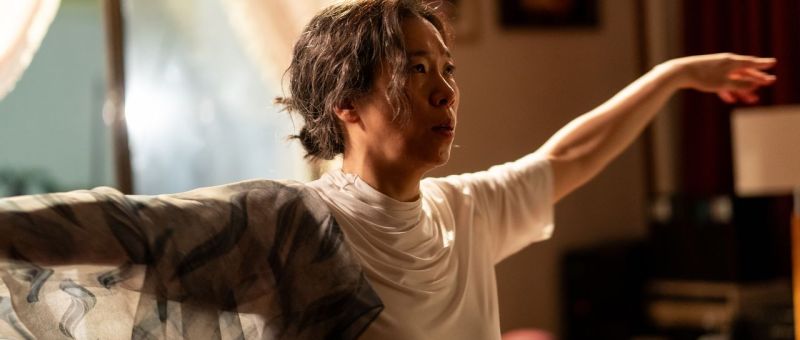
An ageing woman’s internalised anxiety and inability to remember her childhood stand in for a nation’s wilful amnesia in Chung Ji-young’s gentle contemplation of the legacy of the massacre that began on 3rd April 1948 on Jeju Island. Set mainly in the late 90s a decade or so after Korea’s transition to democracy, the film emphasises the importance of reckoning with the buried past in order to prevent its mistakes occurring again.

Those mistakes are largely reflected in the life of cheerful teenager Young-ok (Shin Woo-bin) who is embarrassed by the fact his single mother is much older than all the other parents while she also gave him a name that is customarily given to girls. On the first day of the new term, Young-ok’s teacher Mr Hwang (Heo Dong-won) mockingly refers to him as “Miss Young-ok” with exaggeratedly feminine gestures. Hwang is, in many ways, a relic of the authoritarian past and his mocking of Young-ok’s name bears out the toxic masculinity of a militarised society. Min-soo (Choi Jun-woo), Young-ok’s more astute best friend, takes the teacher to task for skipping over the massacre in their contemporary history classes. Hwang tells him that it is “unimportant” as it does not even appear on the university exams, brushing off Min-soo’s protests that the city wouldn’t be gearing up to commemorate the 50th anniversary of an “unimportant” event. If it were important, it would be in the text book, Hwang insists demonstrating his lack of curiosity and authoritarian mindset. Of course, it later turns out that he is also corrupt. Young-ok’s mother Jeong-sun (Yeom Hye-ran) brings a “gift” to parents’ day, but ends up not giving it to him after noticing that his desk draw is full of other envelopes while he makes veiled comments about all the kids being “equal”, but some being more equal than others depending on how thick those envelopes are.

The film seems to equate this masculine jockeying for power with the origins of the massacre as the boys engage in slapping games similar to the way in which the army forced the villagers to slap their friends who had been accused of being communist sympathisers to prove their own loyalty. Rich kid Kyung-tae (Park Ji-bin) has just transferred in from Seoul having apparently caused some trouble there due to his violent outbursts. He too makes the kids engage in slapping games to define hierarchy, while using picking up on Young-ok as a useful stooge too naive to see that Kyung-tae has manipulated him into becoming class president because unlike Min-soo he will be easy to control. Young-ok is too concerned with being liked and is happy to have been co-opted into Kyung-tae’s gang, going along with his violent rule and even betraying Min-soo by siding with Kyung-tae even when he makes him lie on his behalf. This is where it starts, as the film would have it, by failing to stand up to a thuggish teen leveraging his wealth and status to dominate those around him.

Jeong-sun, meanwhile, is encouraged to address the cause of her anxiety rather than suppress it with medication by a doctor newly arrived from Seoul. Delving into the source of her trauma awakens memories of the massacre that it had long been taboo to talk about. The subsequent connections to both Korea’s involvement with the Vietnam War and the Gwangju Uprising in 1980 in which ordinary people were once again murdered by the state echoing what had happened in Jeju hint at a destructive legacy of militarised authoritarianism infecting all areas of society. In order to fully progress into the new democratic future, the nation will need to reckon with its autocratic past which begins with the act of remembrance. 

This is really what Jeong-sun begins to do in unlocking the traumatic memories of her childhood and with them reclaiming her authentic identity that also informs that of Young-ok. As she told him, she dances when she’s happy and also when she’s sad, but there is something quite poignant in her dancing her in the memory of those who lost their lives during the massacre as if she were liberating both their souls and her own by resolving to go on building a better, kinder world that remembers its past and is mindful not to repeat it.


My Name screened as part of this year’s New York Asian Film Festival.

Trailer (English subtitles)

God Skin (หมัดเทวา ท้าเดิมพัน, Paween Purijitpanya, 2026) [Fantasia 2026]

In the closing moments of Paween Purijitpanya’s God Skin (หมัดเทวา ท้าเดิมพัน), protagonist Win (Sutthirak Subvijitra) remarks that the question isn’t if we can win the game, but if it was always rigged against us from the start. The house always wins, the film seems to say, though most people never even realise they were playing the game. Win comes to the realisation only too late, reflecting that he was suckered in by that first win that encouraged him to think that the system was fair when, in reality, it was anything but.

Set in the near future, Win is one of many regular office workers who’ve lost their jobs to AI. He now works as a food delivery driver, but struggles to meet his expenses while caring for his mother who has serious health issues. When he runs into old school friend It seemingly by chance, he’s introduced to an underground world of illicit prizefighting in which the wealthy and powerful bet on augmented matches in which they can award special items to fighters enhanced with all-powerful nanobots. Evicted from his apartment and with his mother hospitalised awaiting expensive medical treatment, Marwin decides it might be worth stepping into the ring despite his age and lack of familiarity with the game.

The fact is that in this world, Win’s physicality is almost irrelevant while his body is exploited as a tool for wealthy men to fight each other by proxy. Against the odds he manages to make it past the first round with the help of unlikely patron Guan Yu, an anime obsessive nicknamed “nerdass”, who takes a liking to him because of his bold, underdog spirit. Though he swore to do this only once to get the money for his mother’s operation, Win is emboldened by his unexpected success, and decides to continue playing despite knowing the potential health risks involved with upgrading his nanobots and exposing himself to physical punishment in the ring. 

In a way, this kernel of greed that exists within Win’s desire for success subtly undercuts the film’s sense of rebellion against the inherent unfairness of a capitalistic system especially once it becomes clear that some of what’s happening to him is a direct consequence of questionable choices he himself may have made. Then again, perhaps it’s fairer to say that he fell victim to an irresponsible product designed to prove addictive and exploit a sense of dissatisfaction with the system even if it seems his life may have been comfortable enough as it was without being tricked into always wanting more.

But in the world of underground prizefighting, he can convince himself he’s not fighting for himself but for others. After covering his mother’s medical expenses, he becomes determined to pay off the debts of his high school girlfriend Praewa who has apparently been sold to the bar as a hostess to satisfy her father’s debts. There are two female fighters, one a former hostess and the other a transwoman, who are also challenging this system in the ring though it seems fighting to protect his mother and girlfriend becomes a key factor in Win’s sense of himself as a masculine hero succeeding through physical dominance of other men in the gladiatorial ring. He is unwilling to fight women on an equal footing, and when he discovers that his opponent is only a teenager refuses to fight altogether while taking It to task over the game’s questionable ethics. 

Nevertheless, Win stays in this world because he still thinks he can win even as his body begins to betray him. It isn’t really about Praewa or his mother, he wanted to be a winner without realising that the only “winners” are the men upstairs and you can’t become one of those by playing the game honestly. It may have succeeded in becoming one, but only by accepting that being an elite means exploiting other people’s desperation to get them to fight for you while creaming most of the profits. That’s not even something that’s really occurred to Marwin, who is as the mad scientist nanobot tattooist says, not someone who’s naturally disposed to hurting other people which makes him a natural sucker for this game. Bleak and dystopian in the extreme, the conclusion seems to suggest that in the end, Win was a victim of his own deluded hopes who never realised the only way to win was not to play in the first place.


God Skin screened as part of this year’s Fantasia International Film Festival.

Wild Sing (와일드 씽, Son Jae-gon, 2026)

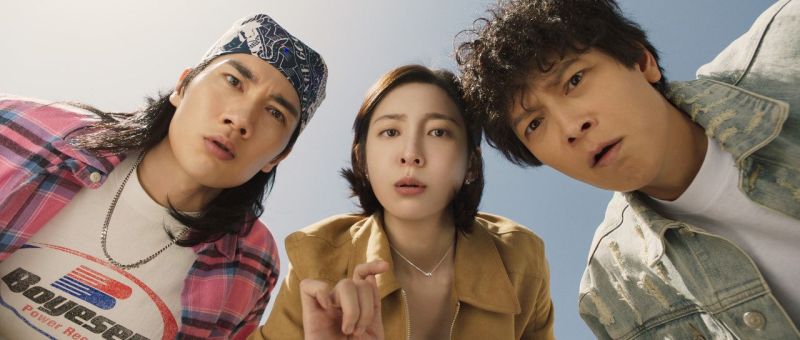
A once-famous K-pop trio reunite for one last performance 20 years after their careers imploded in a plagiarism scandal in Son Jae-gon’s zany comedy Wild Sing (와일드 씽). Exploring the Wild West days of the turn of the century popular music industry, the film ultimately seems to say that it’s never too late to follow your dreams while success is perhaps not quite as important as the personal fulfilment found in performing if only for a small audience.

In the early 2000s, street dancer Hyun-woo (Gang Dong-won) thinks he has all the moves and is thrilled to be recruited by A&R man Park Yong-gu (Shin Ha-kyun) only to discover he works out of a tiny basement office in a rundown building and has no other artists signed to his label. Forming a trio with rapper Sang-gu (Um Tae-goo) and singer Do-mi (Park Ji-hyun), Triangle becomes one of the biggest acts of the day. But this kind of industry doesn’t really like it when you get too big, and the band is eventually brought low by its hubris and naivety. Like many pop stars of their time, they were excited to join the music industry and didn’t pay too much attention to their contracts. 

Yong-gu is effectively a conman who withholds their pay and forces them into exploitative working practices. He also fosters discord within the group by pushing Hyun-woo as the leader while falsely claiming that he writes and composes all their songs. In reality, Yong-gu is buying in tracks from outside for the band to perform leading to a plagiarism scandal when it turns out their latest track is actually a cover of a hit Bulgarian pop song. After Yong-gu skips town with their money, Sang-gu and Do-mi quickly sign with other labels while Hyun-woo is left to carry the can alone. 

At the same time, the band’s rival, ballad singer Seong-gon (Oh Jung-se) is frustrated by his inability to take the top spot while his brand of sentimental pop is losing out to the kind of dance-inspired tracks performed by bands like Triangle. When he’s offered drugs, apparently for the first time, at an industry party and begins behaving strangely, it causes a major scandal than puts an end to his career and to an extent his personal life as he’s made an example of and sent to prison for an extended period of time highlighting the hypocritical unfairness of Korea’s hardline stance against drug use especially as regards those with a public profile. Seong-gon is cast so far out of the mainstream, that he becomes an effective exile hunting wild animals in the mountains in a total reversal of his sensitive, feminine image as an idol star specialising in sappy love songs.

In the present day, Hyun-woo has fallen on hard times as his stint as a radio DJ comes to an ignominious end. Not particularly good at the job, he no longer has any cachet as Triangle has faded into the past now that younger people no longer recognise the name. A producer advises him he should have made a move into variety television to keep his celebrity active as another boy band star they used to mock, Tae-poong, seems to have done. Though Hyun-woo looked down on Tae-poong and never even bothered to learn his name correctly, he seems to be the one who worked out how to ride the waves of fame through changing times as TV star with a current profile. Sang-gu, by contrast, is in huge debts to loan sharks who financed his failed solo projects and is currently selling insurance that promises huge payouts if the policy holder is diagnosed with cancer. Do-mi has married into a chaebol family, but is effectively a prisoner of her overbearing mother-in-law and barely allowed to leave the house.

There are then reasons why they would all agree to join Hyun-woo for a comeback performance as part of a retro concert to promote a local bid to host an expo even if they parted on bad terms and have not been in touch since. For various reasons, the gang unexpectedly ends up in a police chase after a road trip goes awry that forces them into a reckoning with their desire to perform. Meanwhile, the producer on the other threatens to cancel their perforce in fear of the negative effect on his own career after convincing himself the only possible reason they could be late is because they must have been involved in a hit and run. The ironic conclusion might paradoxically suggest that the only true freedom comes from access to limitless and unconditional access to money as Do-mi harnesses her new status to support the group, but that does at least suggest that conventional success might not be the be all and end all of performing which offers a kind of liberation just in itself.


Trailer (English subtitles)

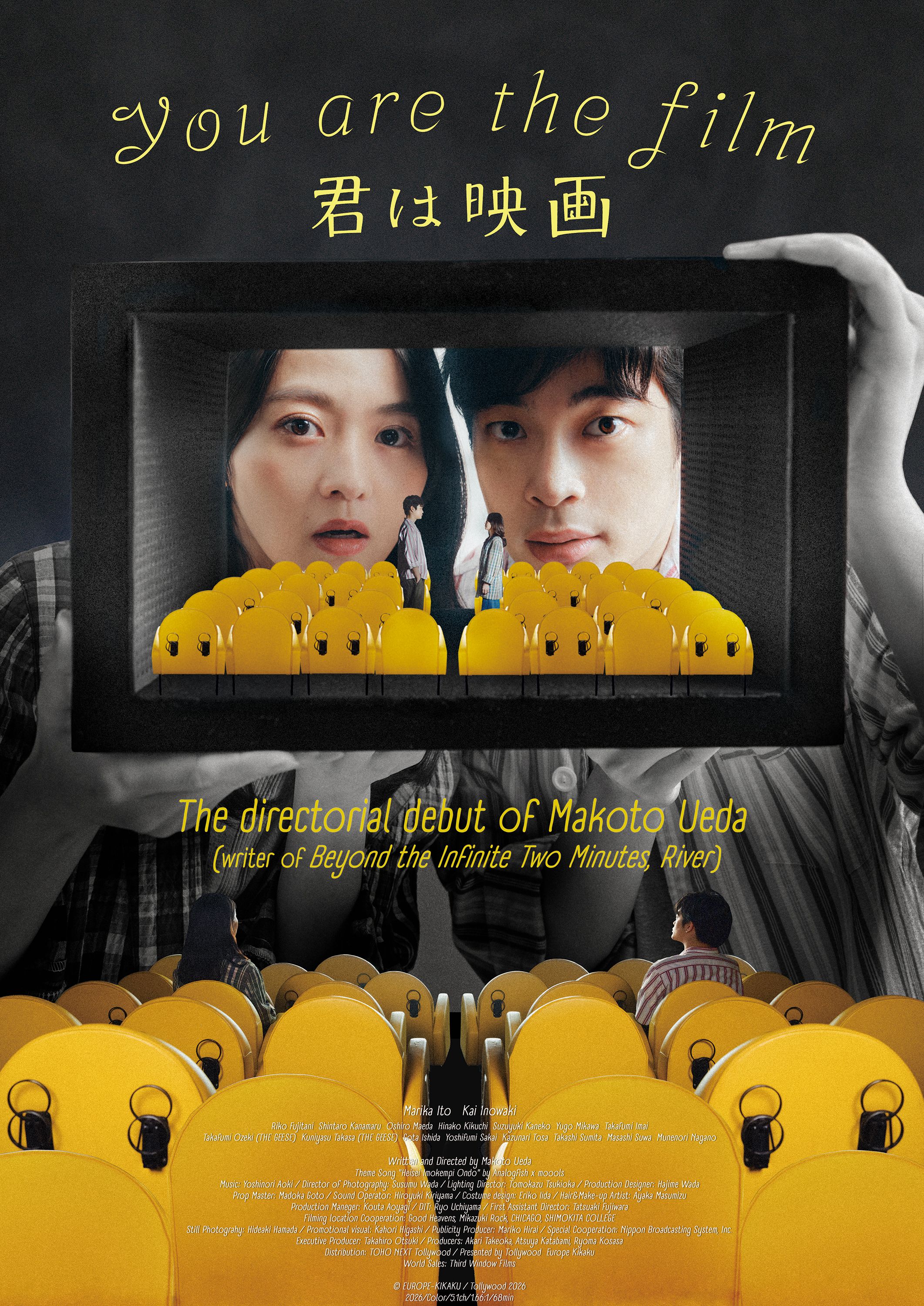
You Are the Film (君は映画, Makoto Ueda, 2026) [Fantasia 2026]

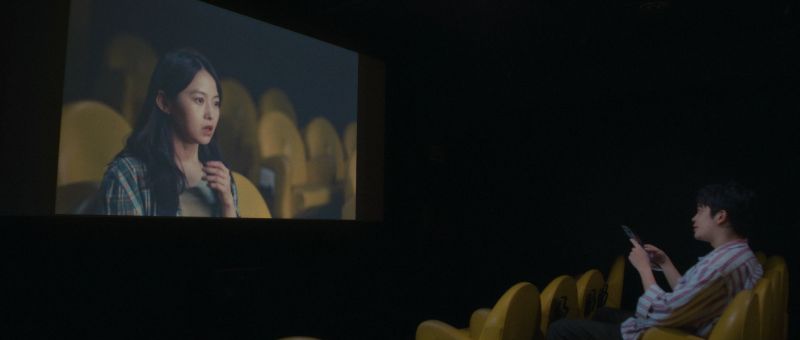
What if you went to see a film, but it was actually just a Zoom meeting with another person who thought they were there to see a film about you? That isn’t quite what happens in Makoto Ueda’s directorial debut You Are the Film (君は映画, Kimi wa Eiga), but it does take the protagonists longer than one would expect to stop suspending their disbelief, convinced that “a film” is conversing with them, and consider that they’re actually just watching a live feed of another person who is also watching them. 

But then again, the image reflected back at them from the screen is also a kind of wilful fantasy designed as both an escapist flight from an unsatisfying “reality” and a means of reframing their current dilemmas so that they can think about them more clearly. Effectively, it’s a way of realising what you might advise someone else to do in this situation, but wouldn’t actually consider doing yourself until you’re given this external vision of your own life. Ueda hints at this subtlety in the film’s opening sequence as he has playwright Madoka (Marika Ito) walk past a forked road representing a bifurcated reality, just as the film she’s going to see takes place directly adjacent to where she’s currently watching it, which is also the environment in which she spends the majority of her life. 

Both she and struggling musician Kazuma (Kai Inowaki) have enough in common to see themselves in the protagonist of the other film, and not just because Kazuma also inhabits this physical space too just on the other side of Madoka. He has a strained relationship with a band member and is so far failing to sell enough tickets for their upcoming concert. Madoka, meanwhile, has been offered the opportunity to put on a play at a larger, more prestigious venue but is feeling the pressure and struggling to complete her script. Despite what originally seems to be a very weird and uncanny situation, they eventually realise that they are able to help each other in a more direct way such as feeding back information about their respective “films” from the pamphlets they sell at the cinema.

But at the same time, the film seems to be in a way satirising these kinds of indie dramas or at least the sci-plot that develops on Madoka’s side is not that far away from the kind zany fringe theatre that troupes like hers often perform. In fact it’s even foreshadowed in the opening sequence as her co-stars seemingly play princess and retainer from another world mystified by the existence of a thermal tumbler, an apparent symbol of corporate oppression. Kazuma’s meanwhile spirals into an unlikely crime drama when his bandmate steals some money from a pair of counterfeiters which eventually exposes that the rock cafe he frequents is a front for an illegal gambling den run by an undercover gangster.

Despite these seemingly apocalyptic scenarios, what they learn is that they are able to change the script and eventually escape their own movie by transcending it, leading to the creation of a third movie starring those they left behind. It turns out that their friends are also yearning for escape in one way or another as Madoka’s friend Shiho has been offered a promising opportunity and secretly wants to move on, while the other actress sort of longs to escape by staying with the troupe but says she wants to leave as her parents have finally found out that she hasn’t been studying for the civil service exam after all. While watching these dramas play out Kazuma comes to his own realisations about his relationships with his bandmates, just Madoka begins to realise that all these desires must also be respected. If she wants to escape her movie, so does everyone else, and in order to be free she will have to let them go.

Nevertheless, each of them learn to embrace their status as the protagonist of their own lives with full authorial power to change the script, rejecting the meddling interference of some kind of engineer sent to rectify the “entanglement in filmspace” and get everyone back inside the right movie again. It turns out that you really are the film, and so is everyone else, but our realities aren’t as separate as they first seemed and we can still help each other out as we go along rather than remaining passive spectators within our own lives and those of others.


You Are the Film screened as part of this year’s Fantasia International Film Festival.

Trailer (English subtitles)

The Specials (スペシャルズ, Eiji Uchida, 2026) [Fantasia 2026]

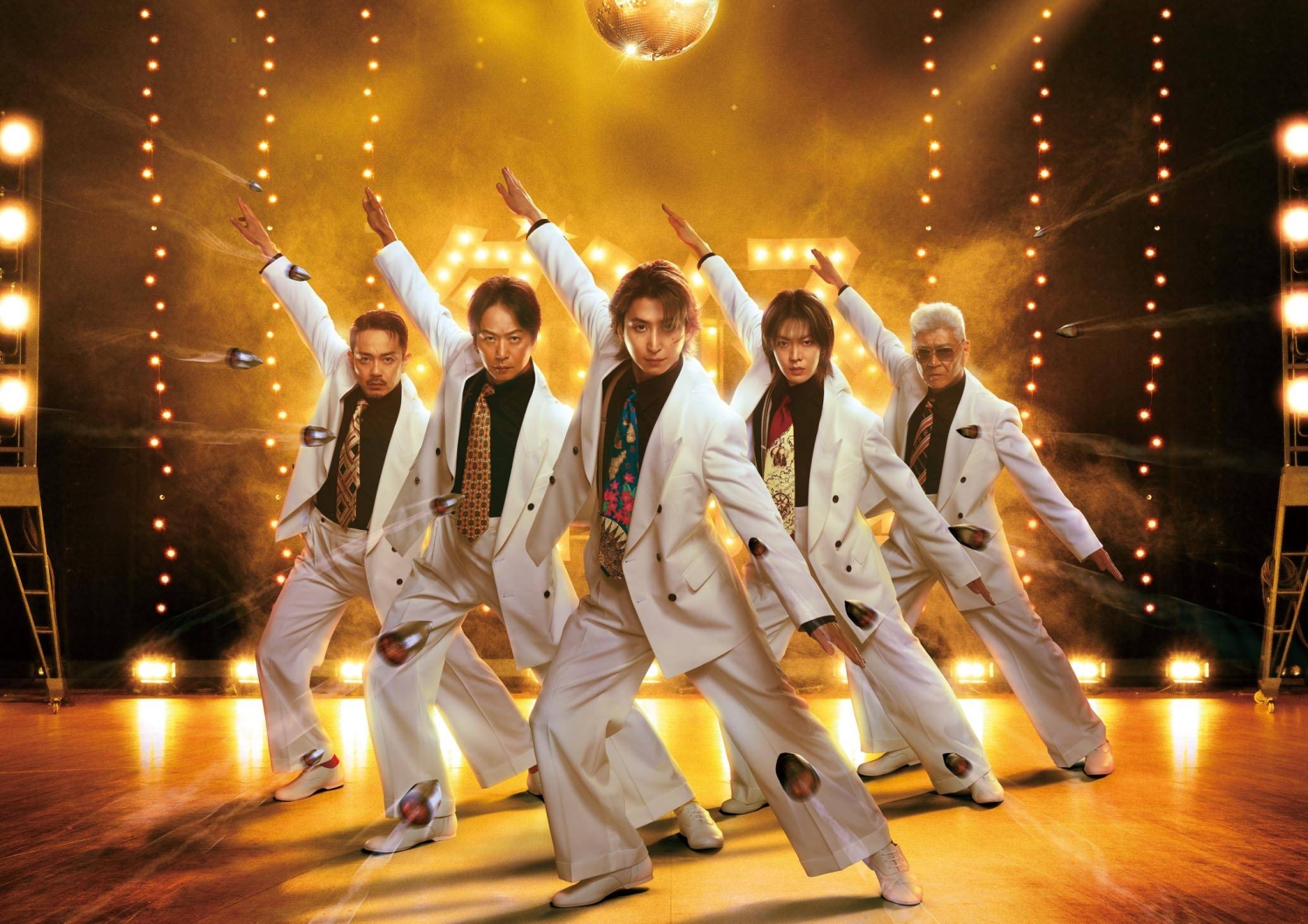
Times are hard for yakuza these days. Nevertheless, it seems there’s still a little of the old spirit left in Eiji Uchida’s light-hearted caper The Specials (スペシャルズ) as an underling’s desire to make his boss’ dreams of ruling the city come true sees him enter the world of competitive dance. It’s a compelling hook, but at the same time a slightly mystifying one seeing as it’s never really explained why the assassins would need to form a dance troupe to knock off their target as opposed to just purchasing a ticket for the competition. Nor does it it explain why they want to shoot him from the stage rather than discretely injecting him with something from behind to make it look like a heart attack. And all of that aside, couldn’t they just kill him during his granddaughter’s dance rather than actually having to perform as part as part of the show?

Granted, it doesn’t make a lot of sense, but as the gang are repeatedly told it’s not all about skill, passion counts for something. The main problem is that elderly rival boss Honjo seems to have an endless supply of henchmen who kind of look like him and are prepared to die in his place. The only time they can be sure it’s the real Honjo is when he attends his adult granddaughter’s dance competitions, which is why Kumashiro hits on the improbable idea of hiring a trio of assassins he believes has dance experience and getting them to enter in return for a huge reward. 

It doesn’t all quite go to plan, mainly because two of the assassins he picks are dealing with dance-related childhood trauma. The main man, Daiya, has retired from the hitman game and is currently working as a helper at an orphanage. He only agrees because the landlord’s trying to evict them so he can build luxury apartments there instead and they need money to buy the building back. The ironic thing is that one of the little girls there, Asuka, dreams of becoming a dancer. After the gang is kicked out of every dance school in the area due to their gloominess and emotional volatility, Asuka ends up becoming their coach. While there is something endearingly funny about the idea of these ice-cold tough guys being bossed around by a 10-year-old girl, there’s also an ethical issue that no one’s really considered yet given they’ve been lying to her about their true nature as killers for hire. Asuka will obviously want to be there if they make the final, and they don’t want to let her down but nor do they want her to witness them firing bullets from the stage to murder an old man and possibly a few others on the way given that this isn’t the most precise assassination plan.

Nevertheless, dance proves a liberating experience for all and as time moves on, most of the guys have sort of forgotten about their mission and are focussed instead of competition-winning glory. Even Kumashiro’s ambitious boss remarks that he seems different these days, somehow happier having traded his stern yakuza expression for something more friendly, which might not altogether be a good thing for his working life. The various assassins, who were accustomed to working alone, have now warmed to the idea of being part of a team and to a certain extent at least, it’s no longer purely about the money or achieving any of their singular goals. 

Then again, it says something that the ones who suffer most are old-school yakuza like Kumashiro and his prison buddy Murasame (played by V-cinema yakuza movie star Hitoshi Ozawa) who can literally only dance to old tunes and unlike the youngsters find it difficult to adapt to this more modern world in which things like loyalty have become “old-fashioned,” in the words of sullen hitman Kiryu. Though the tonal shift of the film’s unexpected final sequence may undercut the feel good quality of what is essentially a zany post-yakuza comedy that as much as possible glosses over the bloody reality, it does at least allow the gang to fulfil their mission in a more satisfying way that suggests loyalty may not be such an outdated idea after all.


The Specials screened as part of this year’s Fantasia International Film Festival.

Trailer (English subtitles)

Tokyo Burst: Crime City (TOKYO BURST-犯罪都市-, Eiji Uchida, 2026) [Fantasia 2026]

Ma Dong-seok’s popular Roundup series has a rather convoluted history in terms of its titling. The first film was screened under the literal translated title “Crime City” before being retitled with the ironic “The Outlaws” while all subsequent instalments in the series have adopted the title of the first sequel. Nevertheless, this Japanese spin-off set in 2015 which is two years before the first film’s release, comes with the subtitle “Crime City” and though a Korean co-production does not actually feature Ma Dong-seok but rather attempts to tell a similar story set in the world of Kabukicho.

Which is to say that it takes its equally from delinquent high school manga such as Be Bop High School which is name checked within the film rather than the maverick cop hamstrung by bureaucracy trope that lies at the centre of the Korean series. Though The Roundup may itself have become increasingly less gritty as the series continues to expand, it largely remains grounded within a more concrete reality which is not really something you can say about Tokyo Burst: Crime City even if does hint at the ways in which the crackdown on yakuza has accidentally led other kinds of organised crime groups flourishing.

In this case, that would the incongruity of a crime syndicate led by a greedy host who heads the club Dreaming and presses those who work for him into petty crime if they can’t make their onerous quotas. In general, the stereotypical image of a “host” who earns money by drinking with women in dedicated bars, is of someone slightly effeminate and sensitive. Their livelihood depends on at least appearing non-threatening while providing the illusion of unconditional love and acceptance to their customers while also perhaps coming across as young, vulnerable, and in need of looking after. Though legislation has now been brought in to help stop hosts exploiting women financially until the point that they force them into sex work, the kind of masculinity they present is gentle and non-violent, which makes them a surprising presence in the ruthless world of organised crime.

Yet as is explained to Korean detective Si-won the major difference between the two nations is the extent to which police build relationships with underworld figures in order manage rather than eradicate crime in order to prevent large-scale violence breaking out, though Ma had also been doing something similar in the first Roundup film. The political corruption angle so common in Korean films in which the sons of chaebol families are effectively above the law plays a less well in the Japanese setting while a subplot about a land rights for casino construction,  and upcoming election, the thuggishness of the Deputy Prime Minister’s son, and their collaboration with organised crime facilitated by the familiar face of Ma’s sometime sidekick Jang Yi-soo, seems underdeveloped and impossible to take seriously given the film’s cartoonish tone.

Nevertheless, The Roundup’s uncomfortable tendency to make light of police brutality is fully carried over as violent cop Shiro actively covers up security cameras to interrogate suspects, while the police are also guilty of making use of connections to speed up or frustrate justice. They are otherwise a comically bumbling bunch as is yakuza boss hold-out Iwaki frustrated at the loss of his turf to the host club upstarts. Shiro stands somewhere in the middle as a bruiser cop with a strong sense of justice but perhaps not so much ethics. Nevertheless, he eventually bonds with his new Korean partner through singing Linda, Linda at karaoke while becoming invested in his quest to catch those responsible for his late partner’s murder before they return to the safety of Korea where they are otherwise above the law. Despite the overarching silliness, there is an endearing sense of lived-in community in the Kabuchiko environment of which Shiro is at the very centre and even if the film refuses to take anything else to seriously, it does at least commit to the ferocity and carnage of its intermittent action scenes.


Tokyo Burst: Crime City screened as part of this year’s Fantasia International Film Festival.

Trailer (no subtitles)

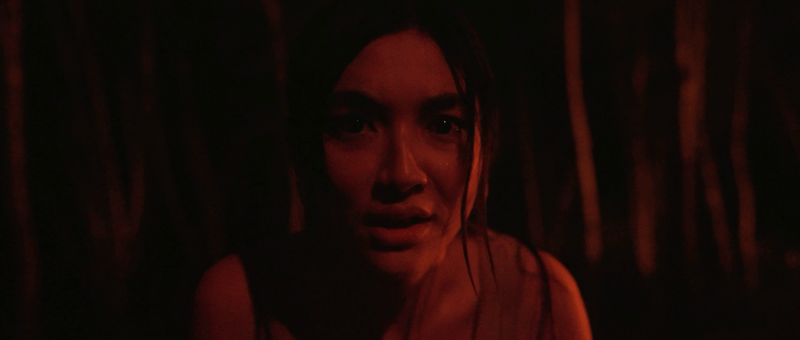
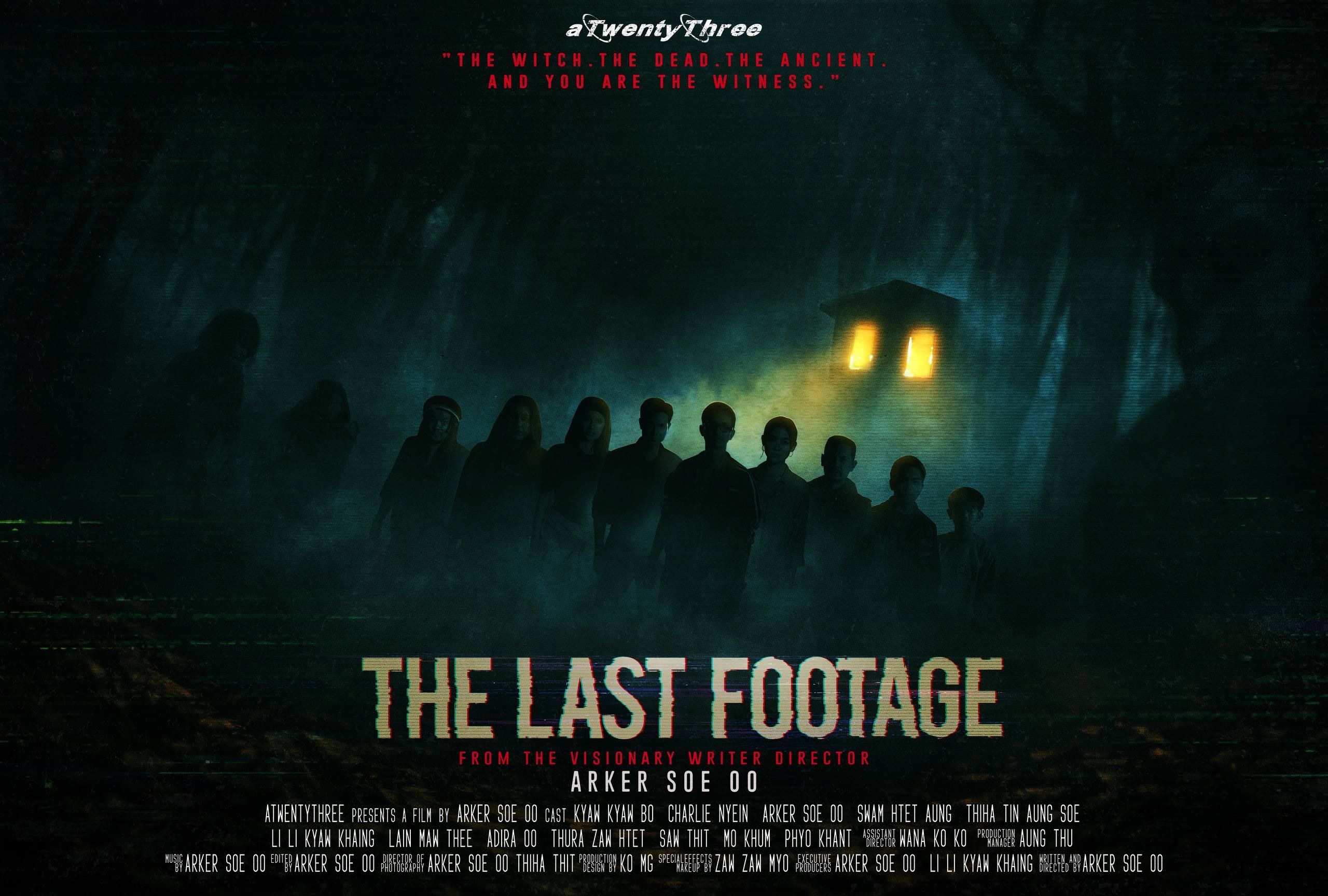
The Last Footage (Arkar Soe Oo, 2026) [Fantasia 2026]

“Show some respect for things you don’t understand,” a creepy which intones, admonishing a group of city slickers fetching up in the forest with a dangerous disrespect for the natural world and what lies beyond in Arkar Soe Oo’s creepy found footage folk horror, The Last Footage. The first found footage films from Myanmar though apparently made for the international market rather than the purely domestic, the film is entirely shot with 4K camera-equipped glasses neatly juxtaposing an entirely new technology with ancient folk beliefs and ritual practices.

The opening sequence, however, seems to hint at the variety of uses these glasses can be put to from a young man taking a picture of his parents to another who surreptitiously Googles “how to talk to girls” while staring at an attractive woman in a coffee shop. A group of ghost hunters uses them to capture footage while walking around a former conference centre where large numbers of people died in an explosion before apparently meeting a sticky end after running into a weird cult. The ID numbers given suggest this footage is being stored somewhere else and is therefore somehow accessible externally.

Aung Khant seems to have bought the glasses just because they’re the cool new thing rather than a desire to capture something in particular. His friends describe him as being “obsessed with strange stuff” and recall a fairly disastrous trip they picked to a destination he picked, but don’t particularly seem to mind him documenting their every move through his glasses which, he points out, have excellent battery life. That comes in handy because the electricity’s been out at the strange little hut they eventually make it to after the coach they were travelling on breaks down right outside the forest.

Thu Ya has been left a sizeable amount of land on a former rubber plantation owned by his late grandfather. He plans to open a resort there, and suggests the group’s latest trip be to go check it out. In a way Thu Ya has received a toxic inheritance that he is ill-equipped to deal with, never really considering that his grandfather may have abandoned this place for a reason or that there really may be something dark and ancient lurking in the woods. They are all fairly affluent, educated urbanites who only joke about supernatural threats and are flippant about folk beliefs. Despite being urged not to do anything to disrupt the balance of the forest, two of the group engage in some black magic rituals as a joke using cow’s blood and candles they brought from home.

Stepping into the witch’s cottage, they may as well have entered another world as she makes cryptic pronouncements that “it has awakened” and there’s nothing to be done now except accept one’s fate. Obsessed with black magic rituals herself in an effort to resurrect her late son, the witch isn’t really interested in helping the gang or saving their lives. Beginning to realise they probably should have listened to Thu Ya’s uncle Ko Nyo who warned them that the forest was not a safe place, Aung Khant and his friends have little choice other than to do battle with the evil they’ve awakened in the hope of rescuing a missing child even if they themselves may not survive.

As the wearer of the glasses, Aung Khant is there to be an audience stand-in providing an immersive POV that gives the impression of actually being present. As such he is a fairly passive presence following those who take part in the action so he can witness and recored it through his glasses. In a sense, he embodies the camera and the fact that it is mounted in his glasses means that it can continue capturing images without his involvement. All he can really do, however, is watch as his friends desperately try to come up with solutions after deciding that they can’t run from this particular beast and will have to their best to fight it. As the witch had said, however, there are some things that cannot be understood but must be respected. They will pay a heavy price for their lack of respect for traditional folk practices and an ancient past from which they have become entirely disconnected. 


The Last Footage screened as part of this year’s Fantasia International Film Festival.

Trailer (English subtitles)

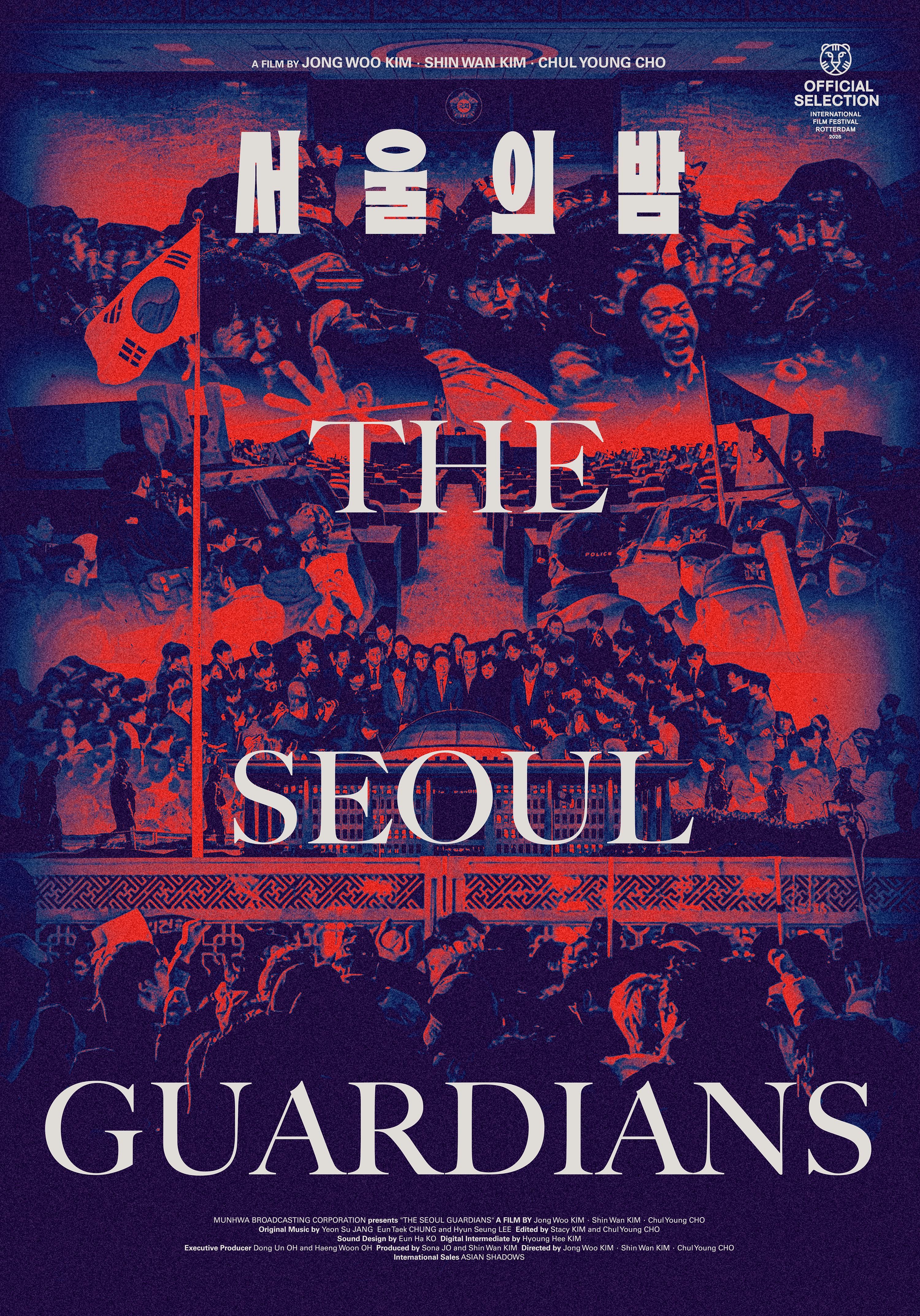
The Seoul Guardians (서울의 밤, Cho Chul-young, Kim Jong-woo, Kim Shin-wan, 2026) [Fantasia 2026]

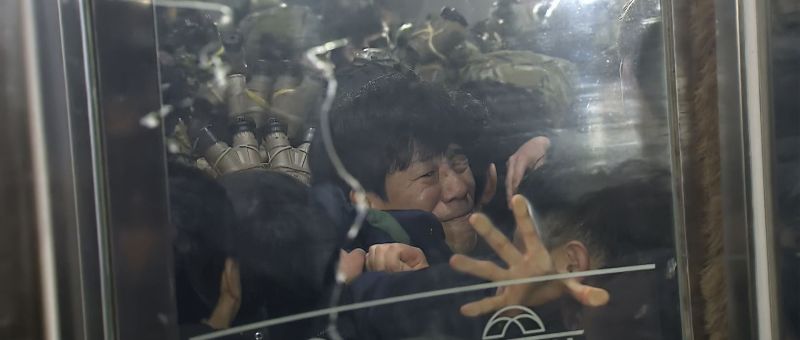
Normality is such a fragile thing. It only takes a few seconds for everything to fall apart and the life you’ve known until now to completely disappear. Facing intense personal scrutiny and frustrated with opposition lawmakers doing exactly what they’re supposed to do in a democracy by opposing policies they disagree with, President Yoon Suk-Yeol announced martial law via a television broadcast late at night after many people had already gone to bed or at any rate were not particularly paying attention to the news. 

This was the first time that Martial Law had been declared since Chun Doo-hwan’s military coup in 1979. The democracy that the nation had carefully nurtured since Chun’s downfall in 1987 was under threat while Yoon ironically described opposition parties as a “legislative dictatorship” for blocking his policies. Following the declaration, ordinary citizens began to make their way to the National Assembly building to protest, but at the same time Yoon’s faction dispatched the police and army to encircle the building. Once martial law is declared, the president is supposed to attend the assembly for a free vote confirm its deployment, which Yoon failed to do while police and army made it difficult for lawmakers to enter the building and take their place to vote leading many, often not so young, officials to vault walls simply to enter the building. 

Comprised almost entirely of on-the-ground and stock footage and television news broadcasts, Kim Jong-woo, Kim Shin-wan, Cho Chul-young’s documentary viscerally depicts the sense of chaos and desperation of that night as the general population and lawmakers trapped inside the budding begin to realise that they have only this moment to stop the impending tragedy that Yoon has set in motion. “Remember Gwangju” some of the protestors shout. Interspersed with footage from 3rd December are flashes of newsreels from the Gwangju Massacre in 1980 in which state forces fired on protestors asking for the lifting the martial law that had been reinstated by Chun’s regime after he took power in a military coup shortly after the previous dictator, Park Chun-hee, was assassinated by the head of his own security team. 

The similarities between the two protests are striking as both utter near identical chants with the only real way to tell which footage is from 1979 and which from 2024 is by the video quality and the clothes that people are wearing. The night of 3rd December could have turned out so differently if even a single thing had gone wrong. A soldier’s gun going off or policeman losing his temper could have provoked further violence and brought about a world of nightly curfews and curbed freedoms that seems almost unthinkable in the present day. A curfew has already been declared active from 11pm, so all of these people are already breaking the law, but they choose to stay anyway in order to defend this fragile democracy.

There are also, of course, those who are there to support Yoon and feel as if he’s been unfairly treated. To them, he’s only right to do what he’s done because those “commies” on the other side wouldn’t let him get on with his work. By including footage from Yoon’s impeachment hearing, the documentary makes clear that this is not something that ended in the early hours of 4th December with Yoon recognising the unanimous vote to lift martial law, but an ongoing battle to resist authoritarianism and protect democracy however imperfect that democracy may also be. The question then is how robust these systems really are and if Yoon actually will be removed for having committed this offence against the normal functioning of government with a blatant power grab that effectively constitutes and attempt coup.

All that was really standing between Yoon and martial law was the will of the people who were willing to risk their safety and comfort and preserve their freedom and democratic rights. They looked back to those who had lost their lives in Gwangju and said, “We will remember you. We will not allow this to happen again.” In this way, as the voiceover from co-director Kim Jong-woo points out, the dead save the living in a very real living memory of the costs of authoritarianism. Though the film may play out like a thriller as those inside the assembly set up baracades fearful that paratroopers will storm the building and others call out to the young soldiers to obey their conscious and walk away, it is never flippant about the serious of this moment, nor the truth that a significant minority continue support Yoon and his policies which leaves ordinary people once again the guardians of a fragile democracy that maybe shattered at any moment.


The Seoul Guardians screened as part of this year’s Fantasia International Film Festival.

Trailer (English subtitles)

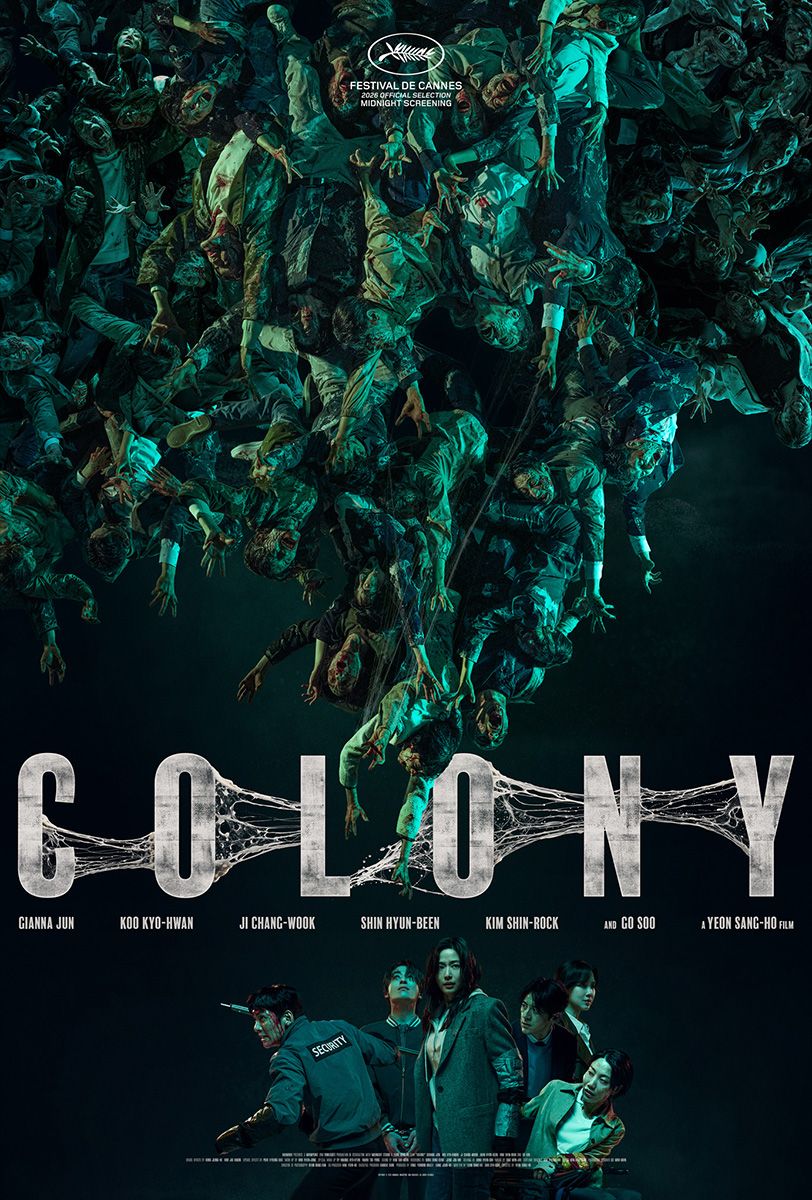
Colony (군체, Yeon Sang-ho, 2026)

“Can you handle the freedom to be an outcast?” asks the villain of Yeon Sang-ho’s zombie-esque drama Colony (군체, Gunche) who believes that tragedies are caused by “imperfect communication.” He may not be entirely wrong, but his instinct to destroy all traces of individuality and replace them with a hive mind might not necessarily solve the problem in the way he implies it will, especially as it transpires that everyone will effectively be pulled into his own consciousness.

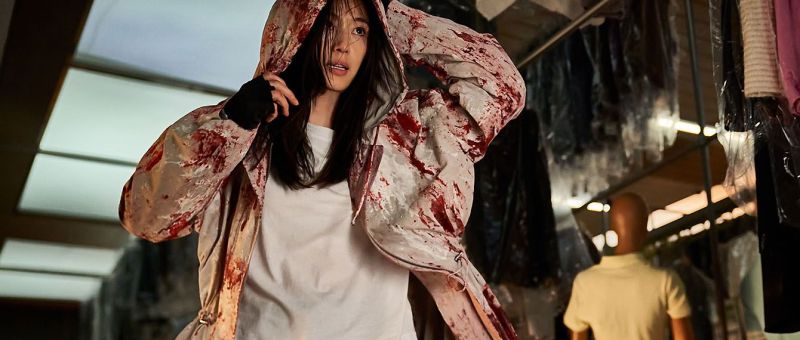
To that extent, the “zombies” in this film are representatives of social conformity, but perhaps they could also be read as an AI army with “psycho” scientist Suh (Koo Kyo-hwan) as the prompter. His big idea is bringing about a second cognitive revolution that emerges from a desire to repair the body so that those who have developed a disability would be healed. This is also, it turns out, a byproduct of being inducted into Suh’s hive where humanity must start from scratch evolving all over again. But at the same time, it seems like members of the hive still need to actively share information rather than simply having access to it. Suh gives them commands by shaking his head, while the zombies often stop dead and stare at the ceiling with their mouths open as if they were uploading something to the cloud. At one point, they’re seen accessing a computer to get the location of a room where one of their targets is hiding which demonstrates how far they’ve evolved in their ability to use tools, but at the same time they already have members of the security team in their hive. One would assume that they would already be familiar with the building’s layout and so the closest zombies could just start making their way there. This communication is still “imperfect” and Suh may choose not to share what he knows with the others anyway.

Professor Se-Jeong (Jun Ji-hyun), however, has never been one to go along with the group. Her exasperated ex-husband (Go Soo) complains that she’s always doing things that make people hate her, but still cared enough for Se-jeong to try to set her up with another steady job before he moves to America with his current wife and child. Which is all to say, she is very much prepared to be an outcast in a society in which challenging the system or disrupting group harmony are often taboos. She’s disadvantaged in her career because she turned another professor in for exploiting his research staff and misappropriating funds, meaning that others don’t necessarily want to work with her. She will, however, stand up for what’s right even when others won’t.

The government, meanwhile, is portrayed as another kind of group think if one paralysed by indecision because, unlike Se-jeong, they aren’t prepared to be hated by the public for making a call they disagree with even if it’s the right thing to do. With the building sealed off, orders have been given not to harm any of the infected in case they can be saved when they retrieve the vaccine from Suh, but it quickly becomes clear that the victims are most likely braindead and cannot be healed. Nevertheless, the policeman who takes Suh into custody eventually begins shooting his own team members, sacrificing them to protect Suh, while rescue teams deliberately leave other survivors behind. “It’s a shame,” one of the officers in control laments after seeing Se-jeong dart into a storage cupboard when the rescuers retreat with Suh, making it clear they have no intention of going back for her even though she’s been helping them retrieve the vaccine.

Her best ally turns out to be another female scientist, her ex’s wife Gong (Shin Hyun-been). Though you might expect the two women to loathe each other, they in fact get along quite well and have some affection for each other that makes Gong increasingly unwilling to toe the government line and leave Se-jeong to be devoured by the zombies. They are at least willing to stand up for the scientific argument and do what’s right, even if it’s not going to be popular and will make them outcasts for the rest of their lives. Someone has to be willing to make these difficult decisions from a position of rationality, the film seems to say. Nevertheless, it also argues for a slightly less prejudicial, more equal world in championing other kinds of outsiders such as a woman who uses a wheelchair and finds an ideal fit for her skillset in the zombie apocalypse and an old man who proves to be far more physically adept than an ageist society gave him credit for.  “I guess we have a lot of work ahead of us,” Se-jeong admits acknowledging that it will not end just with the quelling of this particular zombie horde.


Trailer (English subtitles)